
 EN


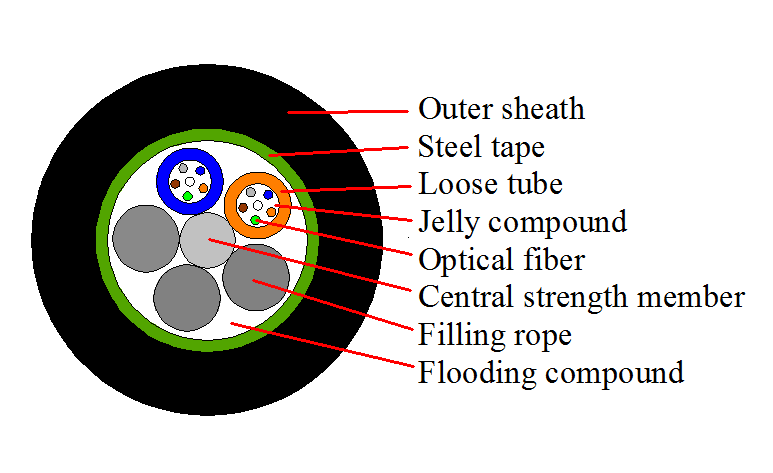
Telecom providers worldwide are making strategic investments in fiber optic cable infrastructure, and this shift reflects fundamental changes in how modern networks operate. The preference for fiber optic cable systems has become increasingly clear as demand for faster data transmission, greater bandwidth capacity, and more reliable connectivity continues to surge. Understanding why telecom providers favor fiber optic cable reveals important insights into network architecture, performance requirements, and long-term infrastructure planning in the telecommunications industry.
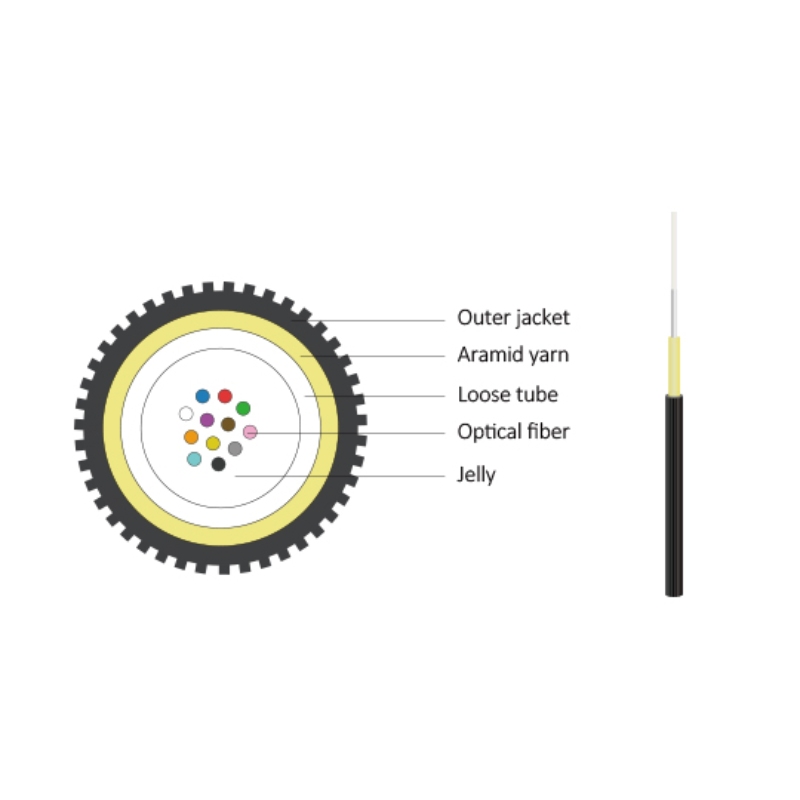
The adoption of fiber optic cable technology has fundamentally transformed telecommunications networks globally. Telecom providers recognize that fiber optic cable delivers superior performance compared to traditional copper infrastructure, enabling them to meet escalating customer expectations for speed and reliability. The strategic deployment of fiber optic cable systems represents a critical investment in future-proofing network infrastructure against rapidly growing data demands.
Superior Speed and Bandwidth Capacity
Transmission Speed Advantages
Fiber optic cable systems transmit data at speeds approaching the speed of light through glass fibers, providing dramatically faster data transfer rates than legacy copper networks. When telecom providers implement fiber optic cable infrastructure, they achieve transmission speeds measured in terabits per second, enabling simultaneous support for thousands of high-bandwidth users. The inherent physics of fiber optic cable allows carriers to scale bandwidth capacity far beyond what traditional infrastructure can support, making it the logical choice for modern telecommunications networks serving dense metropolitan areas and rural communities alike.
Meeting Contemporary Demand
Contemporary consumers and businesses demand ever-increasing bandwidth for streaming services, cloud computing, virtual reality, and machine learning applications. Telecom providers deploying fiber optic cable systems can reliably support these demanding workloads without the performance degradation experienced in copper networks during peak usage periods. The scalability inherent in fiber optic cable technology allows providers to expand capacity simply by adding more fiber strands or upgrading terminal equipment, without replacing the physical fiber optic cable infrastructure itself. This flexibility makes fiber optic cable the preferred choice for long-term network planning.
Enhanced Reliability and Signal Integrity
Electromagnetic Immunity
Fiber optic cable operates using light pulses transmitted through glass fibers, making it completely immune to electromagnetic interference that commonly degrades copper cable performance. Telecom providers benefit significantly from fiber optic cable's inherent resistance to radio frequency interference, power line fluctuations, and other electromagnetic disturbances that plague traditional transmission media. In industrial environments, urban areas with dense electrical infrastructure, and locations near power transmission lines, fiber optic cable maintains pristine signal quality where copper alternatives would experience unacceptable signal loss and data corruption. This reliability advantage directly translates to reduced service interruptions and improved customer satisfaction for networks built on fiber optic cable systems.
Lower Signal Attenuation
Signal attenuation represents a critical measure of how much signal strength diminishes over distance, and fiber optic cable demonstrates exceptional performance in this regard. Traditional copper cables experience significant attenuation, requiring signal amplification or regeneration at frequent intervals to maintain data integrity across long distances. In contrast, fiber optic cable can transmit signals reliably across distances exceeding one hundred kilometers without intermediate amplification, substantially reducing infrastructure complexity and operational costs. Telecom providers leverage this characteristic of fiber optic cable to establish high-capacity backbone networks connecting distant cities and regional centers with minimal intermediate equipment requirements.
Long-Term Economic and Operational Value
Infrastructure Longevity
Fiber optic cable represents a long-term infrastructure investment that remains relevant and capable across multiple decades of technological advancement. Unlike copper infrastructure that becomes capacity-constrained within a decade, fiber optic cable systems maintain functionality and performance for thirty or more years through simple equipment upgrades at endpoints. Telecom providers recognize that deploying fiber optic cable today protects their infrastructure investment against uncertain future technologies, reducing the need for disruptive infrastructure replacement projects. The durability of fiber optic cable material itself—glass fibers encased in protective jackets—contributes to its longevity in diverse environmental conditions ranging from underground ducts to aerial spans.
Operational Efficiency and Cost Management
Operating a telecommunications network based on fiber optic cable significantly reduces ongoing maintenance requirements compared to copper infrastructure management. Fiber optic cable does not corrode, does not require grounding maintenance, and does not suffer from moisture ingress problems that commonly affect copper cables in wet environments. Telecom providers report lower operational costs over extended periods when maintaining fiber optic cable networks, including reduced emergency service calls, predictable performance characteristics, and minimal environmental sensitivity. The power consumption associated with fiber optic cable systems also remains substantially lower than amplification-intensive copper networks, contributing to reduced energy costs and improved sustainability metrics for telecom operators.
FAQ
What specific advantages does fiber optic cable offer over copper alternatives?
Fiber optic cable provides dramatically higher bandwidth capacity, complete electromagnetic immunity, lower signal attenuation across long distances, superior reliability, and exceptional longevity compared to copper infrastructure. Telecom providers implementing fiber optic cable systems achieve transmission speeds in the terabit range, eliminate electromagnetic interference problems, and reduce operational maintenance costs throughout the infrastructure lifespan. The physics-based advantages of light transmission through glass fibers simply cannot be matched by electrical signals through copper conductors, making fiber optic cable the superior choice for modern network infrastructure.
How does fiber optic cable deployment align with future growth projections?
Telecommunications industry forecasts predict exponential growth in data demand from emerging technologies including artificial intelligence, autonomous vehicles, augmented reality, and expanded cloud services. Fiber optic cable infrastructure provides the necessary capacity headroom to accommodate these growth scenarios without requiring fundamental network architecture changes. Telecom providers investing in fiber optic cable systems today position themselves to serve anticipated demand increases through terminal equipment upgrades rather than infrastructure replacement, protecting long-term capital investments while maintaining competitive advantage in their service markets.
Are there geographic or environmental factors affecting fiber optic cable deployment decisions?
While fiber optic cable performs exceptionally well in virtually all geographic and environmental conditions, deployment strategies vary based on specific characteristics of target service areas. Fiber optic cable can be installed in underground conduits in urban areas, buried directly in rural locations, installed aerially on existing utility poles, or even submerged in underwater cable spans for international connectivity. Telecom providers evaluate terrain, climate conditions, population density, and existing infrastructure when determining optimal fiber optic cable deployment routes, but the inherent superiority of fiber optic cable technology remains constant across all environments and applications.