
 EN


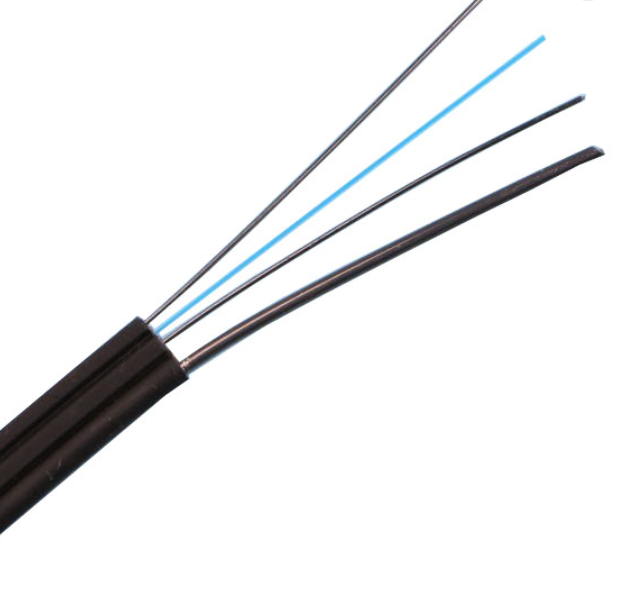
Organizations worldwide face escalating pressure to reduce operational expenses while maintaining network performance and reliability. One of the most effective strategies for achieving this balance is investing in fiber optic cable infrastructure. Unlike traditional copper-based systems, fiber optic cable technology delivers measurable long-term cost savings that compound over years of service. Understanding how fiber optic cable reduces expenses requires examining both immediate implementation factors and the cumulative financial benefits that emerge throughout the cable's operational lifecycle.
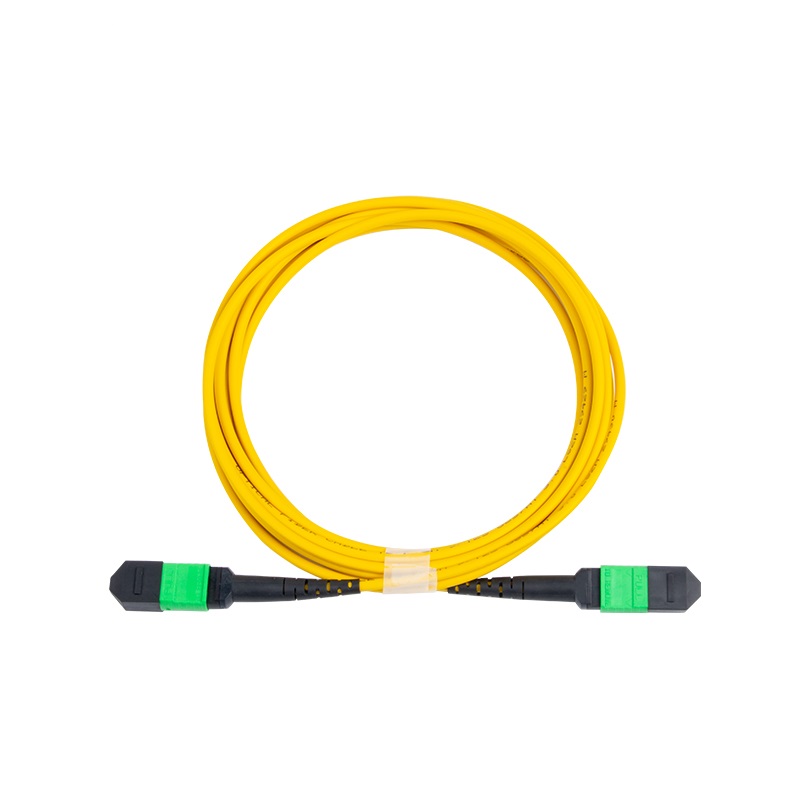
The financial case for fiber optic cable adoption strengthens when evaluating total cost of ownership across a network's operational span. Businesses that transition from copper infrastructure to fiber optic cable systems often discover that initial capital investment yields returns through reduced energy consumption, minimal maintenance overhead, and extended service intervals. This comprehensive economic advantage makes fiber optic cable the preferred choice for enterprises planning infrastructure upgrades or new network deployments.
Superior Durability and Extended Service Life
Resilience Against Environmental Factors
Fiber optic cable outperforms copper alternatives when exposed to harsh environmental conditions that typically accelerate degradation and require frequent replacement. The glass or plastic core of fiber optic cable resists corrosion, moisture infiltration, and temperature fluctuations that compromise copper systems. In industrial settings, data centers, and outdoor installations, fiber optic cable maintains signal integrity without degradation, eliminating costly replacement cycles that plague copper deployments. This environmental resilience directly translates to reduced maintenance budgets and extended intervals between system upgrades.
Longevity and Operational Reliability
A well-installed fiber optic cable system can operate reliably for 25 to 30 years with minimal intervention, whereas copper infrastructure typically requires upgrades or complete replacement within 10 to 15 years. This extended lifespan means organizations investing in fiber optic cable defer major capital expenditures and avoid the disruption associated with infrastructure replacement projects. The reduced frequency of installation labor, equipment rental, and facility downtime creates substantial savings that accumulate over the network's operational lifetime. Fiber optic cable's reliability record has been validated across millions of kilometers deployed globally in mission-critical applications.
Dramatically Lower Energy Consumption
Reduced Power Requirements for Signal Transmission
Fiber optic cable transmits data through light pulses rather than electrical signals, eliminating the electromagnetic losses that drain energy from copper systems. This fundamental difference means fiber optic cable networks require significantly less power to maintain performance, particularly in long-distance transmission scenarios where copper systems need expensive amplifiers and regenerators. Data centers operating fiber optic cable infrastructure report energy consumption reductions of 15 to 25 percent compared to equivalent copper deployments, generating substantial recurring savings on electricity bills. As energy costs continue rising, the operational efficiency of fiber optic cable becomes an increasingly important financial factor.
Cooling and Infrastructure Cost Reduction
Because fiber optic cable generates minimal heat during operation, facilities require less sophisticated cooling systems to maintain optimal thermal conditions. Data centers using fiber optic cable experience reduced air conditioning loads, lower cooling infrastructure costs, and decreased operational overhead for thermal management. This secondary benefit of fiber optic cable deployment extends beyond the network itself, reducing facility-wide energy consumption and associated cooling expenses. Organizations consolidating multiple network technologies into unified fiber optic cable systems often discover unexpected savings in facility infrastructure costs.
Minimized Maintenance and Faster Incident Resolution
Reduced Scheduled Maintenance Requirements
Fiber optic cable systems require far fewer maintenance interventions than copper networks because the technology is inherently more stable and resistant to common failure modes. Copper systems demand regular testing, cleaning, and inspection to prevent oxidation and maintain connection quality. Fiber optic cable, by contrast, requires minimal preventive maintenance beyond initial verification and occasional visual inspection. This reduced maintenance burden translates directly to lower labor costs, less specialized technical staff overhead, and fewer service disruptions caused by maintenance activities.
Faster Troubleshooting and Network Restoration
When issues do occur, fiber optic cable network diagnostics employ standardized optical time-domain reflectometer testing that quickly isolates problems to specific segments. This precision diagnosis means technicians spend less time investigating potential causes and can resolve incidents faster than with copper networks, where electromagnetic interference and signal degradation complicate fault identification. The accelerated restoration capabilities of fiber optic cable minimize costly downtime and reduce the emergency service costs associated with rapid-response network incidents. Organizations benefit from predictable recovery timelines and reduced premium support expenses.
Future-Proofing and Scalability Economics
Bandwidth Expansion Without Infrastructure Replacement
Fiber optic cable deployed today can support bandwidth increases of 10 to 100 times through terminal equipment upgrades alone, without requiring physical cable replacement or trenching expenses. This scalability advantage means fiber optic cable infrastructure accommodates business growth and data demands while avoiding the infrastructure replacement costs that copper systems demand every few years. Organizations planning for sustained growth find that fiber optic cable investment provides exceptional value across multiple business cycles, as the physical infrastructure supports evolving technology standards indefinitely.
Competitive Advantage and Business Flexibility
Enterprises operating fiber optic cable networks achieve operational flexibility that reduces total cost of ownership across their entire digital infrastructure strategy. Fiber optic cable enables rapid service provisioning, supports cloud connectivity requirements, and accommodates bandwidth-intensive applications without costly upgrades. This flexibility translates to faster time-to-market for new services, reduced delays for customer implementations, and competitive advantages that generate revenue benefits beyond simple cost reduction. The financial impact of fiber optic cable extends into business agility and market responsiveness.
FAQ
What is the typical payback period for switching from copper to fiber optic cable?
Organizations typically recover initial fiber optic cable investment through energy savings and reduced maintenance expenses within five to seven years, with benefits accelerating in subsequent decades. The payback timeline varies based on deployment scale, existing infrastructure condition, and electricity cost structure, but fiber optic cable consistently delivers positive returns when evaluated across 10-year or longer periods. Long-term lease agreements sometimes enable fiber optic cable adoption without significant upfront capital, accelerating the financial benefit realization.
How does fiber optic cable compare to copper for industrial environments?
Fiber optic cable significantly outperforms copper in industrial settings because the technology resists electromagnetic interference, temperature extremes, and chemical exposure that degrade copper systems. Manufacturing facilities, utility companies, and oil and gas operations favor fiber optic cable deployments specifically for durability and reliability in challenging conditions. While installation costs may be slightly higher initially, fiber optic cable eliminates frequent replacement and reconfiguration expenses that plague copper in harsh environments, delivering superior total cost of ownership.
Can existing fiber optic cable infrastructure support newer technology standards without replacement?
Yes, existing fiber optic cable infrastructure typically supports technology upgrades for 20 to 30 years by replacing only the terminal equipment and transceivers. Businesses can implement 400G, 800G, or future standards on deployed fiber optic cable without incurring cable replacement expenses, making the original fiber optic cable investment remarkably cost-effective across multiple technology generations. This exceptional upgrade capability makes fiber optic cable the most economical choice for organizations prioritizing long-term infrastructure stability.