
 EN



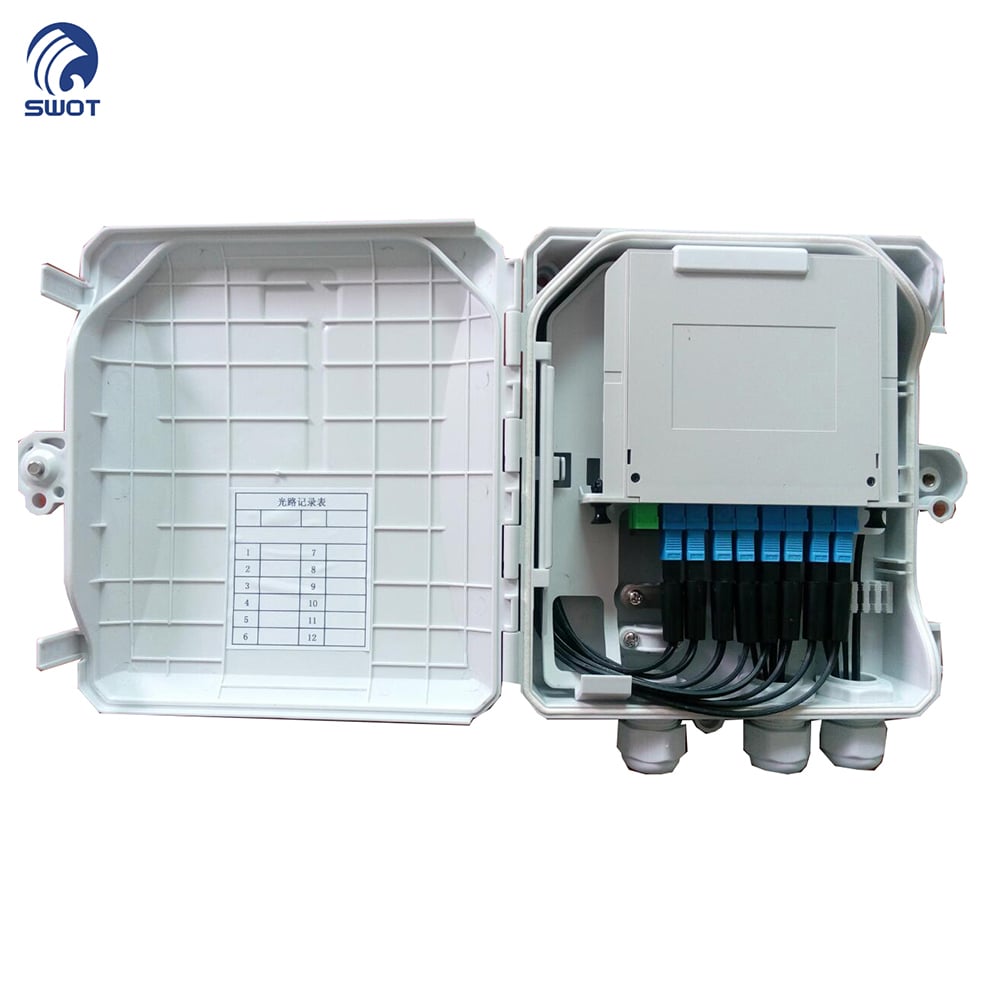
Network infrastructure demands continue to accelerate as organizations embrace cloud computing, IoT deployments, and data-intensive applications. Fiber optic cable stands as the foundational technology enabling this rapid growth, delivering the bandwidth capacity and transmission reliability required for tomorrow's connectivity needs. Unlike traditional copper-based systems, fiber optic cable supports exponential increases in data throughput without significant performance degradation, making it the cornerstone of scalable network architecture.
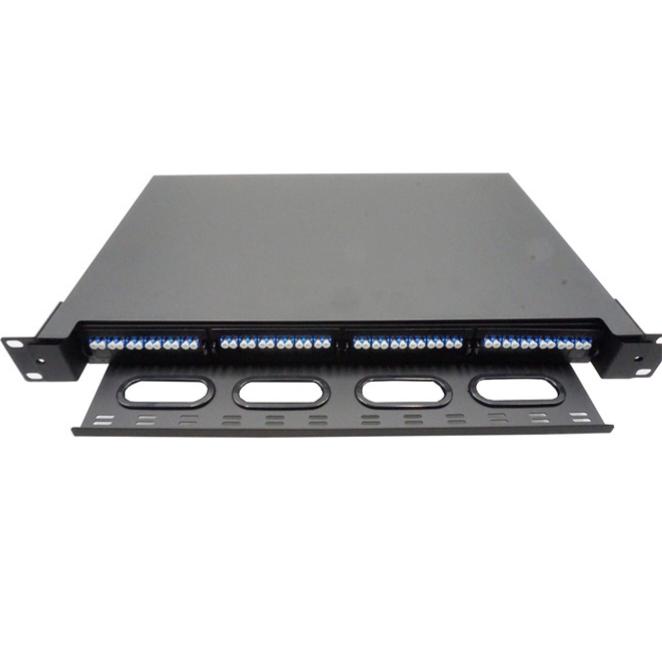
Organizations planning long-term network expansion must understand how fiber optic cable delivers competitive advantage through superior speed, distance coverage, and future-ready design. This article explores the strategic role of fiber optic cable in supporting network growth, deployment methodologies, and the critical decisions that ensure infrastructure longevity as technology evolves.
Why Fiber Optic Cable Matters for Scalable Networks
Bandwidth Capacity Without Compromise
Fiber optic cable transmits data using light signals through glass or plastic strands, enabling transmission speeds that far exceed copper alternatives. A single fiber optic cable strand can carry terabits of data per second, providing the massive bandwidth capacity required by modern enterprises. As network demands spike with video streaming, machine learning workloads, and real-time analytics, fiber optic cable maintains performance consistency without the latency issues that plague legacy systems. This capacity advantage means organizations can support current applications while building headroom for future technologies.
Distance and Signal Integrity
Fiber optic cable transmits signals over substantially greater distances than copper cabling, reaching several kilometers without signal regeneration. This extended reach reduces the number of intermediate devices required in large network deployments, lowering overall infrastructure complexity and operational costs. The light-based transmission model used by fiber optic cable eliminates electromagnetic interference, ensuring signal integrity in electrically challenging environments such as industrial facilities and data centers. Organizations expanding across multiple buildings or campus locations find fiber optic cable essential for maintaining consistent, reliable connectivity.
Strategic Deployment Approaches for Network Expansion
Data Center Infrastructure Planning
Data centers require massive inter-switch connectivity to handle millions of transactions simultaneously. Fiber optic cable infrastructure, particularly high-density solutions, enables data centers to achieve the switching capacity necessary for hyperscale operations. Dense fiber optic cable arrangements within structured cabling systems support thousands of concurrent connections while maintaining manageable physical footprints. Planning fiber optic cable capacity during data center design phases prevents costly retrofitting and ensures the facility can absorb workload growth without architectural redesign.
Campus and Distributed Network Extensions
Organizations with geographically dispersed locations benefit from fiber optic cable's extended transmission range, enabling seamless connectivity between remote offices and central infrastructure. Fiber optic cable backbone networks interconnect multiple campus buildings, reducing dependency on external carrier circuits and improving operational autonomy. When expanding to new locations, fiber optic cable installation during initial construction costs significantly less than retrofitting, making it a cost-effective long-term investment. The independence fiber optic cable provides from carrier relationships supports faster network provisioning and operational flexibility.
Future-Proof Technology Integration
Fiber optic cable infrastructure remains relevant across technology generations because the physical medium itself is protocol-agnostic. As transmission technologies evolve from 10 Gbps to 100 Gbps, 400 Gbps, and beyond, existing fiber optic cable installations can accommodate new equipment through transceiver upgrades alone. This technological flexibility means organizations investing in fiber optic cable infrastructure today protect their investment against obsolescence for decades. The ability to upgrade speed capabilities without replacing physical fiber optic cable represents exceptional value for capital-intensive network expansions.
Implementation Considerations and Best Practices
Capacity Planning and Scalability Design
Effective network expansion requires fiber optic cable capacity planning that anticipates growth trajectories beyond current needs. Industry best practice recommends provisioning fiber optic cable counts at 30 to 40 percent above immediate requirements, allowing organic growth accommodation without emergency upgrades. fiber optic cable architecture supporting modular expansion enables staged deployment, distributing capital expenses across planning cycles while maintaining operational continuity. Organizations examining their growth forecasts should specify fiber optic cable infrastructure that accommodates at least three to five years of projected bandwidth growth.
Installation Quality and Maintenance Standards
Fiber optic cable performance depends critically on proper installation techniques, including precise bend radius management, connector cleanliness, and fusion splice quality. Contamination or micro-bending can degrade signal quality in fiber optic cable systems, reducing effective transmission distance and throughput reliability. Establishing rigorous testing protocols for newly installed fiber optic cable ensures performance meets specifications before networks transition to production operation. Regular maintenance inspections of fiber optic cable terminations and splices prevent performance degradation and extend infrastructure lifespan.
Network Architecture Resilience
Network expansion plans must incorporate redundancy into fiber optic cable routing to ensure continued operation during cable damage or equipment failure. Diverse routing of fiber optic cable through separate conduit systems prevents single-point failures from disrupting critical connectivity. Organizations implementing network expansion should specify fiber optic cable paths that maintain separation from power infrastructure and environmental hazards. This redundancy-first approach to fiber optic cable deployment provides the reliability demanded by mission-critical applications and ensures business continuity through infrastructure challenges.
FAQ
What transmission distances can fiber optic cable achieve compared to copper?
Fiber optic cable can transmit signals reliably over 2 to 10 kilometers depending on specific types and equipment configurations, while copper cabling is typically limited to 100 meters. This extended range advantage makes fiber optic cable essential for campus networks and geographically distributed deployments. For long-distance connectivity, fiber optic cable reduces the need for signal amplification equipment, lowering system complexity and operational costs significantly.
How does fiber optic cable support bandwidth increases without infrastructure replacement?
Fiber optic cable itself is protocol-independent, meaning the physical glass strands remain constant while transmission equipment upgrades to support higher speeds. An organization can install 100 Gbps transceivers on existing fiber optic cable infrastructure, then later upgrade to 400 Gbps technology without replacing the physical cable plant. This separation between the transmission medium and transmission protocol makes fiber optic cable a lasting investment that accommodates technology evolution seamlessly.
What factors determine fiber optic cable count requirements for network expansion?
Fiber optic cable count planning should consider current bandwidth demands, projected growth rates, application criticality, redundancy requirements, and future technology roadmaps. Organizations typically provision fiber optic cable with 30 to 40 percent spare capacity to accommodate organic growth without emergency installation. For mission-critical networks, additional fiber optic cable allocation for diverse routing and backup paths ensures resilience against cable damage or unexpected traffic spikes.