
 EN



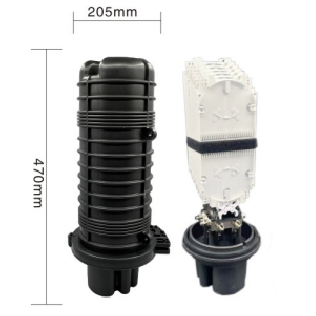
Selecting the correct fiber optic joint box for underground installations requires understanding both the technical specifications and the environmental demands of subsurface deployment. Underground fiber optic networks form the backbone of modern telecommunications infrastructure, and the protection provided by the right fiber optic joint box directly impacts network longevity and reliability. A properly chosen fiber optic joint box shields delicate fiber connections from moisture, temperature fluctuations, mechanical stress, and soil corrosion, ensuring years of uninterrupted signal transmission.
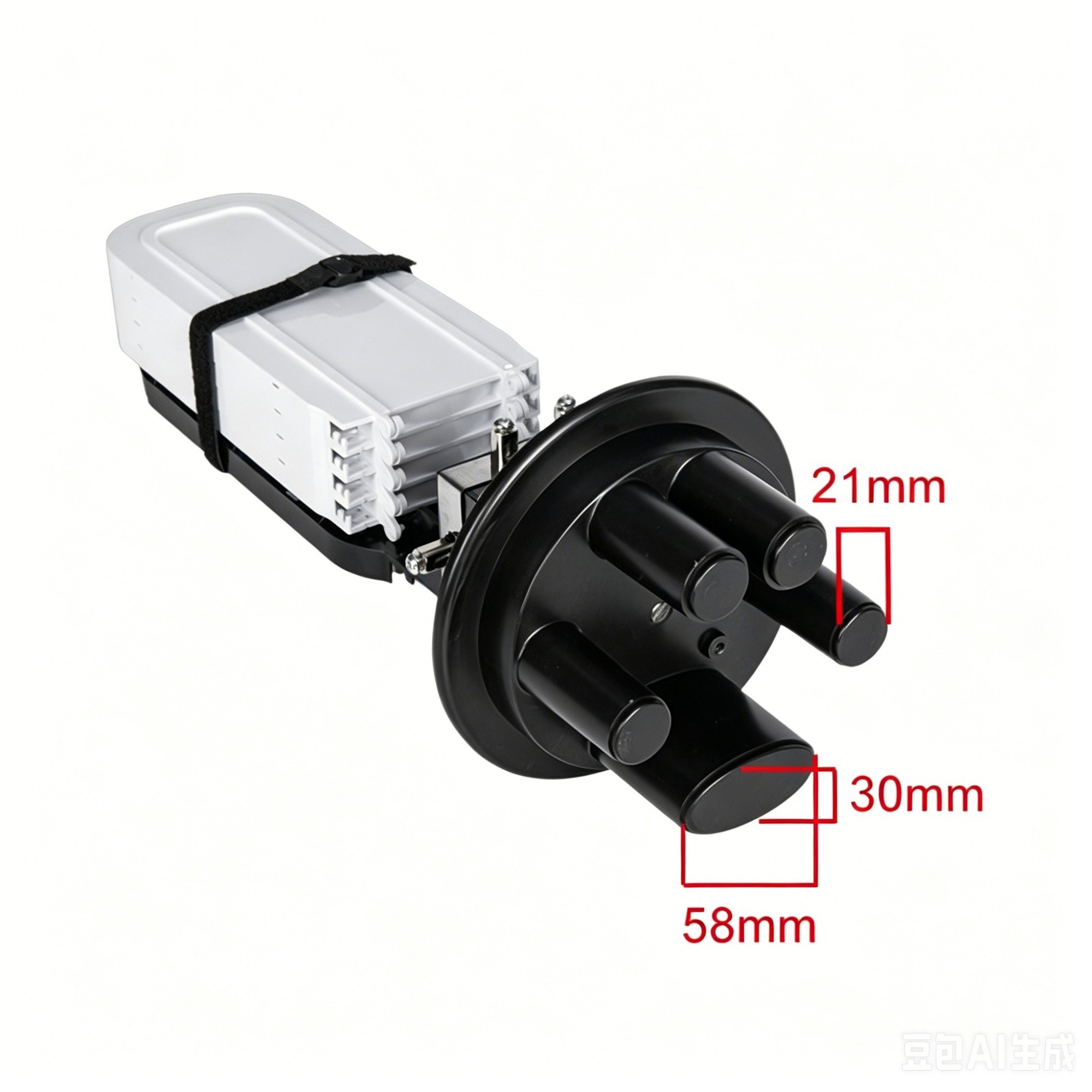
The challenge lies in matching installation conditions to fiber optic joint box specifications. Underground environments present unique pressures, including water ingress risk, soil movement, and temperature cycling that surface installations rarely encounter. A fiber optic joint box designed primarily for aerial use will fail underground, while an oversized industrial-grade unit may exceed project budget and installation complexity unnecessarily. This article explores the key criteria for selecting the right fiber optic joint box tailored to your underground network requirements.
Understanding Underground Installation Requirements
Environmental Pressure and Protection Standards
Underground installations expose a fiber optic joint box to constant moisture and hydrostatic pressure that demand exceptional sealing integrity. The fiber optic joint box must achieve IP67 or IP68 ratings to prevent water infiltration during extreme rainfall, flooding events, or groundwater saturation. Soil acidity, chloride content, and chemical residues in the ground further challenge the structural materials of a fiber optic joint box, necessitating corrosion-resistant enclosures constructed from polyethylene, stainless steel, or specialized composite materials. Temperature variations underground range less dramatically than aerial routes, but a fiber optic joint box must still accommodate seasonal soil temperature changes and rapid temperature swings during maintenance operations.
Burial Depth and Mechanical Load Considerations
The depth at which you bury a fiber optic joint box determines the compressive forces it must withstand. Most telecommunications standards recommend burial depths between 0.6 and 1.2 meters to protect from surface machinery and weather cycles. At these depths, a fiber optic joint box experiences significant vertical loading from soil weight and potential vehicle traffic above. The enclosure must feature reinforced walls and load-bearing ribs to prevent deformation that could stress the housed fiber splice trays or break internal connections. Additionally, a fiber optic joint box designed for underground use should incorporate anti-extrusion features and stable anchoring points to prevent shifting during soil settlement or frost heave events common in freeze-thaw cycles.
Key Selection Criteria for Underground Fiber Optic Joint Boxes
Material Composition and Durability
Material selection is foundational to fiber optic joint box longevity in underground environments. High-density polyethylene (HDPE) remains the industry standard for fiber optic joint box construction because it resists soil corrosion, maintains flexibility at temperature extremes, and costs less than metal alternatives. For aggressive soil conditions—such as acidic peat, salty coastal zones, or chemically treated industrial areas—a fiber optic joint box constructed from fiberglass-reinforced polymer (FRP) or titanium-reinforced steel provides superior chemical resistance. The gasket materials sealing the fiber optic joint box must also be selected carefully; EPDM rubber remains suitable for standard conditions, but specialized elastomers handle extreme pH or specialized contaminants better. Inspect the material specifications of any candidate fiber optic joint box to verify compatibility with your soil chemistry profile.
Capacity and Fiber Management Features
The internal layout of a fiber optic joint box must accommodate your splicing and cable routing needs. Underground installations often consolidate multiple fiber routes at junction points, requiring a fiber optic joint box with modular splice tray arrangements and sufficient internal volume to avoid excessive fiber bending. A fiber optic joint box should provide cable entry and exit glands that allow clean transitions from buried cables while maintaining the IP rating integrity. Some premium fiber optic joint box designs include color-coded tray holders, built-in cable organizers, and pigtail management systems that simplify field splicing and reduce installation errors. Evaluate whether the fiber optic joint box layout matches your expected splice count and cable distribution architecture before committing to a unit.
Certification and Compliance Standards
Selecting a fiber optic joint box that meets recognized telecommunications standards ensures compatibility with network infrastructure and regulatory compliance. Industry certifications for a fiber optic joint box typically include IEC 61076 series (connector performance standards), ITU-T G.652 (fiber cable specifications), and regional environmental certifications. Many telecommunications utilities require that any fiber optic joint box installed in their networks passes pressure tests, salt-fog corrosion tests, and UV exposure assessments. Before procurement, confirm that your chosen fiber optic joint box holds certifications relevant to your deployment region and customer base requirements. Documentation of these standards provides legal protection and facilitates future network audits or third-party inspections.
Installation Best Practices for Underground Fiber Optic Joint Boxes
Proper Positioning and Access Planning
Underground placement of a fiber optic joint box should balance protection from surface disturbance with accessibility for maintenance. Mark the location of every fiber optic joint box clearly with surface markers visible from above to prevent accidental excavation damage and to guide technicians during repairs. A fiber optic joint box should be positioned away from utility corridors, drainage areas, and zones prone to flooding. Install the fiber optic joint box on a stable, compacted base to prevent settling that stresses cables over time. In regions with frost heave risk, ensure the fiber optic joint box rests on below-frost-line foundations or use anti-heave installation techniques to maintain cable alignment through seasonal freeze cycles.
Cable Entry Preparation and Moisture Management
Proper cable entry preparation is critical for maintaining the integrity of your fiber optic joint box seals. Use dedicated cable glands rated for your burial depth and soil moisture conditions; never improvise entry points on a fiber optic joint box without proper sealing components. Before insertion, dry all incoming cable sheaths thoroughly and inspect for cracks or damage that could allow water ingress into the fiber optic joint box. Apply hydrophobic gel or silicone sealant around cable entries to create a secondary moisture barrier outside the fiber optic joint box gasket. Allow the fiber optic joint box to rest for at least 24 hours after installation before backfilling to verify no groundwater seeps into the enclosure during this critical settling period.
Maintenance Access and Longevity Assurance
A well-maintained fiber optic joint box continues to protect your network investment for 20+ years. Schedule periodic inspections of the fiber optic joint box every 2–3 years to check gasket condition, verify IP rating integrity, and ensure no corrosion has compromised the enclosure. When opening a fiber optic joint box for maintenance, work quickly to minimize moisture ingress and re-apply fresh sealants before closing. Document the condition of the fiber optic joint box interior, including any moisture accumulation or gasket degradation, to predict replacement timing. For critical routes, consider installing multiple fiber optic joint box units at strategic points to create redundancy if one enclosure fails prematurely.
FAQ
What IP rating should a fiber optic joint box have for underground installations?
Underground fiber optic joint box installations require a minimum IP67 rating, which guarantees temporary immersion protection. IP68 ratings provide permanent submersion protection and are recommended for installations in flood-prone areas, near water tables, or in regions with heavy rainfall. The higher rating ensures the fiber optic joint box remains sealed even during extreme moisture events and hydrostatic pressure variations typical of subsurface environments.
How deep should I bury a fiber optic joint box underground?
Most fiber optic joint box installations follow telecommunications standards recommending 0.6 to 1.2 meters (2 to 4 feet) burial depth. This depth protects the fiber optic joint box from surface machinery, vehicle traffic, and temperature extremes while remaining accessible for maintenance. In regions with frost heave, bury the fiber optic joint box below the frost line to prevent vertical movement that could stress buried cables. Always verify local utility and regulatory requirements before finalizing the fiber optic joint box burial depth for your project.
What materials best resist corrosion for a buried fiber optic joint box?
High-density polyethylene (HDPE) is the standard material for underground fiber optic joint box installations due to excellent corrosion resistance and durability. For aggressive soil conditions, fiberglass-reinforced polymer (FRP) and titanium-reinforced steel provide superior chemical resistance to acidic or salty soils. Verify the fiber optic joint box material specifications match your soil chemistry profile and consider accelerated corrosion testing results from the manufacturer before final selection.