
 EN


Selecting the right fiber optic cable is one of the most critical decisions in modern network infrastructure planning. The fiber optic cable you choose directly impacts installation complexity, performance, cost, and long-term reliability. Different installation environments demand different fiber optic cable specifications, and understanding these distinctions helps you avoid costly mistakes and ensure your network meets current and future demands. Whether you're deploying a data center, upgrading campus networks, or extending connectivity to remote locations, the correct fiber optic cable selection determines success.
The fiber optic cable market offers multiple types, each engineered for specific scenarios, distance ranges, and environmental conditions. Not all fiber optic cable performs equally across all applications, and oversizing or undersizing your cable choice leads to unnecessary expense or performance degradation. This guide walks you through the primary fiber optic cable categories and explains how to match each type to your exact installation context.
Single-Mode Versus Multimode Fiber Optic Cable
Understanding Single-Mode Fiber Optic Cable
Single-mode fiber optic cable transmits light along a single path through the core, enabling data transmission over much longer distances with minimal signal loss. This fiber optic cable type is optimized for long-haul telecommunications, metropolitan area networks, and applications requiring distances beyond 10 kilometers. The single-mode fiber optic cable core diameter is typically 8–10 micrometers, which restricts light propagation to a single fundamental mode. When your installation requires backbone connectivity between buildings, campus segments, or carrier-class networks, single-mode fiber optic cable is the standard choice because it delivers superior bandwidth and distance capabilities.
Advantages of Multimode Fiber Optic Cable
Multimode fiber optic cable allows multiple light paths to travel simultaneously through a larger core, typically 50 or 62.5 micrometers. This fiber optic cable type simplifies equipment requirements and reduces transceiver costs, making it ideal for shorter-distance deployments within buildings and localized data centers. Multimode fiber optic cable excels in environments spanning up to 2 kilometers and handles high-bandwidth applications without the expense associated with single-mode deployment. For many enterprises, multimode fiber optic cable delivers the best balance of performance, cost, and installation simplicity across campus and local network segments.
Environmental and Physical Considerations for Fiber Optic Cable Selection
Indoor Rated Fiber Optic Cable Specifications
Indoor fiber optic cable incorporates jacket materials and flame-rating systems designed for plenum or riser installations within building structures. These fiber optic cable variants must meet fire codes and limit smoke generation, particularly when routed through air-handling spaces or vertical pathways. Standard indoor fiber optic cable typically features polyvinyl chloride or low-smoke zero-halogen jackets that comply with local building codes. When selecting indoor fiber optic cable, verify the specific rating required by your venue's fire marshal and building standards to ensure regulatory compliance.
Outdoor and Armored Fiber Optic Cable Deployment
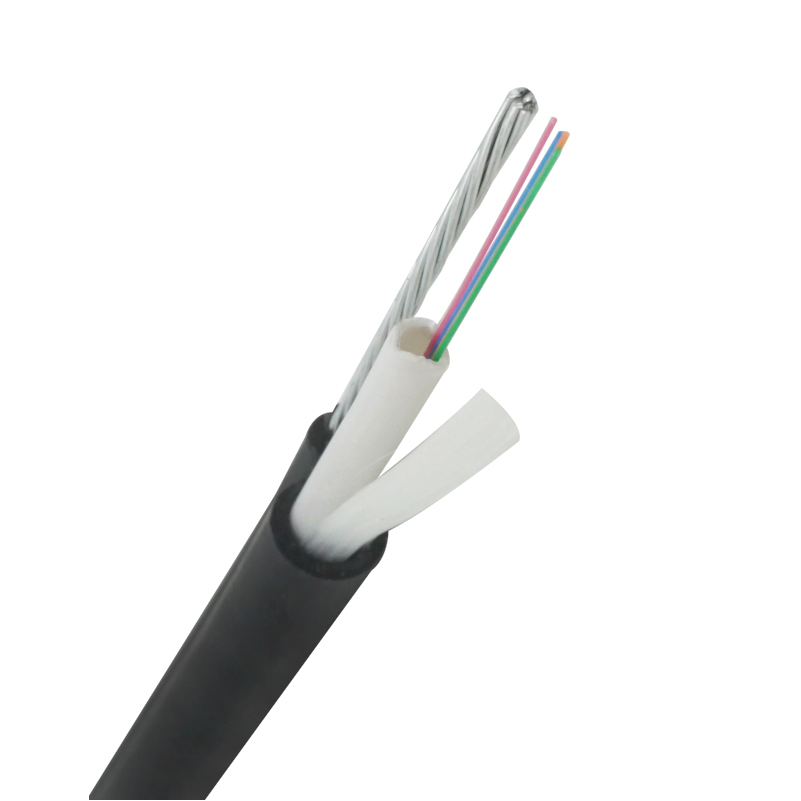
Outdoor fiber optic cable requires enhanced protection against moisture, UV radiation, temperature extremes, and mechanical damage. Many outdoor deployments use armored fiber optic cable with steel or aluminum tube reinforcement to resist rodent damage and crushing forces during ground installation. Aerial fiber optic cable must withstand wind loading and thermal stress, while submarine fiber optic cable incorporates multiple layers of steel and tar for ocean protection. The fiber optic cable you select for outdoor use depends on burial depth, climate zone, and expected mechanical stress during and after installation.
Specialty Fiber Optic Cable for High-Performance Applications
Tight-Buffer and Loose-Tube Fiber Optic Cable Construction
Tight-buffer fiber optic cable places protective layers directly around individual fibers, creating a robust, compact cable suitable for patch panels, equipment connections, and indoor routing. This fiber optic cable design minimizes bend radius, simplifies termination, and enables easier identification. Conversely, loose-tube fiber optic cable isolates individual fibers within protective tubes filled with gel, providing superior protection during temperature cycling and long-term storage. Loose-tube fiber optic cable performs exceptionally well for long-distance outdoor routes where environmental stress and thermal expansion demand added protection. Your choice between tight-buffer and loose-tube fiber optic cable depends on installation environment, expected lifespan, and maintenance requirements.
Breakout and Ribbon Fiber Optic Cable for Dense Deployment
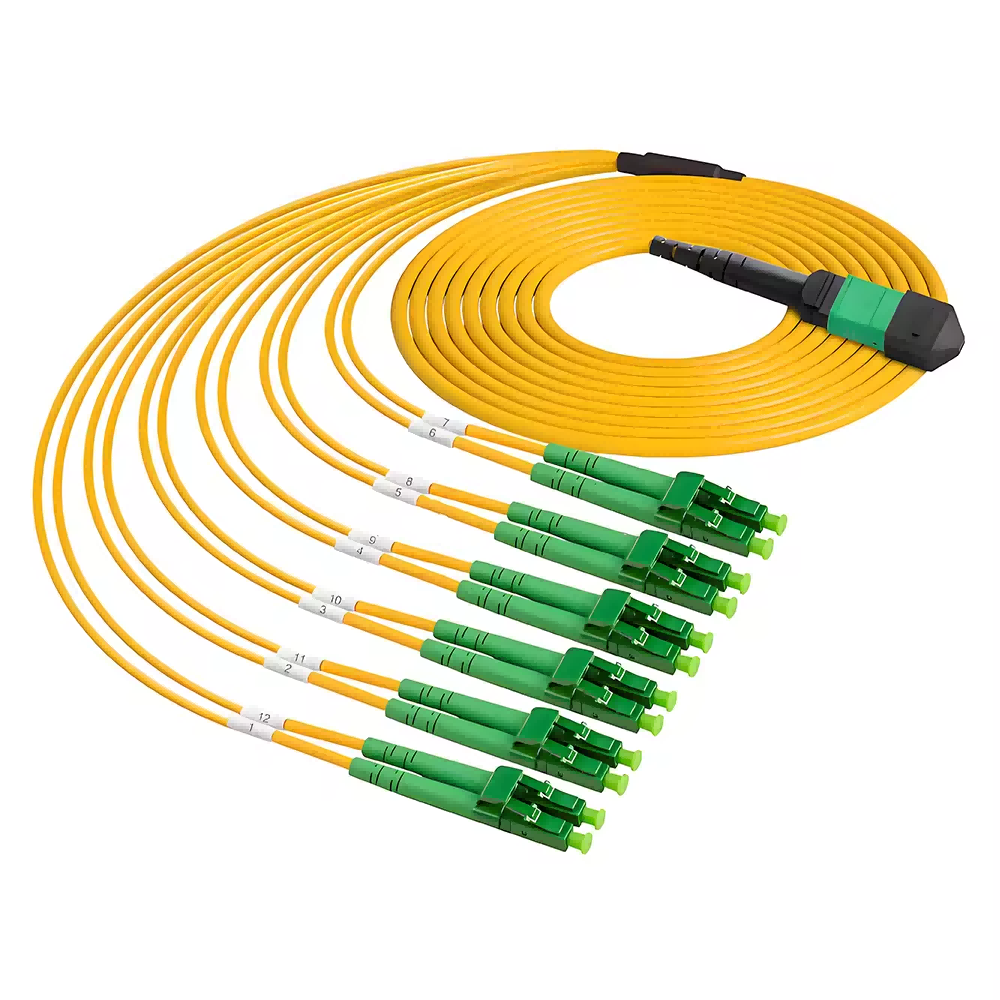
Ribbon fiber optic cable combines multiple individual fibers into a flat, tape-like structure, enabling mass fusion splicing and rapid deployment in high-fiber-count applications. This fiber optic cable type accelerates data center cabling and reduces labor costs when connecting multiple channels simultaneously. Breakout fiber optic cable combines a multi-fiber trunk with individual tight-buffer pigtails, allowing quick connections to standard ports without additional breakout boxes. When your installation involves fiber optic cable terminations at multiple endpoints with high fiber density, ribbon or breakout variants streamline the entire connection workflow and reduce installation time significantly.
Matching Fiber Optic Cable to Installation Context and Future Growth
Data Center Fiber Optic Cable Requirements
Modern data centers demand fiber optic cable that accommodates high-speed interconnects, supports virtualization, and enables future bandwidth expansion. Most data center environments deploy multimode fiber optic cable for intra-building connections and single-mode fiber optic cable for long-distance replication and backup links. The fiber optic cable routing infrastructure must support rapid reconfiguration, redundancy, and high-fiber-count pathways. Selecting the correct fiber optic cable grade and termination scheme in data centers determines upgrade flexibility, operational efficiency, and total cost of ownership over the facility lifecycle.
Enterprise Network and Campus Fiber Optic Cable Planning
Enterprise and campus installations typically blend multiple fiber optic cable types across different network tiers. Backbone pathways use single-mode fiber optic cable for distance and capacity, while fiber optic cable connecting buildings to user zones may employ multimode variants. The fiber optic cable infrastructure must scale with business growth, accommodate future technologies, and maintain reliable performance across diverse weather and temperature conditions. Planning fiber optic cable routes, conduit sizing, and termination standards during initial design prevents expensive rework and ensures networks remain serviceable for decades.
FAQ
What distance limits apply to different fiber optic cable types?
Single-mode fiber optic cable supports distances exceeding 100 kilometers with proper amplification, while multimode fiber optic cable is typically limited to 2 kilometers for standard wavelengths. The fiber optic cable distance capability depends on data rate, wavelength, and transceiver specifications. For distances between 2 and 10 kilometers, extended-range multimode fiber optic cable or single-mode fiber optic cable may be required. Always verify fiber optic cable distance ratings with your equipment vendor before finalizing installation designs.
How do I choose between indoor and outdoor fiber optic cable?
Indoor fiber optic cable meets fire codes but lacks weather protection, while outdoor fiber optic cable resists UV, moisture, and temperature extremes. If your route ever transitions from indoors to outside or passes through less-controlled spaces, outdoor-rated fiber optic cable provides superior longevity despite higher initial cost. Many installations use indoor fiber optic cable exclusively indoors and transition to outdoor fiber optic cable at building boundaries, creating a hybrid approach that balances cost and protection.
What role does fiber optic cable construction play in installation speed?
Tight-buffer fiber optic cable enables faster termination and patch panel installation because individual fibers are pre-organized and more rigid. Ribbon and breakout fiber optic cable variants accelerate mass termination through pre-arranged fiber groupings and integrated breakout structures. Loose-tube fiber optic cable requires more careful handling and longer splicing timeframes but offers superior environmental protection. Your fiber optic cable construction choice should align with your team's skill level, project timeline, and long-term maintenance expectations.