
 EN


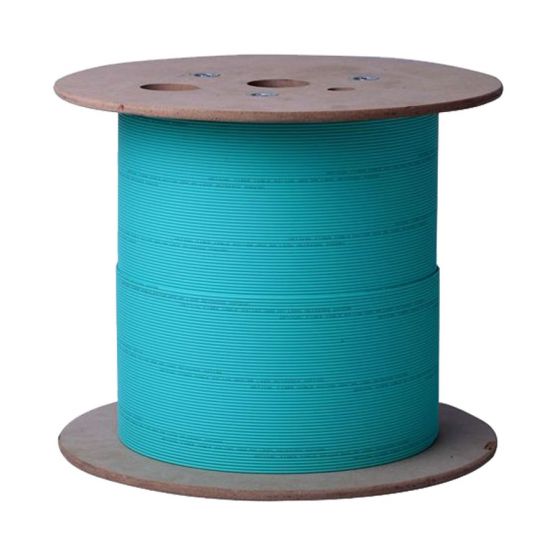
Selecting the right optical fiber cable for industrial network projects is a critical decision that affects system reliability, performance, and long-term operational costs. Industrial environments demand robust infrastructure capable of handling high-bandwidth data transmission while withstanding harsh conditions, electromagnetic interference, and temperature fluctuations. An inappropriate choice of optical fiber cable can lead to network failures, data loss, and costly downtime that impacts production schedules and business continuity.
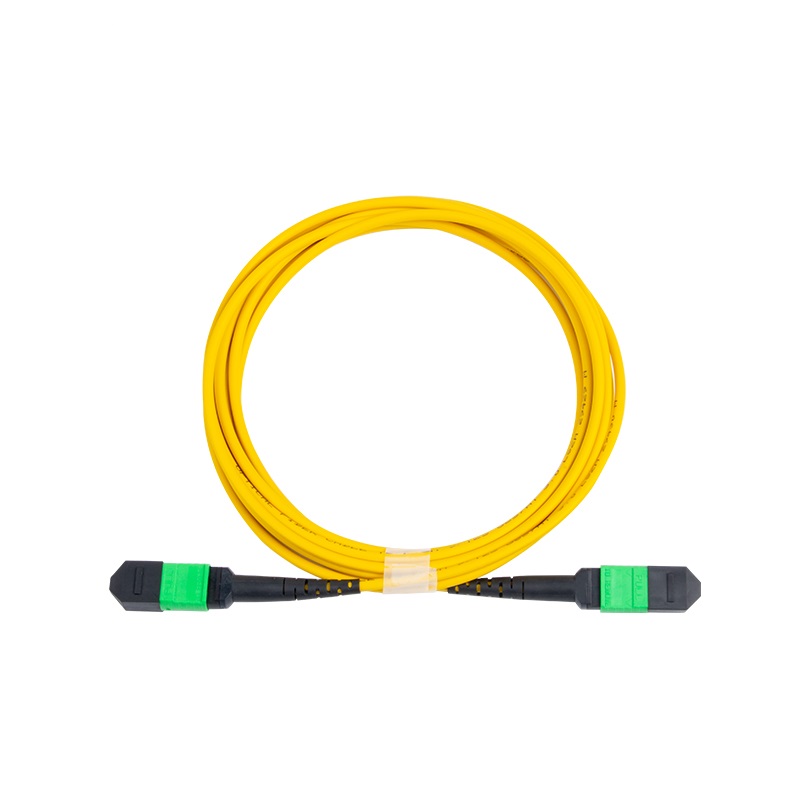
The process of matching an optical fiber cable to your specific project requires understanding multiple technical dimensions, including fiber type, connector configurations, bandwidth requirements, environmental tolerances, and installation constraints. This article guides you through the essential considerations that ensure your industrial network infrastructure remains dependable and future-proof.
Understanding Fiber Types for Industrial Applications
Single-Mode vs. Multi-Mode Fiber Selection
The foundation of choosing the right optical fiber cable begins with understanding the two primary fiber categories. Single-mode fiber features a smaller core diameter, typically 8 to 10 micrometers, allowing only one light path to travel through the cable. This design enables single-mode optical fiber cable to transmit data over longer distances with minimal signal degradation, making it ideal for industrial networks spanning multiple facility buildings or expansive manufacturing complexes. Multi-mode fiber contains a larger core, approximately 50 or 62.5 micrometers, permitting multiple light paths simultaneously, which limits transmission distance but reduces equipment costs and eases installation procedures.
For industrial environments, single-mode optical fiber cable generally provides superior performance when distance exceeds 300 meters or when future bandwidth scaling matters. Multi-mode optical fiber cable remains more cost-effective for shorter distances and established systems where rapid deployment takes priority over maximum range capabilities. Industrial projects frequently leverage OS2 single-mode optical fiber cable for backbone connectivity between control rooms and production floors, while OM3 or OM4 multi-mode optical fiber cable serves departmental networks where shorter spans dominate the infrastructure design.
Core Diameter and Sheath Material Considerations
Beyond fiber mode selection, the jacket material and sheath composition of your optical fiber cable directly influence durability in industrial settings. Outdoor plant (OP) rated optical fiber cable resists ultraviolet radiation and extreme weather when routed externally between buildings. Tight-buffered optical fiber cable construction consolidates individual fiber protection, reducing the cable's outer diameter and making it suitable for tight conduit spaces common in factory floors. Loose-tube optical fiber cable design provides superior crush resistance and accommodates thermal expansion better, which benefits installations in areas experiencing temperature swings from processing equipment or outdoor exposure.
Selecting the appropriate optical fiber cable sheath material also considers flame rating requirements. Plenum-rated optical fiber cable (OFNP) meets strict fire safety codes for installations in air-handling plenums or elevated cable trays above work areas, whereas riser-rated optical fiber cable (OFNR) serves general vertical runs between floors. Industrial manufacturing facilities often demand OFNP-grade optical fiber cable to ensure compliance with building codes and insurance requirements while maintaining superior fire safety performance.
Connector Types and High-Density Requirements
MPO and MTP Connectivity Standards
Modern industrial network projects increasingly adopt high-density connector solutions to maximize cable tray space and reduce installation footprint. MPO (Multi-fiber Push-On) and MTP (Media Termination Point) connectors integrated into bulk optical fiber cable assemblies enable single-cord deployment of 12, 24, or even 48 individual fiber connections. This high-density optical fiber cable approach dramatically simplifies network architecture, reduces connector count in patch panels, and accelerates deployment timelines when connecting data centers to remote production monitoring systems or linking industrial IoT sensor networks across facility campuses.
When evaluating optical fiber cable with MPO terminations for industrial use, consider both male and female connector pin configurations and polarity standards. Standard polarity MPO optical fiber cable assemblies work seamlessly with existing infrastructure, while reverse polarity configurations require careful planning to avoid cross-connects that degrade signal quality. High-count optical fiber cable using Type A or Type B polarity arrangements must align with your existing switch fabric designs to ensure seamless integration and future scalability without costly system redesign.
LC, SC, and ST Adapter Integration
Traditional connector styles remain prevalent in established industrial environments where legacy equipment and existing panel configurations dictate connectivity standards. An optical fiber cable terminated with LC connectors provides compact spacing suitable for dense equipment bays, while SC or ST terminated optical fiber cable accommodates older switching platforms and test equipment common in manufacturing facilities. The choice between these traditional optical fiber cable connector types depends heavily on your existing infrastructure, equipment purchase cycles, and long-term technology roadmap rather than pure technical performance considerations.
Hybrid optical fiber cable solutions that combine traditional connectors with breakout patchcords offer flexibility when connecting legacy industrial control systems to modern network backbones. Selecting optical fiber cable connectors that match your immediate equipment needs while planning for future transitions ensures smooth upgrades and prevents costly infrastructure stranding when technology refresh cycles arrive.
Environmental Conditions and Cable Rating Selection
Temperature Range and Operational Extremes
Industrial environments rarely maintain stable climate conditions that benefit typical office network installations. Manufacturing facilities generate intense heat from processing equipment, while outdoor cable runs experience freezing temperatures and thermal cycling that stress optical fiber cable components. Standard optical fiber cable rated for 0°C to 50°C operating temperatures proves inadequate for many industrial scenarios, particularly when installed near furnaces, ovens, refrigeration systems, or outdoor exposure during seasonal weather changes.
Selecting optical fiber cable engineered for expanded temperature ranges, typically minus 40°C to plus 85°C or beyond, ensures signal integrity and connector reliability throughout seasonal cycles and equipment proximity stress. Extended-range optical fiber cable uses specialty jacket compounds and buffer materials that maintain flexibility and protective properties across extreme thermal variations. Industrial projects in food processing, automotive manufacturing, or outdoor utility applications absolutely require this premium-rated optical fiber cable to avoid premature failure, signal loss, and emergency replacement costs that disrupt production schedules.
Moisture, Chemical, and Mechanical Resilience
Beyond temperature extremes, optical fiber cable installations in industrial facilities encounter moisture, chemical vapors, and mechanical stress that degrade standard commercial-grade products. Aqueous environments like food processing plants, pharmaceutical manufacturing, or maritime facilities demand optical fiber cable with moisture barriers and hydrophobic buffer tubes that prevent water ingress that causes signal attenuation and connector corrosion. Chemical-resistant optical fiber cable jacket compounds withstand oils, solvents, and industrial cleaners used in manufacturing operations, preventing degradation of protective sheaths and extended service life.
Crush-resistant optical fiber cable designs incorporating armoring or protective spirals prove essential in facilities where heavy equipment traffic crosses cable runs or where installation involves conduit sharing with mechanical systems. Selecting appropriately rated optical fiber cable for your specific industrial environment eliminates premature failures that compromise network availability and create emergency service calls during production shutdowns when costs escalate dramatically.
FAQ
How do I determine whether single-mode or multi-mode optical fiber cable suits my industrial project?
Evaluate the total distance your optical fiber cable must span between network endpoints. Single-mode optical fiber cable excels beyond 300 meters or when your industrial facility plan indicates future distance expansion. Multi-mode optical fiber cable remains economical for runs under 300 meters where cost considerations outweigh distance advantages. Consider also your equipment's transmitter and receiver capabilities, as some industrial controllers natively support only specific fiber modes, making optical fiber cable selection dependent on equipment compatibility rather than pure distance calculations.
What environmental ratings does industrial optical fiber cable require for outdoor installations?
Outdoor industrial optical fiber cable must include UV-resistant jackets, moisture barriers, and expanded operating temperature specifications covering local seasonal extremes. Verify that your chosen optical fiber cable carries applicable certifications for your region, such as European CE marking or equivalent standards. Most industrial outdoor optical fiber cable installations benefit from OFNP rating and loose-tube construction that accommodates thermal expansion and provides superior crush resistance compared to tight-buffered alternatives designed primarily for indoor deployment.
Can I use standard commercial optical fiber cable in manufacturing environments with temperature and chemical exposure?
Standard commercial-grade optical fiber cable typically fails prematurely in demanding industrial settings with extreme temperatures, moisture, or chemical exposure. Industrial-rated optical fiber cable uses specialized materials and construction methods that withstand harsh conditions, preventing signal degradation and connector corrosion that compromises network reliability. Investing in properly rated optical fiber cable from the project's inception costs less than emergency replacements and unplanned downtime during production cycles when network failures occur.
Table of Contents
- Understanding Fiber Types for Industrial Applications
- Connector Types and High-Density Requirements
- Environmental Conditions and Cable Rating Selection
-
FAQ
- How do I determine whether single-mode or multi-mode optical fiber cable suits my industrial project?
- What environmental ratings does industrial optical fiber cable require for outdoor installations?
- Can I use standard commercial optical fiber cable in manufacturing environments with temperature and chemical exposure?