
 EN



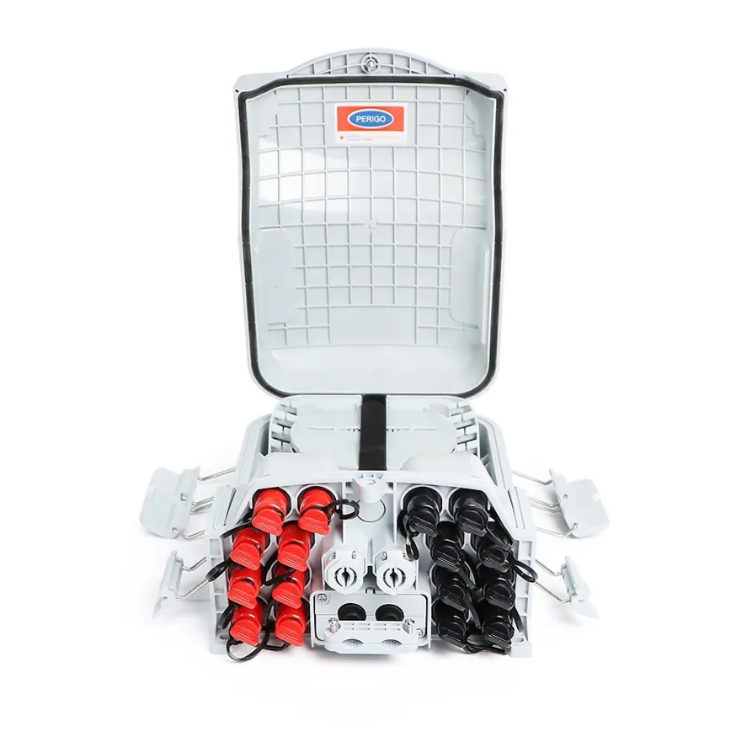
In modern telecommunications and data center environments, managing fiber optic cables efficiently is critical to maintaining network performance and operational reliability. A fiber optic terminal box serves as the central hub for organizing, protecting, and terminating optical cables, making it an indispensable component of any structured cabling infrastructure. By consolidating cable connections in a single, organized unit, a fiber optic terminal box eliminates the chaos of tangled fiber runs, reduces installation errors, and streamlines maintenance workflows. This organized approach directly translates into lower operational costs, faster troubleshooting, and enhanced network uptime—benefits that resonate strongly across enterprises, telecommunications providers, and data center operators.
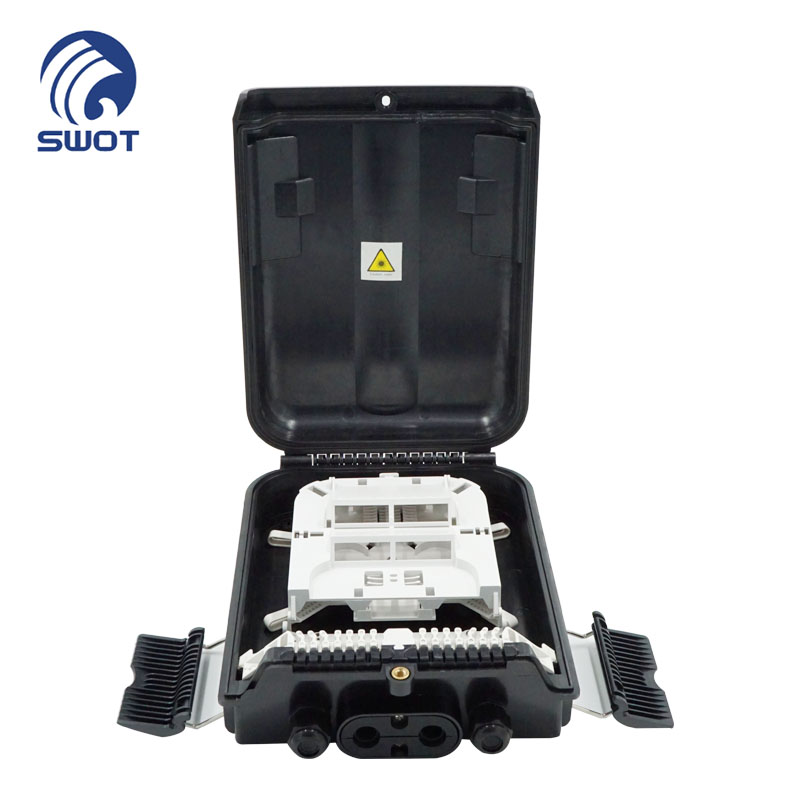
The strategic deployment of a fiber optic terminal box within your network architecture transforms cable management from a reactive headache into a proactive, structured discipline. Rather than allowing fiber runs to scatter across conduits, racks, and wall-mounted paths, a properly configured fiber optic terminal box consolidates all termination points, splice locations, and connection interfaces into a single, controlled environment. This centralization enables network teams to document cable paths, label connections systematically, and implement consistent standards across the entire infrastructure. The result is a more resilient, scalable, and maintainable network that adapts easily to growth and technological evolution.
Understanding the Role of Fiber Optic Terminal Box in Modern Networks
Core Functions and Design Philosophy
A fiber optic terminal box is engineered to perform multiple critical functions within fiber optic networks. At its foundation, the fiber optic terminal box houses fiber splice points, connector panels, and cable slack management, all within a compact, protected enclosure. The design philosophy centers on providing safe, organized space for optical connections while minimizing signal loss, protecting fibers from environmental damage, and enabling rapid, safe access for maintenance personnel. Modern fiber optic terminal box units typically include internal routing guides, strain relief mechanisms, and pre-installed splice trays that facilitate rapid deployment while maintaining industry-standard bend radius protection. These features collectively ensure that each fiber within the fiber optic terminal box experiences minimal stress, resulting in superior signal integrity and extended component lifespan.
Integration with Broader Infrastructure
The fiber optic terminal box functions as a critical integration point between external fiber runs and internal network distribution systems. Within data centers, the fiber optic terminal box typically connects incoming service provider cables to backbone infrastructure, patch panels, and active equipment. In outdoor environments, a weatherproof fiber optic terminal box serves as the demarcation point between field-installed fiber and protected indoor cabling. This integration role means that the fiber optic terminal box design directly influences how efficiently an entire network can scale, adapt, and recover from faults. By centralizing this integration function, organizations eliminate the need for scattered connection points, each introducing potential signal degradation, maintenance complexity, and security vulnerabilities.
Key Cable Management Benefits of Fiber Optic Terminal Box
Organization, Documentation, and Scalability
Implementing a fiber optic terminal box creates an organized, documented cable infrastructure that grows seamlessly with business demands. Every fiber connection within the fiber optic terminal box can be systematically labeled, mapped, and recorded in network management systems, enabling technicians to locate specific circuits in seconds rather than hours. This organizational discipline directly reduces troubleshooting time during network incidents, accelerates provisioning of new services, and minimizes the risk of accidentally disconnecting critical circuits during maintenance work. A well-managed fiber optic terminal box becomes a visual representation of network topology, allowing teams to identify capacity constraints, plan upgrades, and make informed decisions about bandwidth allocation and service expansion. The clarity provided by a properly configured fiber optic terminal box transforms cable management from a frustrating chore into a strategic asset that supports business agility.
Downtime Reduction and Reliability Improvement
Disorganized fiber cables create excessive downtime risk because technicians struggle to identify affected circuits, accidentally damage unrelated cables during work, and lack clear documentation of system state. A fiber optic terminal box eliminates these risks by providing a controlled environment where every connection is visible, protected, and labeled. When network issues occur, teams can rapidly isolate problems, verify which circuits are affected, and execute repairs without collateral damage. Furthermore, the fiber optic terminal box design typically includes redundancy features, failover routing options, and bypass mechanisms that enable partial system recovery even during major maintenance windows. These reliability improvements directly translate into reduced revenue impact from network outages, lower customer dissatisfaction, and reduced operational stress on network teams. Organizations that deploy fiber optic terminal box systems report substantial improvements in mean time to repair and mean time between failures.
Practical Implementation Strategies for Fiber Optic Terminal Box Deployment
Site Assessment and Capacity Planning
Successful fiber optic terminal box deployment begins with thorough site assessment and capacity planning. Organizations must evaluate current fiber runs, project future growth, analyze environmental conditions at proposed installation sites, and determine appropriate fiber optic terminal box capacity and specifications. This assessment should account for immediate connectivity needs plus at least three to five years of anticipated growth, ensuring that the fiber optic terminal box selected can accommodate additional cables, splices, and connections without costly relocations or secondary equipment. Environmental factors matter significantly—outdoor installations require weatherproof fiber optic terminal box units with temperature and humidity controls, while indoor data center deployments may prioritize compact footprint and thermal management. By investing time in thorough pre-deployment planning, organizations ensure that their fiber optic terminal box becomes a long-term asset rather than a temporary solution requiring replacement.
Installation, Training, and Ongoing Management
Installing a fiber optic terminal box requires skilled technicians trained in proper fiber handling, splice techniques, and safety protocols specific to optical installations. During deployment, teams must carefully route each fiber through the fiber optic terminal box while respecting bend radius requirements, creating adequate slack for future moves and changes, and maintaining comprehensive documentation of every connection. After installation, staff must receive training on fiber optic terminal box access procedures, cable identification systems, and emergency protocols for network failures. Ongoing management involves periodic audits of the fiber optic terminal box configuration, validation of physical security measures, and updates to documentation as circuits are added, moved, or retired. Organizations that treat fiber optic terminal box management as an ongoing discipline, rather than a one-time installation task, consistently achieve superior outcomes in network reliability and operational efficiency. Establishing clear ownership, documented procedures, and regular training schedules ensures that the fiber optic terminal box continues delivering value throughout its operational lifecycle.
FAQ
What distinguishes a fiber optic terminal box from standard cable management solutions?
A fiber optic terminal box is specifically engineered for optical fiber connections, incorporating features like precise bend radius protection, splice tray integration, and connector panel organization that standard cable management systems lack. Unlike generic cable trays or racks, a fiber optic terminal box provides dedicated space for fiber splices, maintains proper cable slack, and includes documentation systems optimized for optical networks. These specialized features ensure that a fiber optic terminal box protects signal integrity while delivering the organizational benefits that generic solutions cannot match.
How does a fiber optic terminal box reduce network maintenance costs?
By organizing all fiber connections in a single, documented location, a fiber optic terminal box dramatically reduces the time required to locate circuits, identify faults, and execute repairs. This efficiency translates directly into lower labor costs, reduced tool and equipment expenses, and faster service restoration. Additionally, the protective design of a fiber optic terminal box minimizes accidental fiber damage during maintenance work, eliminating expensive replacement costs and reducing unplanned downtime that disrupts business operations and generates costly emergency response expenses.
Can a fiber optic terminal box support future network expansion?
Yes, when properly sized during initial deployment, a fiber optic terminal box is designed to accommodate growth without requiring replacement. By selecting a unit with capacity that exceeds current needs by at least three to five years, organizations create room for additional splice points, new cable entries, and expanded connections. This forward-thinking approach ensures that the fiber optic terminal box investment supports business growth and technological evolution, making it a cost-effective, long-term solution for expanding network infrastructure.