
 EN



Selecting the right fiber optic terminal box is critical for the success of any fiber-to-the-home (FTTH) project. The fiber optic terminal box serves as the central distribution point where fiber cables are organized, protected, and connected to customer premises. Choosing the wrong terminal box can lead to signal degradation, installation delays, maintenance difficulties, and higher long-term operational costs. This decision affects not only initial deployment efficiency but also network reliability and customer satisfaction throughout the lifecycle of your FTTH infrastructure.
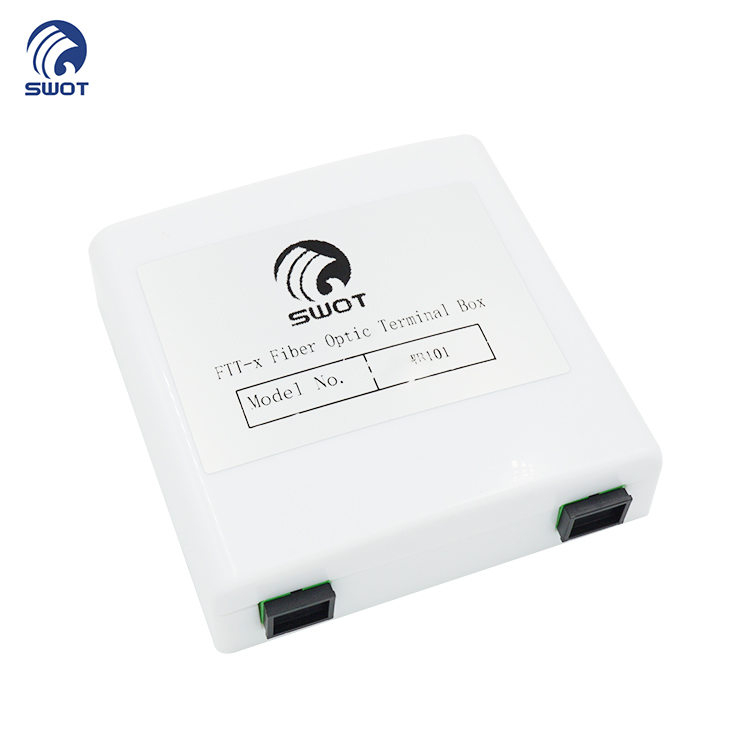
Understanding which fiber optic terminal box meets your specific project requirements involves evaluating multiple factors including capacity, environmental protection, installation flexibility, and operational efficiency. The market offers various terminal box designs, each optimized for different deployment scenarios, climate conditions, and network architectures. A fiber optic terminal box that excels in one regional market or climate zone may not perform equally well in another environment or under different usage patterns. This comprehensive guide examines the essential characteristics that define superior fiber optic terminal box performance for FTTH applications.
Understanding Fiber Optic Terminal Box Requirements for FTTH
Core Design and Capacity Factors
A fiber optic terminal box must accommodate the specific fiber counts and connector types your FTTH network demands. Indoor fiber optic terminal box models typically support configurations ranging from 12 to 288 fiber ports, depending on network scale and growth projections. The fiber optic terminal box you select should include sufficient spare capacity for future network expansion without requiring complete replacement. Modular fiber optic terminal box designs allow operators to add adapter plates and increase port density as subscriber density increases. Cable bend radius protection within the fiber optic terminal box prevents optical signal loss and maintains performance specifications throughout the terminal box lifespan.
Environmental Protection and Durability
The housing material and sealing design of your fiber optic terminal box directly impact outdoor performance and maintenance requirements. An outdoor-rated fiber optic terminal box must resist UV radiation, temperature fluctuations, moisture ingress, and corrosive atmospheric conditions depending on geographical deployment. Wall-mounted fiber optic terminal box installations benefit from weatherproof gaskets, stainless steel hardware, and drain provisions that prevent water accumulation. Interior-mounted fiber optic terminal box units in controlled environments prioritize cable management density and accessibility over extreme weather resistance. Selecting a fiber optic terminal box with appropriate environmental ratings for your specific deployment location reduces premature failure rates and extends operational reliability.
Installation and Operational Efficiency Considerations
Accessibility and Cable Management
Superior fiber optic terminal box design prioritizes technician access for both initial installation and ongoing maintenance. A well-designed fiber optic terminal box provides clear separation between incoming network cables, distribution cables, and customer drop cables to minimize troubleshooting time. Fiber optic terminal box models with swing-out adapter plate designs allow technicians to work on one section while other connections remain operational. Proper labeling provisions and cable routing channels within a fiber optic terminal box prevent accidental fiber damage during service calls. The physical layout of your fiber optic terminal box directly affects mean time to repair (MTTR) when network issues arise, influencing customer satisfaction and operational expenses.
Connector Compatibility and Standardization
Your fiber optic terminal box should standardize on connector types that align with your broader network architecture and technician training programs. SC/APC connectors in a fiber optic terminal box provide excellent return loss and durability for FTTH deployments, while LC connectors offer higher density packaging in smaller footprints. A fiber optic terminal box with mixed connector support capabilities creates training complexity and increases the likelihood of installation errors. Standardizing on one connector type across all fiber optic terminal box units simplifies inventory management, staff training, and emergency spare parts provisioning. Selecting a fiber optic terminal box with industry-standard connector interfaces ensures compatibility with future network upgrades and vendor flexibility.
Performance Metrics and Long-Term Reliability Selection
Signal Integrity and Attenuation Management
The internal design of a fiber optic terminal box directly influences optical signal quality at each connection point. Superior fiber optic terminal box construction minimizes back-reflection and insertion loss through precision-engineered adapter positions and optical-grade materials. A fiber optic terminal box that maintains consistent temperature and humidity levels prevents connector contamination and reduces signal degradation over time. Test results for your chosen fiber optic terminal box should demonstrate return loss better than -50 dB and insertion loss under 0.3 dB per connection. Long-term reliability data for your selected fiber optic terminal box model helps predict maintenance frequency and replacement cycles across your FTTH network footprint.
Future-Proofing and Scalability
Enterprise-grade fiber optic terminal box solutions incorporate design flexibility to accommodate network evolution without requiring wholesale replacement. Your fiber optic terminal box investment should support technology transitions from GPON to XG-PON architecture without physical replacement. A fiber optic terminal box with modular internal components allows technicians to upgrade capacity, add new services, or reconfigure layouts without expensive truck rolls. Selecting a fiber optic terminal box from manufacturers with strong track records of hardware support ensures continued availability of replacement components and accessory items. The total cost of ownership for a fiber optic terminal box extends well beyond the initial purchase price when factoring in installation efficiency, maintenance requirements, and replacement cycles.
FAQ
What specifications should I prioritize when comparing fiber optic terminal box models?
Start by evaluating the fiber optic terminal box capacity relative to your subscriber projections, environmental protection rating for your climate zone, connector type standardization, and ease of technician access. Verify that the fiber optic terminal box supports your specific fiber core count and includes adequate spare ports for growth. Request detailed insertion loss and return loss measurements for the fiber optic terminal box model. Compare installation support, training resources, and spare parts availability among vendors. A comprehensive fiber optic terminal box evaluation considers total cost of ownership over a 10-year deployment period rather than focusing only on purchase price.
Can a fiber optic terminal box be upgraded or expanded once installed?
Most modern fiber optic terminal box designs include modular architecture that permits capacity upgrades without complete replacement. Your fiber optic terminal box may support additional adapter plate installation to increase port count if the housing has physical space. However, some fiber optic terminal box models limit expandability based on environmental sealing or structural constraints. Before purchasing, verify whether your chosen fiber optic terminal box permits field upgrades and what additional costs apply. Planning fiber optic terminal box installations with 30-40 percent spare capacity reduces the necessity for expansion projects during the initial deployment period.
How does fiber optic terminal box placement affect FTTH network performance?
Fiber optic terminal box location influences signal propagation distances, splice loss accumulation, and maintenance accessibility for your FTTH network. A centrally positioned fiber optic terminal box reduces individual drop cable lengths and minimizes total optical loss across customer connections. Placing your fiber optic terminal box in protected locations away from extreme temperature and humidity swings extends operational reliability. The fiber optic terminal box should sit within practical cable routing distance from the primary fiber backbone to avoid excessive splicing and signal degradation. Strategic fiber optic terminal box placement planning during network design phases significantly impacts both initial installation costs and long-term operational efficiency metrics.