
 EN



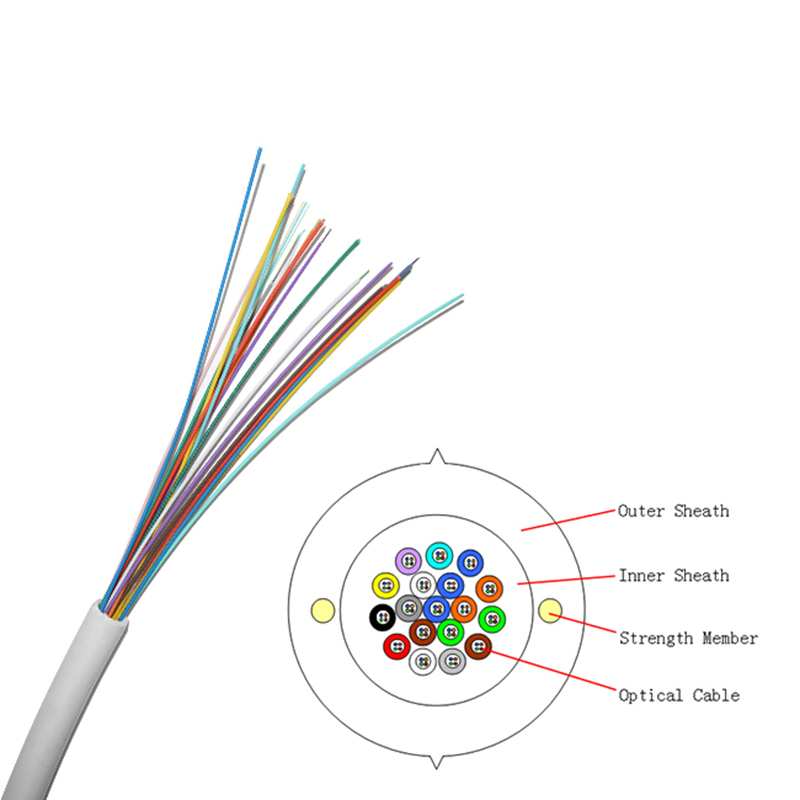
Modern telecommunications networks depend on reliable infrastructure that minimizes downtime and simplifies ongoing maintenance. A fiber optic terminal box serves as a critical hub in optical networks, providing a centralized point for managing, organizing, and protecting fiber optic connections. Understanding how a fiber optic terminal box streamlines maintenance operations can help network administrators and facility managers make informed decisions about infrastructure investments and operational procedures.
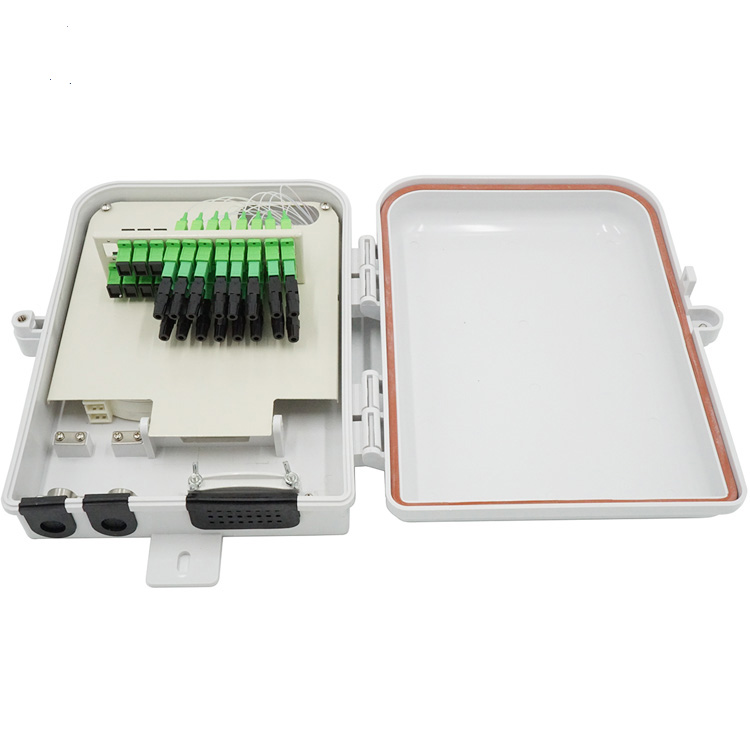
A fiber optic terminal box represents a fundamental advancement in network infrastructure design, offering tangible benefits that extend far beyond basic cable management. By consolidating fiber connections, protection mechanisms, and testing access points into a single organized unit, a fiber optic terminal box reduces the complexity that technicians face during routine maintenance, troubleshooting, and network upgrades. This centralized approach directly translates into faster response times, lower operational costs, and improved network reliability across telecommunications systems.
Centralized Connection Management and Organization
How a Fiber Optic Terminal Box Organizes Connections
The primary function of a fiber optic terminal box is to provide a structured environment for fiber optic cable organization and termination. Inside a fiber optic terminal box, incoming fiber cables are carefully routed, spliced, and terminated using industry-standard components such as fusion splice trays, connector panels, and distribution frames. This organized layout allows maintenance personnel to quickly locate specific fiber connections without having to trace cables through conduits or navigate complex cable runs. When a fiber optic terminal box follows proper labeling and color-coding standards, technicians can identify circuits in seconds rather than spending hours tracing connections, significantly reducing mean time to repair.
Reducing Physical Cable Damage and Environmental Stress
Inside a fiber optic terminal box, fiber cables are protected from environmental hazards, mechanical stress, and accidental damage that commonly occurs in exposed installations. The protective enclosure of a fiber optic terminal box shields delicate fiber optic strands from dust, moisture, temperature fluctuations, and physical impact. By housing all connections within a controlled environment, a fiber optic terminal box extends fiber lifespan, reduces signal degradation from microbending, and minimizes the need for unexpected maintenance interventions. This protective function directly improves network uptime and reliability while reducing the total cost of ownership over the system's operational life.
Accelerated Troubleshooting and Testing Access
Simplified Diagnostic Capabilities Within a Fiber Optic Terminal Box
When network problems occur, technicians need rapid access to fiber connections for testing and diagnostics. A fiber optic terminal box provides dedicated test points and access ports that allow technicians to measure signal strength, detect faults, and verify network performance without disrupting active connections. Modern designs of a fiber optic terminal box include built-in test couplers, monitoring ports, and organized splice trays that facilitate optical time-domain reflectometer testing and power meter measurements. This immediate diagnostic capability transforms troubleshooting from a time-consuming process into a straightforward procedure, enabling faster problem identification and resolution.
Minimizing Network Downtime During Maintenance Operations
The structured design of a fiber optic terminal box allows maintenance teams to perform repairs and upgrades with minimal disruption to active traffic. Because all connections are organized and accessible within a single unit, technicians can isolate affected fibers, test repairs, and restore service faster than in traditional distributed installations. A fiber optic terminal box also facilitates hot-swapping of damaged jumper cables and quick rerouting of traffic to backup paths. These capabilities directly reduce mean time to repair and mean time to recovery, translating into reduced customer impact and improved service level agreement compliance across critical telecommunications networks.
Scalability and Future Network Expansion
Supporting Growth Without Complete Infrastructure Overhaul
Network demands continuously increase as organizations expand their operations and service offerings. A fiber optic terminal box is engineered to accommodate capacity growth without requiring expensive and time-consuming infrastructure replacement. Modular designs of a fiber optic terminal box allow additional splice trays, connector panels, and distribution modules to be added as network capacity requirements increase. This scalability means that existing fiber optic terminal box installations can grow with organizational needs, protecting capital investments and simplifying long-term infrastructure planning. Rather than replacing entire systems, operators can enhance a fiber optic terminal box with additional modules, reducing upgrade costs and minimizing service interruptions.
Standardized Installation Procedures and Knowledge Transfer
Standardized design of a fiber optic terminal box creates consistency across network installations, making it easier to train new technicians and transfer knowledge across teams. When all installations follow the same organizational principles and use the same type of fiber optic terminal box, staff members can quickly understand any installation without extensive site-specific training. This standardization reduces human error, accelerates onboarding of new team members, and facilitates knowledge sharing across organizations. A fiber optic terminal box that follows industry standards ensures that maintenance procedures, documentation, and troubleshooting approaches remain consistent regardless of location or installation date.
FAQ
What types of connections can be managed inside a fiber optic terminal box?
A fiber optic terminal box can accommodate various connection types, including single-mode and multi-mode fiber optic cables, fusion splices, mechanical splices, and standard optical connectors such as LC, SC, and ST formats. The fiber optic terminal box design allows for mixing different connection technologies based on specific network requirements. Most implementations of a fiber optic terminal box organize these connections into separate panels or trays to maintain clarity and prevent cross-connection errors.
How does a fiber optic terminal box improve network security and reliability?
A fiber optic terminal box provides physical protection for fiber connections, reducing the risk of accidental damage or unauthorized access to critical network infrastructure. The enclosed design of a fiber optic terminal box protects against environmental contamination and signal interference while maintaining organized documentation of all connections. Additionally, a fiber optic terminal box facilitates easier implementation of backup circuits and redundant paths, enabling rapid failover during network events or maintenance operations.
What maintenance procedures are required for a fiber optic terminal box?
Regular maintenance of a fiber optic terminal box includes periodic cleaning of connector faces using approved fiber optic cleaning supplies, verification of splice integrity, testing of fiber continuity, and documentation updates. A fiber optic terminal box should be inspected quarterly for signs of moisture ingress, corrosion, or physical damage to the enclosure. Proper labeling and documentation of all connections within a fiber optic terminal box must be maintained and updated whenever network changes occur to support long-term operational efficiency.