
 EN



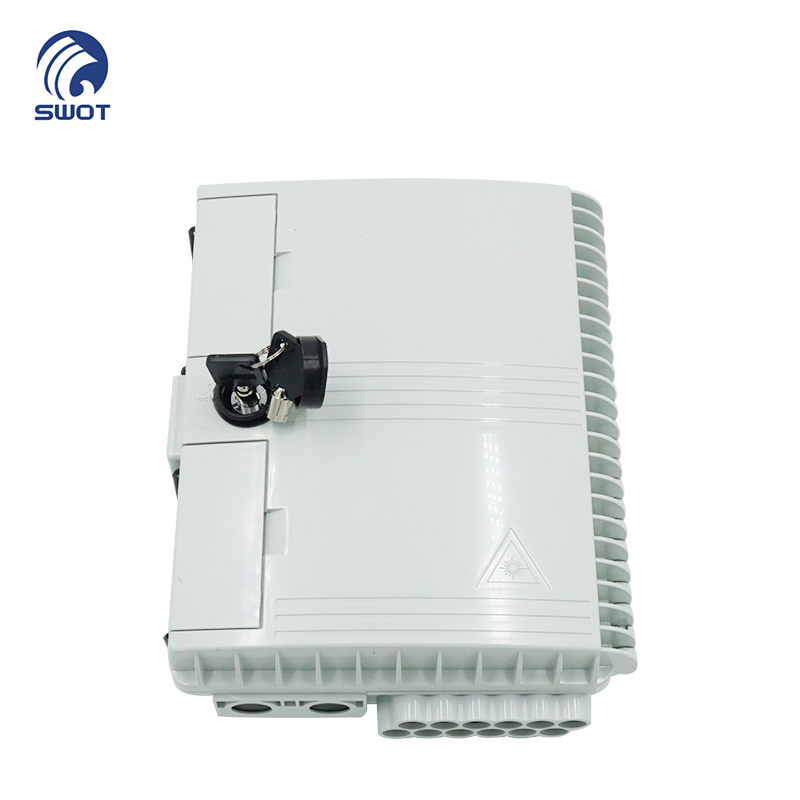
The fiber optic terminal box stands as a critical infrastructure component in modern telecommunications networks, yet many organizations underestimate its role in long-term system reliability. A fiber optic terminal box serves as the central junction where optical fibers are organized, protected, and managed before distribution to end-users or secondary network segments. Understanding what makes a fiber optic terminal box reliable over years of continuous operation requires examining material composition, environmental protection, organizational design, and maintenance accessibility. Organizations that prioritize quality fiber optic terminal box selection and deployment experience significantly fewer network interruptions, reduced fiber damage incidents, and lower total cost of ownership across their optical infrastructure.
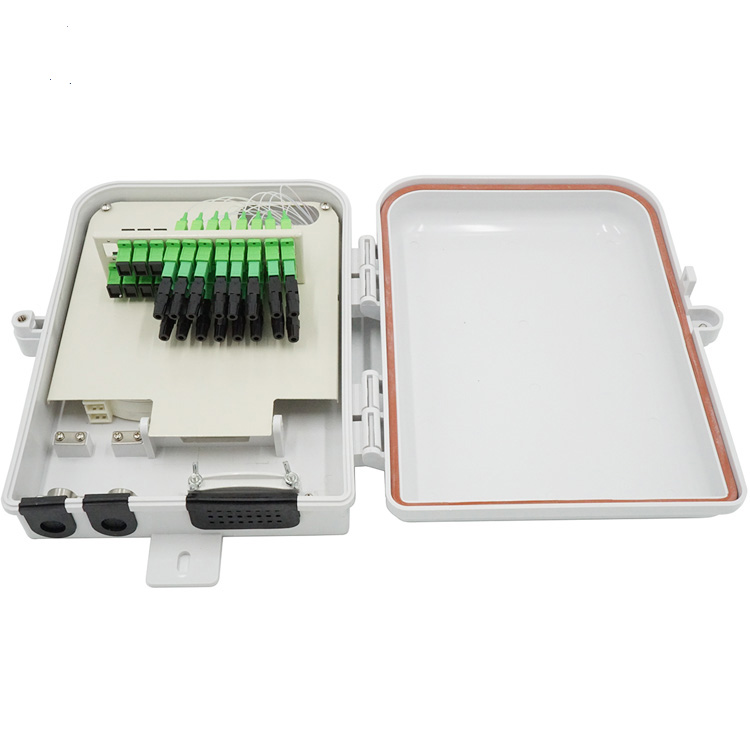
The reliability of a fiber optic terminal box depends on multiple integrated factors working together to maintain signal integrity and protect delicate optical components from environmental threats. From industrial environments experiencing temperature fluctuations to outdoor installations exposed to moisture and UV radiation, the fiber optic terminal box must withstand diverse conditions while maintaining precise fiber alignment and minimal signal loss. This comprehensive guide explores the technical foundations, design considerations, and performance standards that distinguish truly reliable fiber optic terminal box solutions from those prone to premature failure.
Material Quality and Construction Standards
Durable Housing and Environmental Sealing
The housing material of a fiber optic terminal box fundamentally determines its ability to resist environmental degradation and mechanical stress over extended deployment periods. High-quality fiber optic terminal box designs utilize reinforced engineering polymers, powder-coated steel, or aluminum alloys that resist corrosion, UV damage, and temperature-induced expansion and contraction. Environmental sealing around cable entry points, connector interfaces, and internal compartments prevents moisture infiltration that causes signal degradation, connector oxidation, and catastrophic fiber damage within the fiber optic terminal box. Gasket materials must remain flexible and effective across the full operating temperature range specified for the fiber optic terminal box, typically from minus 40 degrees Celsius to plus 65 degrees Celsius in industrial applications.
Internal Component Protection
The interior of a reliable fiber optic terminal box features compartmented design that isolates splices, connectors, and cable management elements from direct environmental exposure while enabling organized maintenance access. Foam padding, cable guides, and strain relief mechanisms within the fiber optic terminal box prevent excessive fiber bending that accumulates microbending losses and reduces the effective lifespan of optical signals. Compartmentalization also allows technicians to service individual circuit connections within the fiber optic terminal box without disrupting other active connections, a critical feature for networks requiring continuous uptime. The fiber optic terminal box interior layout should accommodate rapid identification and tracing of specific fibers, reducing troubleshooting time and minimizing accidental damage during maintenance activities.
Connector Interface Reliability and Splice Management
Connector Design and Dust Prevention
The connector ports on a fiber optic terminal box represent vulnerability points where dust, moisture, and mechanical debris can degrade optical performance through contamination of connector ferrules. Reliable fiber optic terminal box designs incorporate rubber dust caps, sliding shutter mechanisms, or integrated protective covers that maintain connector cleanliness between installations and service activities. The fiber optic terminal box connector interface must support industry-standard LC, SC, or ST connections while maintaining consistent ferrule alignment and minimal return loss across thousands of connection and disconnection cycles. Spring-loaded connector cartridges within the fiber optic terminal box ensure consistent pressure and positioning, preventing signal fluctuations caused by loose or poorly seated connections that plague lower-quality installations.
Splice Organization and Fiber Management
Splice management inside a fiber optic terminal box directly impacts long-term reliability by organizing fusion splices and mechanical splices in configurations that minimize environmental stress and mechanical loading on delicate fiber junctions. The fiber optic terminal box must accommodate standardized splice trays that organize individual splices in logical groupings, enable easy identification of specific circuit connections, and distribute fiber bending loads evenly throughout the structure. Cable entry to the fiber optic terminal box should include strain relief mechanisms, cable organizers, and grommet protection that prevent sharp bends exceeding the minimum bend radius specifications for the installed fibers. Proper fiber routing within the fiber optic terminal box reduces tension on splices, minimizes loss variation due to temperature fluctuations, and extends the reliable operational lifespan of optical connections by 50 percent or more compared to poorly organized installations.
Environmental Protection and Performance Standards
Temperature and Humidity Resilience
The fiber optic terminal box must maintain consistent optical performance across extreme temperature ranges and humidity conditions that stress inferior designs and degrade optical signal quality. Advanced fiber optic terminal box enclosures feature thermal insulation layers, heat dissipation pathways, and condensation prevention mechanisms that maintain stable internal temperatures during outdoor deployment or industrial facility operation. The fiber optic terminal box material selection and sealing integrity directly determine whether internal humidity remains within acceptable limits during temperature cycling, a common cause of premature fiber termination failure in inadequately designed installations. International standards such as IEC 60068 and UL classifications mandate specific environmental endurance testing for fiber optic terminal box products, with reliable solutions demonstrating consistent performance after 100 or more temperature cycles between extreme operating limits.
Mechanical Durability and Vibration Resistance
Industrial environments subject fiber optic terminal box installations to mechanical vibration, impact forces, and structural movement that challenge ordinary terminal box designs and cause fiber misalignment and connection failure over time. The fiber optic terminal box must feature internal damping elements, secure internal component mounting, and robust structural design that absorbs and dissipates mechanical energy without transferring vibration directly to delicate fiber connections. Vibration testing per MIL-STD-810G standards confirms whether a fiber optic terminal box design maintains signal stability and connector integrity when subjected to sustained vibrational stresses typical of industrial facilities, transportation environments, and telecom infrastructure installations. The fiber optic terminal box mounting interfaces should accommodate multiple installation orientations and secure attachment methods while isolating internal optical components from building vibration and structural movement that propagates through mounting hardware into the terminal equipment.
Installation, Maintenance, and Long-Term Support
Accessibility and Service-Friendly Design
The fiber optic terminal box design must prioritize technician accessibility to internal components, clear labeling systems, and logical organization that enables rapid problem diagnosis and efficient service completion with minimal network downtime. Hinged or removable panels on the fiber optic terminal box allow full internal visibility without requiring complete disconnection and relocation of installed fiber cables, a critical requirement for troubleshooting and maintenance in high-density network environments. Color-coded fiber management systems, printed circuit identification labels, and organized splice tray configurations within the fiber optic terminal box reduce service time by 40 to 60 percent compared to poorly organized alternatives, directly improving network reliability through faster issue resolution. Documentation and labeling standards for the fiber optic terminal box installation become invaluable over time as personnel changes occur and network modifications require service access to specific connections.
Scalability and Future Expansion
A truly reliable fiber optic terminal box incorporates modular design principles that accommodate future network expansion, technology upgrades, and capacity increases without requiring complete installation replacement. The fiber optic terminal box should provide excess internal capacity, unused connector ports, and expandable splice tray configurations that enable incremental network growth while maintaining service continuity for existing connections. Standardized mounting dimensions and connector interfaces on the fiber optic terminal box ensure compatibility with future telecommunications equipment upgrades and prevent technological obsolescence that would force costly infrastructure replacement. The fiber optic terminal box investment protects long-term network infrastructure value by remaining relevant and functional as network capacity requirements increase, transmission technologies evolve, and service offerings expand over the equipment's 10 to 15 year typical deployment lifespan.
FAQ
What specific environmental certifications should a fiber optic terminal box meet to ensure long-term reliability?
A fiber optic terminal box should meet multiple environmental standards including IEC 60068 for environmental testing, UL 1089 for optical fiber terminating equipment, and RoHS compliance for hazardous materials restriction. The fiber optic terminal box should demonstrate successful completion of temperature cycling tests between minus 40 and plus 65 degrees Celsius, humidity testing at 95 percent relative humidity, and vibration resistance testing per MIL-STD-810G standards. These fiber optic terminal box certifications confirm that the design and manufacturing processes produce equipment capable of maintaining optical performance and structural integrity across decades of real-world deployment in diverse industrial and telecommunications environments.
How often should fiber optic terminal box installations undergo preventive maintenance to maintain long-term reliability?
A fiber optic terminal box requires preventive maintenance every 12 to 24 months to verify connector cleanliness, inspect internal components for corrosion or damage, and confirm proper cable routing and strain relief status. The fiber optic terminal box maintenance program should include inspection of environmental seals, gaskets, and cable entry points to confirm continued protection against moisture and contaminant infiltration that degrades optical performance over time. Documentation of fiber optic terminal box maintenance activities enables identification of degradation patterns and supports predictive maintenance strategies that prevent unexpected network failures and extend equipment lifespan by 30 to 40 percent compared to reactive maintenance approaches.
Why do different fiber optic terminal box designs show dramatically different failure rates in identical deployment conditions?
The fiber optic terminal box failure rates diverge primarily due to material quality differences, manufacturing precision variations, and design robustness distinctions that determine how well equipment withstands environmental stress and mechanical stress cycles. Inferior fiber optic terminal box designs may feature inadequate environmental sealing, inconsistent connector cartridge quality, or poor internal component organization that causes progressive performance degradation and premature failure within 3 to 5 years. A high-quality fiber optic terminal box manufactured with premium materials, precise assembly tolerances, and thoroughly tested environmental protection mechanisms typically delivers reliable performance for 10 to 15 years with minimal maintenance intervention, representing significantly lower total cost of ownership despite higher initial equipment investment.
Table of Contents
- Material Quality and Construction Standards
- Connector Interface Reliability and Splice Management
- Environmental Protection and Performance Standards
- Installation, Maintenance, and Long-Term Support
-
FAQ
- What specific environmental certifications should a fiber optic terminal box meet to ensure long-term reliability?
- How often should fiber optic terminal box installations undergo preventive maintenance to maintain long-term reliability?
- Why do different fiber optic terminal box designs show dramatically different failure rates in identical deployment conditions?