
 EN



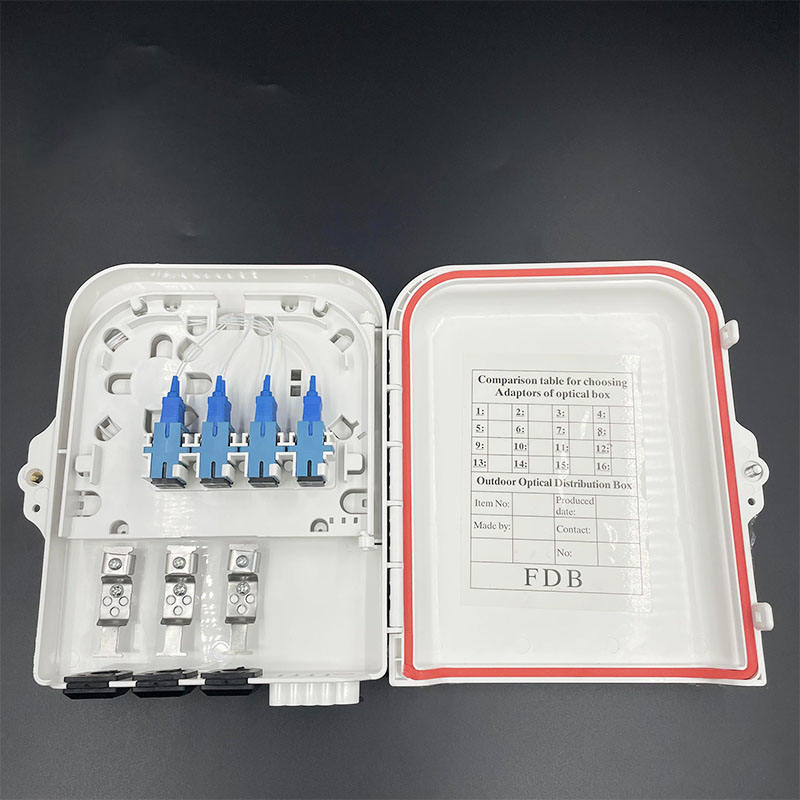
Selecting the right fiber optic terminal box is critical for the success of any Fiber-to-the-Home (FTTH) project. The fiber optic terminal box serves as the central connection point where optical signals are managed, distributed, and terminated before reaching end-user premises. Whether you are deploying fiber infrastructure in residential areas or commercial environments, the performance and reliability of your fiber optic terminal box directly impact network quality, installation timelines, and long-term maintenance costs. Understanding the key characteristics and selection criteria for a fiber optic terminal box ensures your FTTH project meets technical requirements and delivers consistent service to subscribers.
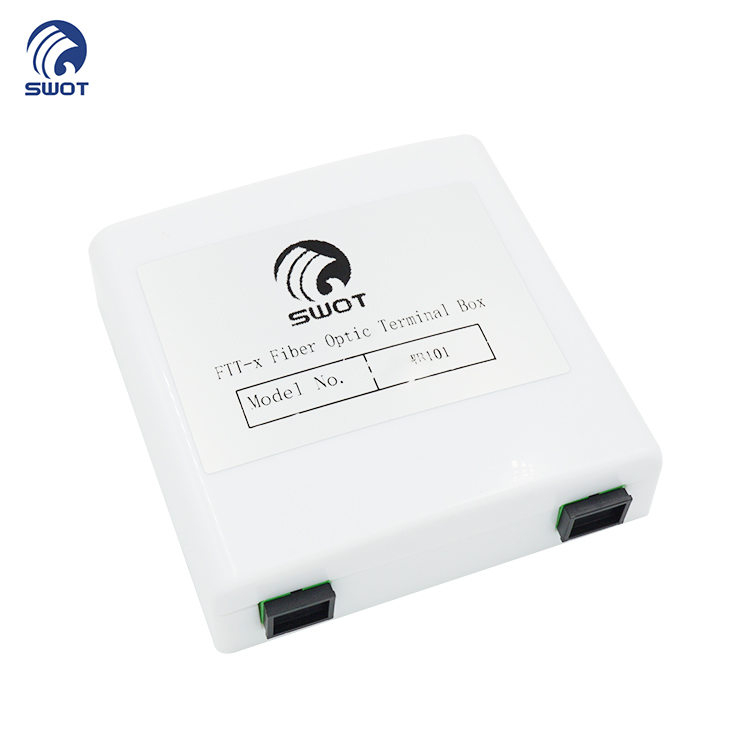
The choice of fiber optic terminal box depends on multiple factors including environmental conditions, fiber count capacity, connector type compatibility, and installation methodology. A well-designed fiber optic terminal box must offer robust protection against moisture, temperature extremes, and physical damage while maintaining optical signal integrity. This guide explores the essential features, performance considerations, and practical implementation strategies for choosing the optimal fiber optic terminal box for your FTTH deployment.
Core Design Features of Fiber Optic Terminal Boxes
Environmental Protection and Housing Materials
The fiber optic terminal box housing must withstand outdoor or semi-outdoor conditions without compromising fiber protection. High-quality fiber optic terminal box enclosures are typically constructed from UV-resistant polycarbonate, aluminum alloy, or powder-coated steel materials that resist corrosion and temperature fluctuations. The fiber optic terminal box design should include sealed cable entry points, moisture-resistant gaskets, and drainage provisions to prevent water ingress. Proper material selection in a fiber optic terminal box directly reduces signal loss from environmental stress and extends the lifespan of termination components. Indoor-rated fiber optic terminal box installations require different specifications than outdoor deployments, making environmental assessment a foundational decision criterion.
Fiber Capacity and Connector Density
Capacity planning for a fiber optic terminal box must align with current subscriber density and anticipated network growth. Modern fiber optic terminal box solutions offer configurations ranging from 8-fiber to 144-fiber termination points, depending on deployment scale and subscriber service area. The fiber optic terminal box should support both SC and LC connector types to ensure compatibility with existing network equipment. Selecting a fiber optic terminal box with slightly higher capacity than immediate needs provides flexibility for network expansion without requiring equipment replacement. Proper fiber management inside the fiber optic terminal box through organized routing and slack management prevents excessive bending radius violations that degrade signal performance.
Selection Criteria for FTTH Deployments
Installation Environment and Location Requirements
Determining whether your fiber optic terminal box will be mounted on utility poles, buried underground, or installed in street-side pedestals significantly influences model selection. An outdoor-rated fiber optic terminal box requires enhanced IP rating (typically IP67 or higher), temperature stability across -40°C to +70°C operational ranges, and resistance to UV exposure and weathering. Underground fiber optic terminal box installations demand superior moisture protection and corrosion resistance due to soil contact and high humidity conditions. Indoor fiber optic terminal box deployments in carrier facilities or MDUs typically prioritize space efficiency, thermal management, and simplified rack mounting. Each installation environment demands a specifically designed fiber optic terminal box variant to ensure regulatory compliance and operational reliability.
Accessibility and Maintenance Considerations
The fiber optic terminal box layout must allow technicians safe access to fiber splicing areas, connector bays, and management components without requiring complete disassembly. A well-designed fiber optic terminal box features swing-out or removable splice trays that facilitate rapid diagnostics and component replacement. The fiber optic terminal box should include clear labeling, color-coded fiber management zones, and adequate internal space for safe handling of delicate optical connectors. Maintenance accessibility in your fiber optic terminal box selection reduces service truck visits and emergency repair response times. Technician training on your specific fiber optic terminal box model ensures consistent installation practices and minimizes field errors that compromise network performance.
Performance Optimization and Deployment Best Practices
Optical Signal Integrity and Loss Minimization
Insertion loss and return loss performance directly impact the quality metrics of your entire FTTH network, making these critical fiber optic terminal box specifications. Premium fiber optic terminal box solutions feature precision-engineered connector alignment systems that maintain signal integrity through repeated connect-disconnect cycles. The fiber optic terminal box should incorporate clean-access provisions that enable regular inspection and connector endface cleaning to prevent signal degradation. Properly configured fiber optic terminal box installations with optimized fiber routing and slack management reduce macro and micro bending losses. Periodic testing of fiber optic terminal box connection points using optical time-domain reflectometry (OTDR) equipment verifies performance compliance and identifies potential issues before service impact.
Integration with FTTH Network Architecture
The fiber optic terminal box must seamlessly integrate with your broader FTTH topology, whether point-to-point, passive optical network (PON), or hybrid configurations. Deployment of a fiber optic terminal box at each network distribution node provides centralized management and simplified troubleshooting capabilities. The fiber optic terminal box should support organized fiber splicing for network expansion while maintaining existing subscriber connections. Planning for service-level management within each fiber optic terminal box location enables faster service activation and reduces operational costs. Selecting a standardized fiber optic terminal box model across multiple project sites simplifies technician training and spare parts inventory management.
FAQ
What is the typical installation time for a fiber optic terminal box?
Professional installation of a fiber optic terminal box typically requires 2 to 4 hours depending on site preparation, fiber count, and environmental conditions. This timeframe includes mounting the enclosure, installing splice trays, terminating optical connectors, and performing initial signal verification tests. Pre-planning and site surveying can reduce fiber optic terminal box installation duration significantly by identifying optimal placement locations and preparing necessary materials in advance. Training experienced technicians on your specific fiber optic terminal box design streamlines field operations and improves installation consistency across multiple FTTH project sites.
How often should a fiber optic terminal box require maintenance?
A properly installed and well-maintained fiber optic terminal box typically requires annual or semi-annual inspection and connector cleaning rather than frequent repairs. Environmental factors such as coastal salt spray, high humidity, or temperature extremes may necessitate more frequent fiber optic terminal box maintenance schedules. Regular inspection of the fiber optic terminal box housing for moisture intrusion, connector degradation, and fiber damage prevents service outages and extends equipment lifespan. Preventive maintenance protocols for your fiber optic terminal box installations reduce emergency service calls and minimize subscriber impact from network disruptions.
Can a fiber optic terminal box support future network upgrades?
Selecting a fiber optic terminal box with higher capacity than current requirements enables seamless network expansion without equipment replacement or service interruption. A scalable fiber optic terminal box design that accommodates additional splice trays and connector bays future-proofs your FTTH infrastructure investment. Many modern fiber optic terminal box solutions support modular expansion, allowing you to add capacity incrementally as subscriber demand grows. Consulting with infrastructure planning teams ensures your fiber optic terminal box selection aligns with projected network growth timelines and budget forecasting requirements.