
 EN



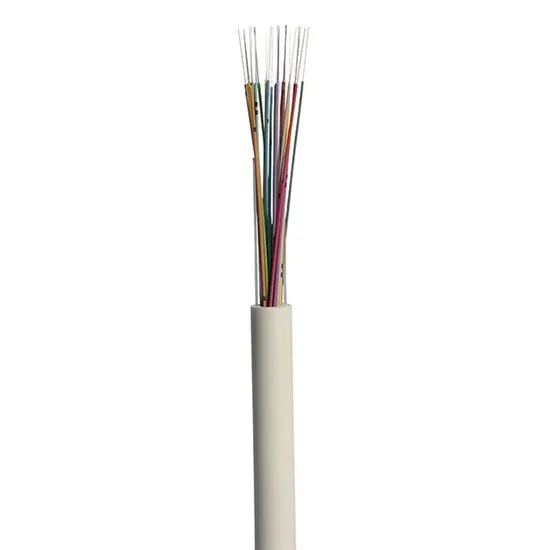
Modern network infrastructure demands efficient organization and protection of fiber optic cables. A fiber optic terminal box serves as a critical component in managing and protecting these delicate communication lines within data centers, telecommunications facilities, and enterprise networks. Without proper management solutions, fiber cables can become tangled, damaged, or difficult to maintain, leading to network downtime and increased operational costs. Understanding how a fiber optic terminal box improves cable management is essential for any organization investing in reliable network infrastructure and seeking to optimize their connectivity systems.
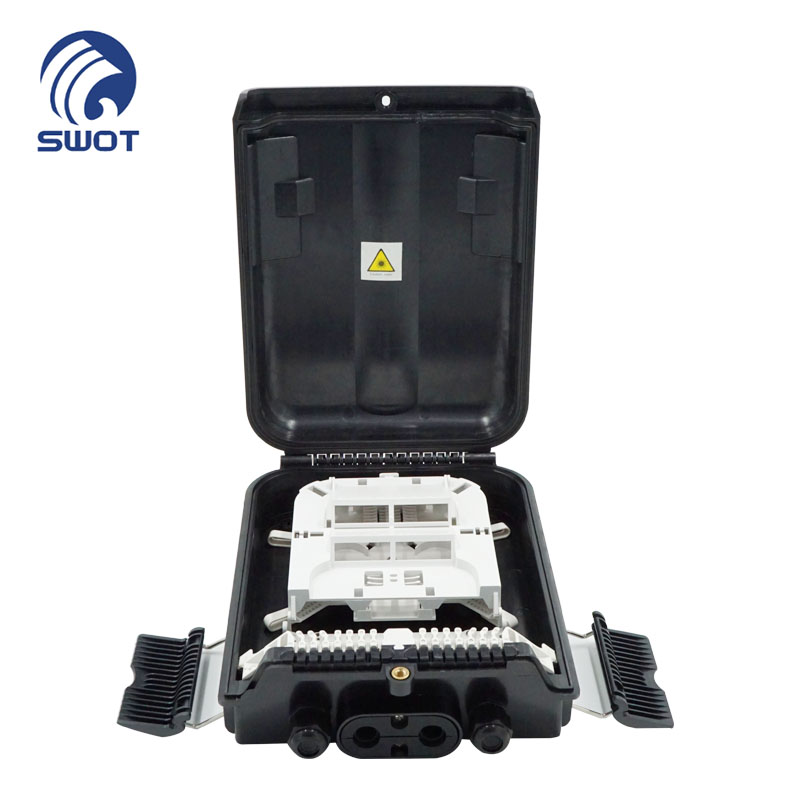
The deployment of a fiber optic terminal box directly addresses the fundamental challenges of fiber cable organization. This specialized equipment provides centralized routing, splicing, and termination points that prevent cable degradation and simplify network administration. Organizations implementing a fiber optic terminal box experience measurable improvements in installation time, maintenance accessibility, and overall system reliability. By consolidating cable management functions in a single structured platform, businesses can reduce installation errors and create a foundation for scalable network growth.
Understanding Cable Organization in Fiber Optic Terminal Box Systems
Core Organization Principles of Fiber Optic Terminal Box
A fiber optic terminal box organizes cables through compartmentalized design and strategic routing pathways. The internal structure of a fiber optic terminal box includes dedicated spaces for splice trays, cable entry ports, and organized routing channels that prevent cable stress and tangling. Each fiber optic terminal box typically features color-coded management zones, cable guides, and protective routing ducts that maintain consistent cable bend radii and eliminate sharp corners that could damage fiber strands. This organized approach ensures that technicians can quickly locate, test, and service specific fiber connections without disturbing adjacent cables or requiring extensive rerouting procedures.
Space Efficiency and Capacity Planning
Effective space management is a primary advantage when deploying a fiber optic terminal box in constrained environments. A fiber optic terminal box maximizes usable space through vertical stacking capabilities, modular tray arrangements, and optimized cable density layouts. Network managers can expand capacity by adding additional modules to their existing fiber optic terminal box installation rather than replacing entire systems, creating a cost-effective scaling solution. This modular approach to a fiber optic terminal box also simplifies future upgrades and reduces the total real estate required for growing fiber networks in data centers and equipment rooms.
Operational Benefits of Implementing Fiber Optic Terminal Box Solutions
Reducing Maintenance Time and Service Disruptions
Implementing a fiber optic terminal box dramatically reduces the time required for routine maintenance and troubleshooting activities. Technicians working with a properly configured fiber optic terminal box can identify problem circuits in minutes rather than hours, because cables are organized according to logical network architecture and clearly labeled. The organized cable structure within a fiber optic terminal box also minimizes accidental cable disconnections during maintenance on adjacent connections, which is a common cause of unexpected network outages. These efficiency gains translate directly to lower labor costs and reduced unplanned downtime across the entire network infrastructure.
Protecting Cable Integrity and Preventing Physical Damage
Physical damage is one of the leading causes of fiber cable failure in poorly managed installations. A fiber optic terminal box protects cables through structured routing that maintains proper bend radius requirements and prevents crushing or abrasion. The protective housing of a fiber optic terminal box shields internal cables from dust, moisture, and accidental contact that could compromise signal quality or create safety hazards. By maintaining consistent cable tension and preventing coiling or kinking within a fiber optic terminal box environment, organizations can extend fiber cable lifespan significantly and reduce the frequency of costly cable replacements.
Strategic Planning for Fiber Optic Terminal Box Deployment
Selecting Appropriate Fiber Optic Terminal Box Capacity
Choosing the right fiber optic terminal box size requires careful analysis of current network demands and projected growth requirements. Organizations should evaluate their immediate fiber count needs and add 20 to 30 percent capacity buffer within their fiber optic terminal box selection to accommodate future expansion without requiring replacement. A properly sized fiber optic terminal box prevents the need for additional installations that would complicate network topology and increase overall costs. Undersizing a fiber optic terminal box leads to cramped conditions that increase maintenance difficulty, while oversizing represents unnecessary capital expenditure that could be redirected toward other infrastructure improvements.
Integration with Existing Network Architecture
Successful fiber optic terminal box deployment requires careful planning to integrate new equipment with existing network components and management practices. Network documentation should clearly map how the fiber optic terminal box connects to upstream equipment, interconnects with other terminal points, and aligns with current cable routing standards. Planning for a fiber optic terminal box installation should also consider environmental factors such as temperature stability, vibration isolation, and accessibility for future maintenance activities. Proper integration of a fiber optic terminal box into the broader infrastructure ensures smooth operations and prevents compatibility issues that could disrupt service delivery.
FAQ
What is the primary purpose of a fiber optic terminal box?
A fiber optic terminal box serves as the central management point for organizing, protecting, and providing access to fiber optic cables within a network installation. The fiber optic terminal box consolidates splice functions, provides termination points, and creates organized routing pathways that simplify maintenance and reduce cable damage. By centralizing these functions, a fiber optic terminal box dramatically improves network reliability and reduces the operational complexity associated with distributed cable management across multiple locations.
How does a fiber optic terminal box reduce installation costs?
A fiber optic terminal box reduces installation costs by minimizing the labor time required for cable organization, routing, and future maintenance activities. The structured design of a fiber optic terminal box allows technicians to complete installations more quickly and accurately, reducing the skilled labor hours required for deployment. Additionally, the organized cable management within a fiber optic terminal box prevents damage-related service calls and expensive cable replacements, delivering long-term cost savings that justify the initial capital investment in the fiber optic terminal box system.
Can a fiber optic terminal box accommodate network expansion?
Yes, most modern fiber optic terminal box systems feature modular designs that accommodate future capacity expansion without requiring complete replacement. A fiber optic terminal box can be expanded by adding additional splice trays, routing modules, or expansion units that integrate seamlessly with the existing installation. This scalability makes a fiber optic terminal box an intelligent long-term investment for growing networks, as organizations can add capacity incrementally as business needs evolve rather than investing in oversized equipment from the beginning.