
 EN



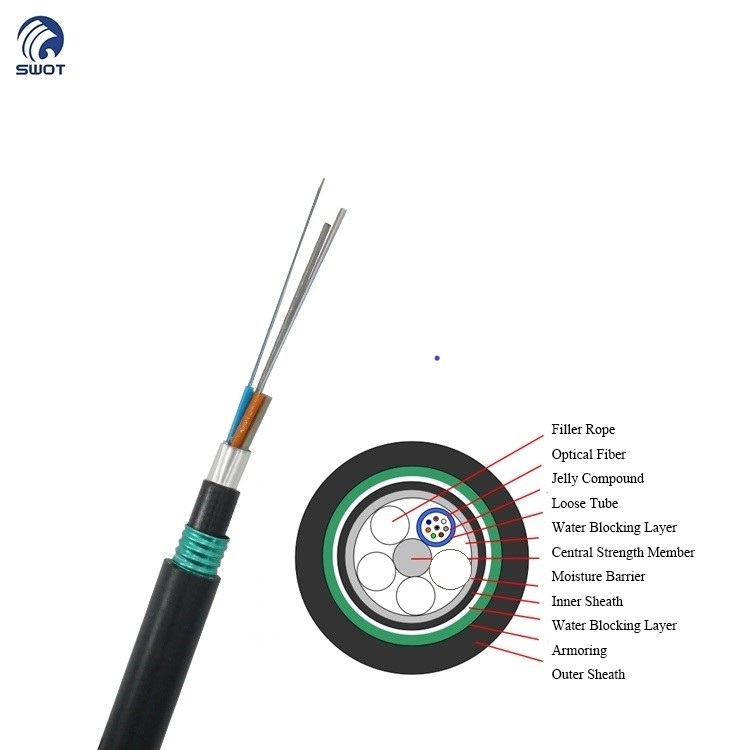
A fiber optic terminal box plays a critical role in modern network infrastructure by providing a centralized point for managing and organizing fiber optic connections. Organizations that deploy fiber optic technology recognize that the fiber optic terminal box serves as the backbone of their communication systems, yet many fail to appreciate how significantly this component simplifies maintenance operations. When properly implemented, a fiber optic terminal box reduces complexity, minimizes downtime, and enables technicians to perform necessary maintenance tasks more efficiently than ever before.
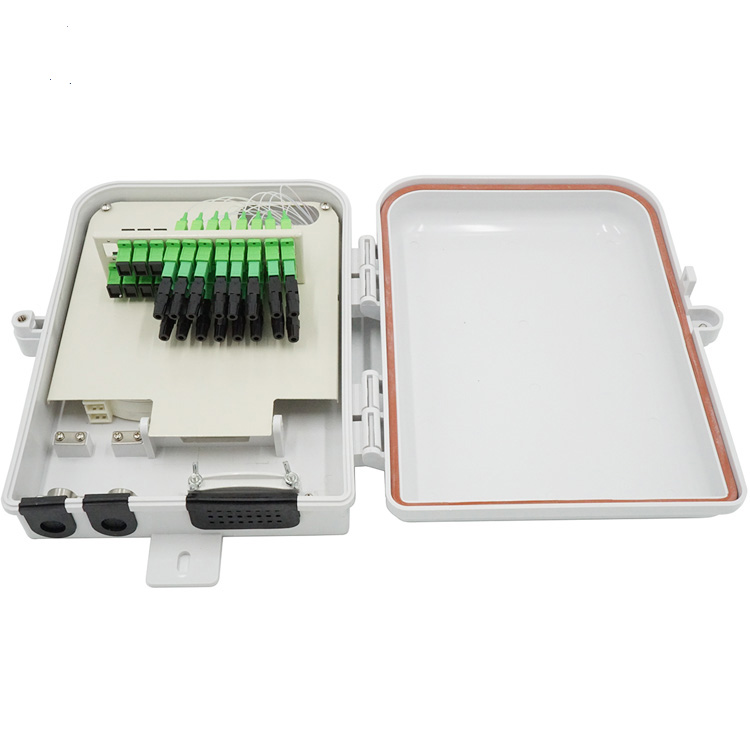
The primary advantage of deploying a fiber optic terminal box lies in its ability to centralize connection management and organization. By consolidating fiber optic cables into a single, well-designed housing, the fiber optic terminal box eliminates the scattered cable management challenges that plague many network environments. This centralization directly translates into faster problem identification, quicker repairs, and significantly reduced mean time to resolution when network issues occur.
Central Organization and Cable Management
Streamlining Physical Layout
The fiber optic terminal box provides a structured, compartmentalized design that allows technicians to quickly identify specific fiber connections without extensive searching or cable tracing. Within each fiber optic terminal box, organized mounting spaces, clearly labeled ports, and dedicated areas for splicing create an environment where maintenance becomes predictable and efficient. Technicians can locate specific connections in seconds rather than minutes, dramatically reducing the time required for diagnostic procedures and routine maintenance tasks on the fiber optic terminal box infrastructure.
A well-organized fiber optic terminal box eliminates cable confusion and tangling that occurs when fibers are routed haphazardly throughout a facility. This organization reduces accidental disconnections, prevents stress-related fiber damage, and creates a professional installation that reflects proper engineering standards. When maintenance technicians approach a properly installed fiber optic terminal box, they encounter a system designed for accessibility and clarity rather than chaos and complexity.
Documentation and Labeling Benefits
Modern fiber optic terminal box designs incorporate built-in labeling systems and documentation frameworks that allow operators to maintain accurate records of all connections and circuits. This comprehensive tracking within the fiber optic terminal box environment enables quick reference during maintenance activities, troubleshooting sessions, and network modifications. Technicians working with a properly documented fiber optic terminal box can verify connections, trace signal paths, and implement changes with confidence and precision.
Reduced Downtime Through Faster Diagnostics
Quick Access to Troubleshooting Points
When network problems occur, every minute of downtime costs organizations money and erodes customer confidence. A fiber optic terminal box addresses this challenge by providing immediate access to all critical connection points and test locations. Technicians can quickly connect testing equipment to the fiber optic terminal box, isolate problematic segments, and identify root causes without requiring extensive system disassembly or widespread cable tracing throughout the facility. This accessibility transforms what might otherwise require hours of investigation into a streamlined diagnostic process.
The fiber optic terminal box design typically incorporates access points specifically intended for testing and monitoring. These predetermined locations eliminate guesswork and allow trained technicians to execute standardized troubleshooting procedures efficiently. By reducing diagnostic time, the fiber optic terminal box directly minimizes the business impact of network interruptions and maintains service continuity for end users.
Preventive Maintenance Efficiency
Beyond reactive troubleshooting, the fiber optic terminal box enables preventive maintenance programs that keep networks running smoothly before problems develop. Technicians can perform regular inspections, cleaning, and testing procedures on the fiber optic terminal box infrastructure with minimal disruption to active services. This proactive approach reduces the frequency of unexpected failures and ensures that network capacity remains available when needed most. Organizations implementing regular maintenance schedules for their fiber optic terminal box installations experience measurably better reliability metrics and fewer emergency service calls.
Long-Term Scalability and Future Modifications
Accommodating Network Growth
Network demands continuously evolve as organizations grow and technology advances. A well-designed fiber optic terminal box anticipates these changes by incorporating modular architecture and available expansion capacity. When businesses need to add new connections, upgrade capacity, or modify routing, the fiber optic terminal box provides a structured framework for these modifications without requiring complete system redesign or extensive downtime. This scalability makes the initial investment in a quality fiber optic terminal box financially sound from a long-term perspective.
The fiber optic terminal box simplifies the process of integrating new fiber optic cables into existing infrastructure. Technicians can add connections, splice new fibers, and route additional circuits through the fiber optic terminal box with minimal disruption to active services. This capability becomes increasingly valuable as network demands grow and businesses require regular capacity additions to support new applications and expanded connectivity requirements.
Standardization and Interoperability
A quality fiber optic terminal box follows industry standards and design conventions that enable seamless integration with complementary network components and tools. Standardization within the fiber optic terminal box ecosystem ensures that technicians, regardless of their background or employer, can quickly understand and work with the equipment effectively. This interoperability reduces training requirements, minimizes errors during maintenance activities, and creates a professional infrastructure environment that supports long-term reliability and operational excellence.
FAQ
How does a fiber optic terminal box protect fiber optic connections from environmental damage?
A fiber optic terminal box provides a protective enclosure that shields connections from dust, moisture, temperature fluctuations, and mechanical stress. The housing isolates sensitive fiber optic components from environmental hazards while maintaining accessibility for authorized maintenance personnel. This protection extends the operational lifespan of fiber optic connections and reduces failure rates caused by environmental exposure or accidental damage during routine facility maintenance.
Can a fiber optic terminal box be relocated or reconfigured after installation?
Yes, a properly installed fiber optic terminal box can be relocated or reconfigured to accommodate changing network requirements. Technicians can disconnect fibers, relocate the fiber optic terminal box to a new location, and reconnect circuits with minimal impact on overall network operations. This flexibility proves invaluable when facilities undergo renovation, networks are consolidated, or equipment placement needs adjustment to support evolving business needs and spatial constraints.
What training is required for technicians to maintain a fiber optic terminal box?
While fiber optic terminal box infrastructure benefits from standardized design and clear organization, technicians should receive training on proper fiber handling procedures, safe splicing techniques, and testing methodologies specific to their organization's fiber optic terminal box configuration. Organizations typically find that training investments for their fiber optic terminal box systems pay dividends through improved reliability, faster troubleshooting, and fewer costly errors during maintenance activities and network modifications.