
 EN



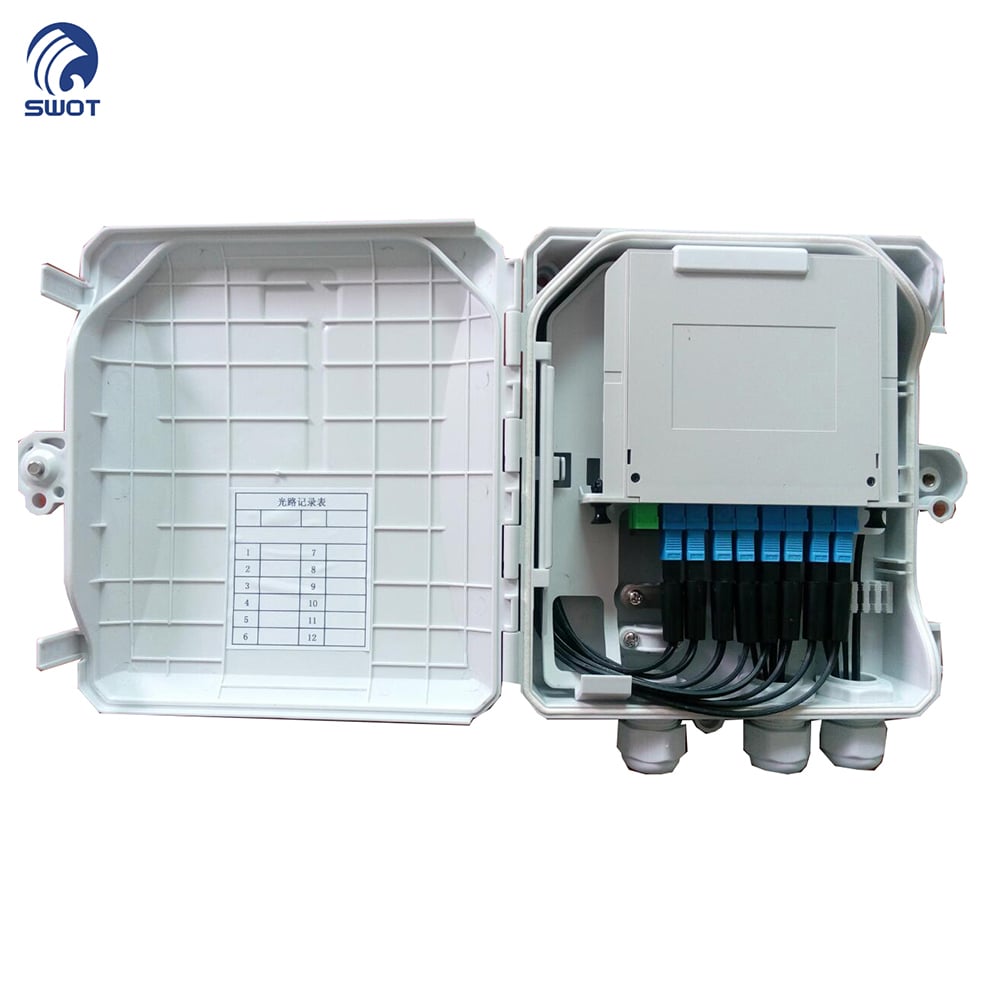
Selecting the appropriate fiber optic terminal box capacity is one of the most critical decisions in building a reliable network infrastructure. The wrong choice can lead to congestion, poor performance, and costly upgrades down the line. A fiber optic terminal box serves as the central hub where fiber optic cables are organized, protected, and distributed throughout your facility or network. Understanding how to evaluate fiber optic terminal box requirements ensures your investment aligns with both current demands and future growth.
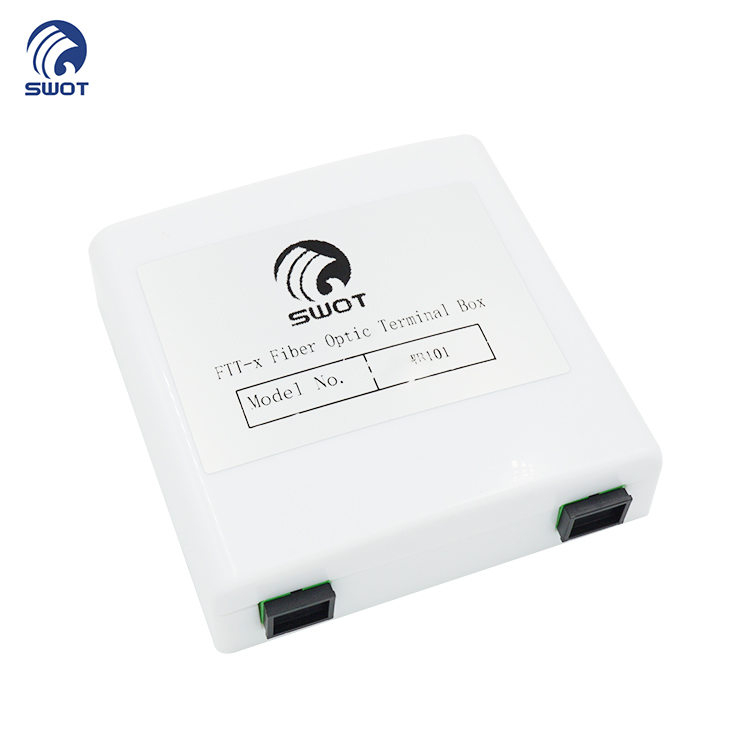
A fiber optic terminal box is fundamentally a passive enclosure that organizes incoming fiber optic cables and distributes them to endpoint connections. These boxes accommodate fiber splitters, adapters, and patch panels, all designed to manage signal distribution without power or active components. When choosing a fiber optic terminal box capacity, you must evaluate port count, physical space, ease of maintenance, and scalability. This decision directly impacts operational efficiency, troubleshooting capability, and your ability to handle network expansion without replacing the entire system.
Understanding Fiber Optic Terminal Box Sizing Factors
Port Count and Cable Density Requirements
The primary consideration when selecting a fiber optic terminal box is determining how many fiber optic cables your network will route through the box. Port count directly correlates to the number of users, services, or distribution points the box can support. A fiber optic terminal box with insufficient ports forces you to add satellite boxes or implement workarounds that complicate network management. Start by calculating your current fiber optic termination points, then add a buffer for growth. Most network planners recommend sizing a fiber optic terminal box at 50 to 70 percent capacity on day one, allowing room for expansion without immediate replacement.
Physical Space and Installation Environment
The physical location where you install your fiber optic terminal box directly influences the appropriate capacity. Indoor fiber optic terminal box units installed in controlled environments can prioritize port density more than outdoor installations. Weather-sealed fiber optic terminal box models may have larger external dimensions but similar internal capacity. Consider wall-mounted versus pedestal-mounted options, and verify that your chosen fiber optic terminal box fits available space without restricting cable routing or maintenance access. Temperature, humidity, and dust exposure in the installation environment also affect the optimal size and specifications for your fiber optic terminal box.
Calculating Current and Future Network Demands
Immediate Capacity Needs
Begin capacity planning by conducting a thorough audit of your current network topology. Count all active fiber optic connections, including main trunk lines, building risers, and endpoint drops. A fiber optic terminal box must accommodate these connections plus sufficient slack for testing, maintenance, and reconfiguration. Document the type of fiber optic connections your network uses—single-mode, multimode, or a combination—as this influences fiber optic terminal box design. Your fiber optic terminal box inventory should include the core distribution box plus secondary or satellite boxes if your network spans multiple floors or campus locations. This layered approach ensures no single fiber optic terminal box becomes a bottleneck.
Growth Projection and Scalability
Network demands typically grow 15 to 25 percent annually in most organizations. When sizing a fiber optic terminal box, assume your traffic and user base will expand significantly within five to seven years. A conservative approach is to select a fiber optic terminal box with 40 to 50 percent excess capacity at installation. This allows your network to grow substantially before requiring additional fiber optic terminal box infrastructure. Consider modular designs where possible, as some fiber optic terminal box products support add-on expansion packs or secondary units that integrate seamlessly. A fiber optic terminal box with built-in growth pathways reduces future capital expenditure and minimizes network disruption.
Performance, Management, and Infrastructure Alignment
Signal Loss and Distance Considerations
Fiber optic terminal box capacity decisions interact with signal degradation over distance. Larger fiber optic terminal box installations may route signals over longer internal cable runs, increasing attenuation. When selecting a fiber optic terminal box, verify that all internal patch cords and splitter connections meet the loss specifications for your application. If your network spans a large campus, distributed smaller fiber optic terminal box units may perform better than one oversized central box. The fiber optic terminal box design should minimize signal bounce-back and reflections that degrade signal quality. Testing your chosen fiber optic terminal box configuration under actual load ensures it meets performance targets before full deployment.
Maintenance Accessibility and Operational Efficiency
An undersized fiber optic terminal box creates maintenance nightmares where technicians struggle to access individual connections amid cable clutter. Conversely, an oversized fiber optic terminal box wastes physical space and capital. Choose a fiber optic terminal box with logical cable routing guides, color-coded sections, and clear labeling to support rapid troubleshooting. Your fiber optic terminal box should include adequate internal space for cable loops and bend-radius management, which prevents optical degradation. Many modern fiber optic terminal box models include cable management arms and organizers that maximize usable capacity while maintaining accessibility. Investing in a well-designed fiber optic terminal box simplifies network administration and reduces mean-time-to-repair when issues arise.
Selection Criteria and Industry Best Practices
Matching Capacity to Deployment Scenarios
Data center environments, enterprise campus networks, and FTTH deployments each demand different fiber optic terminal box specifications. A data center fiber optic terminal box prioritizes high-density port counts and signal integrity under sustained load. A campus fiber optic terminal box emphasizes modular expansion and environmental resilience. An FTTH fiber optic terminal box focuses on secure outdoor operation and weather resistance. Evaluate your specific deployment scenario when sizing a fiber optic terminal box. A fiber optic terminal box optimized for one use case may underperform in another. Request reference installations using similar fiber optic terminal box models in comparable environments to validate performance expectations.
Quality Standards and Certification
Select a fiber optic terminal box that meets recognized industry standards such as IEC 61754 or TIA-604 specifications. Certified fiber optic terminal box products have undergone rigorous testing for mechanical durability, optical performance, and environmental stability. Certification ensures your fiber optic terminal box maintains performance across temperature fluctuations and physical stress. When evaluating fiber optic terminal box suppliers, request documentation of compliance testing and performance certifications. A properly certified fiber optic terminal box reduces warranty disputes and provides confidence that your infrastructure meets operational requirements. Many enterprises require fiber optic terminal box certification as a procurement prerequisite, so verify this requirement early in your selection process.
FAQ
What is the typical capacity range for a standard fiber optic terminal box?
Standard fiber optic terminal box models typically accommodate between 24 and 144 fiber ports, depending on the form factor and design. Compact desktop fiber optic terminal box units may support 12 to 48 ports, while wall-mounted or rack-mounted fiber optic terminal box solutions often reach 96 to 144 ports or higher. Your specific fiber optic terminal box capacity should align with your network's active fiber count plus planned growth. Some modular fiber optic terminal box designs allow daisy-chaining multiple units to achieve virtually unlimited capacity, making them ideal for large-scale deployments.
How should I plan for future capacity when selecting a fiber optic terminal box?
Plan your fiber optic terminal box capacity by projecting five to seven years of network growth and selecting a unit that remains below 70 percent utilization at maximum anticipated load. Document your network's growth rate from historical trends and industry benchmarks specific to your sector. When shopping for a fiber optic terminal box, prioritize models with modular or stackable designs that enable non-disruptive expansion. A fiber optic terminal box with clear growth pathways ensures you avoid costly replacement cycles and minimize network downtime during infrastructure upgrades.
Can a fiber optic terminal box capacity be upgraded after installation?
Many modern fiber optic terminal box designs support capacity upgrades through expansion modules or secondary unit integration. However, upgrading a fiber optic terminal box after installation may require temporary service interruption and additional labor costs. Some fiber optic terminal box systems allow adding expansion cards or satellite units without decommissioning the primary box. Review the specific fiber optic terminal box product documentation to understand upgrade options before purchase. Planning for adequate initial capacity in your fiber optic terminal box is more cost-effective than retrofit upgrades, so thorough sizing at the outset saves money and operational disruption over time.