
 EN



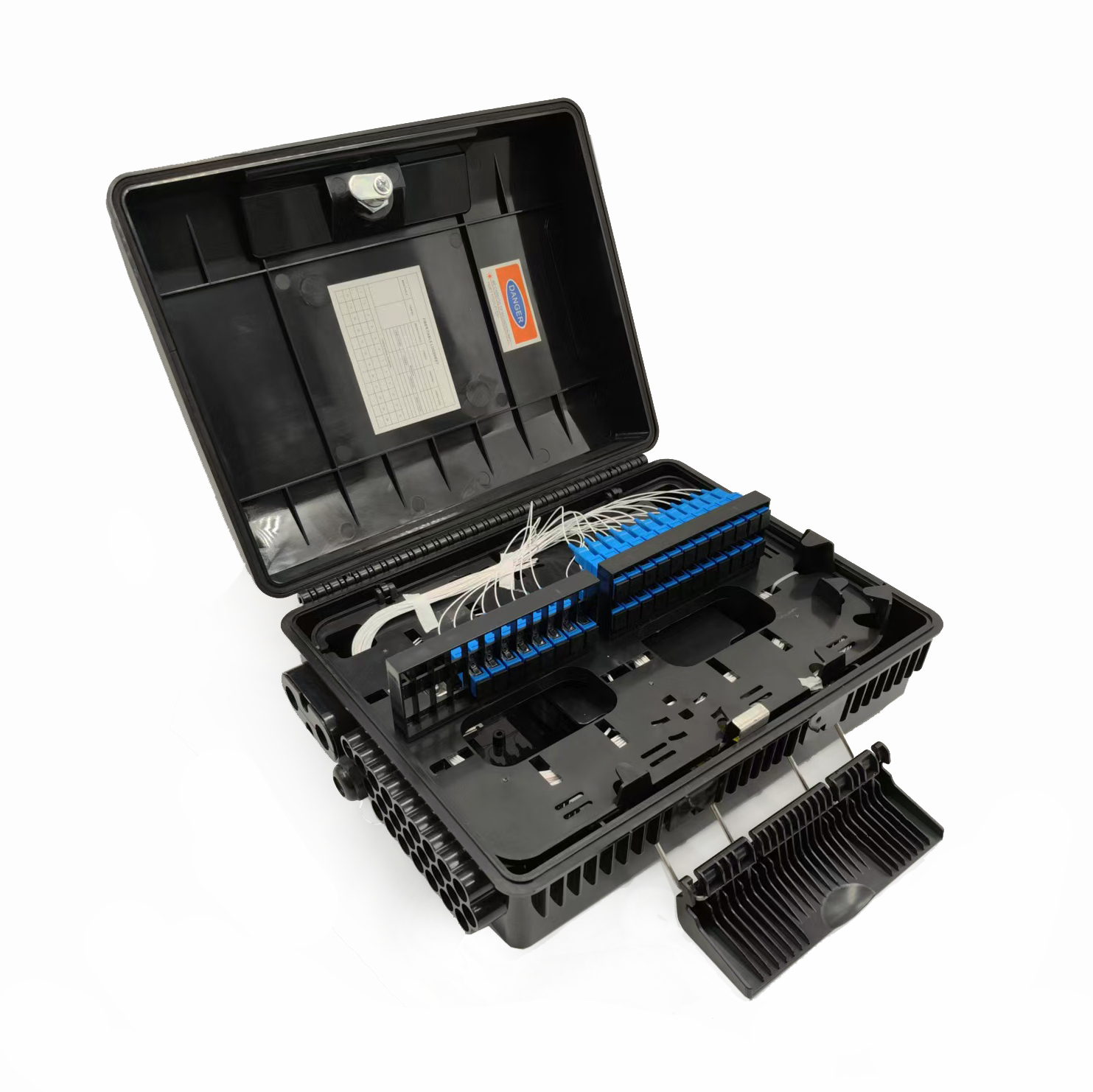
Modern telecom networks depend on reliable signal transmission across vast distances, and the fiber optic distribution box has become a critical component in achieving this goal. A fiber optic distribution box serves as a central hub where incoming fiber optic cables are organized, managed, and distributed to multiple endpoints within a network infrastructure. Without a properly deployed fiber optic distribution box, telecom projects face significant challenges in signal integrity, network scalability, and long-term operational efficiency.
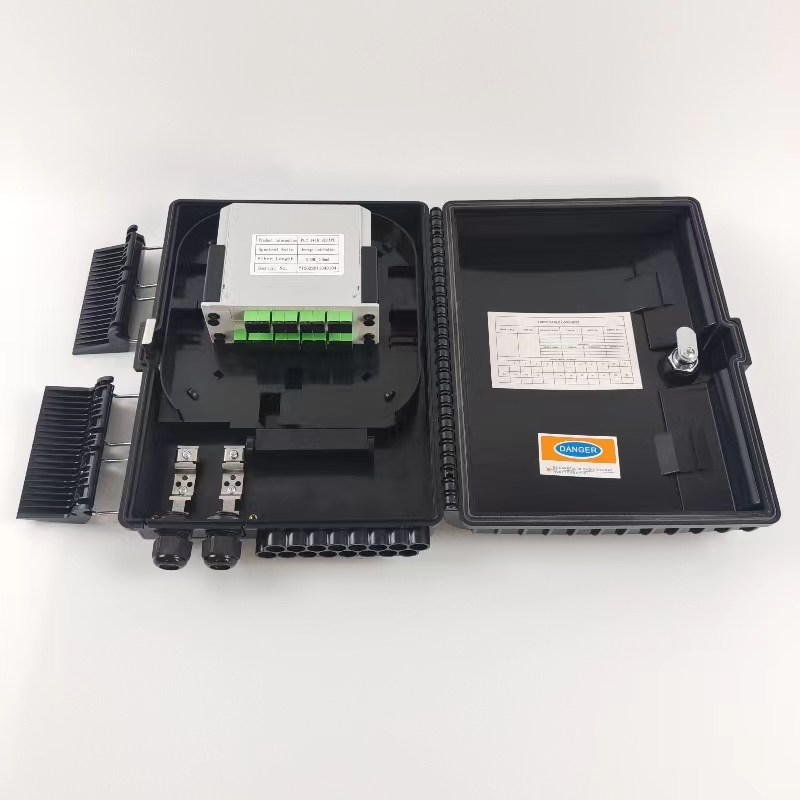
Telecom project managers and network engineers recognize that choosing the right fiber optic distribution box directly impacts project success, cost efficiency, and network performance metrics. The fiber optic distribution box is not simply a passive component; it actively influences how optical signals are split, routed, and maintained across complex network topologies. Understanding why telecommunications infrastructure requires a robust fiber optic distribution box is essential for anyone involved in network planning, deployment, or maintenance.
Core Functions of the Fiber Optic Distribution Box
Signal Organization and Management
At its core, a fiber optic distribution box organizes incoming optical signals and routes them to their intended destinations with minimal loss or degradation. Each fiber optic distribution box contains internal splitters, couplers, and connectors that enable precise signal distribution across multiple branches of a network. Telecom projects benefit from this centralized organization because it simplifies troubleshooting, reduces signal interference, and allows technicians to manage thousands of fiber connections from a single strategic location. When a fiber optic distribution box is properly configured, network administrators can trace signal paths quickly and identify problems before they cascade into larger infrastructure failures.
Connector Standardization and Compatibility
A fiber optic distribution box standardizes connector types and ensures that different fiber optic cables and equipment can work together seamlessly. Telecom projects often involve integrating equipment from multiple vendors, and a fiber optic distribution box provides the compatibility layer that prevents signal degradation and connection failures. By consolidating various fiber types into a single fiber optic distribution box, technicians eliminate the confusion and errors that arise when managing scattered connection points across a project site. This standardization also extends equipment lifespan because consistent connections reduce mechanical stress on delicate optical components.
Why Telecom Projects Require Fiber Optic Distribution Boxes
Scalability and Future Network Expansion
Telecom infrastructure must accommodate rapid growth without requiring complete system redesign, and a fiber optic distribution box provides the modularity necessary for expansion. When a new customer location or service area joins the network, technicians can connect additional fiber routes through the existing fiber optic distribution box without disrupting active services. This scalability is critical because telecom projects often span years or decades, and infrastructure decisions made today must support tomorrow's network demands. A well-designed fiber optic distribution box includes spare ports and capacity headroom, allowing projects to grow organically without expensive equipment replacement cycles.
Cost Efficiency and Operational Savings
Installing a centralized fiber optic distribution box reduces long-term operational costs by consolidating network management into fewer physical locations. Telecom projects that deploy distributed connection points across multiple sites face higher maintenance expenses, more frequent service interruptions, and increased labor costs for troubleshooting. A single, well-maintained fiber optic distribution box enables remote monitoring and management, reducing the need for technicians to travel to multiple sites for routine maintenance. Additionally, a fiber optic distribution box protects expensive optical equipment downstream by filtering environmental contamination and protecting against electrical surges, preventing costly equipment failures.
Signal Quality and Redundancy Protection
Telecom projects demand exceptional signal quality because customers expect uninterrupted voice, video, and data services, and the fiber optic distribution box plays a vital role in maintaining that reliability. Modern fiber optic distribution box designs minimize optical loss, reduce signal reflection, and incorporate features that protect against environmental factors like temperature fluctuations and humidity. Redundancy is another critical capability where a fiber optic distribution box enables backup routing paths, ensuring that network failures in one branch do not cascade throughout the entire system. When service interruptions are costly or dangerous, the protective features built into a fiber optic distribution box justify the investment many times over.
Implementation Considerations for Telecom Projects
Site Planning and Physical Placement
Successful telecom projects require careful planning for fiber optic distribution box placement, considering factors like cable run lengths, environmental conditions, and accessibility for future maintenance. Engineers must calculate signal loss budgets to ensure that a fiber optic distribution box positioned at a particular location will not introduce unacceptable attenuation for far-end devices. Climate considerations also matter significantly; outdoor fiber optic distribution box installations must withstand temperature ranges, humidity, and UV exposure without compromising internal optical components. Indoor installations require adequate space for cable management, proper ventilation, and protection from physical damage, all of which influence where a fiber optic distribution box should be mounted within a building or equipment shelter.
Integration with Monitoring and Management Systems
Modern telecom projects integrate a fiber optic distribution box with network management platforms that provide real-time visibility into signal status, power levels, and device health. Automated monitoring systems connected to the fiber optic distribution box enable predictive maintenance, alerting technicians to potential problems before customers experience service interruptions. This integration transforms a fiber optic distribution box from a passive component into an active node within the network intelligence infrastructure. Telecom operators who implement comprehensive monitoring around their fiber optic distribution box deployments reduce mean time to repair and improve overall network uptime substantially.
FAQ
What is the primary advantage of a fiber optic distribution box in telecom networks?
The primary advantage is centralized management and signal distribution. A fiber optic distribution box consolidates multiple fiber connections at a single point, simplifying maintenance, enabling scalability, and improving troubleshooting efficiency. Instead of managing scattered connection points across a large area, technicians can access all routing options through one interface, reducing operational complexity and service downtime.
How does a fiber optic distribution box improve network reliability?
A fiber optic distribution box improves reliability through redundancy capabilities, signal protection, and environmental isolation. The device protects sensitive optical components from contamination, electrical interference, and physical damage. Additionally, a fiber optic distribution box supports backup routing paths and enables quick rerouting of traffic during maintenance or failures, ensuring continuous service availability even when individual components require replacement.
Can a fiber optic distribution box support different types of fiber optic cables?
Yes, a fiber optic distribution box is designed to accommodate various fiber types and connector standards, providing a standardized interface that connects different equipment and cable formats. This flexibility makes a fiber optic distribution box ideal for complex telecom projects where multiple vendors and equipment generations must coexist. The distribution box acts as a compatibility layer, enabling seamless integration across heterogeneous network components.