
 EN



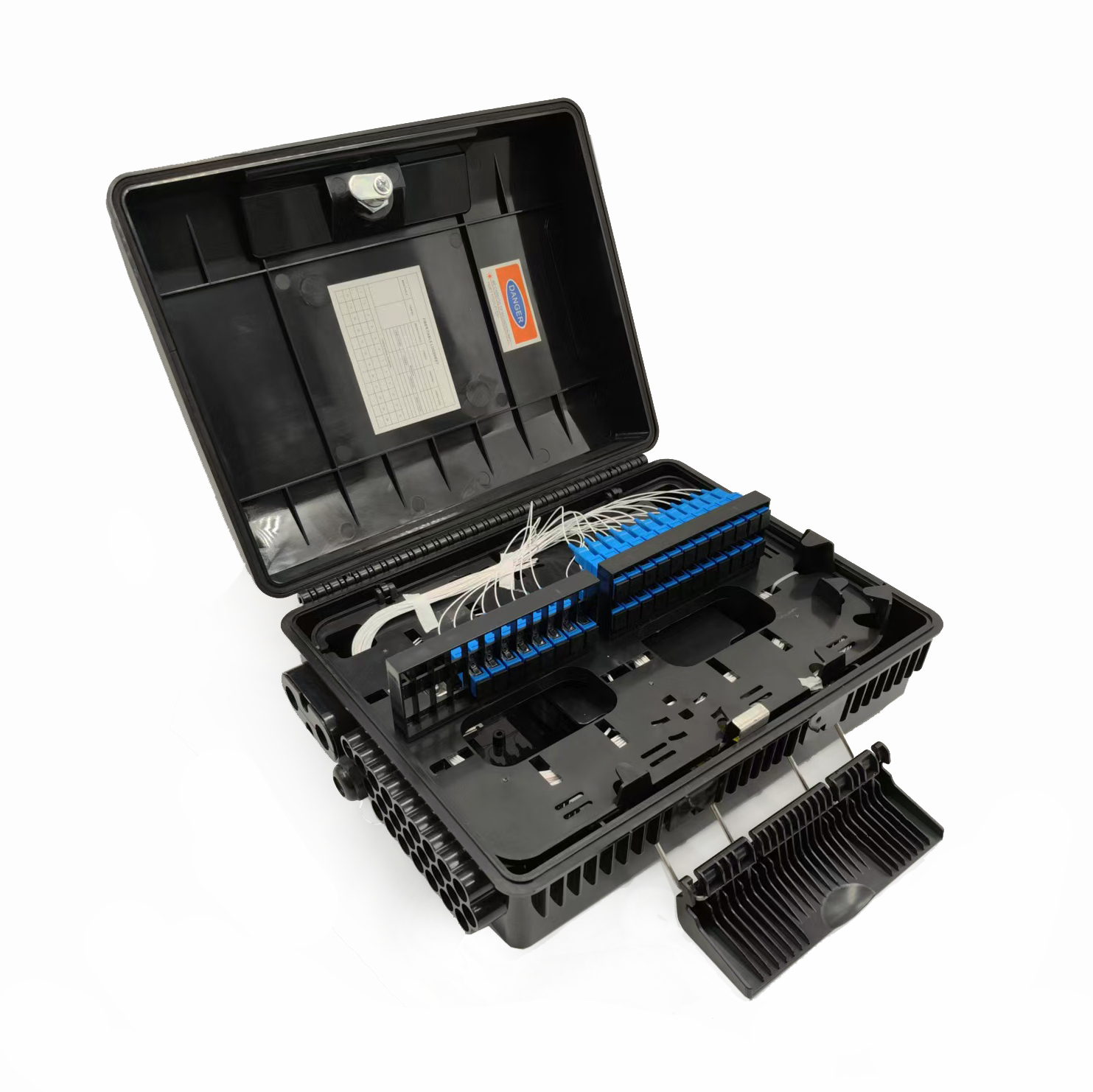
Selecting the right fiber optic distribution box requires more than recognizing a familiar brand name or choosing the lowest price. The fiber optic distribution box serves as a critical infrastructure component in modern telecommunications networks, and the features you evaluate during the purchasing process directly impact network reliability, future scalability, and operational efficiency. Without a structured comparison framework, procurement teams risk selecting equipment that fails to meet current demands or becomes obsolete within months of deployment.
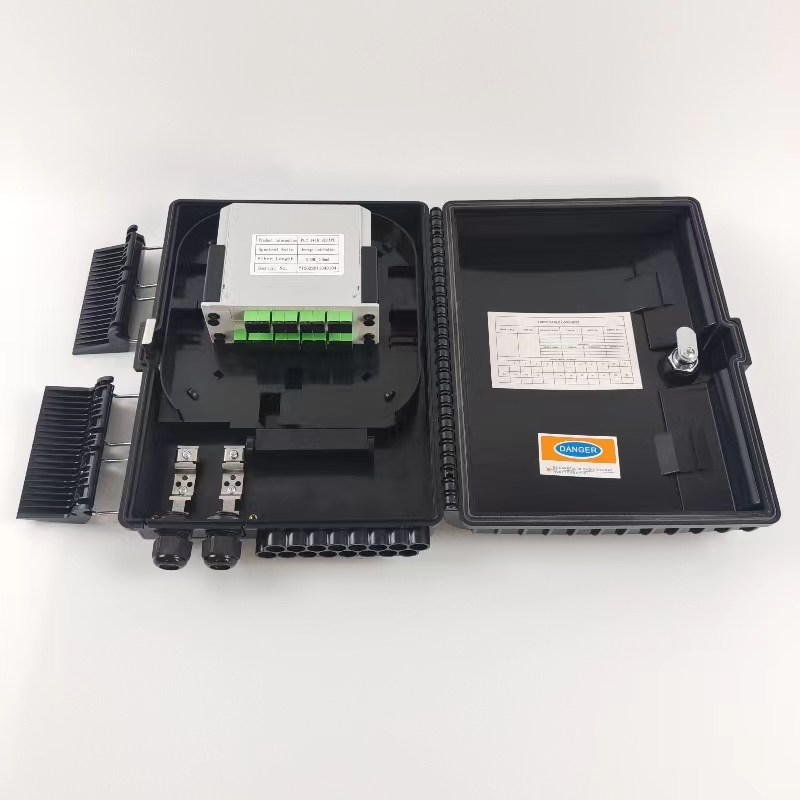
The fiber optic distribution box market offers solutions across multiple form factors, capacities, and feature sets, making systematic comparison essential before investment. This guide walks through the core feature categories that distinguish high-performing equipment from mediocre alternatives, helping you align purchasing decisions with your network architecture, budget constraints, and long-term growth projections.
Port Capacity and Connector Configuration
Understanding Density and Scalability Requirements
Port capacity represents the first fundamental comparison point when evaluating a fiber optic distribution box. Modern networks demand varying densities, ranging from compact 4-port or 8-port modules to high-density 16-port, 24-port, or even 48-port configurations. A fiber optic distribution box with insufficient ports forces awkward workarounds and limits growth without purchasing additional units, while oversized capacity wastes capital and floor space. Industry standards define density classifications, and your fiber optic distribution box selection should align with projected subscriber counts, backbone traffic volumes, and branch office configurations within your service territory.
Connector Type and Interoperability
Connector standardization within your fiber optic distribution box network prevents compatibility nightmares and simplifies maintenance. The most common connector types include SC, LC, ST, and MTP/MPO formats, each suited to different deployment scenarios. Your fiber optic distribution box must use connectors that match your existing patch panel infrastructure, backbone cabling, and subscriber-facing interfaces. Mixed connector environments create inventory complexity and increase mean-time-to-repair during outages. Verify whether your fiber optic distribution box supports single-mode or multi-mode fibers—or both—and confirm that connector density matches your physical rack footprint and thermal management requirements.
Optical Performance and Loss Specifications
Insertion Loss and Return Loss Metrics
The fiber optic distribution box introduces inherent optical losses through connector interfaces, splitter components, and internal routing elements. Insertion loss represents the power reduction across the fiber optic distribution box, typically measured in decibels (dB), and must remain below manufacturer specifications to prevent signal degradation. Return loss, also called back-reflection, measures light reflected back toward the source and affects downstream amplifier performance. Premium fiber optic distribution box designs incorporate high-quality components and optimized internal pathing to minimize both metrics, protecting signal integrity across extended networks. Compare insertion loss and return loss specifications across candidate models, as differences of 0.1–0.3 dB accumulate significantly in networks spanning hundreds of kilometers.
Chromatic Dispersion and Bandwidth Handling
High-speed data transmission demands that your fiber optic distribution box passes full signal bandwidth without introducing chromatic dispersion or other frequency-dependent losses. Modern gigabit and multi-gigabit services require fiber optic distribution box components rated for frequencies far beyond older CATV networks. Request dispersion specifications and verify that the fiber optic distribution box manufacturer tested equipment at your planned transmission speeds rather than generic 1550-nm wavelengths. Temperature compensation and wavelength stability become critical selection factors when comparing fiber optic distribution box models rated for extended operating ranges or multiple service types.
Mechanical Design and Environmental Resilience
Enclosure Materials and Thermal Management
The physical fiber optic distribution box enclosure protects costly optical components while managing heat dissipation, humidity ingress, and mechanical stress. Stainless steel, aluminum, and reinforced polymer materials offer different corrosion resistance profiles and thermal characteristics. Indoor-rated fiber optic distribution box models often use standard painted steel or polymers, while outdoor fiber optic distribution box units require premium stainless or marine-grade aluminum to resist salt spray and UV degradation. Thermal management becomes increasingly important as fiber optic distribution box port density rises and internal components generate operational heat. Verify that the fiber optic distribution box design includes effective heat dissipation pathways, either passive or active cooling, to maintain component reliability across seasonal temperature extremes.
Mounting Options and Space Efficiency
Real-world deployment environments vary widely, from compact wall-mounted installations to large cabinet-based systems. Your fiber optic distribution box must support mounting configurations that fit your site topology, whether rack-mounted in data centers, pole-mounted in distribution networks, or pedestal-based in neighborhood nodes. Evaluate cable entry options, strain relief mechanisms, and clearance requirements for both incoming backbone fibers and outgoing subscriber feeds. A fiber optic distribution box with flexible mounting adapters and optimized connector accessibility simplifies installation time and reduces on-site labor costs. Compare physical dimensions, weight, and required operational clearances to verify the fiber optic distribution box integrates smoothly into planned network locations without requiring costly facility modifications.
Operational Features and Network Integration
Redundancy and Failover Capability
Mission-critical networks require fiber optic distribution box designs that protect against single-point failures and support rapid service restoration. Some fiber optic distribution box architectures include built-in redundancy through split-feed configurations, backup routing paths, or dual-port assignments for subscriber lines. Evaluate whether your fiber optic distribution box model supports N+1 redundancy patterns and allows easy manual or automatic failover without subscriber impact. Systems with integrated monitoring capabilities alert operations teams to potential issues before service degradation becomes visible to customers, and these features justify premium pricing in carrier-grade deployments.
Management and Monitoring Integration
Modern fiber optic distribution box equipment increasingly incorporates digital monitoring, power metering, and remote management capabilities. Some fiber optic distribution box models include optical power level indicators, temperature sensors, or remote-accessible diagnostic ports that integrate with centralized network management platforms. Compare whether your candidate fiber optic distribution box supports SNMP, JSON APIs, or other management protocols that integrate with existing operations support systems. These fiber optic distribution box monitoring features transform passive distribution equipment into intelligent nodes capable of predicting maintenance needs and optimizing network performance.
FAQ
What insertion loss specification should I target when comparing fiber optic distribution boxes?
Most carrier-grade fiber optic distribution box models maintain insertion loss below 1.0 dB under normal operating conditions, with premium equipment achieving 0.5–0.8 dB across all ports. Verify this specification at the wavelengths your network actually transmits, since a fiber optic distribution box may perform differently at 1310 nm versus 1550 nm. Request factory test data rather than relying on generic datasheets, and confirm that the fiber optic distribution box meets these tolerances after thermal cycling and age acceleration testing.
Can a fiber optic distribution box designed for single-mode fiber work with multi-mode fiber installations?
While physically compatible, using a fiber optic distribution box optimized for single-mode fiber with multi-mode subscribers introduces unnecessary optical losses and potential signal quality issues. The fiber optic distribution box connector geometry and internal alignment tolerances differ between single-mode and multi-mode, and mismatches degrade performance. Always specify a fiber optic distribution box rated for your exact fiber type, or select a hybrid fiber optic distribution box model if your network must support both modes simultaneously.
How do I determine the right port density for my fiber optic distribution box purchase?
Calculate expected subscriber count growth over a five-year planning horizon and add 20–30 percent overhead capacity when sizing your fiber optic distribution box. A fiber optic distribution box with slightly more ports than current demand accommodates network expansion without requiring replacement, whereas undersized equipment forces costly upgrades within months. Consider your service territory demographics, competitive pressure, and technology roadmap when sizing the fiber optic distribution box, and consult capacity forecasts from your engineering team before finalizing the procurement specification.