
 EN


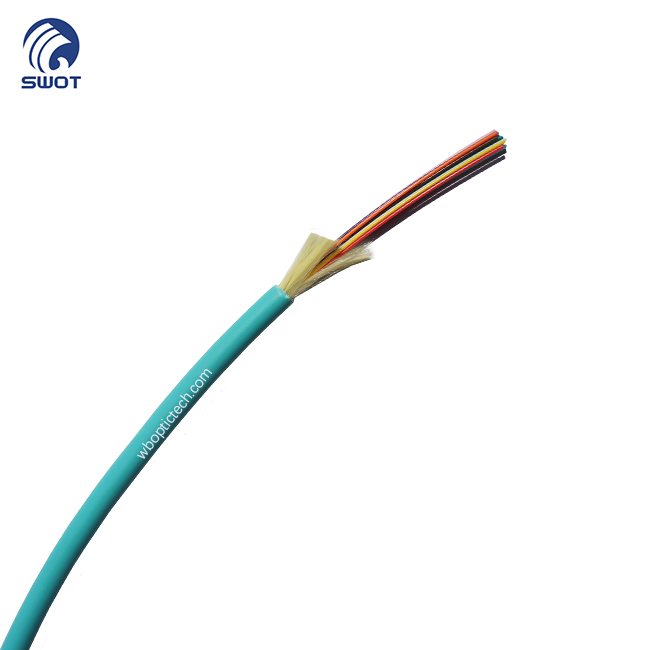
Optical fiber cable infrastructure represents a substantial investment for telecommunications networks, data centers, and enterprise communication systems. Extending the operational lifespan of your optical fiber cable depends on proactive maintenance, environmental control, and strategic inspection protocols. Understanding how to preserve optical fiber cable performance throughout its operational life directly impacts network reliability, reduces costly replacements, and maximizes return on infrastructure investment.
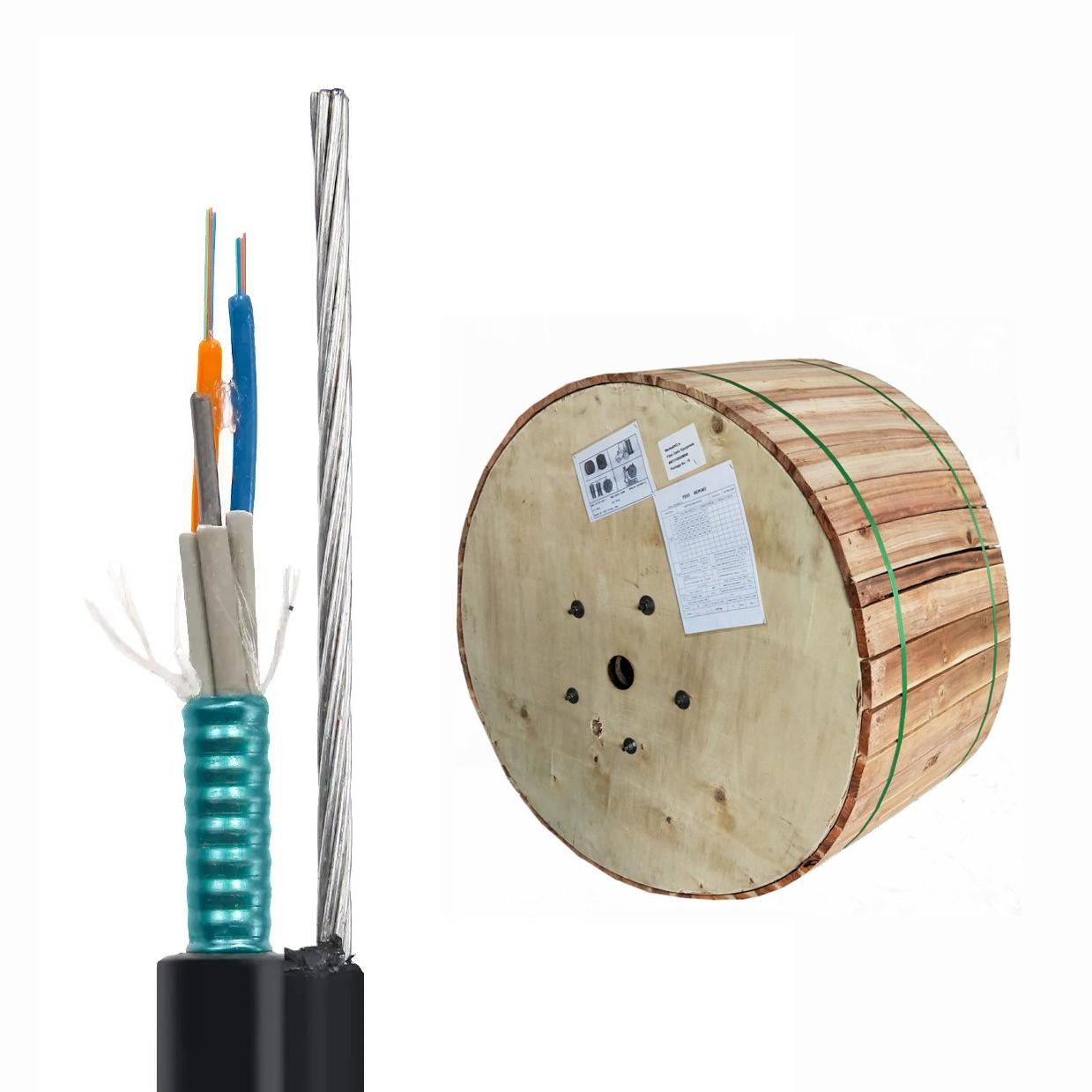
The durability of optical fiber cable systems hinges on multiple interconnected factors including installation quality, environmental exposure, handling practices, and ongoing monitoring. Networks that implement systematic maintenance approaches experience significantly fewer signal degradation events, reduced downtime, and extended optical fiber cable service intervals. This guide provides actionable maintenance strategies that telecommunications professionals, network engineers, and facility managers can deploy immediately to protect and extend optical fiber cable longevity.
Protective Installation and Environmental Control
Cable Routing and Physical Protection
Proper installation sets the foundation for optical fiber cable performance throughout its operational life. Routes must avoid sharp bends, excessive tension, and contact with sharp edges or thermal sources that compromise optical fiber cable integrity. Professional installation contractors understand that tight bends exceed the minimum bend radius specifications for optical fiber cable, causing microbending losses that degrade signal quality over time. Conduit systems, cable trays, and dedicated pathways protect optical fiber cable from mechanical stress, abrasion, and accidental damage.
Environmental factors significantly influence how long optical fiber cable maintains optimal performance characteristics. Extreme temperature fluctuations cause material expansion and contraction, stressing the optical fiber cable structure and potentially creating micro-fractures within the fiber core. Humidity, moisture infiltration, and corrosive atmospheres accelerate degradation of protective jackets and metal components within optical fiber cable assemblies. Installing optical fiber cable in controlled environments with stable temperature and humidity ranges extends service life substantially compared to exposed outdoor deployments requiring enhanced weatherproofing.
Moisture and Contamination Prevention
Moisture represents one of the most destructive threats to long-term optical fiber cable reliability. Water ingress into optical fiber cable buffer tubes causes hydrogen absorption into the glass fiber, creating attenuation peaks that degrade transmission across specific wavelengths. Installing sealed cable entry points, using appropriate cable seals and glands, and maintaining positive pressurization in duct systems prevents moisture from compromising your optical fiber cable infrastructure. Regular inspection of termination points and splice locations identifies potential entry paths before water damage occurs.
Dust, dirt, and particulate contamination reduce optical fiber cable connector performance and introduce scattering losses in transmission pathways. Keeping optical fiber cable connections protected with dust caps when not in use, maintaining clean equipment rooms, and using filtered air systems in cable storage areas minimize contamination exposure. Periodic connector cleaning using appropriate tools and solvents restores optical fiber cable interface performance when contamination does occur.
Systematic Inspection and Early Damage Detection
Regular Visual and Mechanical Inspection
Visual inspection identifies external damage to optical fiber cable jackets, compression damage from heavy equipment, and installation defects before they cascade into serious signal problems. Quarterly walkdowns of cable routes, termination areas, and outdoor segments reveal potential hazards like exposed optical fiber cable sections, deteriorating protection materials, and proximity to new construction or maintenance activities. Documentation of inspection findings creates historical records that help predict failure patterns and prioritize maintenance investments across your optical fiber cable network.
Mechanical testing using appropriate tools measures tensile strength, compression resistance, and jacket flexibility to detect material aging in installed optical fiber cable systems. Professional technicians use specified testing methodologies to confirm optical fiber cable integrity without introducing new damage during assessment. Early detection of material degradation in older optical fiber cable installations enables planned replacement before catastrophic failures disrupt service.
Optical Performance Monitoring
Optical time-domain reflectometry (OTDR) testing provides detailed insights into optical fiber cable performance, identifying signal loss, reflection anomalies, and transmission degradation across entire cable routes. Regular OTDR measurements establish baseline performance references for your optical fiber cable infrastructure, enabling engineers to detect gradual attenuation increases that signal emerging problems. Advanced optical fiber cable monitoring systems continuously track real-time transmission metrics, automatically alerting teams when performance deviates from established parameters.
Attenuation trending analysis reveals whether your optical fiber cable is experiencing accelerated aging or environmental stress. When optical fiber cable attenuation increases beyond normal rates, investigation into root causes—moisture infiltration, thermal stress, or physical damage—enables targeted corrective actions. Establishing alert thresholds for optical fiber cable performance metrics ensures problems receive attention before they impact service delivery to end users.
Maintenance Practices and Operational Management
Protective Storage and Handling Protocols
Spare optical fiber cable inventory stored in temperature-controlled environments with low humidity maintains its properties longer than cable exposed to temperature swings and moisture. Proper coil storage prevents permanent deformation of optical fiber cable from being wound too tightly or stored at excessive bend radii. Documentation systems tracking the age and environmental history of stored optical fiber cable ensure that older stock gets deployed first, preventing obsolescence of materials purchased years earlier.
Personnel training on proper handling techniques reduces accidental damage during installation, maintenance, and troubleshooting activities. Workers must understand minimum bend radius requirements, tension limitations, and safe handling procedures specific to your deployed optical fiber cable types. Equipment used around optical fiber cable—including pulling lugs, slack storage reels, and termination fixtures—should be designed or adapted to protect the cable from crushing, pinching, or sharp edge contact.
Preventive Maintenance Schedules
Establishing documented maintenance calendars ensures critical optical fiber cable inspection and testing activities occur consistently across your network infrastructure. Seasonal inspections before extreme weather events prepare outdoor optical fiber cable for temperature extremes, precipitation, and wind exposure. Post-incident inspections following construction activity, equipment failures, or environmental events identify any damage that occurred to optical fiber cable systems during disruptions.
Connector maintenance programs extend the operational life of interface components by cleaning connection points before they accumulate enough contamination to cause signal loss. Preventive maintenance documentation creates institutional knowledge about optical fiber cable system vulnerabilities, enabling newer team members to follow proven protocols rather than learning through costly mistakes. Budgeting maintenance resources based on historical failure patterns and equipment age ensures optical fiber cable systems receive appropriate attention throughout their operational lifespan.
FAQ
How often should optical fiber cable systems receive inspection?
Most telecommunications professionals recommend quarterly visual inspections of optical fiber cable routes, with comprehensive OTDR testing performed at least annually or whenever performance concerns arise. High-risk optical fiber cable segments in outdoor installations, areas with construction activity nearby, or systems supporting critical services may warrant monthly inspections. Documentation of inspection intervals and findings helps establish appropriate maintenance cadences based on your specific optical fiber cable infrastructure conditions and historical performance data.
What environmental conditions damage optical fiber cable most rapidly?
Moisture infiltration, extreme temperature fluctuations, and UV exposure represent the most destructive environmental threats to optical fiber cable longevity. Outdoor optical fiber cable exposed to freeze-thaw cycles, salt spray, and direct sunlight experiences accelerated jacket degradation and water ingress into internal structures. Installing appropriate protection—burial depth, weatherproof conduit, UV-resistant jackets—extends optical fiber cable lifespan significantly in harsh climates. Regular inspection of exposed optical fiber cable routes detects environmental damage before it compromises signal transmission.
Can maintenance restore degraded optical fiber cable performance?
While cleaning connectors and environmental controls can improve optical fiber cable performance when contamination or temporary issues exist, permanent damage to fiber or jacket materials cannot be reversed through maintenance alone. Early detection enables segment replacement or rerouting before optical fiber cable degradation becomes severe. Maintenance efforts focus on slowing degradation rates and preventing further damage rather than restoring compromised fiber; however, preventing damage through proactive maintenance proves far more cost-effective than responding to failures after they impact service.