
 EN



Selecting the right optical fiber cable is one of the most critical infrastructure decisions a buyer can make. Whether you are planning a data center expansion, upgrading a campus network, or building a long-distance telecommunications link, the optical fiber cable you choose directly affects network performance, reliability, and total cost of ownership. However, many procurement teams rush this decision by focusing only on price or manufacturer familiarity, missing crucial factors that could compromise system integrity or waste capital on unnecessary features.
Before you finalize any optical fiber cable purchase, you need a structured comparison framework that covers performance specifications, physical compatibility, environmental suitability, and long-term operational requirements. This guide walks you through the essential comparison criteria that separate a smart cable investment from a costly mistake.
Performance Specifications and Data Rate Capacity
Understanding Core and Cladding Dimensions
The optical fiber cable grade you choose defines its data-carrying capacity and distance limitations. Single-mode optical fiber cable, with a core diameter of approximately 9 micrometers, supports longer distances and higher speeds compared to multi-mode designs. The optical fiber cable standard OS2, for example, is optimized for distances beyond 10 kilometers with minimal signal loss. When comparing optical fiber cable options, verify whether the core and cladding dimensions match your network infrastructure and deployment distances.
Multi-mode optical fiber cable comes in OM1, OM2, OM3, OM4, and OM5 grades, each offering different bandwidth capacities over shorter distances. The choice between single-mode and multi-mode optical fiber cable determines not only installation scope but also connector types, transceivers, and overall system cost. Buyers often overlook this foundational distinction, leading to incompatible optical fiber cable selections that require expensive rework.
Bandwidth and Distance Specifications
Every optical fiber cable specification sheet lists bandwidth capacity measured in megahertz kilometers, or MHz·km. This metric tells you how far a specific optical fiber cable can transmit data at a given speed before signal degradation becomes unacceptable. A high-quality optical fiber cable with OM5 rating delivers 28,000 MHz·km, supporting 400-gigabit Ethernet over 150 meters. Compare these bandwidth curves against your expected link distances and data rates to ensure your optical fiber cable choice meets near-term and three-year growth projections.
Attenuation, measured in decibels per kilometer, is another critical optical fiber cable metric. Lower attenuation means your optical fiber cable maintains signal strength over longer distances, reducing the need for expensive repeaters or amplification equipment. When evaluating multiple optical fiber cable vendors, request formal attenuation measurements at the wavelengths you will use—typically 850 nanometers for multi-mode or 1310/1550 nanometers for single-mode optical fiber cable.
Connector Types, Termination, and Physical Compatibility
Connector Selection Aligned with Existing Infrastructure
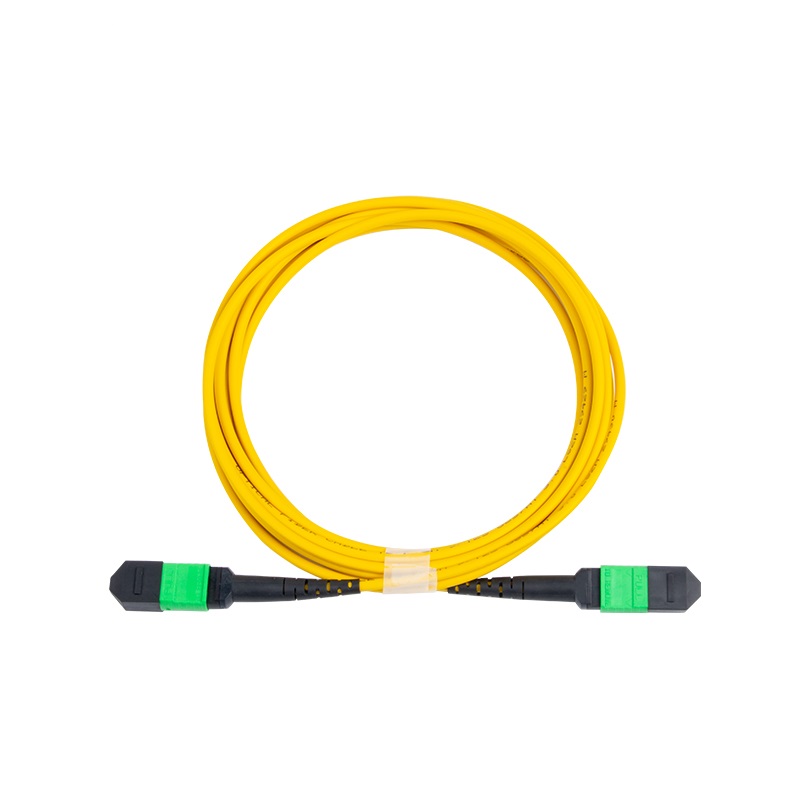
The connector type terminated on your optical fiber cable must match the equipment ports you are connecting. Common connector standards include LC, SC, ST, and MPO. An MPO-terminated optical fiber cable, for instance, is ideal for high-density data center environments where space constraints drive the need for 12 or 24 fiber ribbons in a single connector. Mismatched optical fiber cable connectors force costly conversion adapters, introduce signal loss, and complicate troubleshooting. Before finalizing your optical fiber cable specification, audit every endpoint device—switches, routers, transceivers, and patch panels—to confirm connector compatibility.
Polishing style also matters significantly for optical fiber cable performance. APC (angled physical contact) optical fiber cable connectors reflect light back into the fiber at a narrow angle, minimizing back-reflection and improving signal quality for long-distance or high-speed applications. UPC (ultra-physical contact) polished optical fiber cable delivers acceptable performance for shorter runs and lower-speed applications at lower cost. Your optical fiber cable selection should match the polishing standard already deployed in your network to avoid mixed implementations that degrade performance.
Factory Termination versus Field Installation
Pre-terminated optical fiber cable assemblies, factory-tested and shipped ready to deploy, eliminate the risk of poor field termination and reduce installation time. However, pre-terminated optical fiber cable costs more upfront and requires precise distance planning before manufacturing. In contrast, optical fiber cable supplied on reels allows on-site termination, offering flexibility but introducing quality variability if field technicians lack proper training. Many large deployments combine both approaches, using factory optical fiber cable jumpers for fixed backbone routes and on-site terminated optical fiber cable for dynamic branch connections.
Environmental Resilience and Installation Requirements
Cable Jacket Materials and Fire Ratings
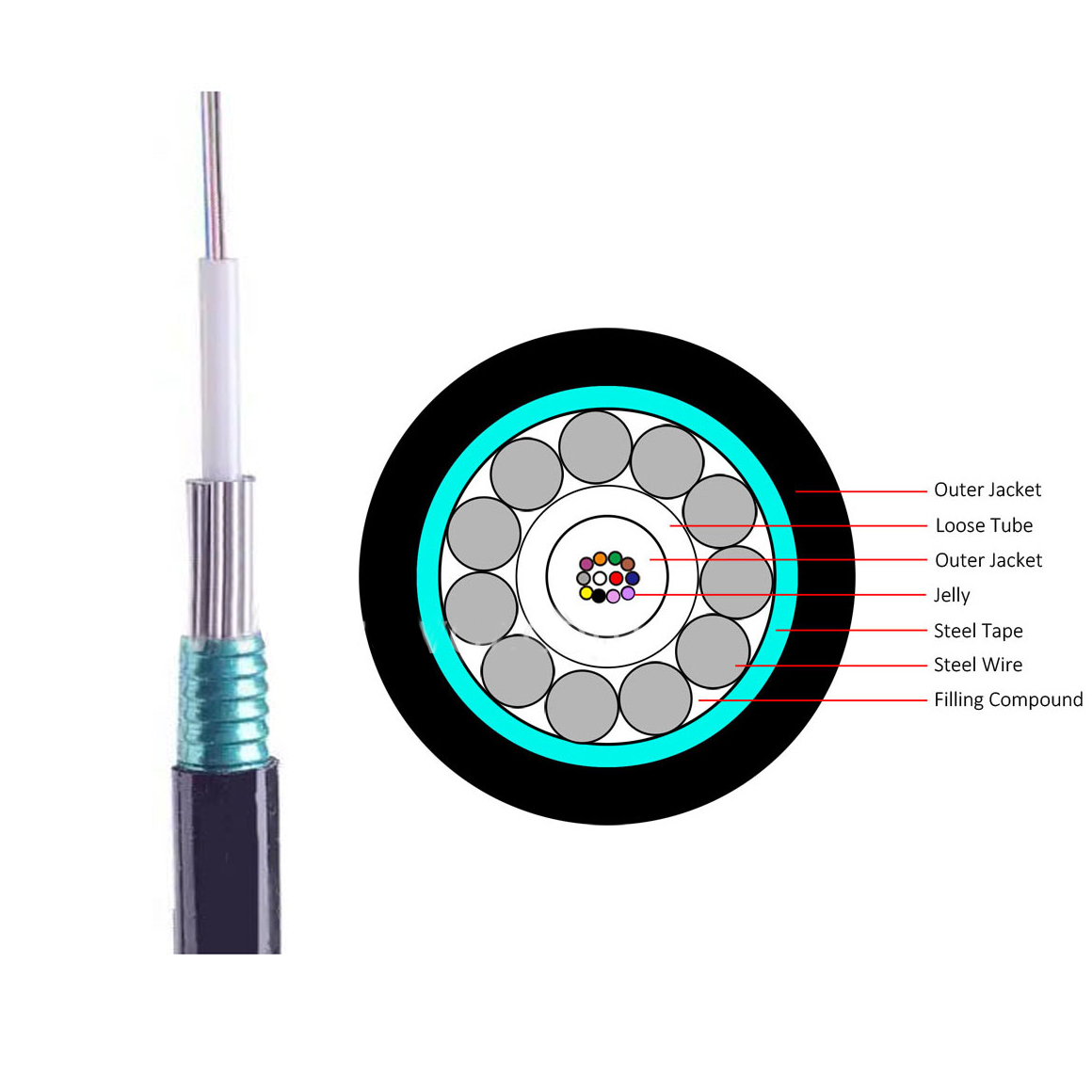
The optical fiber cable jacket material determines durability in your specific environment. OFNP-rated optical fiber cable is required inside ducts and plenums, meeting strict fire-spreading regulations in commercial buildings. OFNC optical fiber cable suits ordinary enclosures and risers. Outdoor optical fiber cable requires UV-resistant jackets, moisture barriers, and aramid reinforcement to survive temperature swings and weather exposure. When comparing optical fiber cable options, confirm the jacket rating matches your installation locations—plenum offices, outdoor trenches, underwater conduits, or industrial environments with chemical exposure.
Tight-buffered optical fiber cable, with a protective layer immediately surrounding each fiber, is more rugged than loose-tube designs but slightly larger in overall diameter. Loose-tube optical fiber cable minimizes size and weight, ideal for high-fiber-count applications or aerial spans, but requires additional handling care during installation. Your decision between tight-buffered and loose-tube optical fiber cable depends on expected handling frequency, bend radius constraints, and technician skill levels at your installation site.
Temperature Range and Bend Radius Limits
Operating temperature specifications differ significantly across optical fiber cable grades. Standard optical fiber cable typically functions between 0 and 50 degrees Celsius, while industrial optical fiber cable may withstand minus 40 to plus 70 degrees Celsius. If your optical fiber cable installation crosses rooftops, outdoor cable trays, or proximity to heating equipment, select a grade rated for extended temperature ranges to prevent performance drift or premature failure.
Bend radius defines how tightly you can coil or route your optical fiber cable without inducing microbends that degrade signal. Most single-mode optical fiber cable permits a 30-millimeter bend radius when not under tension, and up to 100 millimeters during installation. Multi-mode optical fiber cable often allows tighter bends. Verify these limits match your cable tray geometry, patch panel depth, and planned routing paths to avoid installation conflicts that force larger-than-specified optical fiber cable bends and resulting signal loss.
Cost Model and Total Lifecycle Value
Acquisition Cost versus Hidden Operational Expenses
Optical fiber cable pricing varies widely based on core type, jacket material, termination style, and production volume. Bulk reels cost significantly less per meter than pre-terminated optical fiber cable assemblies, but on-site termination introduces labor, test equipment, and rework risk. When comparing optical fiber cable quotes, calculate total cost per deployed meter including installation labor, certification testing, troubleshooting margin, and expected maintenance. Cheap optical fiber cable that fails prematurely or requires repeated troubleshooting erases initial savings within months.
Redundancy planning also affects optical fiber cable cost justification. A mission-critical application may justify dual optical fiber cable paths at higher upfront cost, while a secondary network might operate adequately on a single optical fiber cable run with lower redundancy. Compare the operational risk of optical fiber cable failure against replacement cost and downtime impact for your specific business. Some organizations discover that investing in premium optical fiber cable specifications with longer manufacturer warranties reduces five-year total cost despite higher initial purchase price.
Vendor Support and Certification Standards
Reputable optical fiber cable vendors provide detailed performance data sheets, third-party test certifications, and warranty coverage. Verify that your optical fiber cable supplier holds ISO/IEC certifications for the relevant fiber standards, and request copies of optical time-domain reflectometer traces confirming the optical fiber cable meets specification before shipment. Some vendors offer extended optical fiber cable warranties or performance guarantees that reduce your risk during the critical first operational year. This vendor engagement often costs nothing but provides significant value if the optical fiber cable fails prematurely.
FAQ
What are the main differences between single-mode and multi-mode optical fiber cable?
Single-mode optical fiber cable transmits light through a single pathway, supporting longer distances (beyond 10 kilometers) and faster speeds with minimal dispersion. Multi-mode optical fiber cable allows multiple light paths, limiting practical distance to 500–600 meters at higher speeds. Single-mode optical fiber cable typically costs more but is required for long-distance or high-speed backbone links, while multi-mode optical fiber cable suits shorter campus or data center connections. Your distance requirements and future growth plans should guide this choice.
How do I know if optical fiber cable I'm considering is compatible with my existing equipment?
Check your network equipment documentation to identify the fiber type (single-mode or multi-mode), connector style (LC, SC, MPO, etc.), and wavelength specifications required. Then request detailed optical fiber cable specifications from your vendor and cross-reference every parameter. Test compatibility by requesting sample optical fiber cable jumpers and performing continuity and loss testing before committing to a large purchase order. This validation step prevents costly incompatibility surprises during deployment.
What warranty or quality guarantees should I demand from an optical fiber cable supplier?
Reputable optical fiber cable vendors provide minimum 10-year warranties covering manufacturing defects and should supply original test data proving optical fiber cable compliance with stated specifications. Request that your optical fiber cable supplier conduct optical time-domain reflectometer testing, offer failure replacement terms, and provide technical support during installation. Some optical fiber cable suppliers also back performance claims with penalty clauses if the cable fails to deliver specified bandwidth or attenuation over the warranty period.