cista iunctionis cablum fibrae opticae
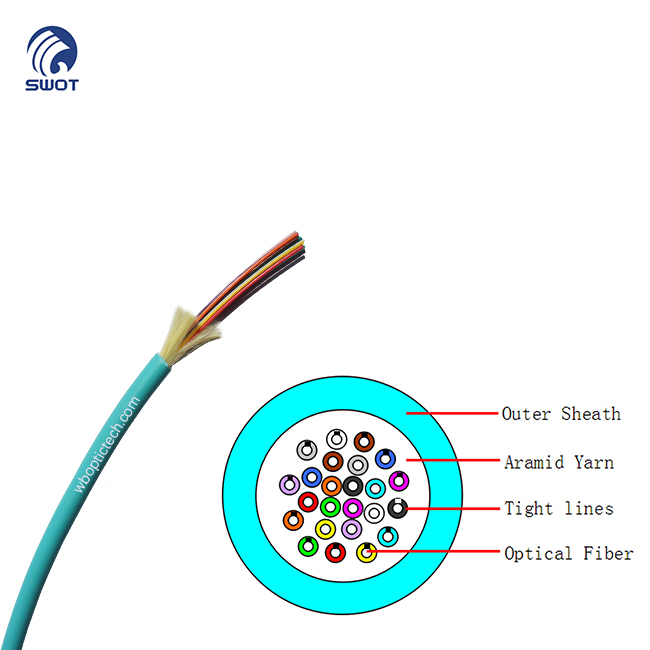
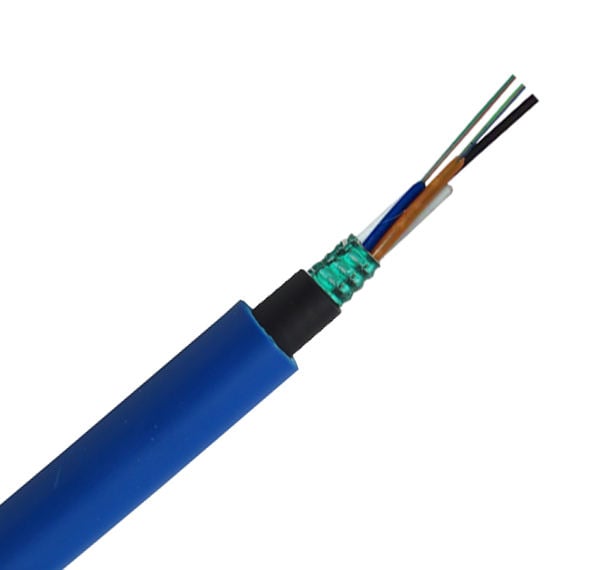
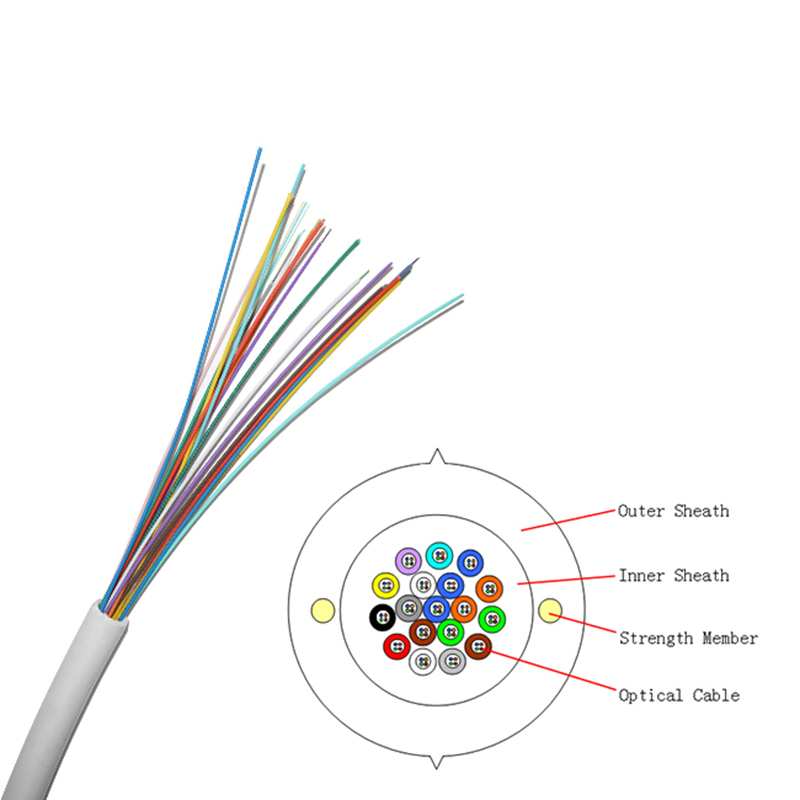
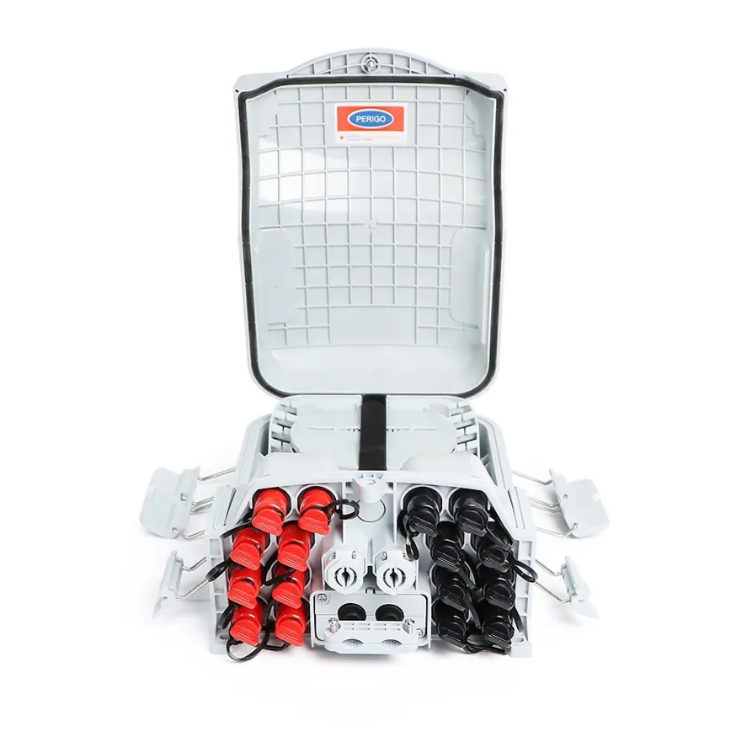
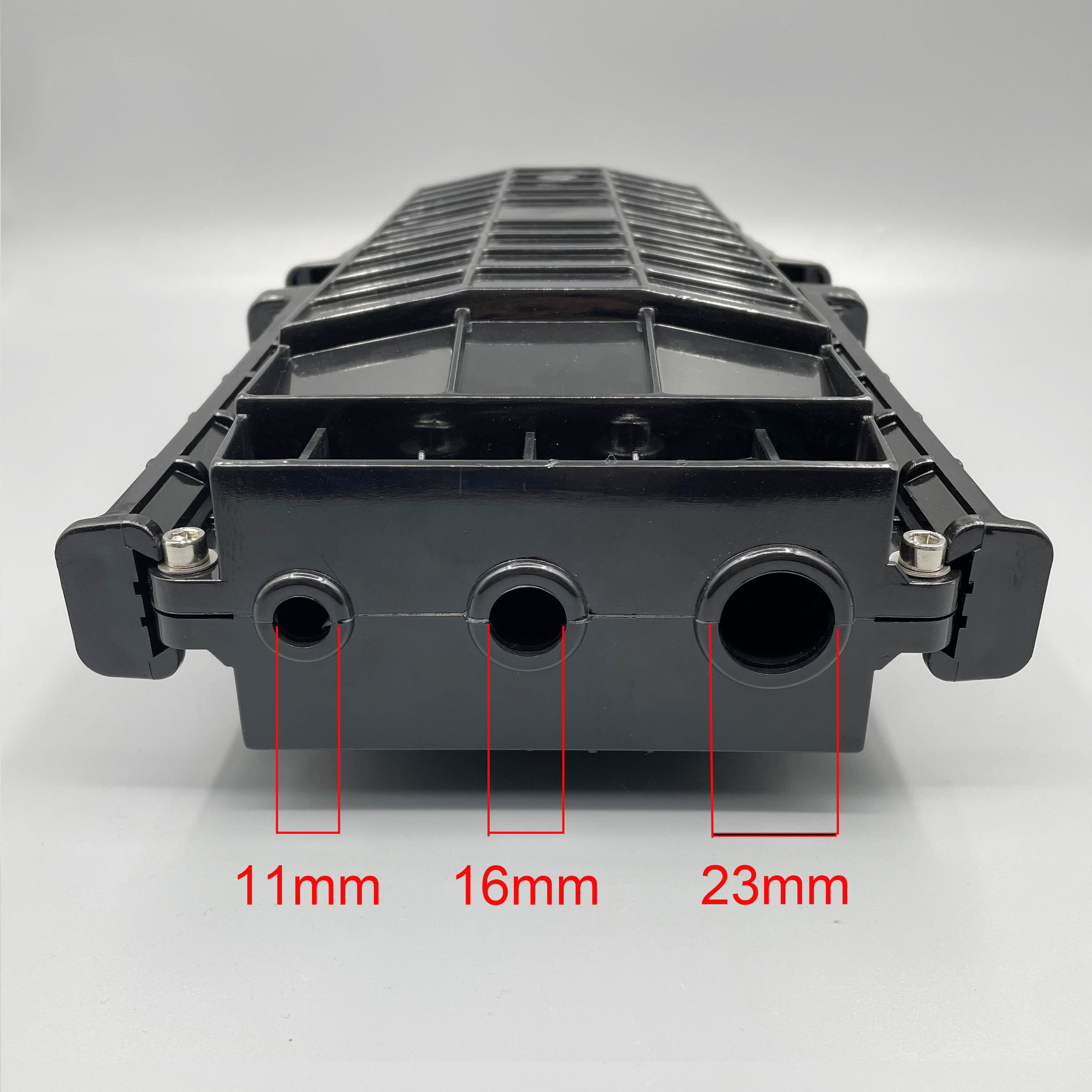
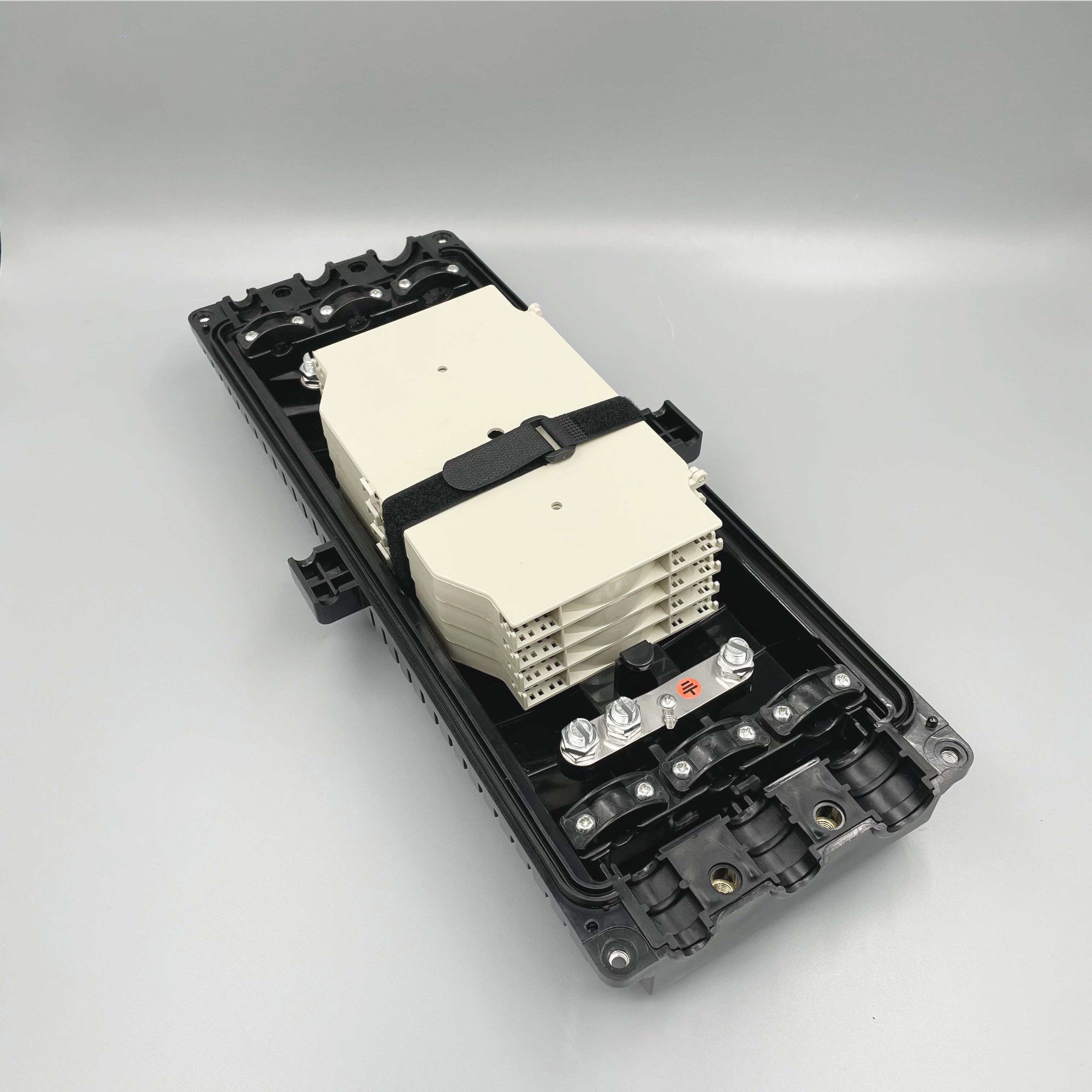
A fiber optic cable junction box functions as a vital infrastructure element within contemporary telecommunications and data transmission networks. This specialized enclosure contains connection points where fiber optic cables end, are spliced, and distribute optical signals across diverse communication systems. The fiber optic cable junction box acts as both a protective and organizational center, managing multiple fiber strands while preserving signal integrity and system reliability. Its principal roles encompass cable termination, signal distribution, and environmental shielding. Within the junction box, individual fiber optic cables link to dedicated adapters and connectors that enable uninterrupted optical signal transmission. Additionally, the fiber optic cable junction box delivers essential strain relief, safeguarding fragile fibers against physical harm from tension, bending, or external impacts. Technologically, it integrates precision-engineered components intended to reduce signal loss and reflection. Its internal layout includes structured cable management systems, connector arrays, and mounting hardware compatible with varying fiber counts and configurations. These enclosures employ robust materials resistant to environmental stressors such as moisture, temperature variations, and electromagnetic interference. Applications of the fiber optic cable junction box extend across telecommunications infrastructure, data centers, enterprise networks, and long-haul communication systems. Industries requiring high-speed data transfer rely on these junction boxes to ensure backbone network stability. Whether supporting internet service providers, telecom operators, or large-scale data operations, the fiber optic cable junction box remains indispensable infrastructure for dependable optical communications today.

 EN