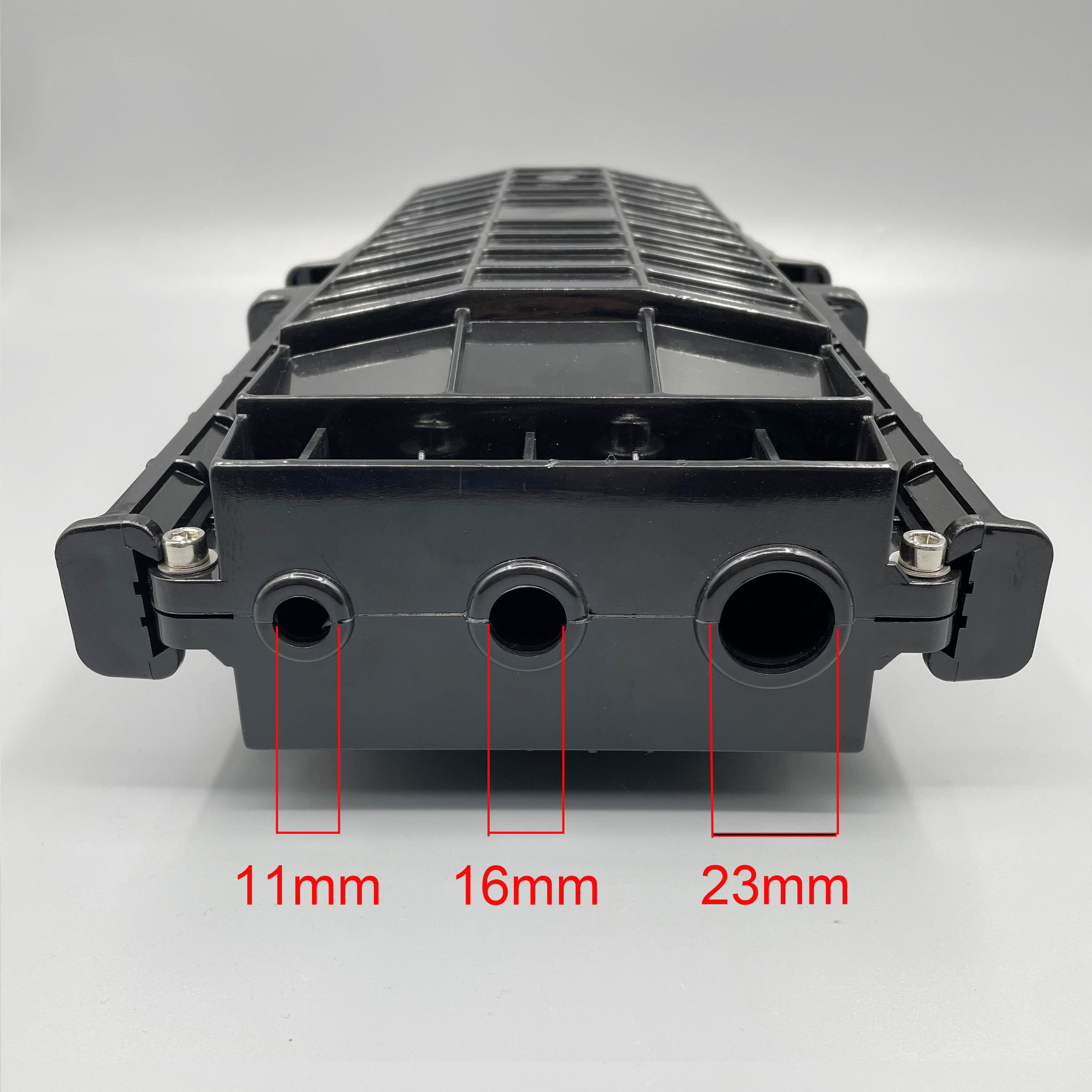
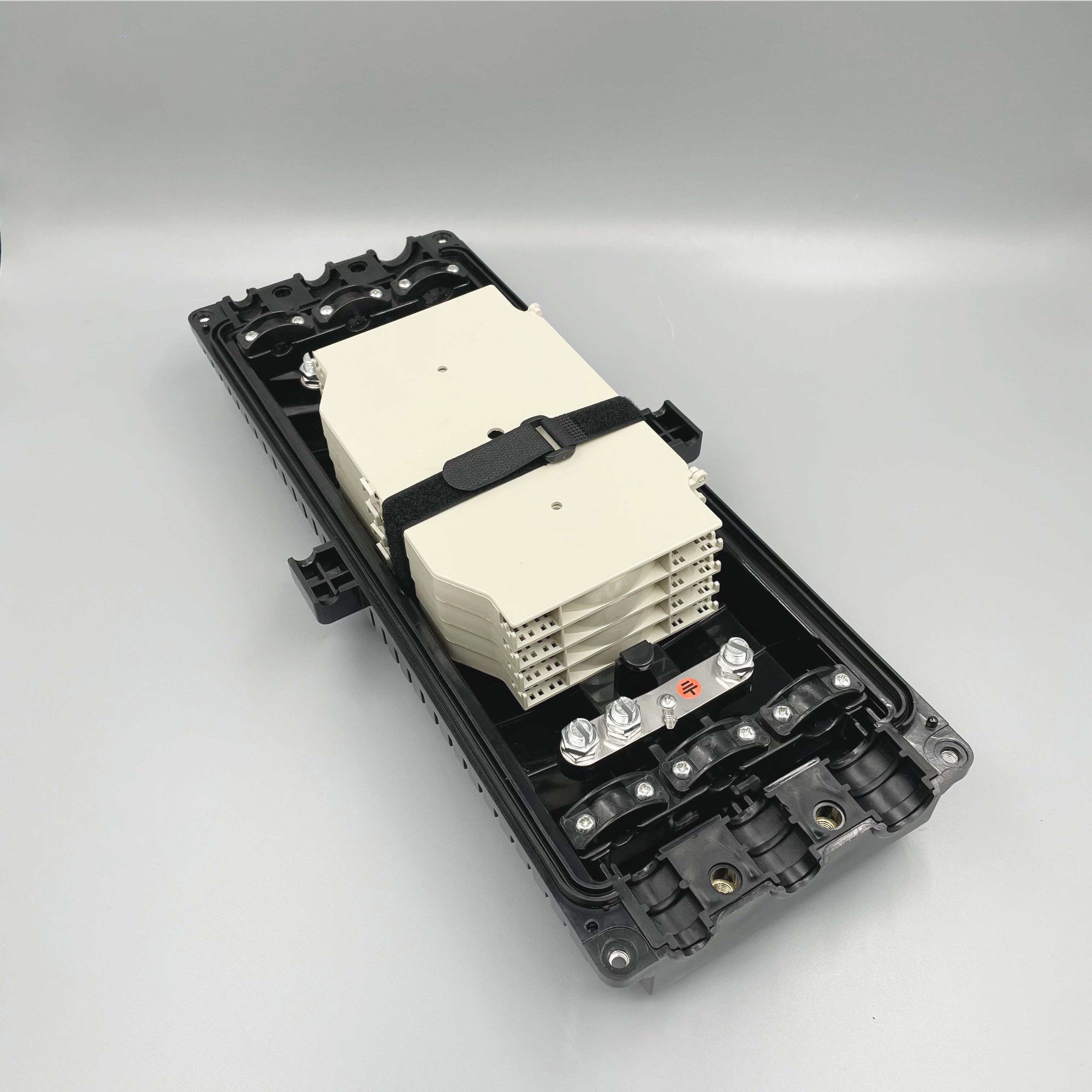
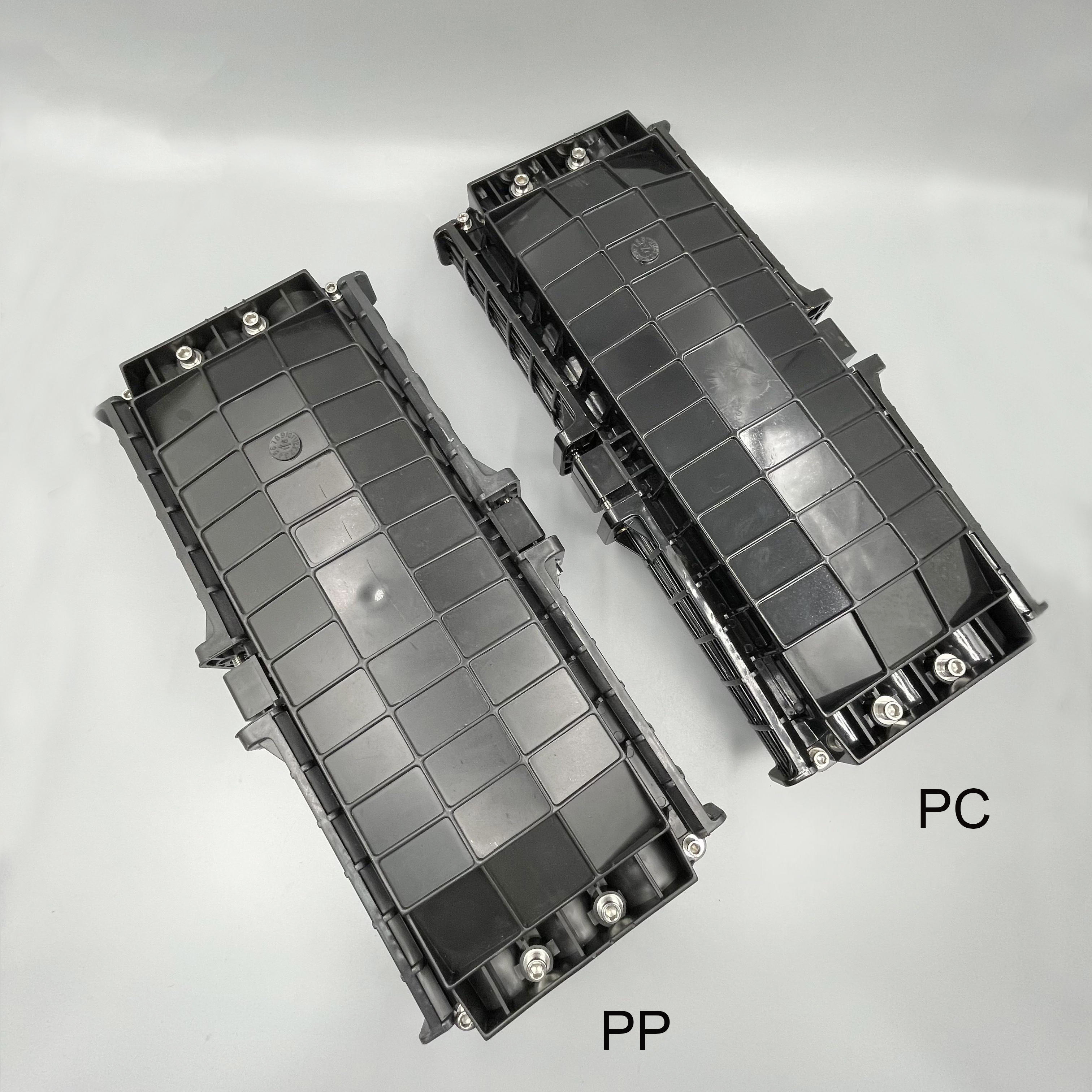
fiber optic cable junction box
A fiber optic cable junction box serves as a critical infrastructure component in modern telecommunications and data transmission networks. This specialized enclosure houses connection points where fiber optic cables terminate, splice, and distribute optical signals across various communication systems. The fiber optic cable junction box functions as a protective and organizational hub that manages multiple fiber strands while maintaining signal integrity and system reliability.
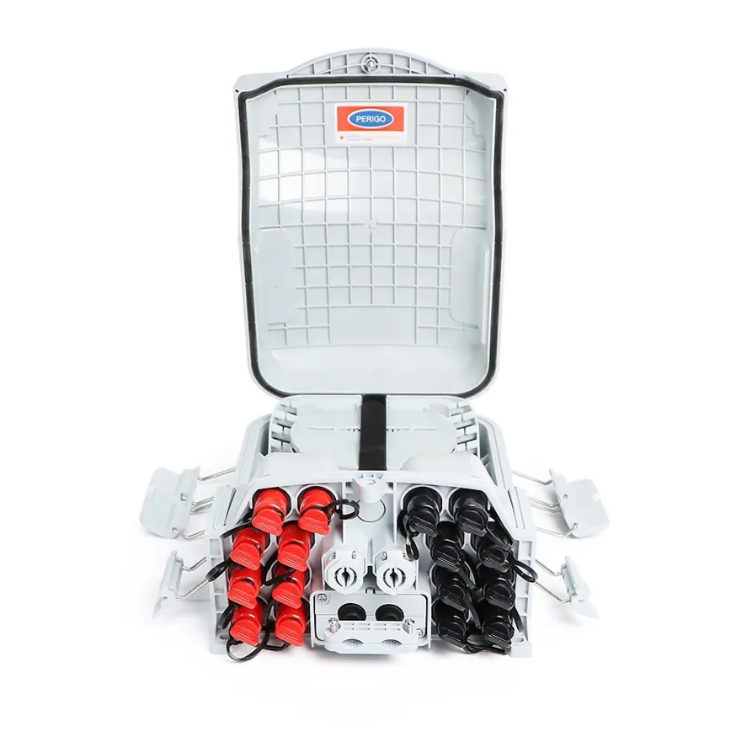
The primary functions of a fiber optic cable junction box include cable termination, signal distribution, and environmental protection. Inside the junction box, individual fiber optic cables connect to specialized adapters and connectors that facilitate seamless optical signal transmission. The fiber optic cable junction box also provides crucial strain relief, protecting delicate fibers from physical damage caused by tension, bending, or external impacts.
Technologically, a fiber optic cable junction box incorporates precision-engineered components designed to minimize signal loss and reflection. The internal architecture features organized cable management systems, connector arrays, and mounting hardware that accommodate various fiber counts and configurations. These boxes utilize durable materials resistant to environmental stressors including moisture, temperature fluctuations, and electromagnetic interference.
Applications for the fiber optic cable junction box span telecommunications infrastructure, data centers, enterprise networks, and long-distance communication systems. Industries relying on high-speed data transfer depend on these junction boxes to maintain network backbone stability. Whether supporting internet service providers, telecommunications companies, or large-scale data operations, the fiber optic cable junction box remains essential infrastructure for reliable optical communications today.

 EN