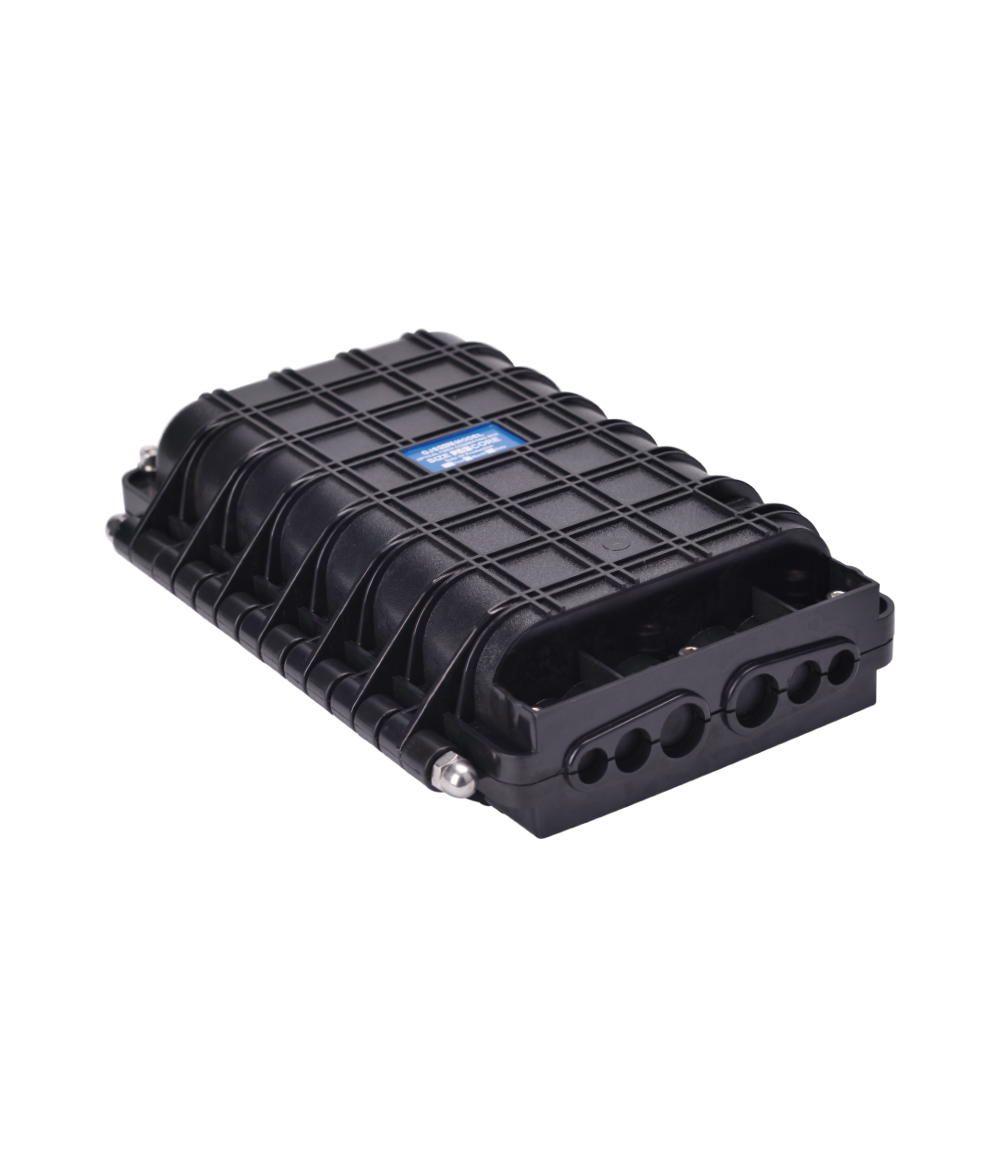
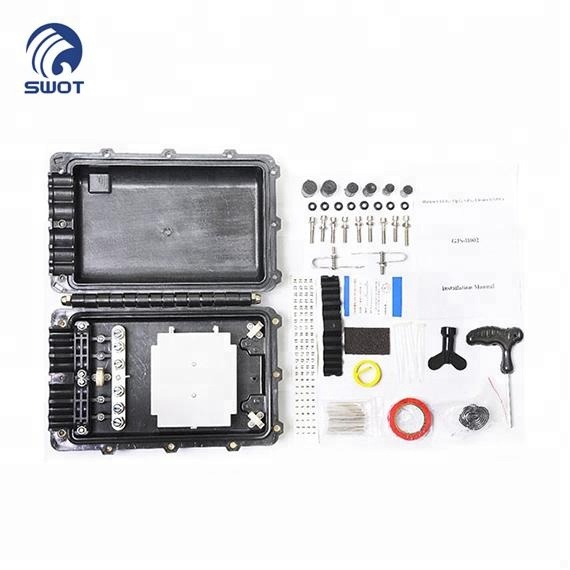
fiber joint box
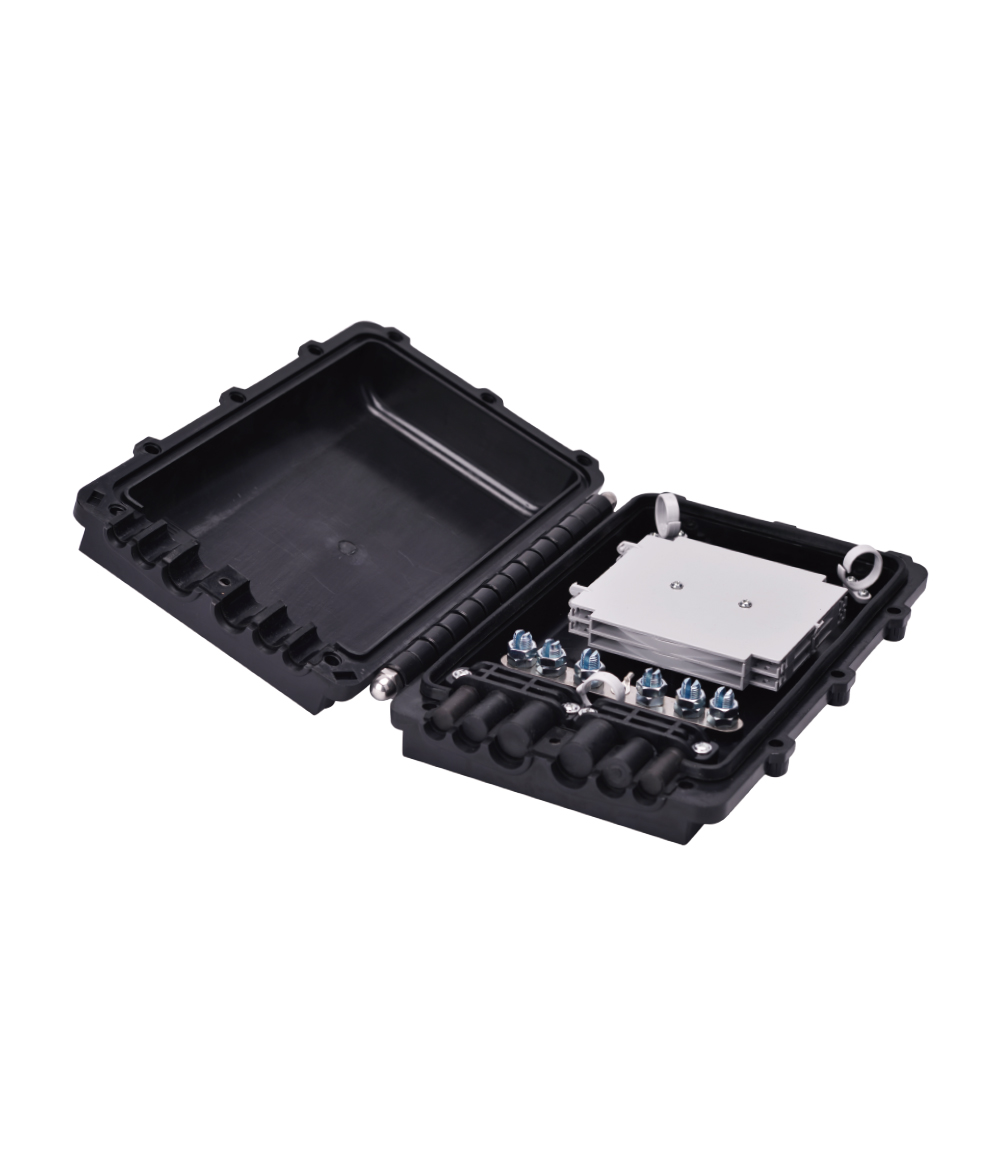
A fiber joint box is a critical infrastructure component designed to protect and manage fiber optic cable connections in telecommunications networks. This specialized enclosure serves as a junction point where multiple fiber optic cables converge, allowing technicians to organize, splice, and terminate optical fibers safely. The fiber joint box houses sensitive optical connections while providing environmental protection from dust, moisture, and physical damage that could compromise signal integrity.
The primary function of a fiber joint box is to create a secure environment for fiber optic splicing and connection management. Inside the fiber joint box, technicians can perform cable splicing using fusion or mechanical methods, arrange excess fiber into organized coils, and maintain proper bend radius requirements. The fiber joint box typically features internal cable management systems including fiber holders, splice trays, and cable routing channels that keep fibers organized and protected.
Technologically, modern fiber joint box designs incorporate advanced features such as sealed enclosures with weatherproof gaskets, UV-resistant materials, and modular internal configurations. These specifications ensure the fiber joint box maintains optimal operating conditions regardless of environmental challenges. The fiber joint box is commonly deployed in telecommunications infrastructure, including backbone networks, last-mile connectivity solutions, and data center environments where reliable fiber optic connections are essential for transmitting high-speed data across long distances.

 EN