Fiber Optic Joint Box Solutions

Get a Free Quote

Our representative will contact you soon.
Email
Mobile
Name
Company Name
Message
0/1000

fiber optic joint box

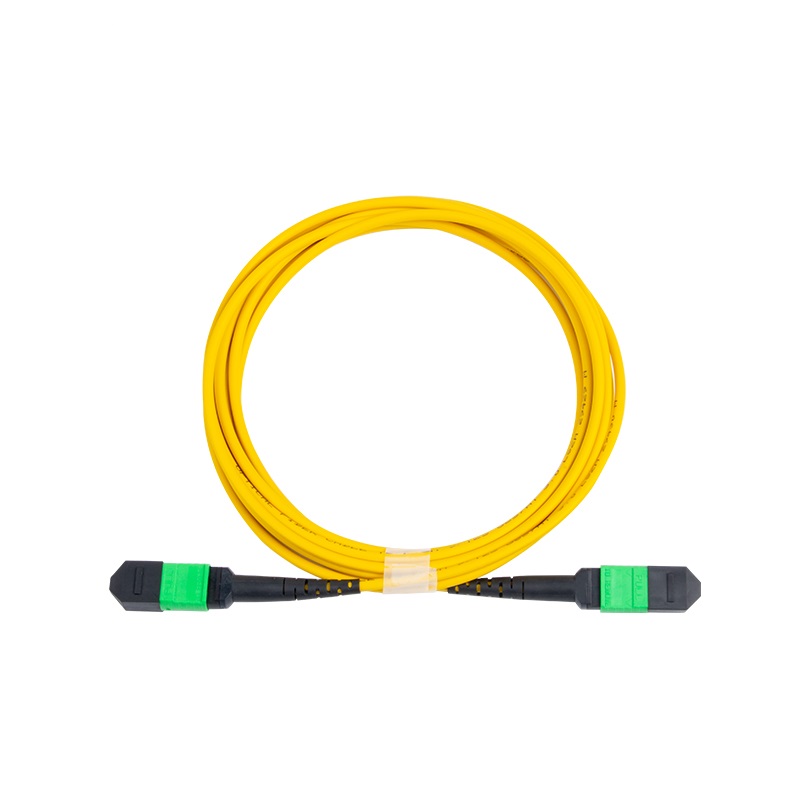
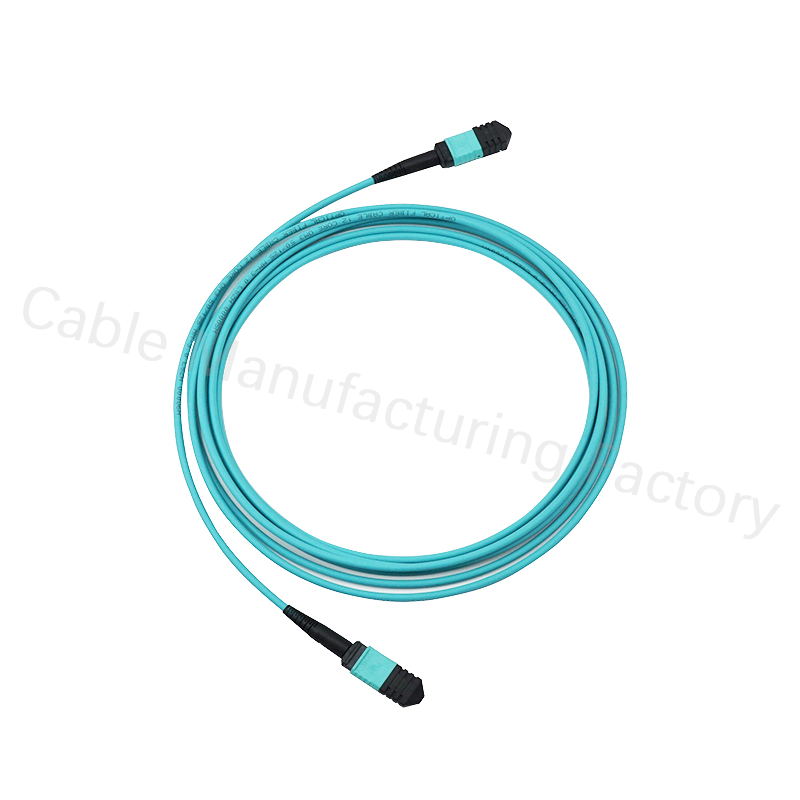
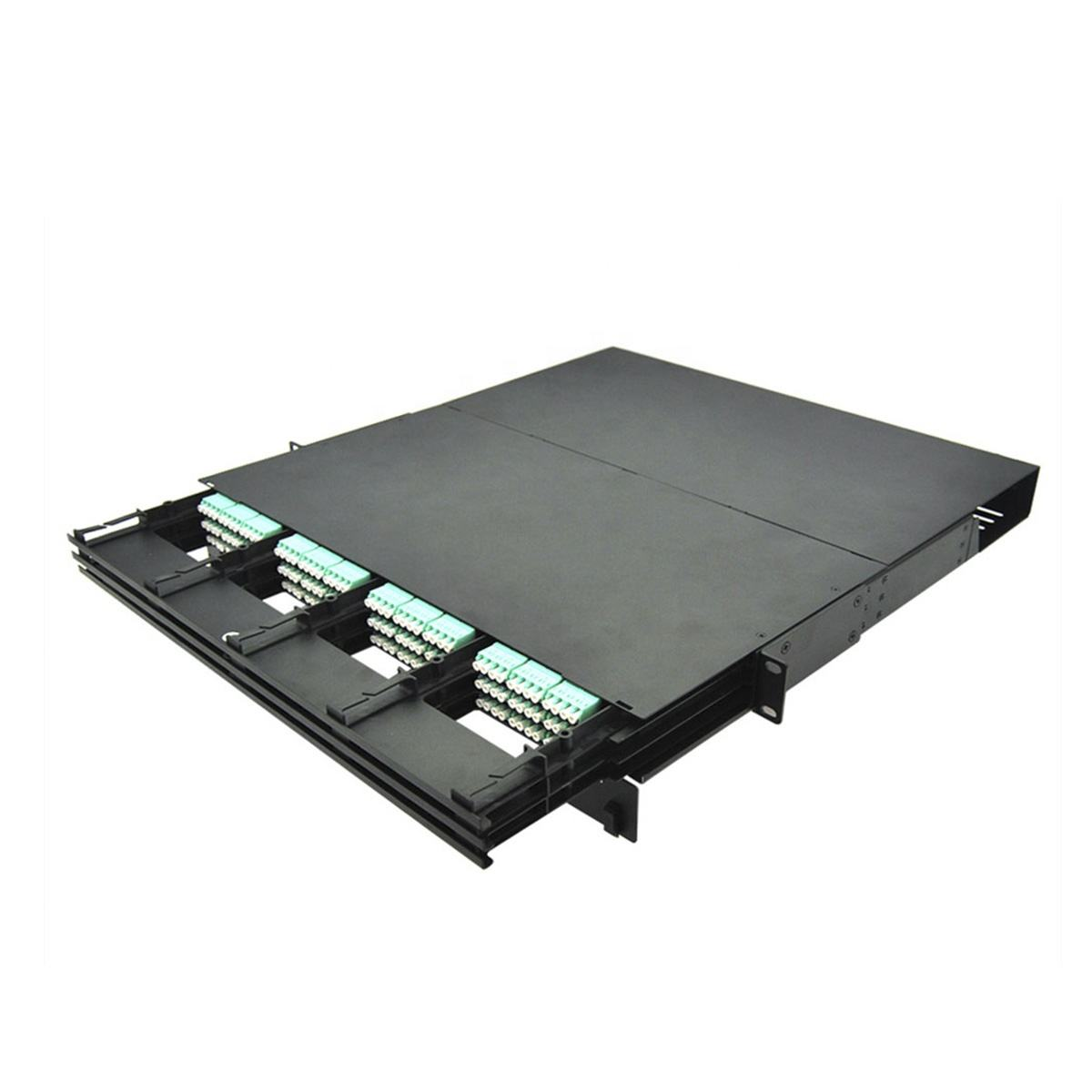
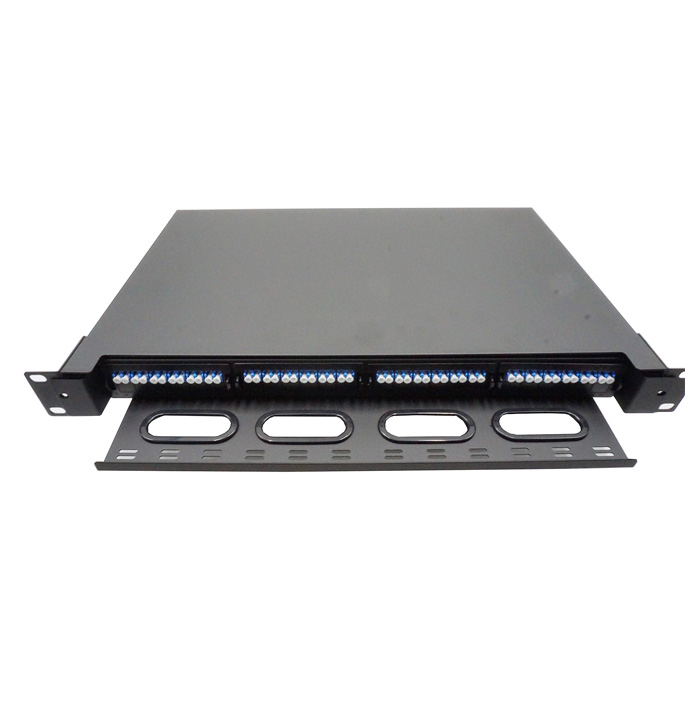
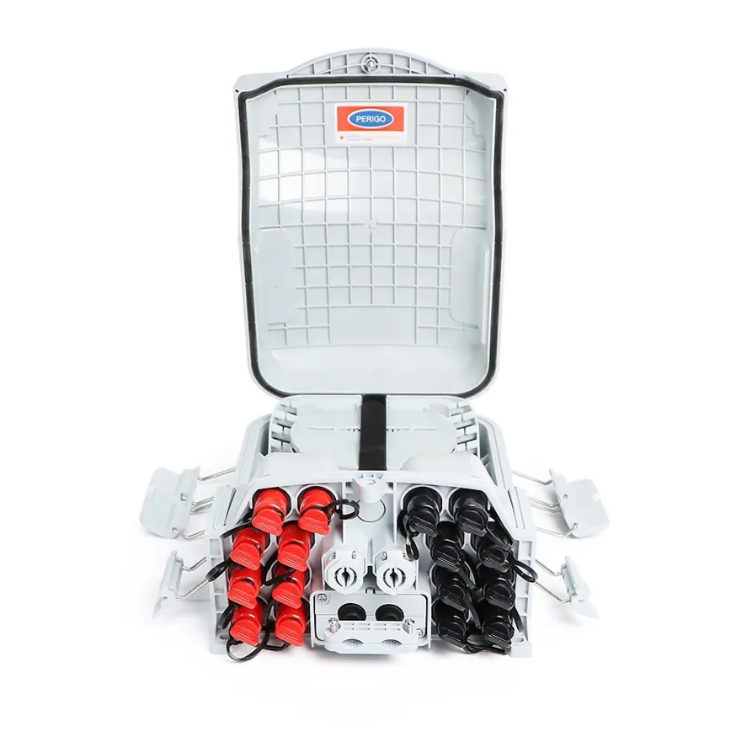
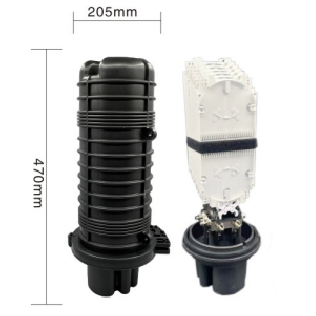
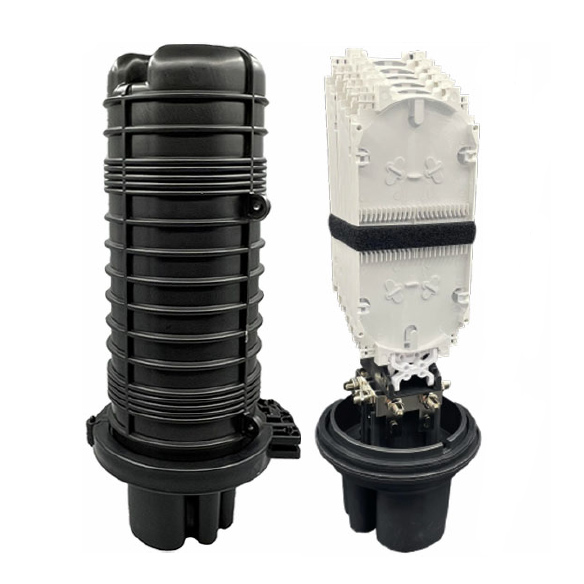
A fiber optic joint box is a critical infrastructure component designed to protect and organize fiber optic cable connections in telecommunications networks. This specialized enclosure serves as a central hub where multiple fiber optic cables converge, merge, and distribute signals safely. The fiber optic joint box functions as a protective shelter for splice points, connectors, and fusion joints, ensuring optimal signal transmission while shielding delicate optical fibers from environmental damage. The technological features of a fiber optic joint box include weatherproof housing, internal cable management systems, and advanced heat dissipation mechanisms. Modern fiber optic joint box designs incorporate modular compartments that accommodate various connector types and splice cassettes. The structural composition typically uses durable materials such as aluminum alloy or high-grade plastic, providing excellent protection against moisture, dust, and extreme temperatures. Applications for the fiber optic joint box span across multiple industries including telecommunications, data centers, broadcasting, and utility companies. Network operators deploy fiber optic joint box units in outdoor environments, underground installations, and aerial cable runs. These boxes are essential for long-distance fiber optic networks, metropolitan area networks, and fiber-to-the-home installations. The fiber optic joint box maintains signal integrity across complex network architectures while simplifying maintenance and upgrades for service providers managing extensive optical infrastructure.

New Product Releases

The fiber optic joint box delivers substantial operational benefits that transform how telecommunications networks manage connectivity. First, it protects your fiber optic investments by creating a sealed environment that prevents dust, moisture, and contaminants from degrading critical splice points. This protection translates directly into fewer service interruptions and reduced maintenance costs for your network operations. Second, a fiber optic joint box simplifies network expansion and reconfiguration. When you need to add new connections or reroute signals, the organized internal layout enables technicians to work efficiently without disturbing existing circuits. This flexibility means faster deployment times and lower labor expenses compared to scattered connection points. Third, the fiber optic joint box enhances signal quality by maintaining stable environmental conditions around splice joints. Consistent temperature and humidity control prevent micro-movements that can degrade optical performance. Your data transmission remains reliable regardless of seasonal weather changes or external conditions. Fourth, installation becomes straightforward with standardized fiber optic joint box designs. Whether you manage a small office installation or a large-scale network, these boxes integrate seamlessly with your existing infrastructure. The modular design accepts various cable types and connector standards, eliminating compatibility issues. Fifth, maintenance and troubleshooting become faster and safer. Technicians access all connection points from one location, reducing time spent in hazardous environments or difficult terrain. This centralized approach improves workplace safety while documenting network changes more effectively. The fiber optic joint box ultimately represents a smart investment in network reliability, operational efficiency, and long-term cost savings for telecommunications professionals.

Tips And Tricks

Why Do Telecom Providers Prefer Fiber Optic Cable Systems?

02

Aug

Why Do Telecom Providers Prefer Fiber Optic Cable Systems?

The telecommunications industry has undergone a fundamental transformation over the past two decades, and at the heart of this revolution sits fiber optic cable technology. Telecom providers worldwide have made a strategic shift toward fiber optic ca...
View More
How Can a Fiber Optic Terminal Box Improve Cable Management?

03

Aug

How Can a Fiber Optic Terminal Box Improve Cable Management?

In modern telecommunications and data center environments, managing fiber optic cables efficiently is critical to maintaining network performance and operational reliability. A fiber optic terminal box serves as the central hub for organizing, protec...
View More
Which Fiber Optic Terminal Box Works Best for FTTH Projects?

04

Aug

Which Fiber Optic Terminal Box Works Best for FTTH Projects?

Selecting the right fiber optic terminal box is critical for the success of any fiber-to-the-home (FTTH) project. The fiber optic terminal box serves as the central distribution point where fiber cables are organized, protected, and connected to cust...
View More
How Does a Fiber Optic Terminal Box Simplify Maintenance?

04

Aug

How Does a Fiber Optic Terminal Box Simplify Maintenance?

Modern telecommunications networks depend on reliable infrastructure that minimizes downtime and simplifies ongoing maintenance. A fiber optic terminal box serves as a critical hub in optical networks, providing a centralized point for managing, orga...
View More

Get a Free Quote

Our representative will contact you soon.
Email
Mobile
Name
Company Name
Message
0/1000

fiber optic joint box

Superior Environmental Protection and Durability

Superior Environmental Protection and Durability

A fiber optic joint box provides uncompromising environmental protection for your optical network infrastructure. The sealed design shields internal splice points and connectors from rain, snow, dust, and temperature fluctuations that compromise signal integrity. Premium fiber optic joint box models feature gaskets and weatherproof seals that maintain internal stability for decades. This protection proves especially valuable in harsh outdoor environments where cables are exposed to direct sunlight, saltwater spray, or extreme weather conditions. The robust construction prevents corrosion and degradation of connection hardware, ensuring your investment remains protected throughout its operational lifetime. Organizations deploying fiber optic joint box systems in challenging locations experience dramatically reduced failure rates and emergency repairs. The long-term durability translates to lower total cost of ownership and predictable network performance.
Enhanced Cable Organization and Management Capabilities

Enhanced Cable Organization and Management Capabilities

Managing dozens of fiber optic cables becomes dramatically simpler with a fiber optic joint box organizing your connections strategically. The internal compartment design separates incoming and outgoing cables, preventing tangling and accidental disconnections that disrupt service. Color-coded routing guides and labeled splice cassettes within the fiber optic joint box help technicians quickly identify specific circuits without confusion. This organizational excellence reduces installation time significantly and minimizes errors during network modifications. Technicians spend less time tracing cable paths and more time completing productive work. The structured approach in a fiber optic joint box prevents future maintenance headaches and emergency troubleshooting scenarios. Whether managing thirty cables or three hundred, the orderly system maintains visual clarity and logical separation. Your network documentation becomes more accurate when the fiber optic joint box provides clear physical organization that matches your network maps and records.
Cost-Effective Network Reliability and Scalability

Cost-Effective Network Reliability and Scalability

Deploying a fiber optic joint box transforms network economics by centralizing connection management and reducing infrastructure complexity. Single-point protection eliminates the need for individual cable covers or scattered junction points that demand constant monitoring. The fiber optic joint box consolidates your technical oversight into one manageable location, reducing staffing requirements for network maintenance. This centralized approach lowers operational expenses while improving response times when problems arise. Upgrading your network becomes more economical because the fiber optic joint box framework accommodates future expansion without complete infrastructure replacement. You add new circuits and connections incrementally without expensive redesigns. Telecommunications providers report significant cost reductions in equipment, labor, and emergency repairs after implementing structured fiber optic joint box systems. The initial investment pays dividends through years of reliable, economical operation. Scalability features ensure your fiber optic joint box grows with your network needs rather than becoming obsolete as capacity demands increase.

Get a Free Quote

Our representative will contact you soon.
Email
Mobile
Name
Company Name
Message
0/1000