Fiber Optic Joint Enclosure | Protection & Reliability

Get a Free Quote

Our representative will contact you soon.
Email
Mobile
Name
Company Name
Message
0/1000

fiber optic joint enclosure

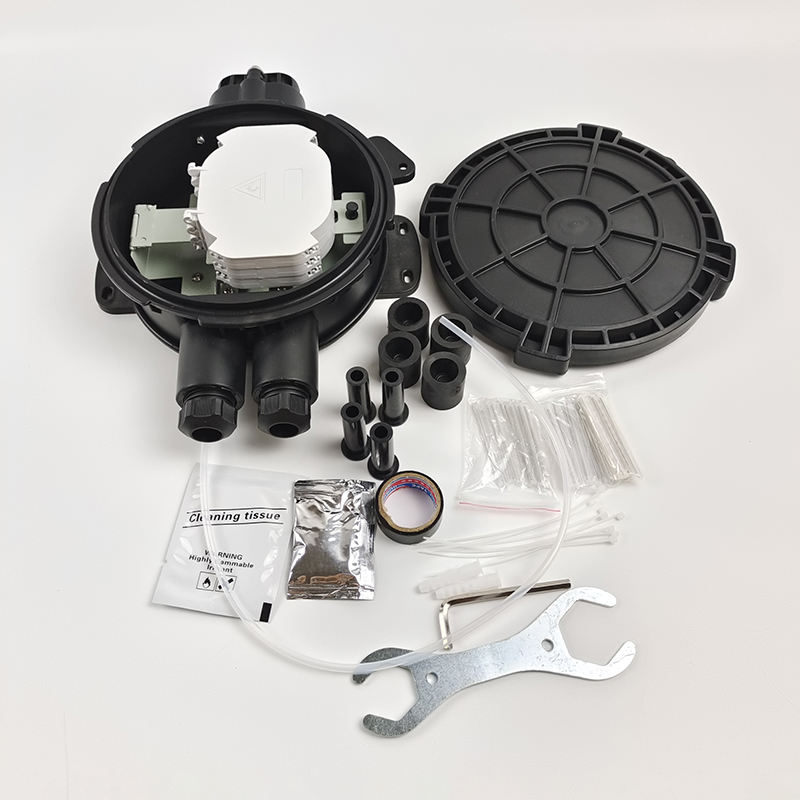
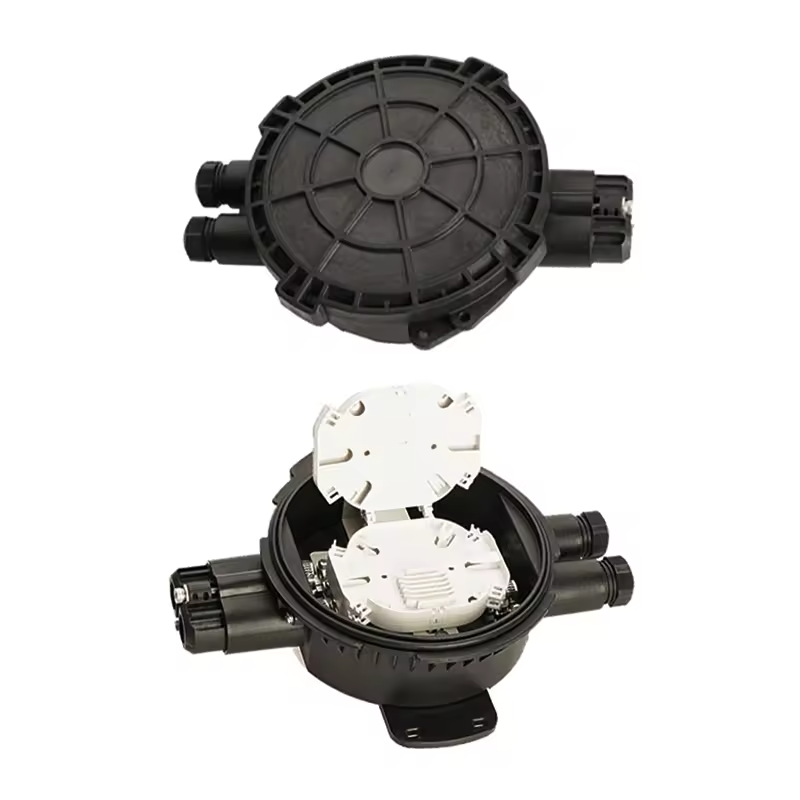
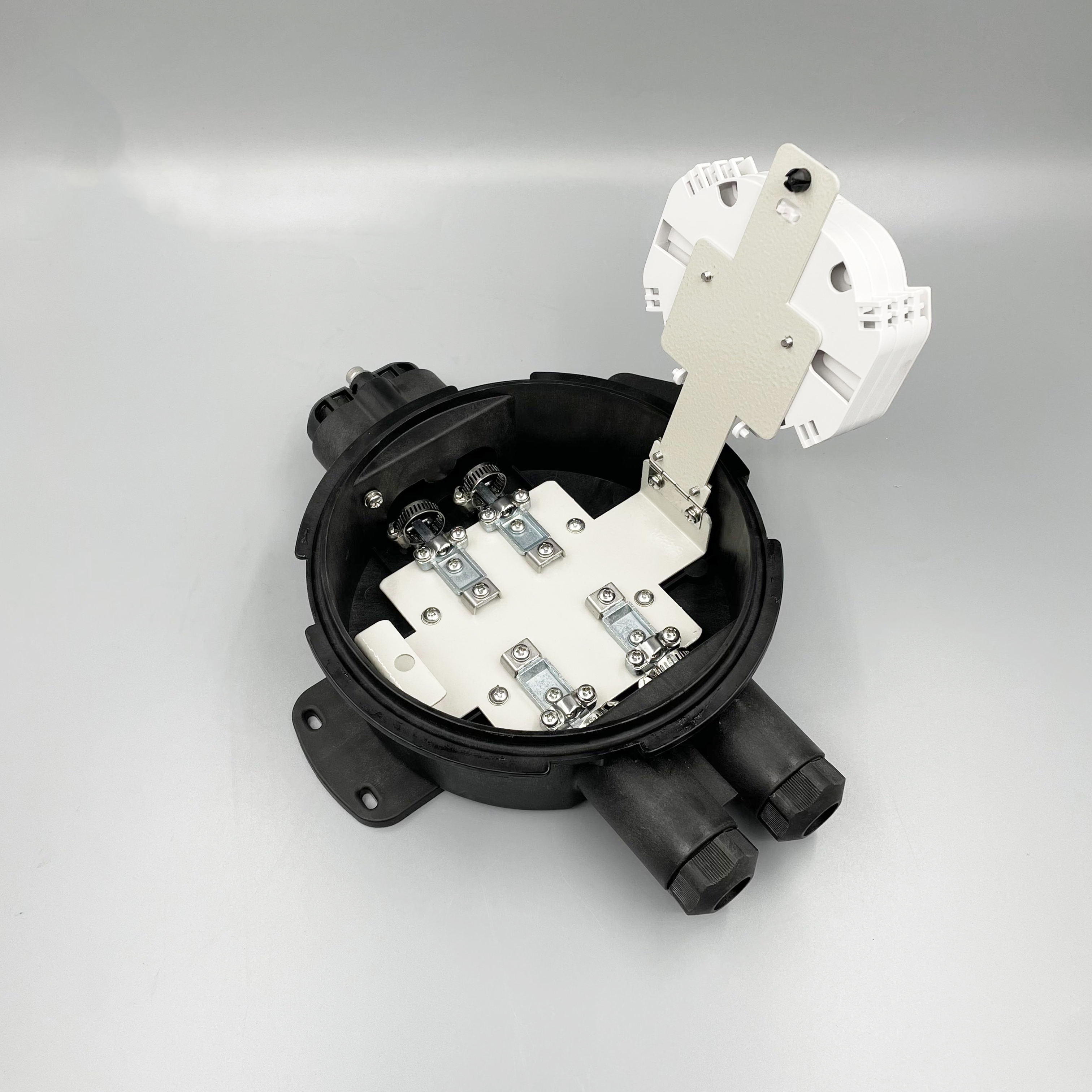
A fiber optic joint enclosure is a critical infrastructure component designed to protect and organize fiber optic cable connections at junction points throughout optical networks. This specialized housing securely manages splice points where multiple fiber optic cables converge, ensuring reliable signal transmission and network performance. The fiber optic joint enclosure serves as a protective barrier against environmental hazards including moisture, dust, temperature fluctuations, and physical damage that could compromise connection integrity. Modern fiber optic joint enclosure designs incorporate advanced features such as superior sealing mechanisms, compact layouts, and modular configurations that accommodate various cable types and splice counts. Inside a fiber optic joint enclosure, technicians organize individual optical fibers using precision trays and routing systems that maintain proper bend radius requirements. These enclosures support both underground and aerial installations, adapting to diverse deployment scenarios across telecommunications networks, data centers, and enterprise systems. The fiber optic joint enclosure typically includes weatherproof gaskets, corrosion-resistant materials, and thermal management features that maintain stable operating conditions. Installation of a fiber optic joint enclosure requires careful planning to optimize accessibility for maintenance while preserving cable protection. Industry standards govern fiber optic joint enclosure specifications, ensuring compatibility across networks and consistent performance metrics. Whether managing hundreds or thousands of fiber pairs, a quality fiber optic joint enclosure provides the structural foundation necessary for maintaining network reliability and longevity in demanding environments.

New Products

A fiber optic joint enclosure delivers substantial operational value by consolidating cable connections in a single, manageable location rather than scattering splices across multiple vulnerable points. This centralized approach reduces installation time, simplifies maintenance procedures, and lowers overall deployment costs for network operators. The fiber optic joint enclosure protects expensive optical fiber investments by shielding connections from environmental damage, UV exposure, and accidental physical stress that could otherwise require costly repairs. Network technicians appreciate how a fiber optic joint enclosure improves accessibility during routine inspections and upgrades, eliminating time-consuming troubleshooting sessions in difficult terrain or hazardous locations. By housing multiple fiber pairs within one protective structure, a fiber optic joint enclosure minimizes signal loss caused by environmental factors, directly improving network performance and customer satisfaction. Operational efficiency increases significantly when using a fiber optic joint enclosure, as technicians can identify connection problems faster and execute repairs with greater precision in controlled conditions. The fiber optic joint enclosure design accommodates future network expansion through modular configurations that accept additional cables without requiring complete system replacement. Long-term cost savings emerge because a reliable fiber optic joint enclosure reduces emergency service calls, extends cable lifespan, and decreases downtime expenses associated with connection failures. Installation flexibility is another key advantage, as the fiber optic joint enclosure adapts to underground conduits, above-ground cable trays, and pole-mounted configurations across various terrain types. Businesses choosing a fiber optic joint enclosure gain peace of mind through redundant protection mechanisms and compliance with industry reliability standards, ensuring consistent network availability and performance metrics over extended operational periods.

Tips And Tricks

What Industries Benefit Most from Fiber Optic Cable Solutions?

22

Jul

What Industries Benefit Most from Fiber Optic Cable Solutions?

The modern industrial landscape increasingly depends on reliable, high-speed data transmission, making fiber optic cable a critical infrastructure component across numerous sectors. Organizations worldwide recognize that fiber optic cable delivers su...
View More
Which Fiber Optic Cable Fits Different Installation Needs Best?

15

Jul

Which Fiber Optic Cable Fits Different Installation Needs Best?

Selecting the right fiber optic cable for your specific installation needs is one of the most critical decisions in modern networking infrastructure. The wrong choice can lead to performance bottlenecks, costly reinstallation, and unnecessary downtim...
View More
How Does Fiber Optic Cable Reduce Long-Term Network Costs?

29

Jul

How Does Fiber Optic Cable Reduce Long-Term Network Costs?

When evaluating long-term network infrastructure investments, many organizations struggle to justify the upfront costs of upgrading to modern solutions. However, fiber optic cable technology delivers a compelling financial case that extends far beyon...
View More
Which Fiber Optic Terminal Box Works Best for FTTH Projects?

04

Aug

Which Fiber Optic Terminal Box Works Best for FTTH Projects?

Selecting the right fiber optic terminal box is critical for the success of any fiber-to-the-home (FTTH) project. The fiber optic terminal box serves as the central distribution point where fiber cables are organized, protected, and connected to cust...
View More

Get a Free Quote

Our representative will contact you soon.
Email
Mobile
Name
Company Name
Message
0/1000

fiber optic joint enclosure

Environmental Protection and Weatherproof Design

Environmental Protection and Weatherproof Design

A fiber optic joint enclosure excels at shielding delicate optical connections from harsh environmental conditions that threaten network reliability. Advanced sealing technologies integrated throughout the fiber optic joint enclosure create multiple defensive layers against moisture infiltration, salt spray corrosion, and temperature extremes that affect coastal installations and industrial environments. The fiber optic joint enclosure uses precision gaskets, reinforced entry ports, and hermetically sealed chambers to maintain interior conditions optimal for fiber optic equipment. UV-resistant materials prevent degradation from prolonged sun exposure, extending the service life of the fiber optic joint enclosure significantly beyond standard enclosure lifespans. Whether installed in mountainous terrain with extreme temperature swings or coastal areas with salt-laden air, a well-engineered fiber optic joint enclosure maintains consistent internal conditions that preserve signal integrity and connection reliability. This environmental protection directly translates to reduced maintenance frequency and fewer emergency repairs, providing measurable cost savings for network operators managing large cable infrastructure networks.
Scalable Capacity and Modular Configuration

Scalable Capacity and Modular Configuration

Modern fiber optic joint enclosure solutions offer flexible internal configurations that grow alongside network demands without requiring expensive replacement installations. The fiber optic joint enclosure design accommodates varying splice counts, from small deployment scenarios with dozens of fiber pairs to large metropolitan networks managing thousands of connections seamlessly. Modular tray systems within the fiber optic joint enclosure allow technicians to optimize space utilization and reconfigure internal layouts as network requirements evolve and change. Installation of additional splitter modules or routing components inside a fiber optic joint enclosure proceeds quickly, minimizing service disruption and network downtime during capacity expansion projects. The fiber optic joint enclosure provides future-proof infrastructure investment by accepting new fiber types, advanced splicing techniques, and emerging optical technologies without structural modifications. This scalability advantage means businesses implement single fiber optic joint enclosure installations that serve network requirements for years, delaying capital expenditures on supplementary equipment and reducing total cost of ownership metrics significantly over extended planning horizons.
Enhanced Network Reliability and Signal Integrity

Enhanced Network Reliability and Signal Integrity

Installing a fiber optic joint enclosure directly improves network performance by minimizing signal loss and connection failures that compromise service quality. The fiber optic joint enclosure maintains proper fiber bend radius requirements through precision internal routing, preventing microbending losses that gradually degrade optical signal strength over time. Professional-grade fiber optic joint enclosure designs incorporate organized cable management systems that eliminate tangled connections and reduce stress on individual fiber strands during installation and maintenance procedures. Signal integrity improves because the fiber optic joint enclosure creates controlled environments where optical connections remain stable, free from vibration, movement, and mechanical stress affecting exposed splice points. Network operators report measurable improvements in connection reliability metrics after implementing a comprehensive fiber optic joint enclosure strategy across their infrastructure. The fiber optic joint enclosure provides standardized performance characteristics and redundant backup mechanisms that ensure consistent availability metrics, supporting service level agreements and customer satisfaction benchmarks essential for competitive telecommunications operations.

Get a Free Quote

Our representative will contact you soon.
Email
Mobile
Name
Company Name
Message
0/1000