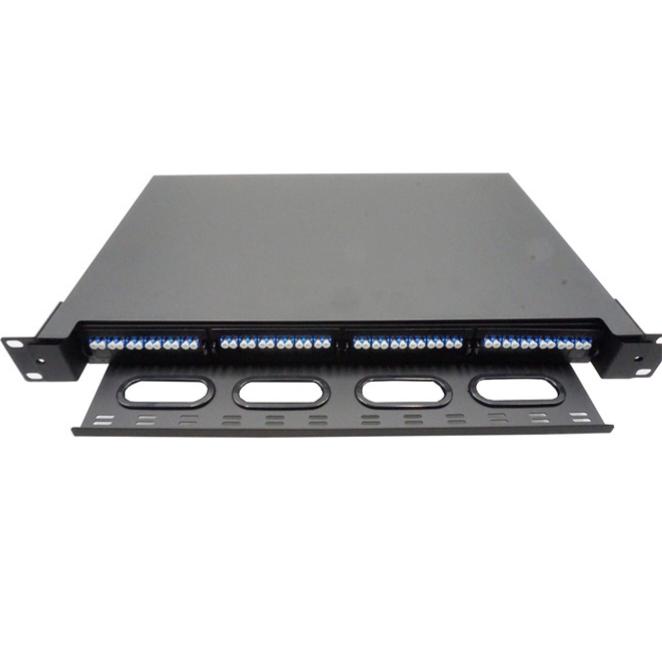
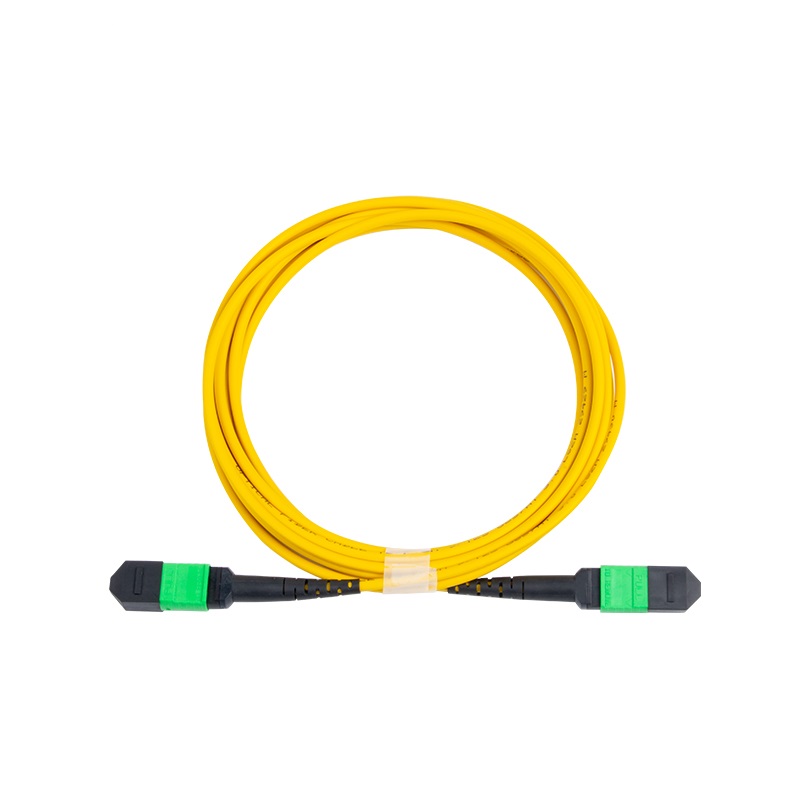
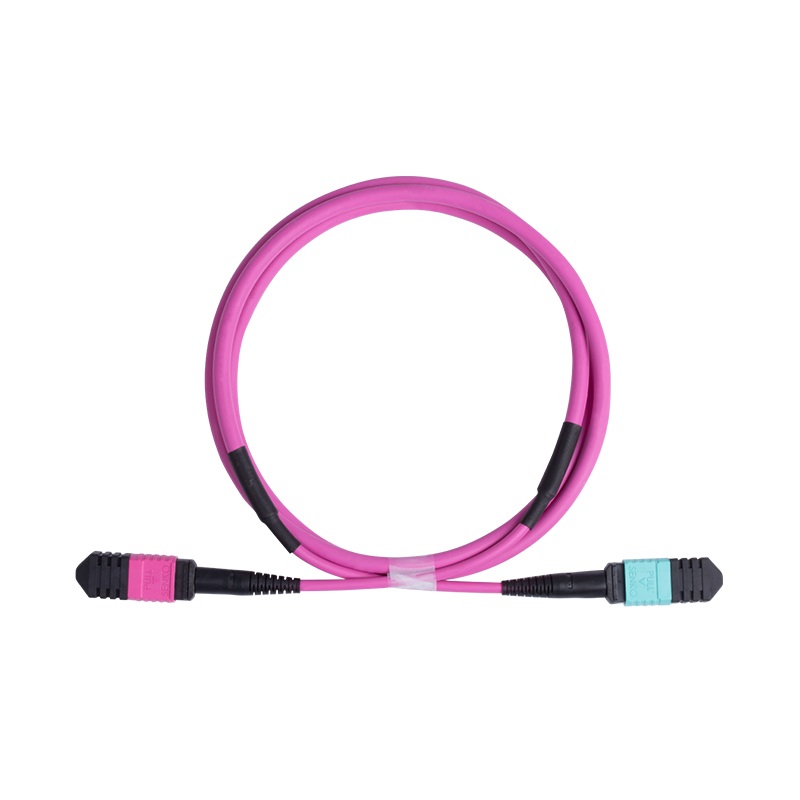
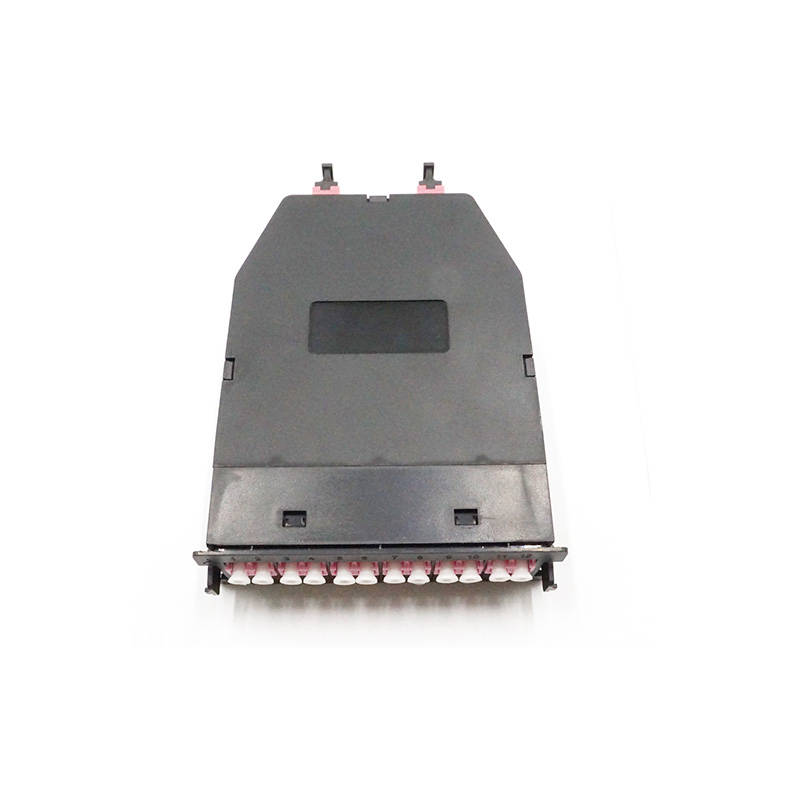
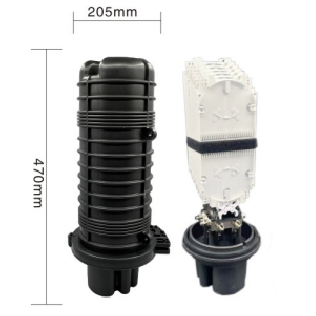
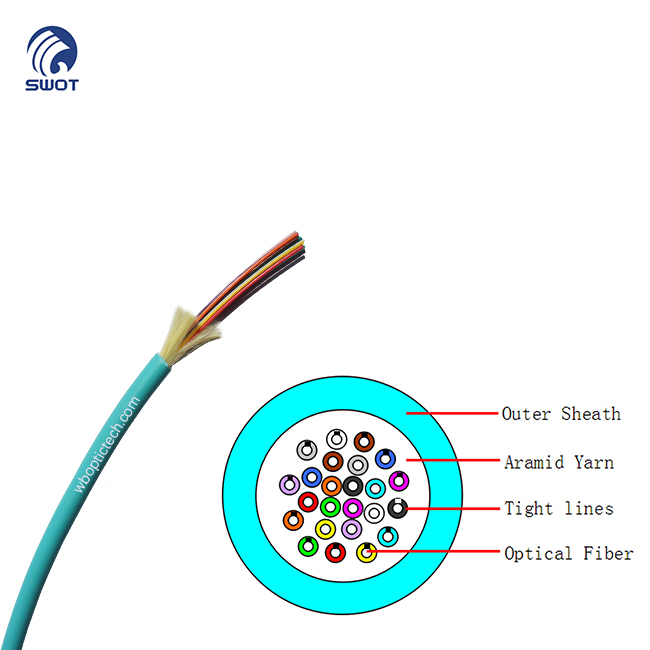
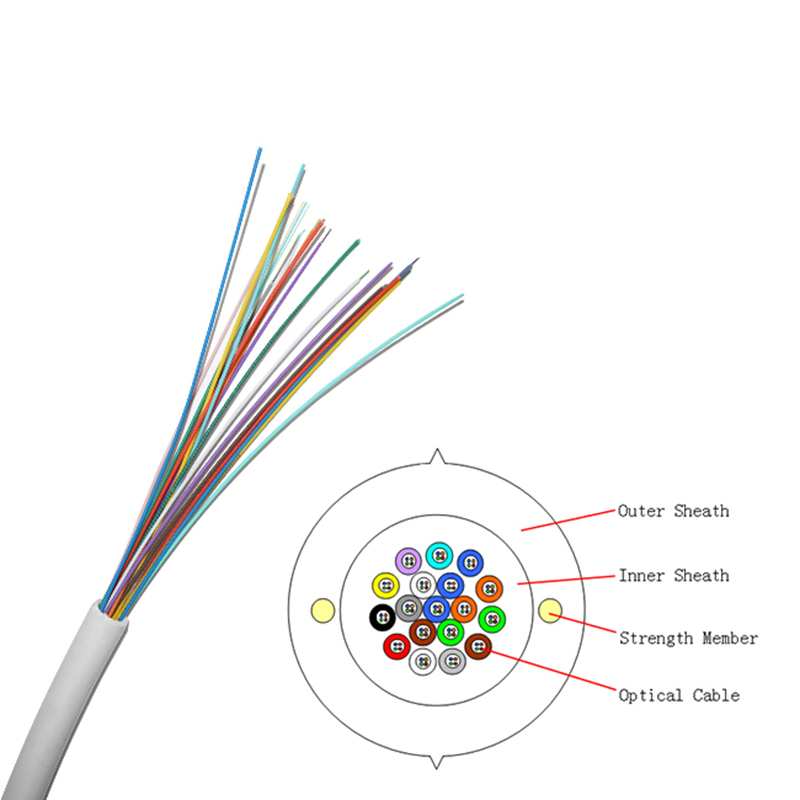
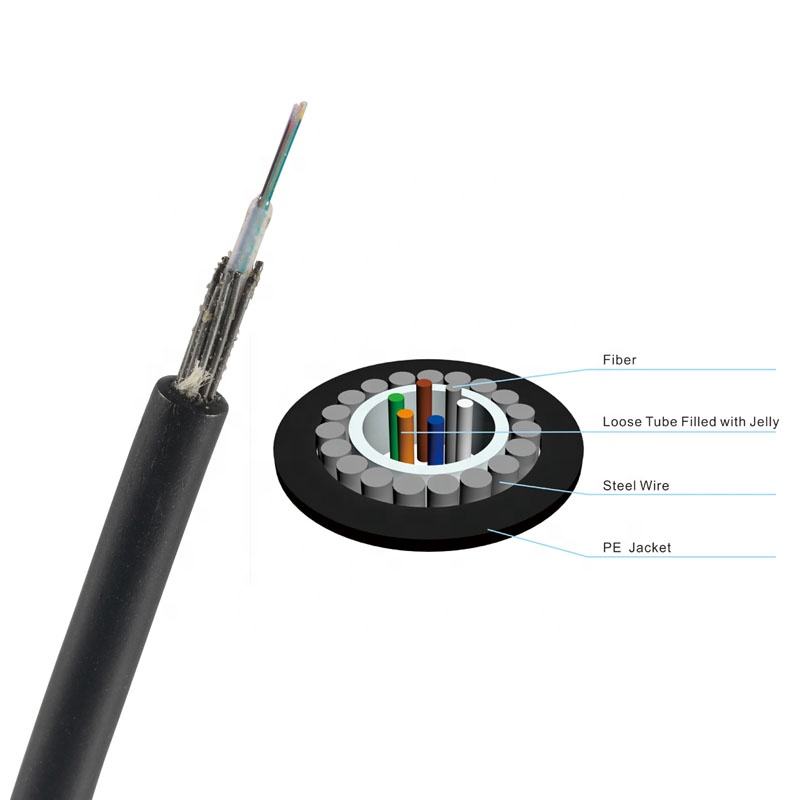
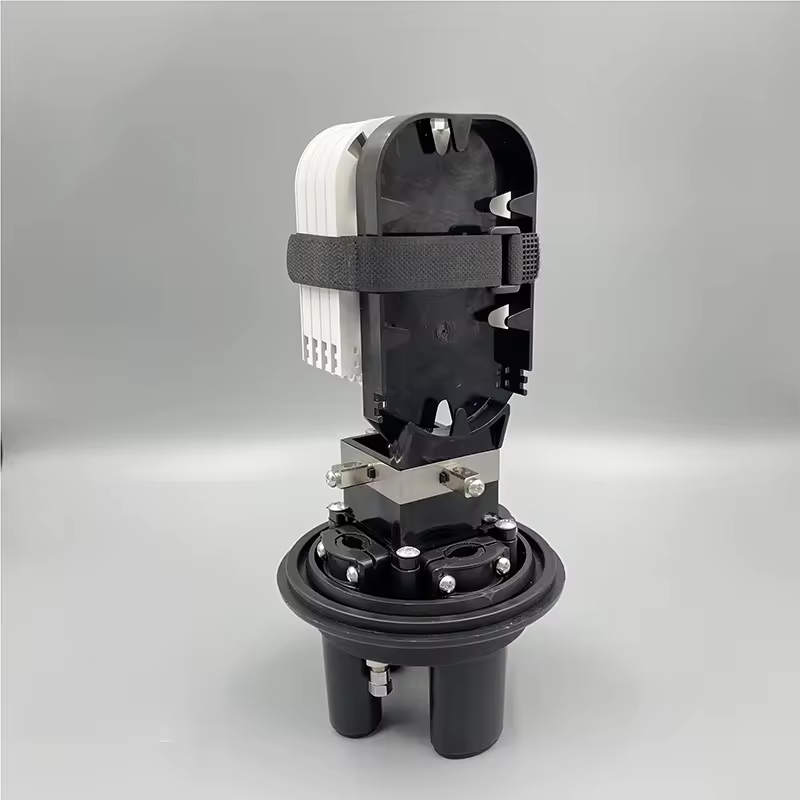
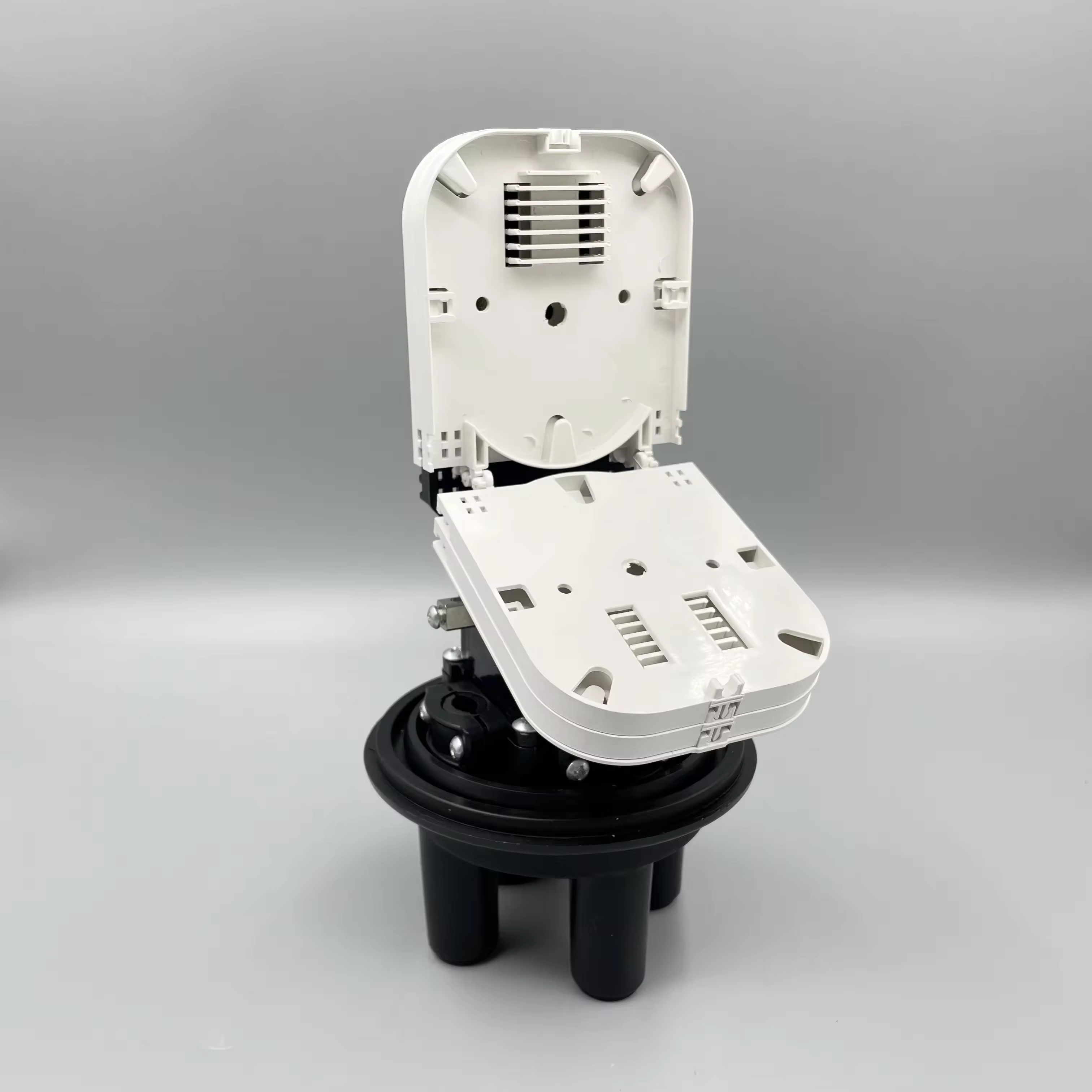
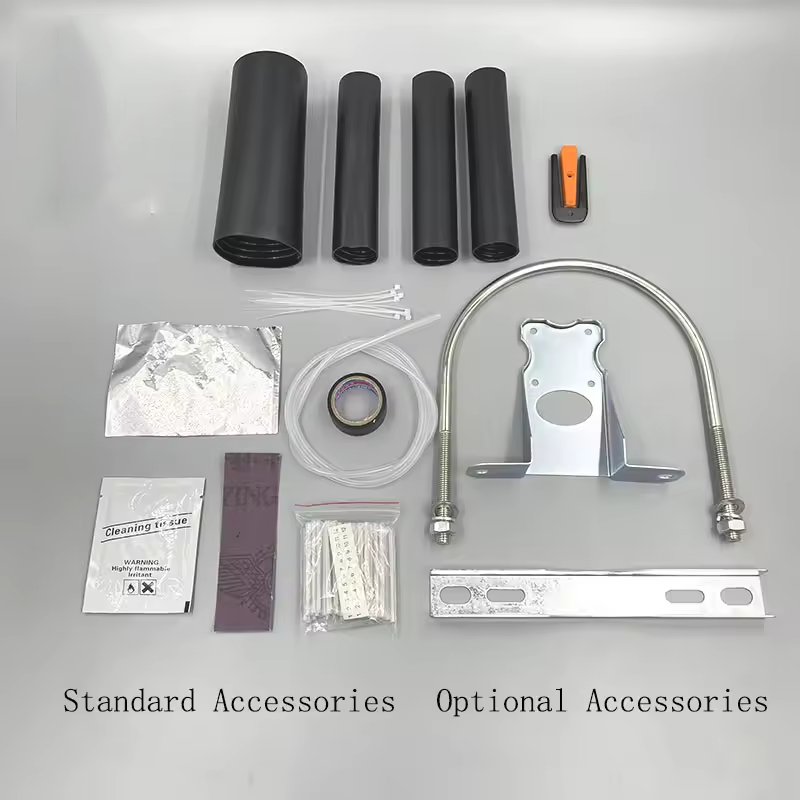
optical cable junction box
An optical cable junction box is a critical infrastructure component designed to manage and protect fiber optic connections in telecommunications networks. This specialized enclosure serves as a central point where multiple optical fiber cables converge, allowing for organized signal distribution and secure cable management.
The primary function of an optical cable junction box is to house optical splitters, couplers, and connectors while protecting these sensitive components from environmental damage. The optical cable junction box provides secure termination points where fiber optic cables connect to network equipment, ensuring reliable data transmission across long distances.
Key technological features of an optical cable junction box include weather-resistant construction, internal cable management systems, and specialized mounting hardware. The optical cable junction box accommodates various fiber types and connector standards, offering flexibility for different network configurations. Advanced models incorporate splice trays, adapter plates, and modular designs that allow technicians to customize configurations based on specific deployment requirements.
Applications for an optical cable junction box span multiple industries, including telecommunications, data centers, broadcasting, and enterprise networks. The optical cable junction box serves as an essential link in backbone networks, metropolitan area networks, and last-mile connectivity solutions. Installation locations range from outdoor pedestals to indoor wall-mounted configurations, demonstrating the versatility of optical cable junction box technology.
The optical cable junction box typically includes sealed entry ports, compression glands, and drainage provisions to prevent water ingress and contamination. Proper installation of an optical cable junction box ensures optimal network performance and minimizes signal loss during fiber optic transmission throughout the entire communication system.

 EN