
 EN


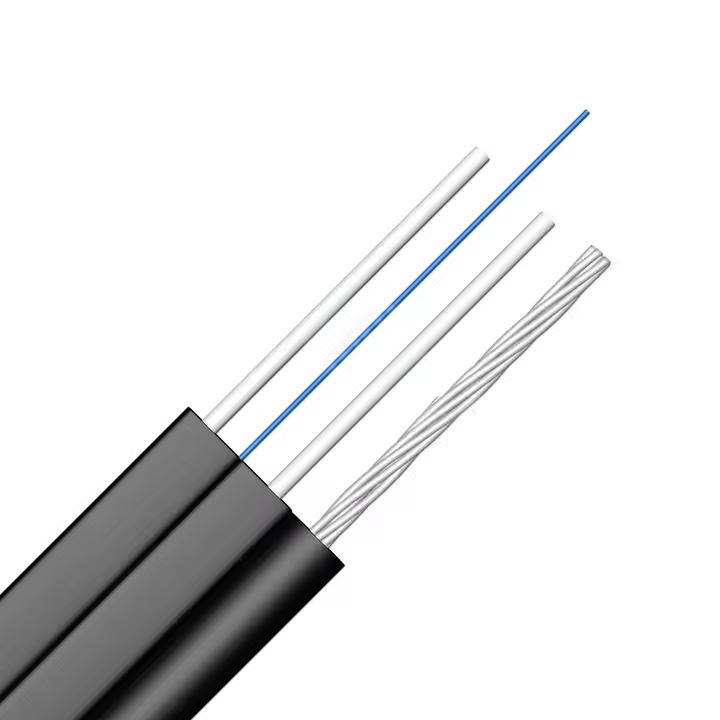
The evolution of network infrastructure has fundamentally reshaped how organizations think about connectivity and data transmission. When comparing optical fiber cable to traditional copper alternatives, the performance differences are substantial and measurable. Optical fiber cable technology has emerged as the industry standard for long-distance, high-bandwidth communication, delivering capabilities that copper simply cannot match. Understanding why optical fiber cable outperforms copper requires examining the underlying physics, practical deployment advantages, and cost implications that modern enterprises face today.
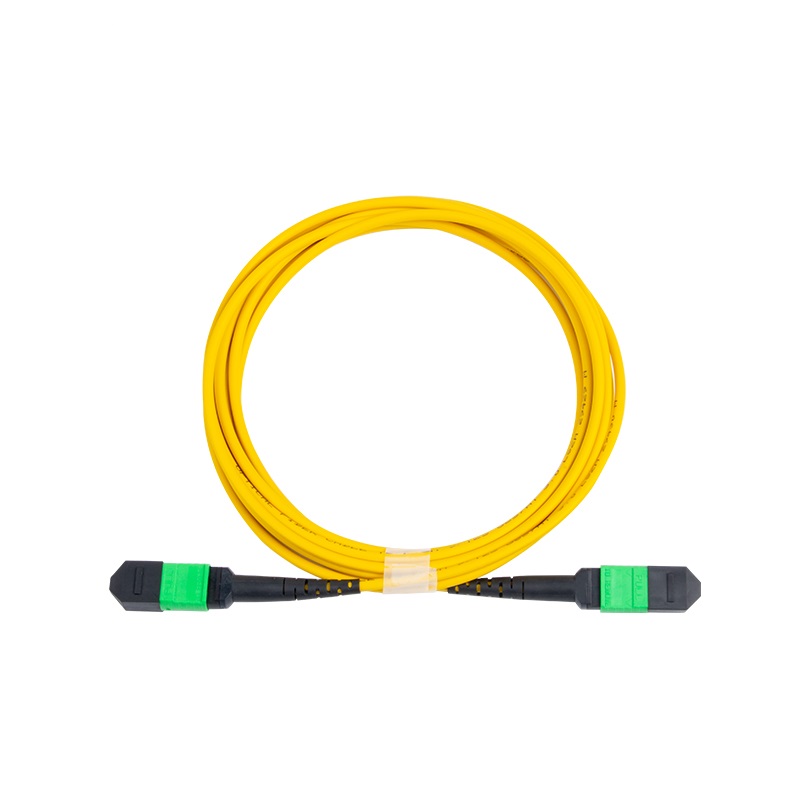
Optical fiber cable represents a quantum leap in transmission technology, fundamentally different from copper's electrical-based approach. While copper cables transmit data through electrical signals that degrade over distance and distance limitations, optical fiber cable uses light pulses traveling through glass or plastic fibers. This shift from electrical to optical transmission creates inherent advantages that make optical fiber cable the preferred choice for data centers, telecommunications networks, and enterprise infrastructure worldwide.
Superior Bandwidth and Data Transmission Speed
Understanding Bandwidth Capacity Differences
Bandwidth capacity represents one of the most compelling reasons optical fiber cable dominates modern networking. Optical fiber cable can transmit data at speeds exceeding 400 gigabits per second, while traditional copper cables typically max out around 10 gigabits per second for extended distances. The optical fiber cable's ability to carry exponentially more data simultaneously stems from the nature of light transmission itself. When an optical fiber cable transmits information, multiple wavelengths of light can travel through the same fiber without interfering with one another, a technique called wavelength division multiplexing. This capability means a single optical fiber cable strand can handle thousands of simultaneous conversations or data streams, whereas copper requires additional physical cables to achieve comparable capacity.
Real-World Performance Implications
For organizations managing massive data centers or telecommunications infrastructure, the performance difference between optical fiber cable and copper becomes immediately apparent in operational costs and scalability. An optical fiber cable installation that occupies minimal physical space can replace dozens of copper cable bundles while delivering superior throughput. Data center operators consistently report that upgrading to optical fiber cable significantly reduces space constraints, cooling requirements, and overall infrastructure complexity. Additionally, optical fiber cable maintains its performance characteristics more consistently than copper, which experiences signal degradation and electromagnetic interference in high-density environments. The ability to upgrade data rates on existing optical fiber cable infrastructure through equipment changes, rather than physical cable replacement, provides tremendous long-term flexibility and cost efficiency.
Transmission Distance and Signal Integrity
Extended Range Without Signal Degradation
Signal attenuation represents a critical limitation of copper-based transmission. Copper cables experience measurable signal loss over relatively short distances, typically requiring signal regeneration equipment every 100 meters or less for high-speed applications. Optical fiber cable overcomes this fundamental physical limitation dramatically. Depending on wavelength and fiber type, optical fiber cable can transmit signals reliably over distances ranging from 2 kilometers for multimode fiber to over 80 kilometers for single-mode optical fiber cable without intermediate signal regeneration. This superior distance capability transforms network architecture possibilities. A single optical fiber cable can connect distant facilities, data centers, or network nodes without the cascading equipment costs and complexity that copper demands. For enterprises spanning multiple geographic locations or large campuses, the distance advantage of optical fiber cable directly translates to reduced infrastructure costs and simpler network management.
Immunity to Environmental Interference
Environmental factors that degrade copper cable performance present no obstacles to optical fiber cable. Electromagnetic interference, radio frequency interference, and signal crosstalk that compromise copper transmission have zero effect on light-based optical fiber cable systems. This immunity fundamentally changes installation planning and infrastructure flexibility. Optical fiber cable can run through electrically noisy environments near high-power equipment, motors, and industrial machinery without shielding complexity or performance concerns. An optical fiber cable installed alongside high-voltage power lines or in industrial facilities suffers no signal degradation whatsoever. Copper cables in identical scenarios require expensive shielding, segregation, and grounding measures to prevent performance loss. This environmental immunity makes optical fiber cable particularly valuable in industrial settings, electrical substations, manufacturing facilities, and any environment where electrical noise pervades. The physical security advantage also extends to signal interception; intercepting data from optical fiber cable requires physical access to the fiber itself, whereas copper cables emit detectable electromagnetic radiation, making them more vulnerable to espionage or unauthorized data capture.
Physical Characteristics and Long-Term Value Proposition
Durability and Maintenance Requirements
The physical durability differences between optical fiber cable and copper present significant implications for total cost of ownership. Copper cables experience corrosion, oxidation, and degradation when exposed to moisture, temperature variations, and chemical environments. Optical fiber cable remains chemically inert regardless of environmental conditions. The glass or plastic materials comprising optical fiber cable resist corrosion entirely, and the fiber's inherent durability means longer service life without performance degradation. Maintenance requirements for optical fiber cable installations prove dramatically lower than copper equivalents. Copper systems require periodic inspection, cleaning, and replacement of degraded connections and components. Optical fiber cable systems, once properly installed, require minimal maintenance beyond initial verification and documentation. The protective jacket and connector design of modern optical fiber cable provide robust protection against physical damage while remaining compact and lightweight. An optical fiber cable bundle weighing a few pounds can replace hundreds of pounds of copper cable, reducing structural load on cable trays, conduit systems, and support infrastructure.
Scalability and Future-Proofing
Technology advancement continuously pushes data transmission requirements higher. Optical fiber cable provides inherent future-proofing that copper cannot match. The fiber itself typically outlasts multiple equipment generations, allowing speed and capacity upgrades simply by replacing optical transceivers and network equipment. A properly installed optical fiber cable infrastructure deployed today can support 10, 40, 100, 400, and potentially even higher data rates simply through equipment upgrades without physical cable replacement. Copper cables reach hard physical limits constrained by electrical properties, requiring replacement when capacity requirements exceed their fundamental capabilities. This architectural advantage means optical fiber cable investments provide protection against obsolescence far more effectively than copper alternatives. Organizations deploying optical fiber cable today establish infrastructure capable of supporting business growth and technology evolution for decades, whereas copper installations typically require complete replacement within 10 to 15 years to maintain competitive network performance. The investment premium of optical fiber cable installation diminishes significantly when amortized across such extended useful life spans.
FAQ
Can optical fiber cable be installed in existing copper cable infrastructure?
Yes, optical fiber cable can be installed alongside or as a replacement for existing copper infrastructure. Many installations utilize the same conduits, cable trays, and routing pathways that previously served copper cables. The primary differences involve using optical fiber cable connectors and supporting equipment designed for fiber optic systems. During transitions, organizations frequently run optical fiber cable in parallel with copper to ensure continuity while gradually migrating services to the new infrastructure. The transition process depends on specific application requirements and existing system design, but optical fiber cable compatibility with existing building infrastructure is generally straightforward.
What is the cost difference between optical fiber cable and copper cable?
Initial material and installation costs for optical fiber cable typically exceed copper expenses by 20 to 40 percent depending on distance, capacity, and specific application requirements. However, total cost of ownership calculations consistently favor optical fiber cable when factoring in bandwidth capacity, maintenance, lifespan, energy consumption, and scalability benefits. The superior performance characteristics of optical fiber cable justify the investment premium across medium to long-term analysis horizons. For most enterprise and data center applications, optical fiber cable delivers lower total cost of ownership despite higher upfront expenses.
How does optical fiber cable perform in outdoor and extreme environments?
Optical fiber cable demonstrates superior performance in outdoor and extreme environments compared to copper alternatives. The materials comprising optical fiber cable resist temperature extremes, moisture, UV radiation, and chemical exposure that degrade copper performance. Specially designed outdoor-rated optical fiber cable offerings incorporate reinforced protective jackets and hermetic sealing to withstand harsh conditions. Telecommunications networks worldwide rely on optical fiber cable for long-distance outdoor backbone infrastructure precisely because it delivers consistent performance regardless of environmental challenges that would compromise copper transmission reliability.