Fiber Optic Equipment Guide

Get a Free Quote

Our representative will contact you soon.
Email
Mobile
Name
Company Name
Message
0/1000

fiber optic equipment

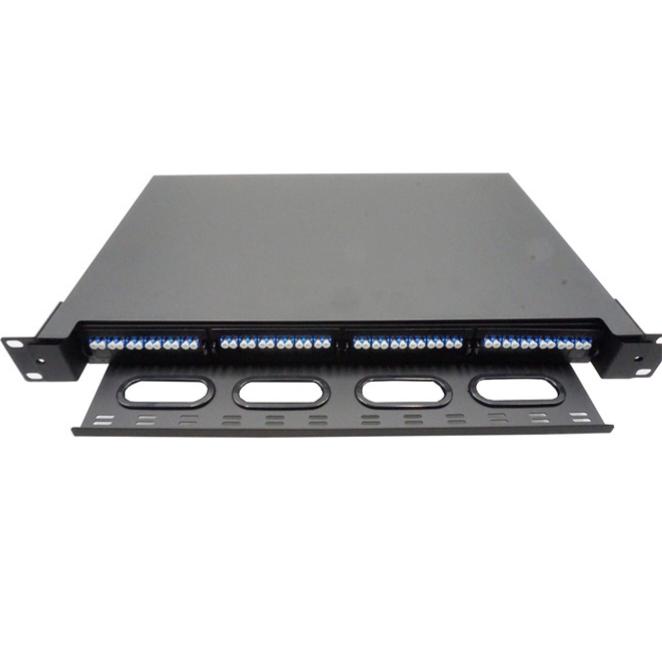
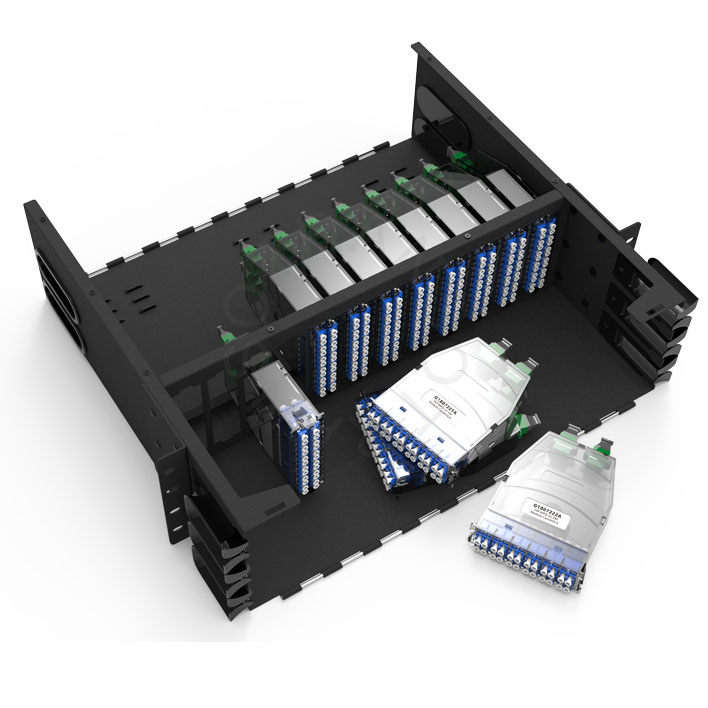
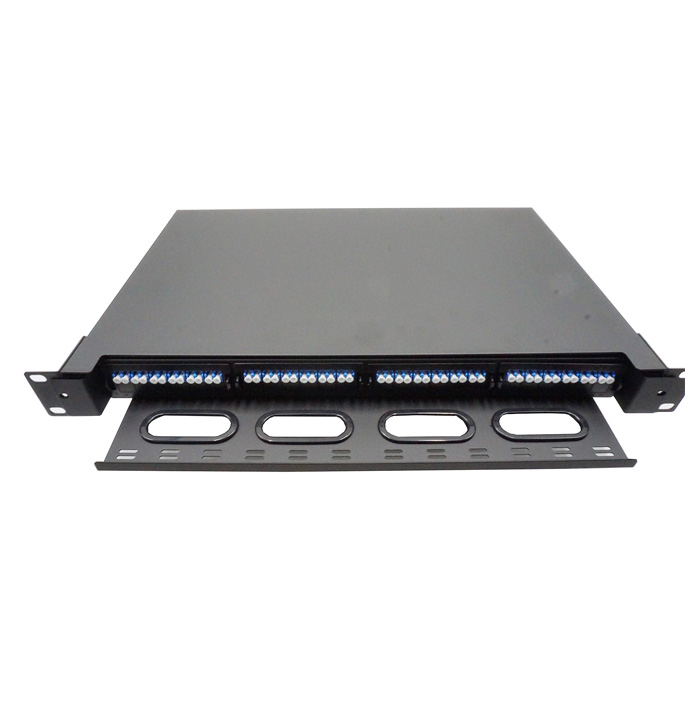
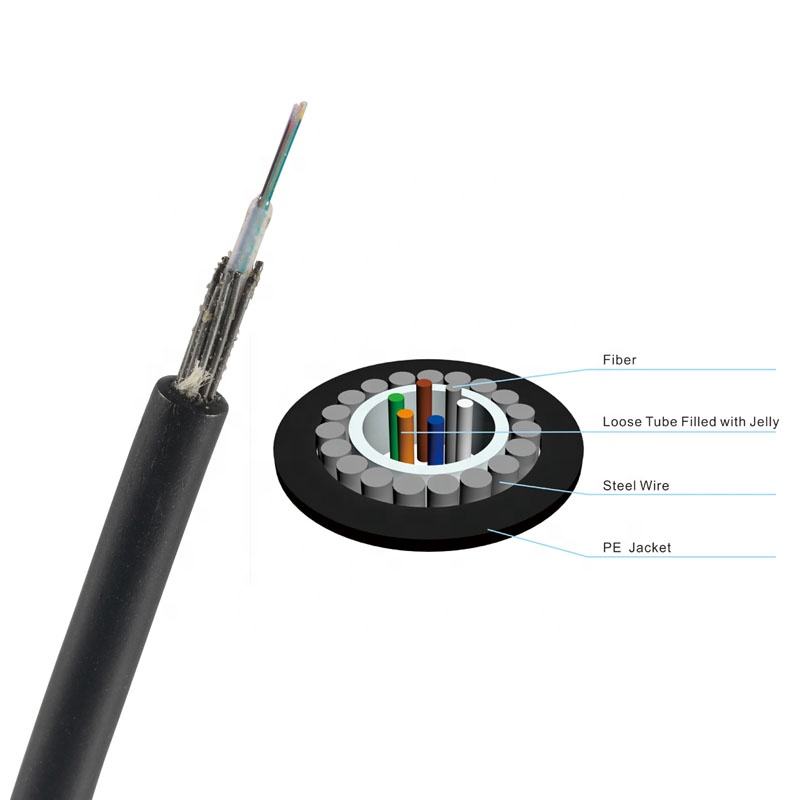
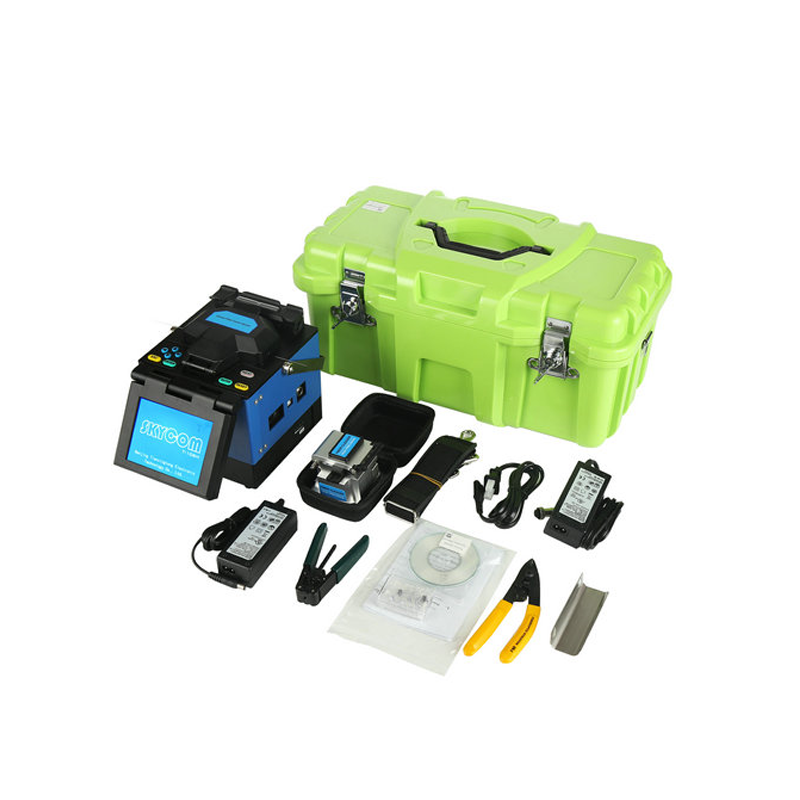
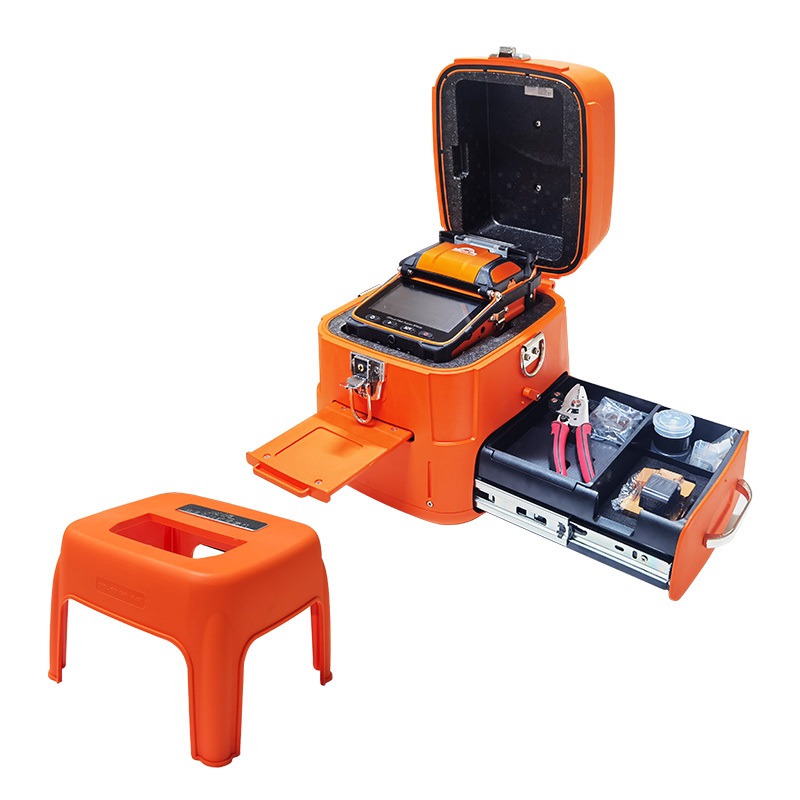
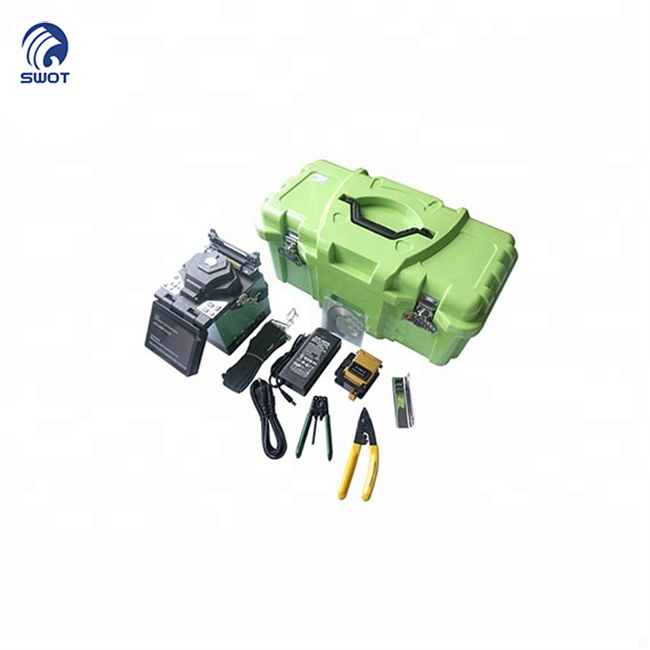
Fiber optic equipment represents a revolutionary advancement in telecommunications and data transmission technology. This specialized equipment uses thin strands of glass or plastic fibers to transmit data as pulses of light, enabling faster and more reliable communication over long distances. Fiber optic equipment serves as the backbone of modern networking infrastructure, supporting everything from internet connectivity to television broadcasts and telephone services. The primary function of fiber optic equipment is to convert electrical signals into optical signals for transmission through fiber optic cables. This conversion process allows data to travel at the speed of light, significantly improving transmission speeds compared to traditional copper wiring. Fiber optic equipment includes transmitters, receivers, amplifiers, and various connectors designed to work seamlessly within fiber optic networks. Key technological features of fiber optic equipment include exceptional bandwidth capacity, low signal attenuation, and immunity to electromagnetic interference. These characteristics make fiber optic equipment ideal for applications requiring high-speed data transfer and long-distance communication. The equipment operates efficiently in environments where traditional copper systems would experience degradation or signal loss. Applications for fiber optic equipment span numerous industries, including telecommunications, internet service provision, data centers, and broadcasting. Enterprises utilize fiber optic equipment to establish secure, high-capacity networks capable of handling massive data volumes. Educational institutions, government agencies, and corporations increasingly rely on fiber optic equipment to support their digital infrastructure and ensure seamless connectivity across their operations.

New Products

Fiber optic equipment delivers transformative benefits that set it apart from conventional transmission technologies. The most significant advantage is speed—fiber optic equipment transmits data at near-light velocities, enabling gigabit and terabit-speed connections that meet the demands of modern applications. This dramatic speed improvement translates directly into enhanced productivity for businesses and superior user experiences for customers. Operational benefits of fiber optic equipment include remarkable reliability and longevity. Unlike copper-based systems, fiber optic equipment resists corrosion, moisture, and temperature fluctuations, resulting in lower maintenance costs and extended equipment lifespan. Organizations save substantial resources on repairs and replacements by investing in fiber optic equipment designed to perform consistently for decades. Fiber optic equipment offers exceptional capacity advantages that accommodate exponential data growth. As companies expand their digital operations and cloud services, fiber optic equipment provides the infrastructure necessary to support these demands without requiring frequent upgrades. This scalability ensures your investment remains viable as your organization evolves. Security represents another critical benefit of fiber optic equipment. The light-based transmission method makes interception extremely difficult, protecting sensitive data from unauthorized access. Financial institutions, healthcare providers, and government agencies depend on fiber optic equipment to safeguard confidential information. Cost efficiency emerges as a practical advantage when considering fiber optic equipment's total cost of ownership. Although initial installation requires investment, the reduced maintenance, minimal signal loss over distance, and exceptional durability of fiber optic equipment result in lower long-term expenses. Businesses achieve faster return on investment while enjoying superior network performance and reliability that traditional systems simply cannot match.

Latest News

Which Fiber Optic Joint Box Fits Underground Installations?

08

Jul

Which Fiber Optic Joint Box Fits Underground Installations?

Selecting the correct fiber optic joint box for underground installations is one of the most critical decisions in deploying reliable buried fiber optic cable systems. The fiber optic joint box must withstand soil pressure, moisture infiltration, tem...
View More
How Can Fiber Optic Cable Support Future Network Expansion?

01

Aug

How Can Fiber Optic Cable Support Future Network Expansion?

As organizations scale their digital operations, network infrastructure must evolve to support exponential data growth. Fiber optic cable has become the backbone of modern network expansion strategies, offering unmatched capacity, speed, and reliabil...
View More
How Does Fiber Optic Cable Reduce Long-Term Network Costs?

29

Jul

How Does Fiber Optic Cable Reduce Long-Term Network Costs?

When evaluating long-term network infrastructure investments, many organizations struggle to justify the upfront costs of upgrading to modern solutions. However, fiber optic cable technology delivers a compelling financial case that extends far beyon...
View More
Which Fiber Optic Terminal Box Works Best for FTTH Projects?

04

Aug

Which Fiber Optic Terminal Box Works Best for FTTH Projects?

Selecting the right fiber optic terminal box is critical for the success of any fiber-to-the-home (FTTH) project. The fiber optic terminal box serves as the central distribution point where fiber cables are organized, protected, and connected to cust...
View More

Get a Free Quote

Our representative will contact you soon.
Email
Mobile
Name
Company Name
Message
0/1000

fiber optic equipment

Lightning-Fast Data Transmission Speeds

Lightning-Fast Data Transmission Speeds

Fiber optic equipment revolutionizes data transmission by delivering unprecedented speed capabilities. The fiber optic equipment technology enables data transfer rates reaching 100 gigabits per second or beyond, dramatically outperforming traditional copper infrastructure. This exceptional speed is fundamental to supporting bandwidth-intensive applications including video streaming, cloud computing, and large-scale data analytics. Organizations deploying fiber optic equipment experience immediate improvements in network responsiveness and application performance. Employees access files instantaneously, video conferences operate without lag, and database queries complete in milliseconds. The competitive advantage gained through fiber optic equipment adoption enables enterprises to maintain technological leadership in their industries. Whether supporting remote workers, managing complex databases, or delivering streaming content to millions, fiber optic equipment provides the speed foundation necessary for digital success and growth.
Superior Reliability and Extended Equipment Lifespan

Superior Reliability and Extended Equipment Lifespan

Fiber optic equipment stands apart through exceptional durability and reliability characteristics that minimize downtime and reduce operational disruptions. Unlike copper systems vulnerable to environmental degradation, fiber optic equipment resists moisture, temperature extremes, and electromagnetic interference that compromise conventional equipment. This robustness means your fiber optic equipment investment functions consistently across diverse environmental conditions and challenging deployment scenarios. The extended lifespan of fiber optic equipment reduces replacement cycles and associated capital expenditures. Telecommunications companies, data center operators, and enterprise networks benefit from fiber optic equipment that requires minimal maintenance interventions. The predictable, dependable performance of fiber optic equipment ensures mission-critical applications remain online continuously. Facilities utilizing fiber optic equipment experience significantly fewer service interruptions, translating into satisfied customers and uninterrupted business operations that competitors with older infrastructure cannot match.
Enhanced Security and Immunity to Interference

Enhanced Security and Immunity to Interference

Fiber optic equipment provides unparalleled security advantages through its inherent physical properties and technological sophistication. The light-based transmission method employed by fiber optic equipment makes unauthorized signal interception virtually impossible, protecting confidential data from eavesdropping and cyber threats. Government agencies, financial institutions, and healthcare organizations select fiber optic equipment specifically for this critical security characteristic. Additionally, fiber optic equipment demonstrates complete immunity to electromagnetic interference from power lines, radio signals, and other electronic equipment, ensuring consistent signal integrity. This interference resistance means fiber optic equipment maintains perfect signal quality regardless of surrounding electromagnetic pollution. The combination of security and interference immunity makes fiber optic equipment the preferred choice for applications requiring maximum data protection and reliability. Organizations implementing fiber optic equipment gain peace of mind knowing their communications remain secure, uninterrupted, and protected from both malicious interference and environmental electromagnetic disturbances.

Get a Free Quote

Our representative will contact you soon.
Email
Mobile
Name
Company Name
Message
0/1000