Fiber Cable Blowing: Modern Installation

Get a Free Quote

Our representative will contact you soon.
Email
Mobile
Name
Company Name
Message
0/1000

fiber cable blowing

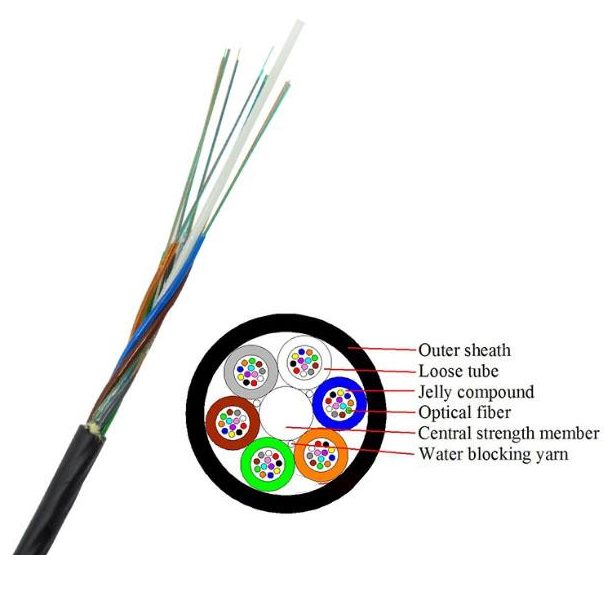
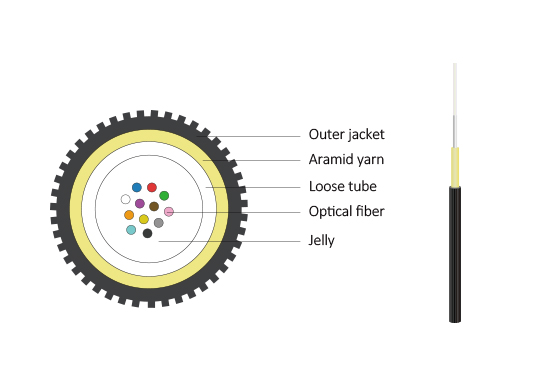
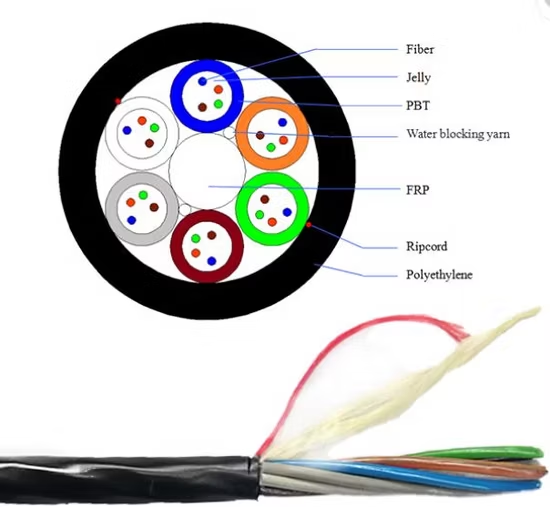
Fiber cable blowing is an advanced installation technique that revolutionizes how fiber optic cables are deployed through conduit systems. This method uses compressed air or inert gas to propel fiber cables through pre-installed ducts, eliminating many challenges associated with traditional pulling methods. Fiber cable blowing technology represents a significant innovation in telecommunications infrastructure development. The primary function of fiber cable blowing is to safely and efficiently install optical cables into existing conduit networks without causing damage to delicate fiber strands. The process involves feeding the cable into a blowing head, which then uses pressurized gas to push the cable through the duct system. This approach works particularly well in long-distance installations, tight spaces, and complex routing scenarios where conventional methods prove impractical. Key technological features of fiber cable blowing include precision pressure control systems, specialized blowing equipment, and compatible cable designs. Modern fiber cable blowing systems incorporate advanced monitoring technology to track installation progress and detect potential issues in real-time. These systems maintain consistent pressure and speed throughout the process, ensuring optimal cable placement. Applications for fiber cable blowing span across multiple industries, including telecommunications networks, data centers, campus-wide installations, and urban infrastructure projects. Whether deploying cables in urban environments, rural areas, or industrial facilities, fiber cable blowing provides reliable solutions. The versatility of fiber cable blowing makes it essential for modern network expansion and infrastructure upgrades.

Popular Products

Fiber cable blowing offers numerous practical benefits that make it superior to traditional installation methods. The most significant advantage is damage prevention. Unlike pulling methods that apply lateral stress and tension, fiber cable blowing uses gentle pneumatic pressure to move cables through ducts, dramatically reducing the risk of fiber strand breakage and maintaining optimal signal integrity. Speed and efficiency represent another major operational benefit of fiber cable blowing. Installation teams complete projects faster because the blowing process eliminates time-consuming setup procedures and reduces labor requirements. Fewer workers are needed on-site, which directly lowers project costs while maintaining professional installation standards. Fiber cable blowing technology excels in challenging installation scenarios where traditional methods struggle. Long-distance runs, multiple bends, and tight spaces become manageable with this advanced approach. The technique successfully navigates complex conduit systems that would otherwise require expensive workarounds or conduit modifications. Cost-effectiveness extends beyond labor savings. Fiber cable blowing reduces equipment damage and the need for expensive cable replacements due to installation failures. Project budgets benefit from fewer complications, shortened timelines, and minimized rework requirements throughout installation processes. Environmental benefits also matter for conscientious organizations. Fiber cable blowing produces minimal environmental disruption compared to traditional methods. Installation crews work more cleanly, reducing site disturbance and maintaining better neighborhood relations. The decision-useful context for choosing fiber cable blowing becomes clear when considering total project cost, installation timeline, cable integrity, and future network reliability. For organizations prioritizing quality infrastructure and long-term network performance, fiber cable blowing provides the optimal solution for modern telecommunications deployment.

Latest News

How Can a Fiber Optic Joint Box Improve Network Protection?

01

Jul

How Can a Fiber Optic Joint Box Improve Network Protection?

Network infrastructure faces constant threats from environmental exposure, physical damage, and operational stress. A fiber optic joint box serves as a critical protective enclosure that safeguards fiber optic connections, splice points, and signal t...
View More
Which Fiber Optic Cable Fits Different Installation Needs Best?

15

Jul

Which Fiber Optic Cable Fits Different Installation Needs Best?

Selecting the right fiber optic cable for your specific installation needs is one of the most critical decisions in modern networking infrastructure. The wrong choice can lead to performance bottlenecks, costly reinstallation, and unnecessary downtim...
View More
Which Fiber Optic Terminal Box Works Best for FTTH Projects?

04

Aug

Which Fiber Optic Terminal Box Works Best for FTTH Projects?

Selecting the right fiber optic terminal box is critical for the success of any fiber-to-the-home (FTTH) project. The fiber optic terminal box serves as the central distribution point where fiber cables are organized, protected, and connected to cust...
View More
How Does a Fiber Optic Terminal Box Simplify Maintenance?

04

Aug

How Does a Fiber Optic Terminal Box Simplify Maintenance?

Modern telecommunications networks depend on reliable infrastructure that minimizes downtime and simplifies ongoing maintenance. A fiber optic terminal box serves as a critical hub in optical networks, providing a centralized point for managing, orga...
View More

Get a Free Quote

Our representative will contact you soon.
Email
Mobile
Name
Company Name
Message
0/1000

fiber cable blowing

Superior Cable Protection and Integrity

Superior Cable Protection and Integrity

Fiber cable blowing stands out for its exceptional ability to protect delicate optical fibers during installation. Unlike traditional pulling techniques that subject cables to bending stress, tension forces, and potential surface damage, fiber cable blowing employs gentle pneumatic propulsion. This innovative approach significantly reduces the risk of micro-fractures and fiber strand breaks that compromise signal quality. The pressurized gas gently moves cables through conduits at controlled speeds, maintaining the cable's structural integrity throughout the entire installation process. Organizations implementing fiber cable blowing experience dramatically lower failure rates and superior long-term network performance. The technology eliminates concerns about installation-related signal loss and future maintenance complications. By preserving fiber quality from installation through deployment, fiber cable blowing ensures that networks operate at peak efficiency immediately after completion, providing exceptional value for telecommunications infrastructure investments.
Rapid Installation and Cost Efficiency

Rapid Installation and Cost Efficiency

Fiber cable blowing dramatically accelerates installation timelines compared to conventional methods. The streamlined process requires fewer personnel, specialized equipment, and complex logistics coordination. Installation teams complete projects significantly faster, reducing labor costs and minimizing disruptions to existing operations. The efficiency gains from fiber cable blowing directly translate into substantial budget savings for organizations deploying large-scale network infrastructure. Smaller crews accomplish more in less time, making project economics far more favorable. Additionally, the reduced installation time means faster network activation and quicker return on infrastructure investments. Organizations benefit from accelerated deployment of fiber cable blowing systems without sacrificing installation quality. The combination of speed, efficiency, and cost-effectiveness makes fiber cable blowing the preferred choice for time-sensitive projects and budget-conscious organizations seeking maximum value from their telecommunications infrastructure investments.
Adaptability to Complex Installation Environments

Adaptability to Complex Installation Environments

Fiber cable blowing excels in challenging installation scenarios where traditional approaches encounter significant limitations. The technology successfully navigates long-distance conduit runs, multiple directional changes, tight underground passages, and vertically challenging routes. Complex network topographies that would require expensive modifications or creative workarounds become straightforward when using fiber cable blowing methodology. Urban environments with dense existing infrastructure benefit particularly from this versatile approach. Rural deployments across varying terrain also gain practical advantages from fiber cable blowing's flexibility. The method accommodates existing conduit systems without requiring expensive upgrades or replacements. Organizations expanding networks into difficult-to-reach locations find fiber cable blowing eliminates many traditional installation constraints. Whether deploying cables in constrained commercial buildings, sprawling campuses, or demanding outdoor environments, fiber cable blowing adapts effectively. This adaptability makes fiber cable blowing an invaluable tool for telecommunications professionals managing diverse project requirements and complex installation challenges across modern infrastructure networks.

Get a Free Quote

Our representative will contact you soon.
Email
Mobile
Name
Company Name
Message
0/1000