ftth cable
The FTTH cable, or Fiber to the Home cable, represents a revolutionary advancement in broadband connectivity technology. This specialized optical fiber cable delivers ultra-high-speed internet directly to residential and commercial properties, eliminating traditional copper-based infrastructure limitations. The FTTH cable utilizes thin strands of glass or plastic to transmit data as light pulses, enabling unprecedented bandwidth capacity and transmission speeds exceeding 1 Gbps or higher.
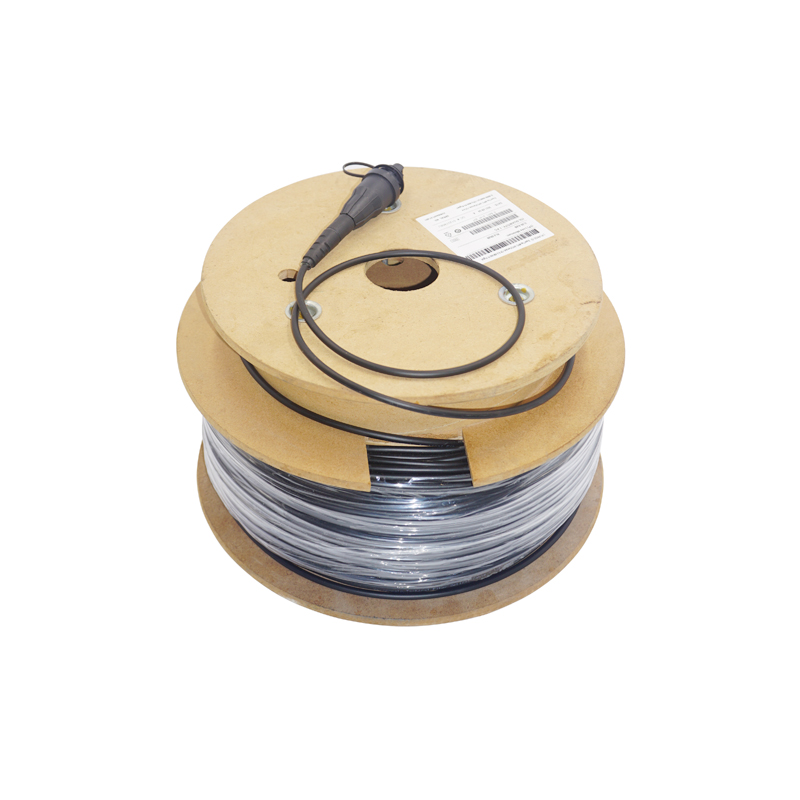
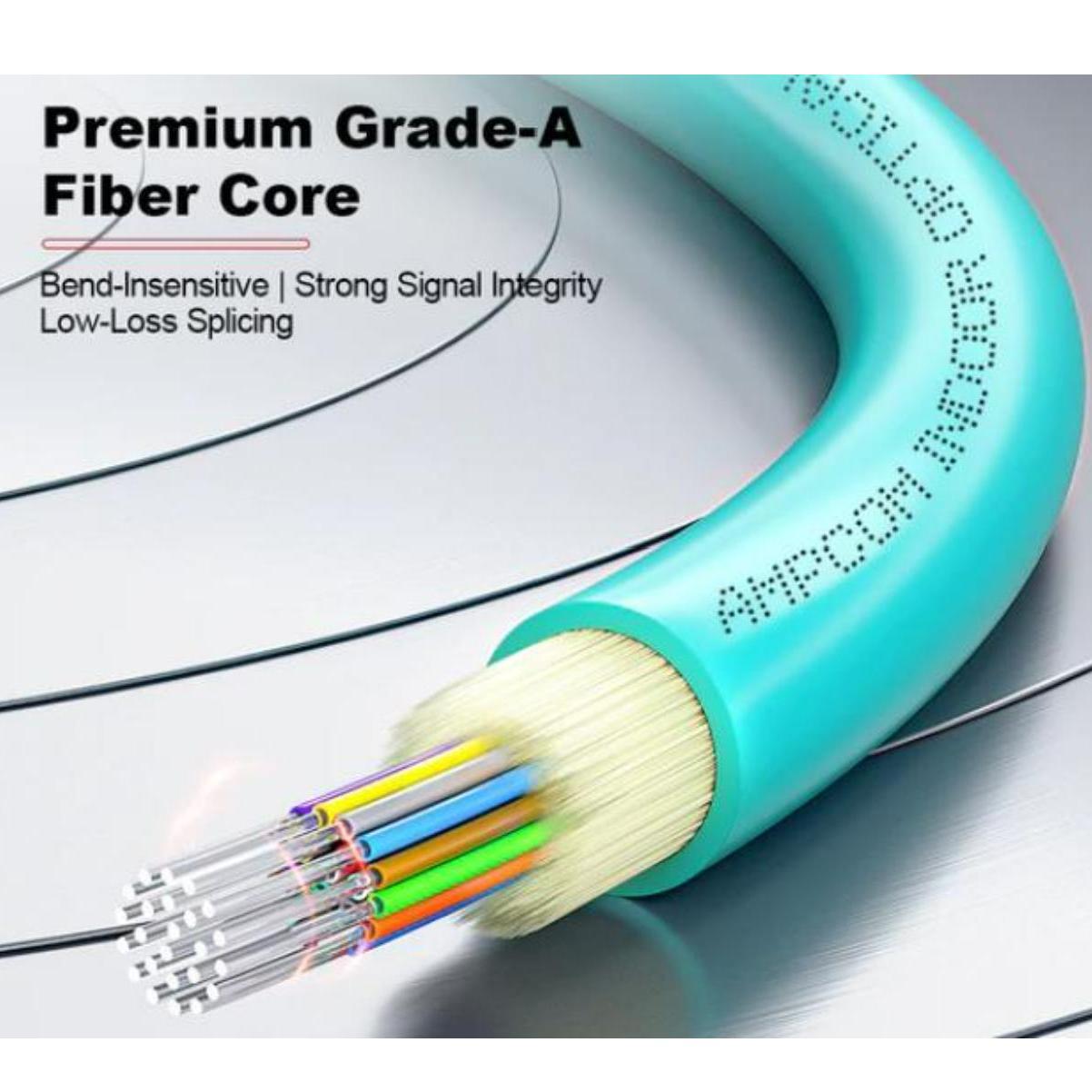
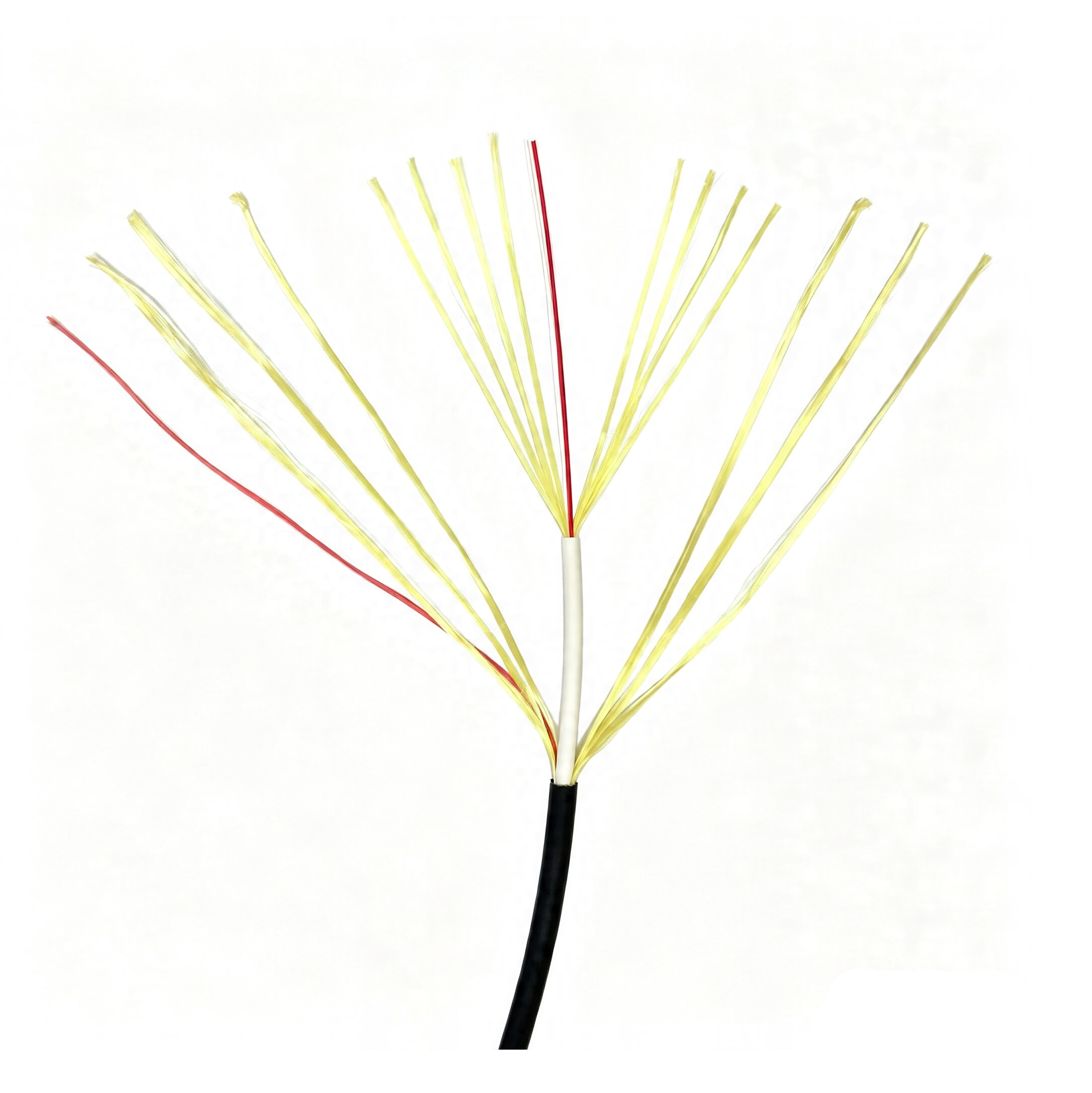
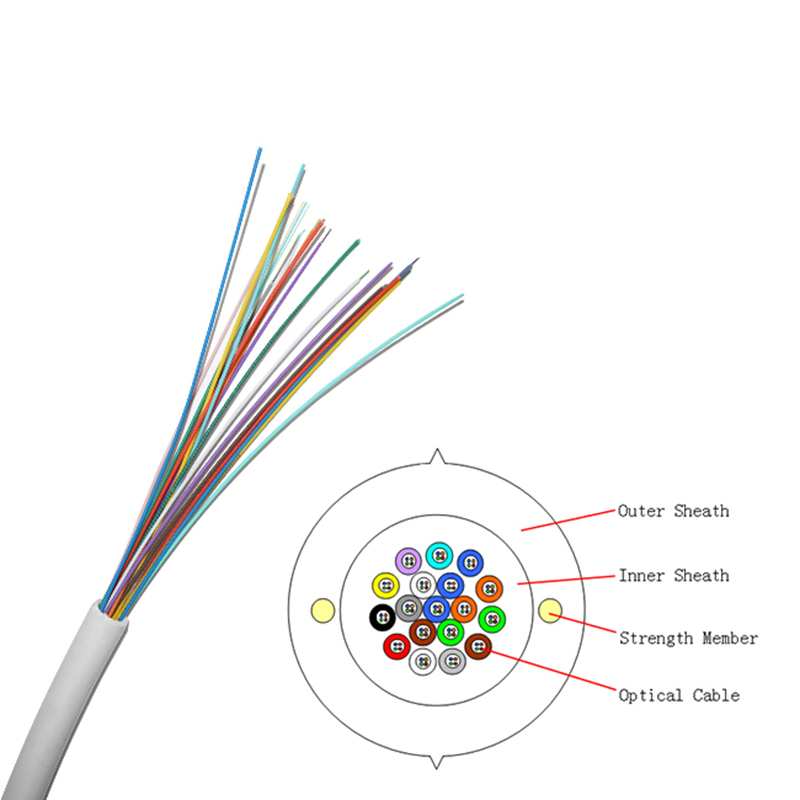
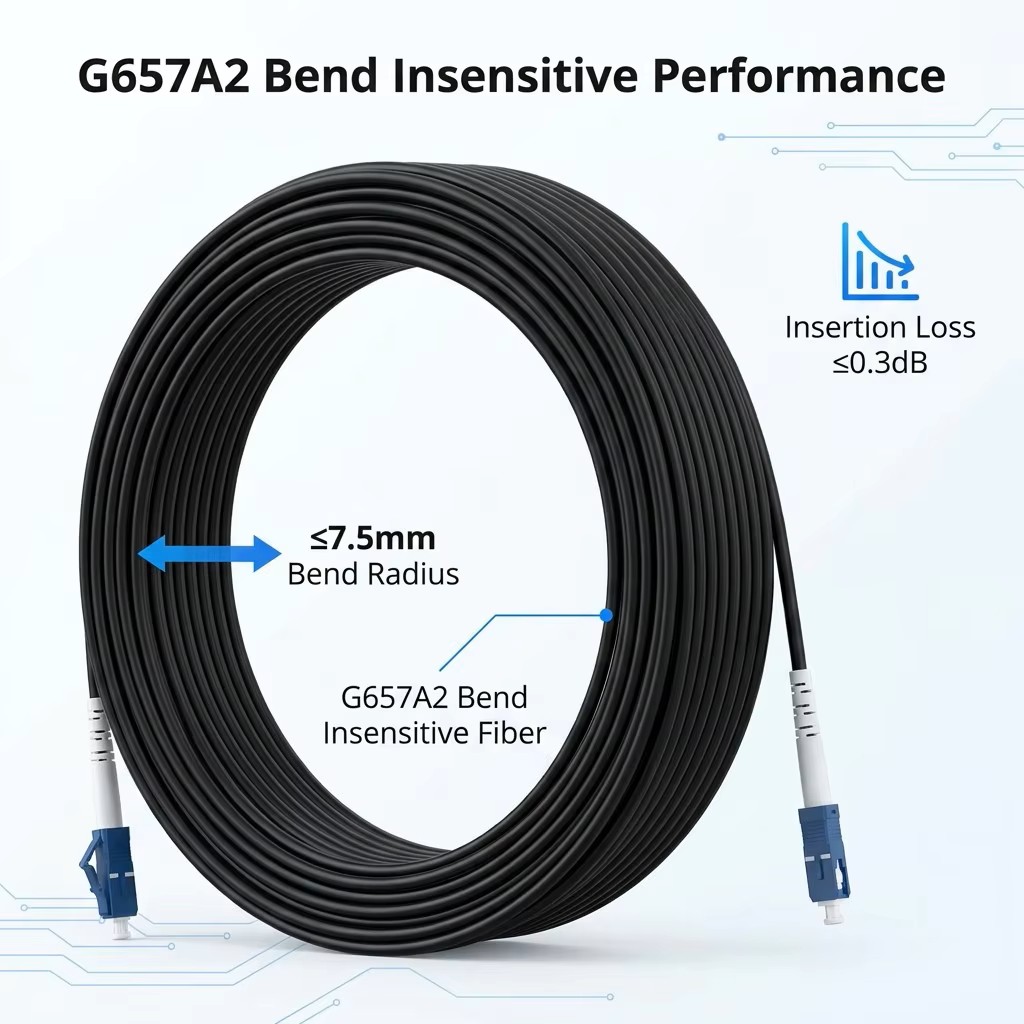
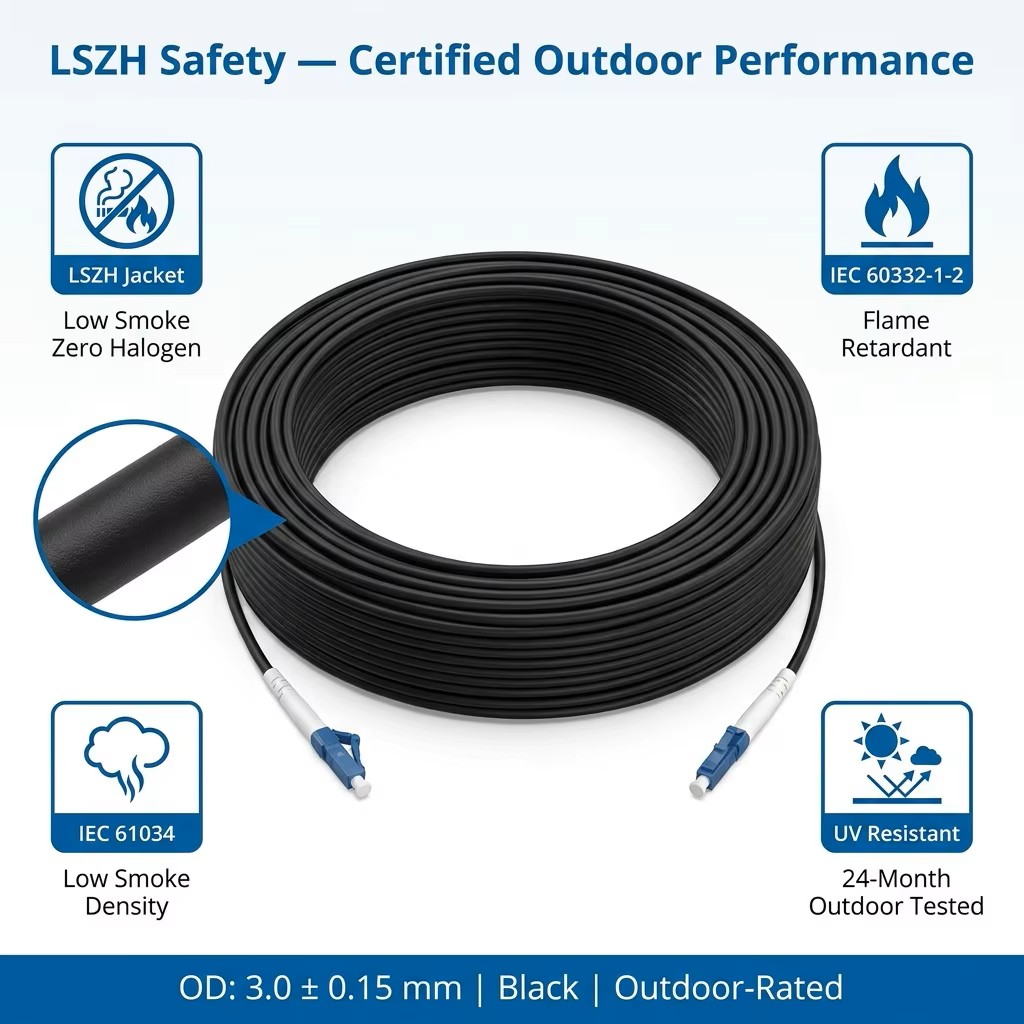
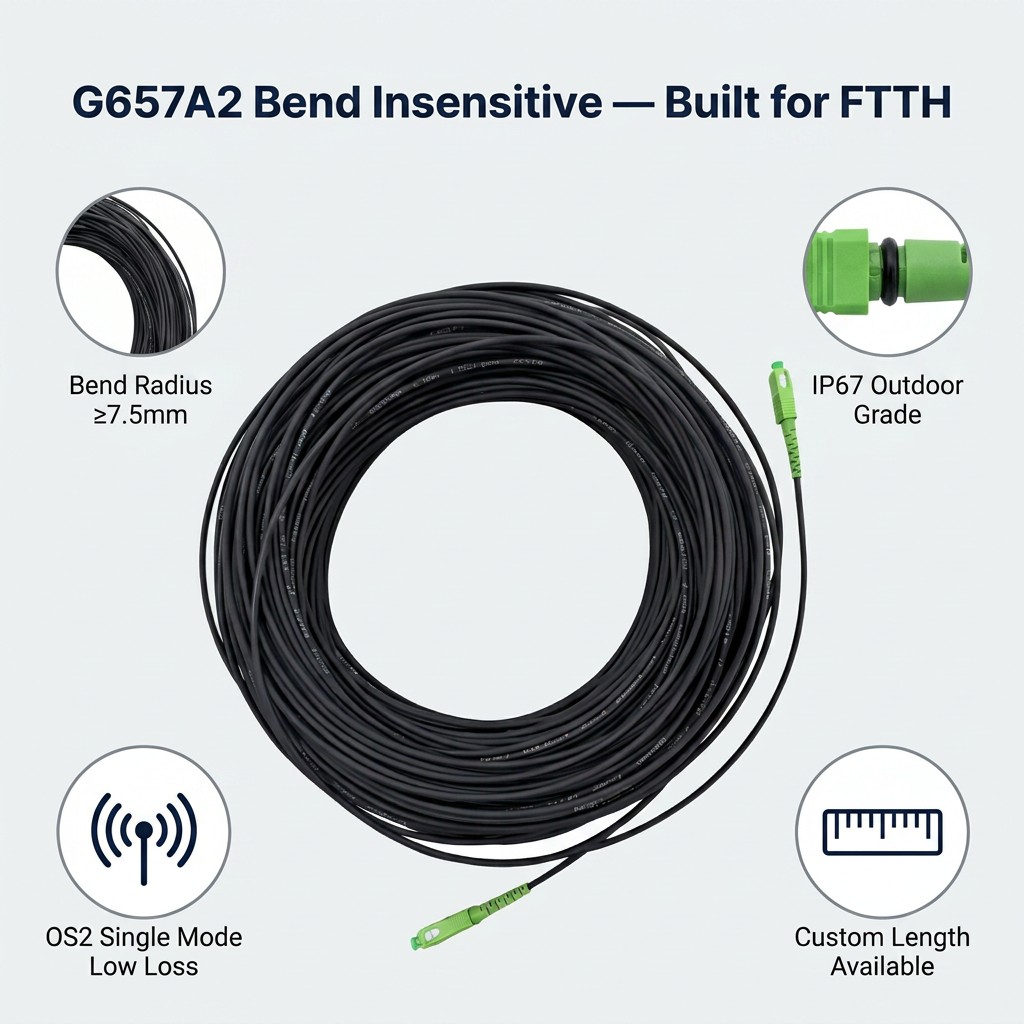
Key technological features of the FTTH cable include its single-mode or multi-mode fiber construction, which determines transmission distance and capacity. The FTTH cable incorporates protective layers including buffer tubes, strength members, and outer jackets to withstand environmental stresses and physical damage. These components work together to ensure reliable performance in diverse installation environments, from underground conduits to aerial poles.
The primary function of the FTTH cable is to establish direct fiber-optic connections from service provider networks to end-user locations. Unlike traditional broadband methods, the FTTH cable eliminates signal degradation over distance, providing consistent performance regardless of property proximity to central offices. Applications for the FTTH cable extend across residential internet service, business connectivity solutions, multimedia streaming, and smart home technologies. Modern telecommunications infrastructure increasingly relies on FTTH cable deployment to meet growing bandwidth demands. Healthcare facilities, educational institutions, and enterprise businesses benefit significantly from the reliability and speed that FTTH cable solutions provide, making it essential infrastructure for digital transformation initiatives worldwide.

 EN