network optical cable
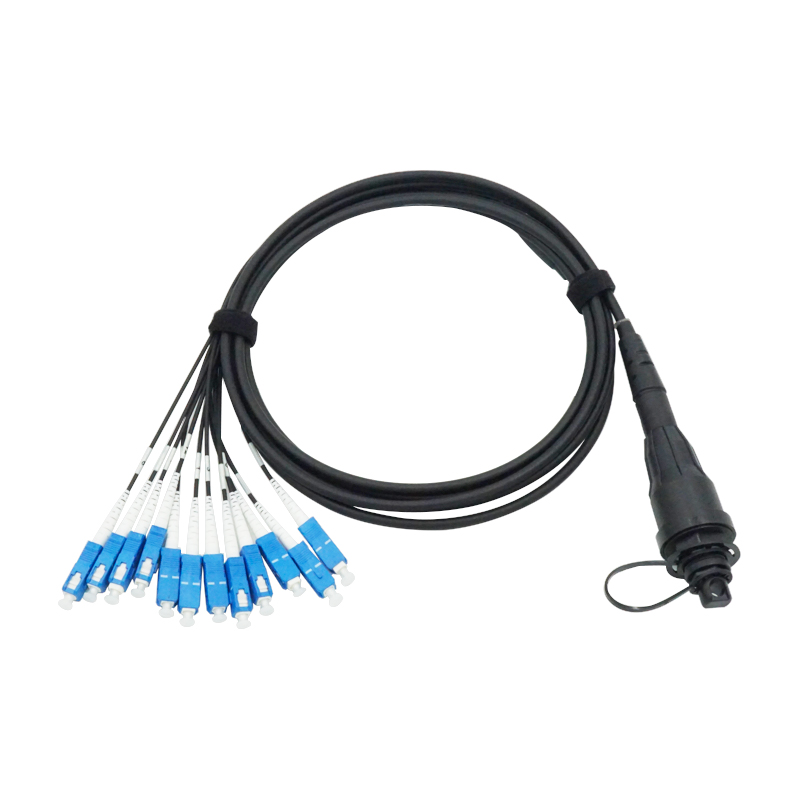
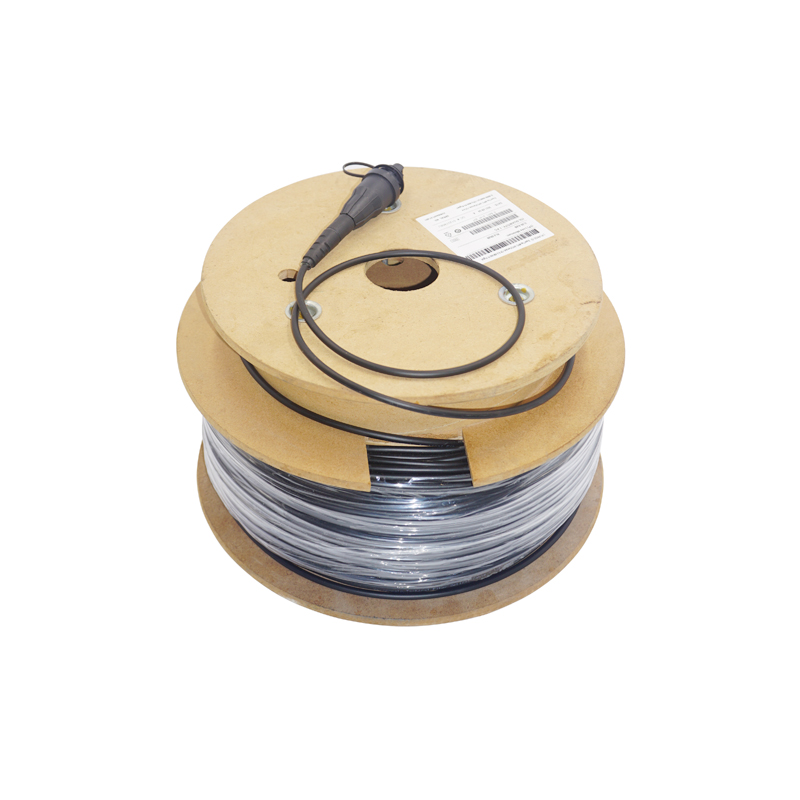
A network optical cable represents a sophisticated transmission technology that carries data through light signals transmitted along fiber strands. The network optical cable serves as the backbone infrastructure for high-speed telecommunications and data communication systems worldwide. This advanced network optical cable technology enables organizations to transmit massive volumes of information across vast distances with minimal signal degradation and interference.
The primary function of a network optical cable involves converting electrical signals into optical signals, transmitting them through glass or plastic fiber cores, and converting them back to electrical signals at the destination. A network optical cable typically consists of a core surrounded by cladding that maintains signal integrity through total internal reflection. These cables support single-mode or multimode transmission, with single-mode network optical cable variants offering extended range capabilities for long-distance applications.
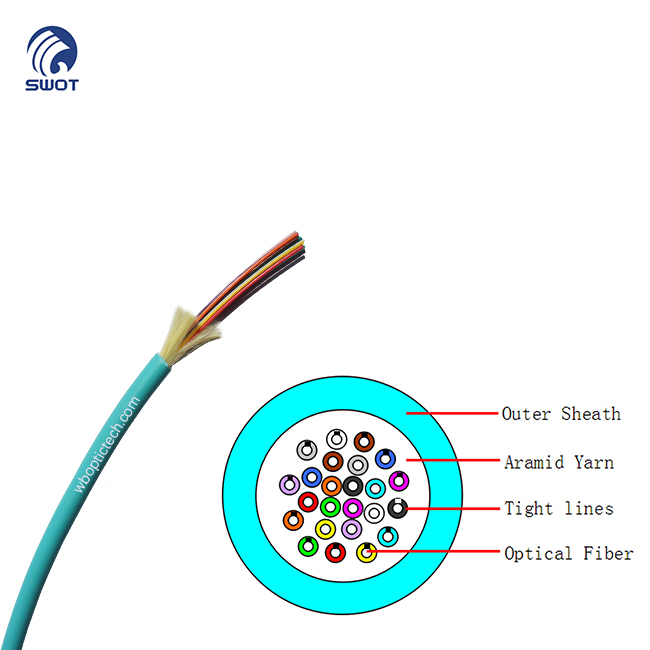
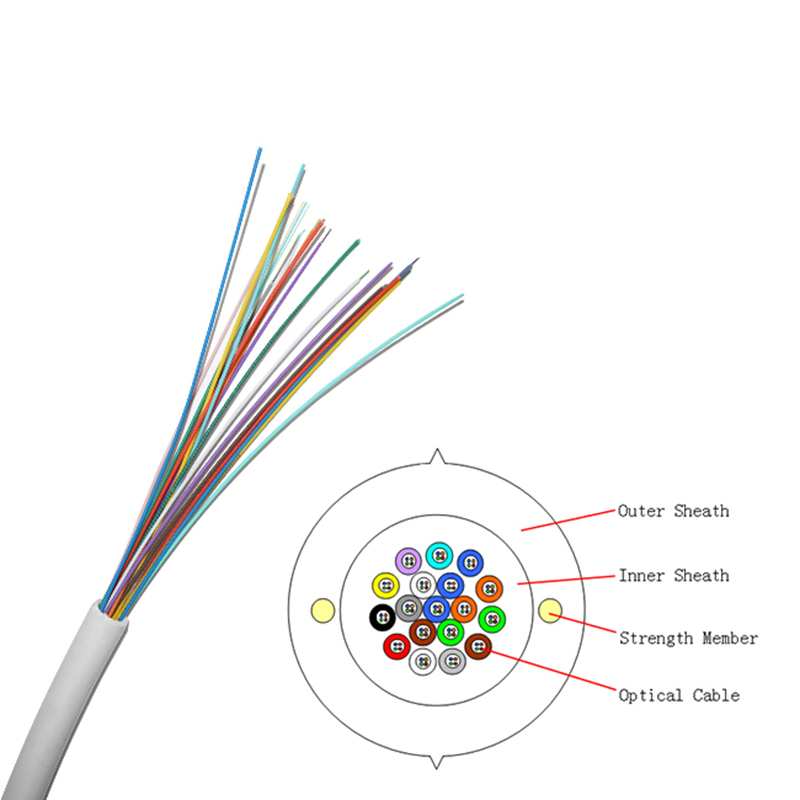
Key technological features of network optical cable systems include exceptional bandwidth capacity, immunity to electromagnetic interference, and superior security characteristics. The network optical cable operates at light speeds, delivering data transmission rates measured in terabits per second. Advanced network optical cable designs incorporate protective jackets, aramid yarn reinforcement, and moisture barriers to ensure durability and longevity in demanding environments.
Applications of network optical cable span telecommunications infrastructure, data centers, campus networks, and metropolitan area networks. Industries including finance, healthcare, education, and government rely on network optical cable systems for mission-critical communications. The network optical cable has become indispensable for supporting cloud computing, streaming services, and emerging technologies requiring ultra-reliable connectivity solutions.

 EN