adss optical cable
An ADSS optical cable represents a fundamental advancement in modern telecommunications infrastructure. ADSS stands for All-Dielectric Self-Supporting, which describes the cable's revolutionary design that eliminates metal components traditionally found in optical cables. The ADSS optical cable is engineered to span distances between utility poles without requiring additional support structures, making it an exceptionally efficient solution for network deployment.
The primary function of an ADSS optical cable involves transmitting high-speed data signals across vast distances with minimal signal degradation. This cable type carries digital information through fiber-optic strands, enabling telecommunications providers to establish reliable communication networks. The ADSS optical cable achieves remarkable transmission speeds and bandwidth capacity that far exceeds traditional copper-based alternatives.
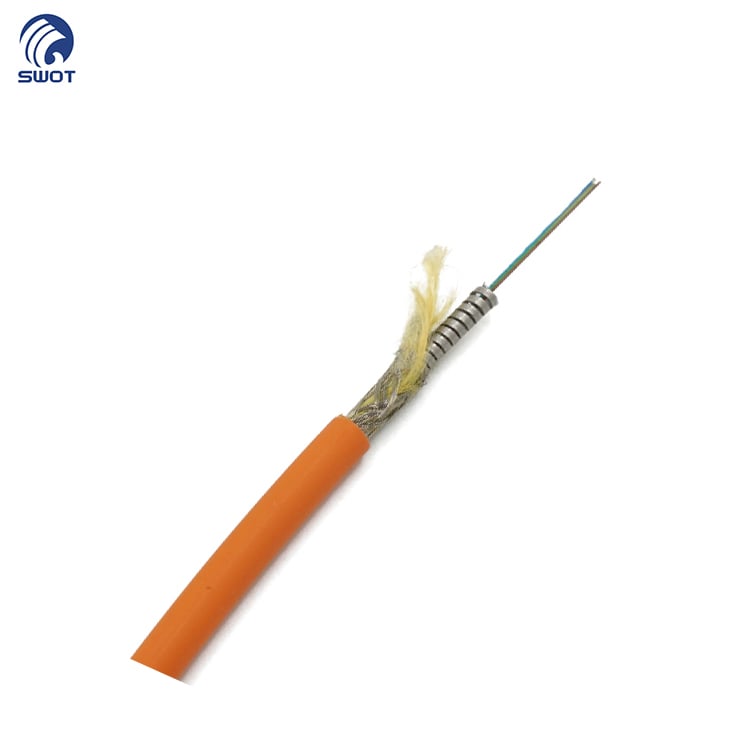
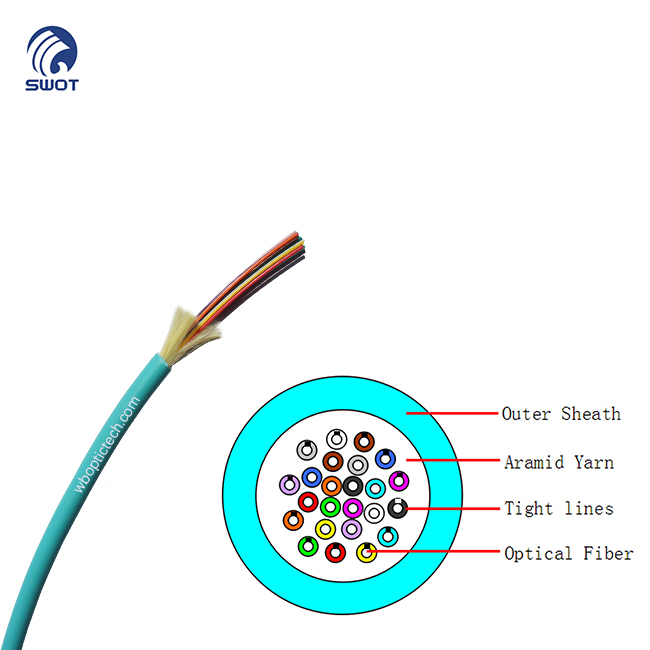
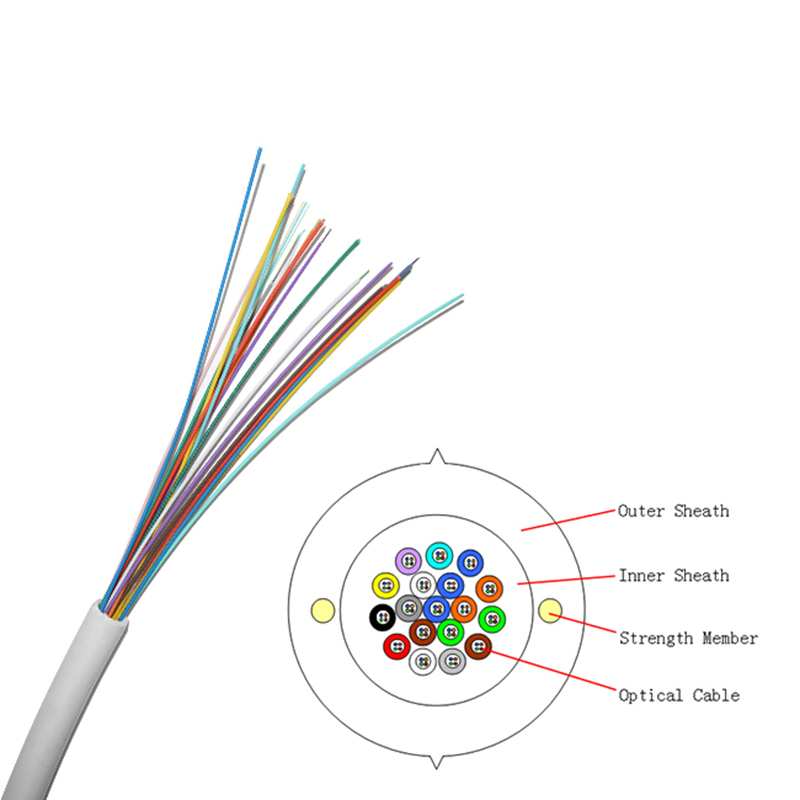
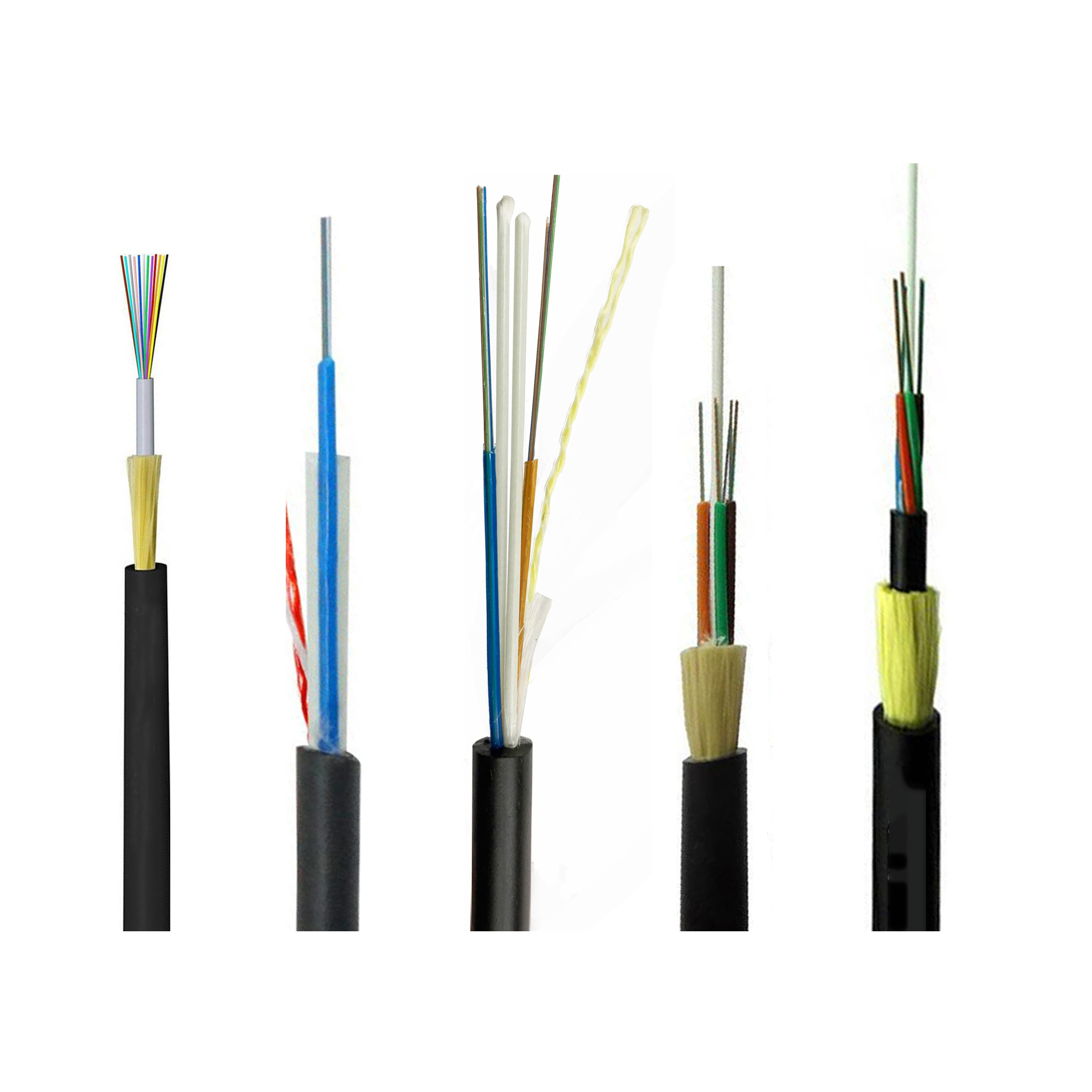
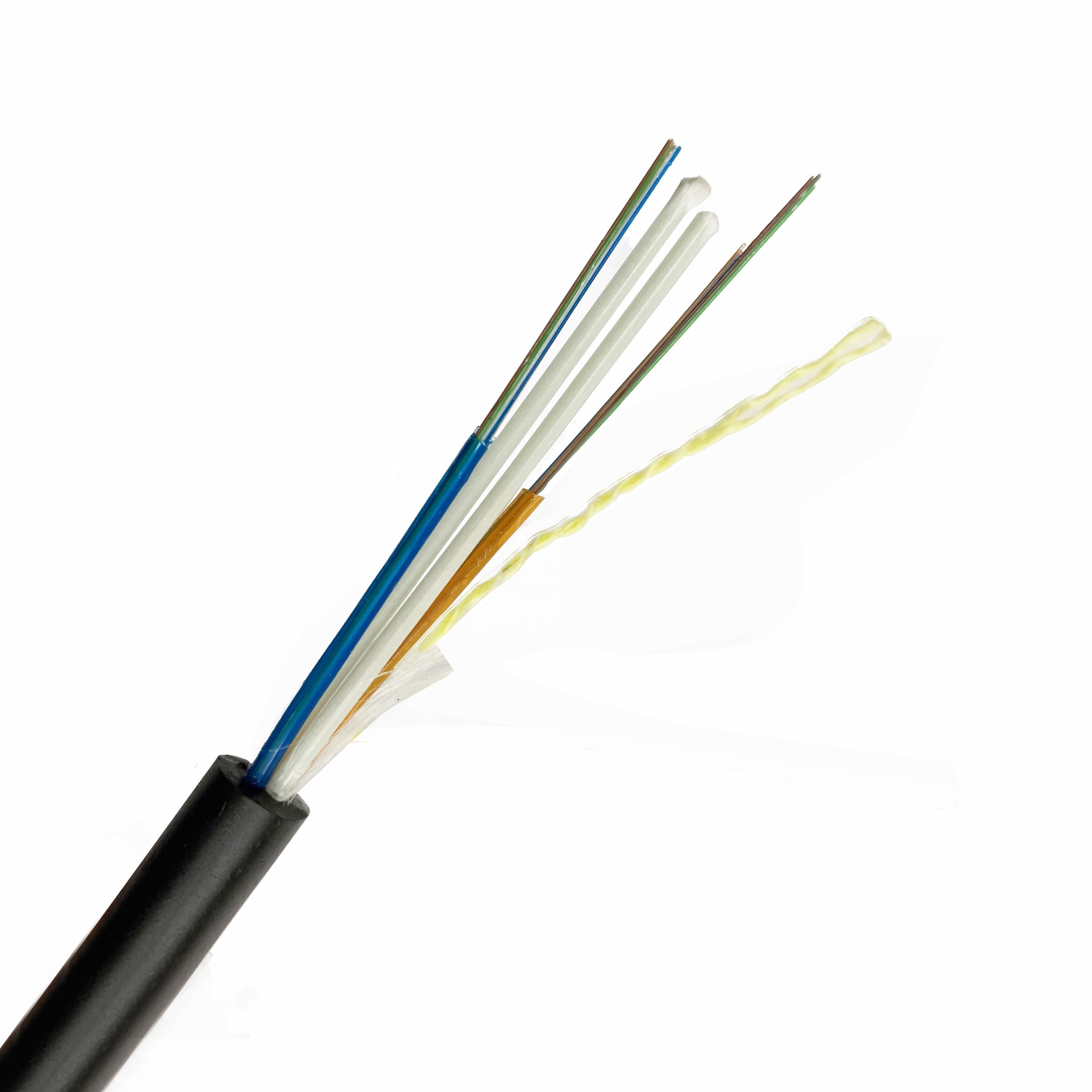
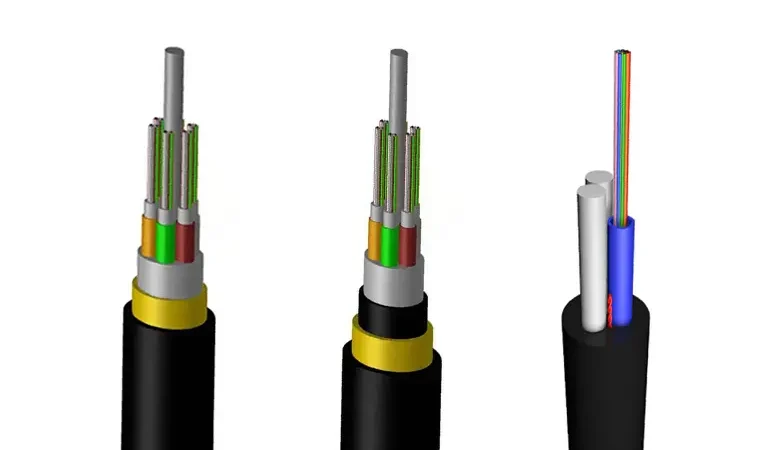
Technologically, the ADSS optical cable features a non-metallic construction that provides inherent safety advantages. The cable incorporates multiple protective layers surrounding the fiber-optic core, including strength members that distribute tension evenly along the cable's length. This design prevents mechanical stress concentration points that could compromise signal integrity.
Applications for ADSS optical cable technology span numerous industries, including telecommunications, power distribution companies, and utility networks. The ADSS optical cable serves rural areas, urban environments, and challenging geographic locations where conventional installation methods prove impractical. Telecommunications operators increasingly prefer the ADSS optical cable for long-distance backbone networks, metropolitan area networks, and last-mile connectivity solutions. The versatility of ADSS optical cable deployment makes it indispensable for modern infrastructure development.

 EN