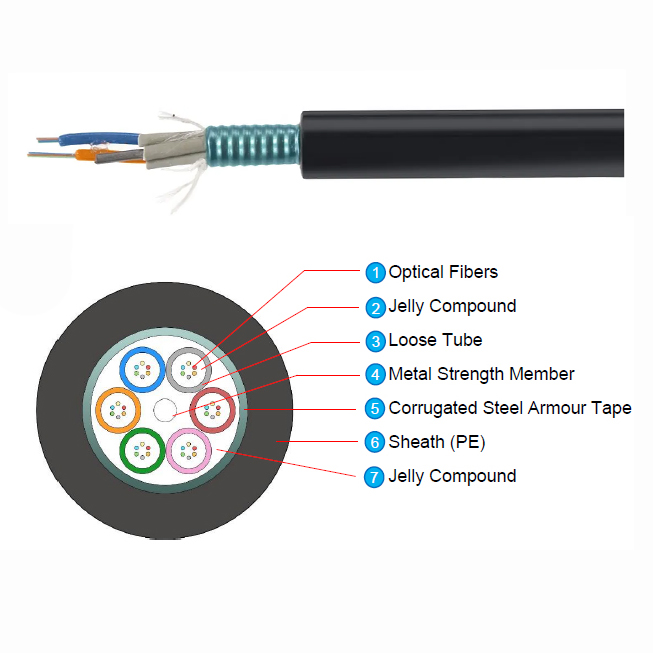
overhead fiber optic cable
Overhead fiber optic cable represents a modern telecommunications infrastructure solution designed to transmit data over long distances using light signals through optical fibers. An overhead fiber optic cable is suspended on poles or towers, making it an efficient alternative to underground installations for connecting buildings, campuses, and communities. The overhead fiber optic cable operates by converting electrical signals into optical signals, enabling high-speed data transmission with minimal signal loss.
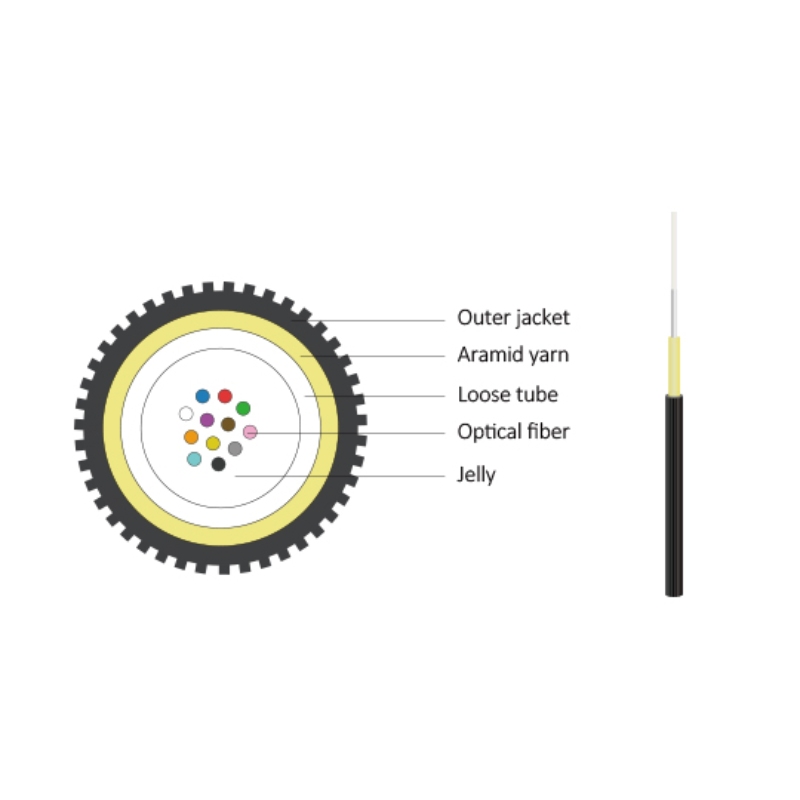
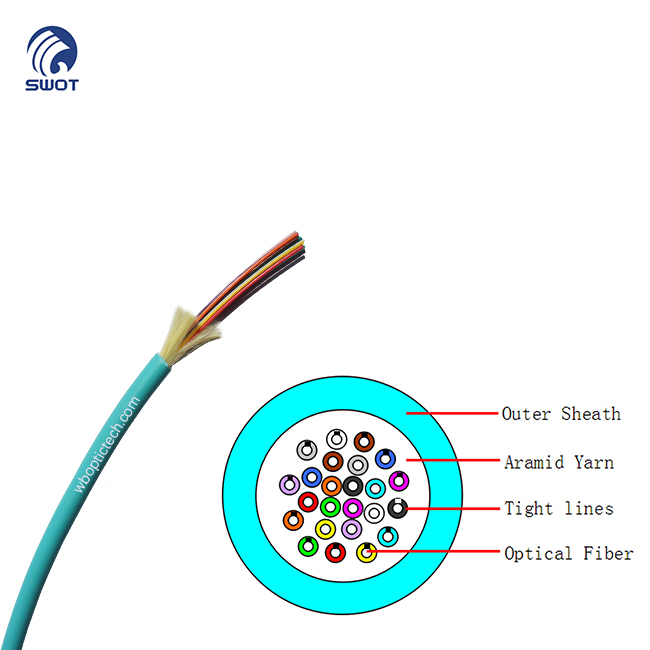
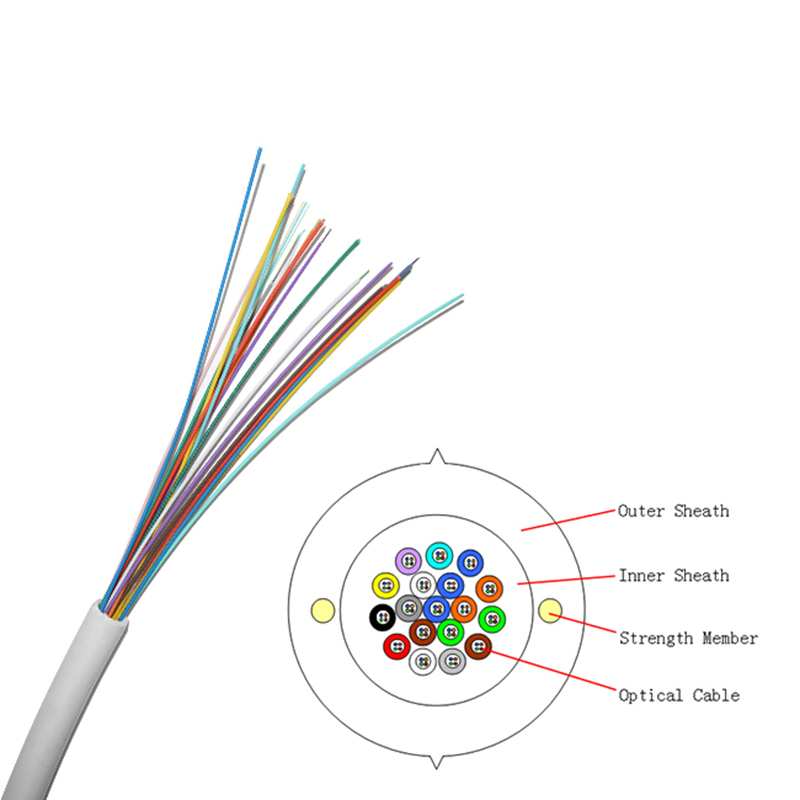
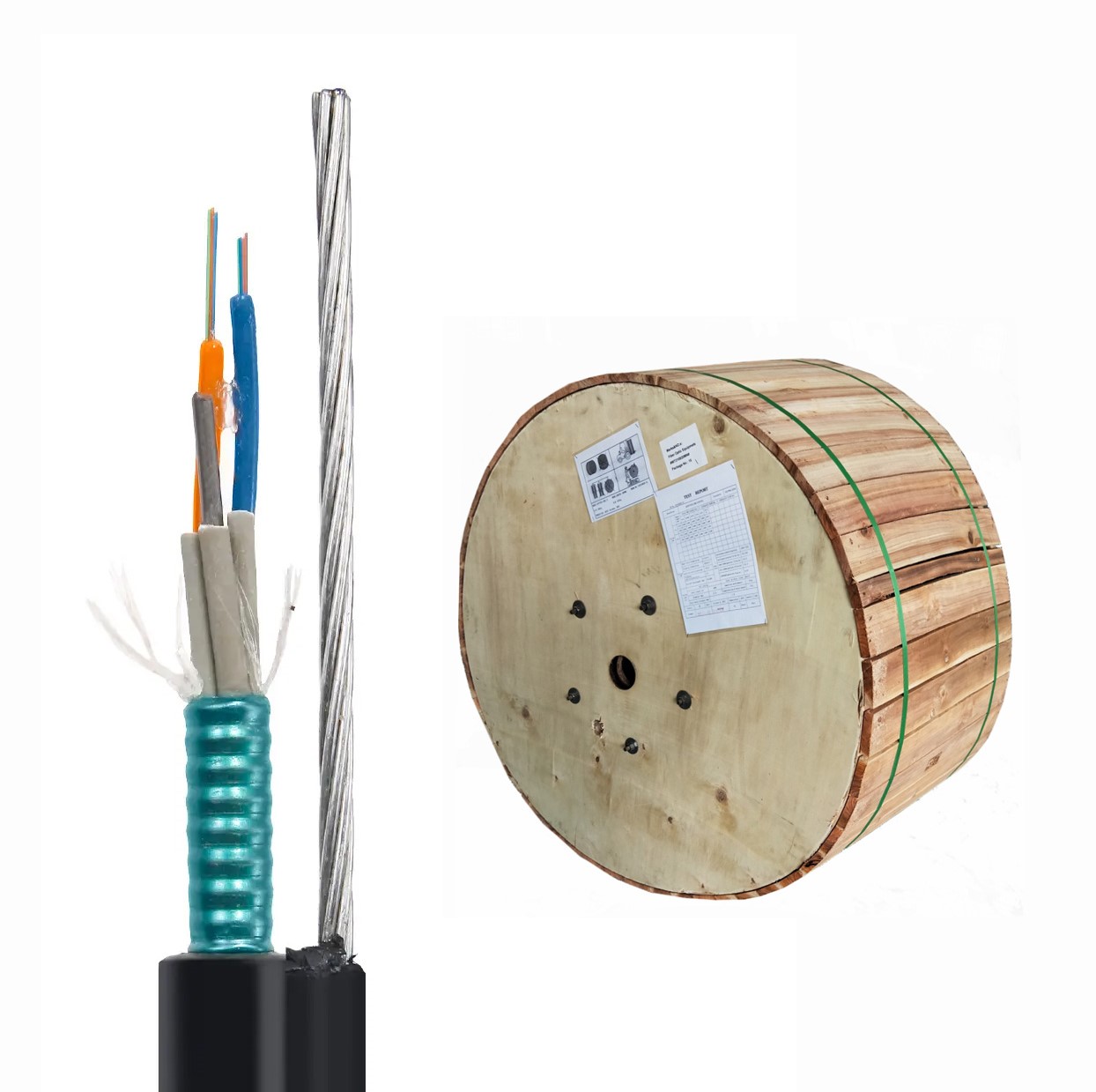
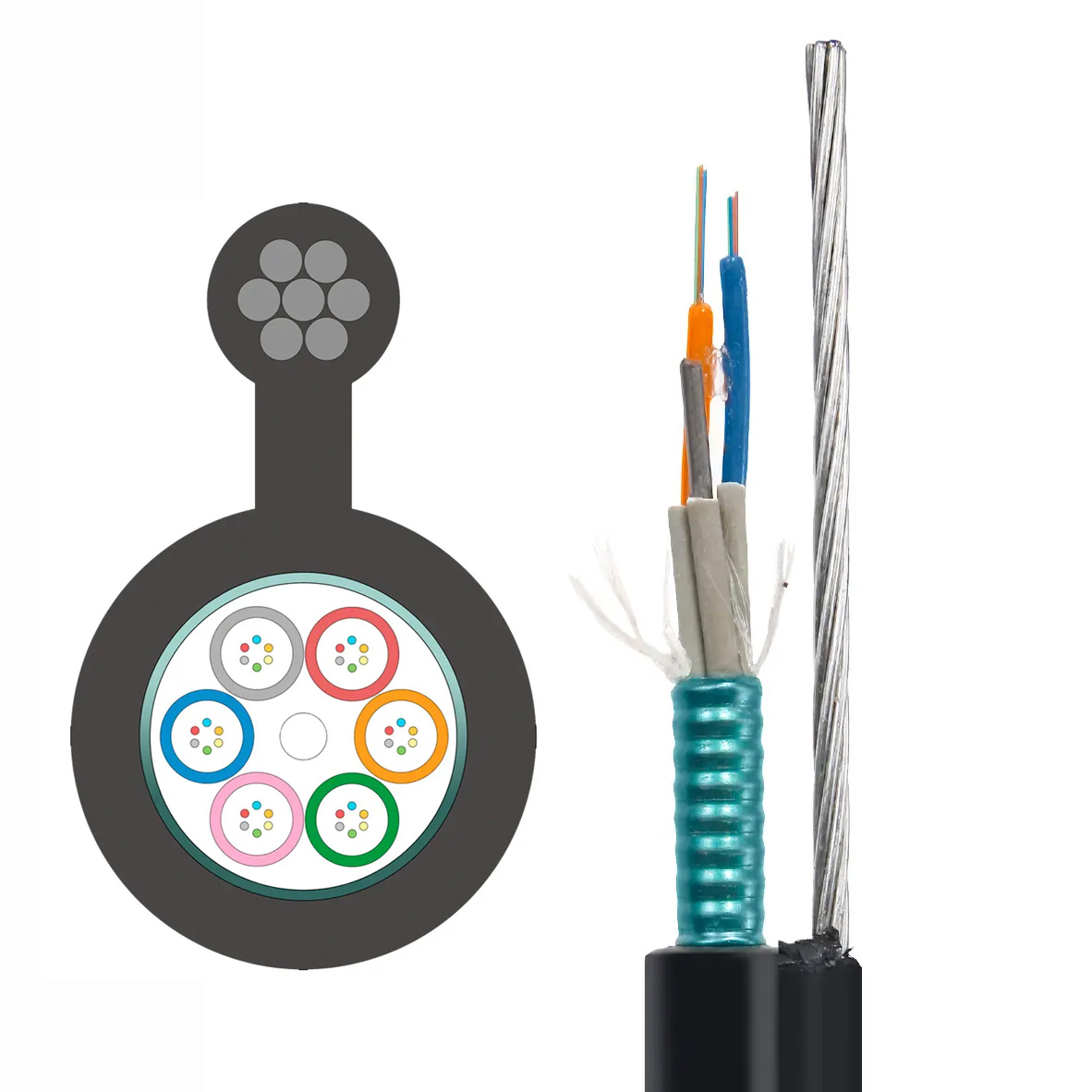
The technological features of overhead fiber optic cable include multiple fiber strands enclosed in protective sheaths, UV-resistant jackets, and weather-resistant outer layers. These cables support speeds exceeding 100 gigabits per second, providing exceptional bandwidth for modern applications. The overhead fiber optic cable construction incorporates reinforced strength members to withstand environmental stresses, wind loads, and temperature fluctuations.
Applications of overhead fiber optic cable span numerous sectors including telecommunications, internet service providers, corporate networks, educational institutions, and governmental agencies. The overhead fiber optic cable enables reliable connectivity for video streaming, cloud computing, enterprise communications, and 5G network infrastructure deployment. Installation of overhead fiber optic cable reduces trenching costs and minimizes ground disturbance compared to buried alternatives. This technology delivers future-proof connectivity solutions that accommodate increasing bandwidth demands while maintaining cost efficiency across various deployment scenarios and geographic locations.

 EN