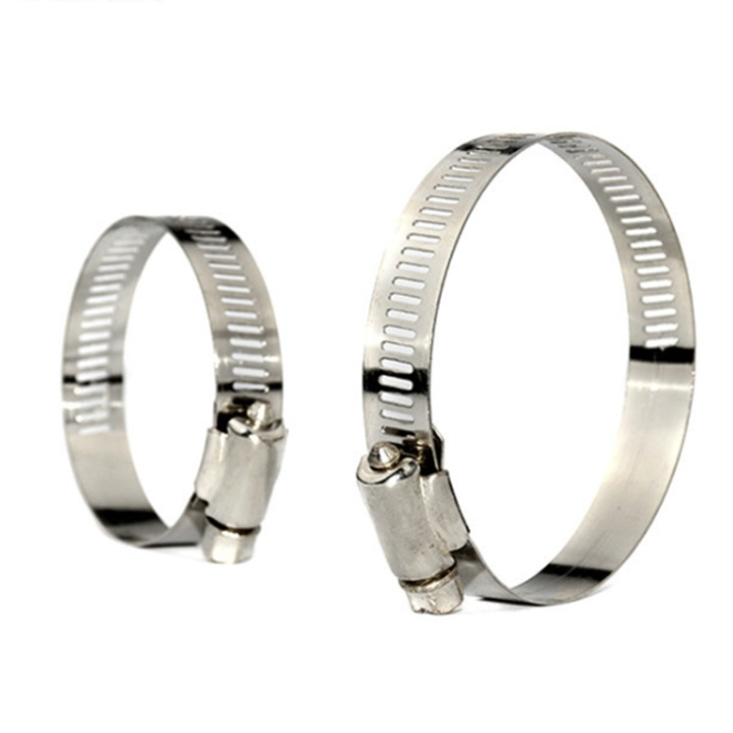
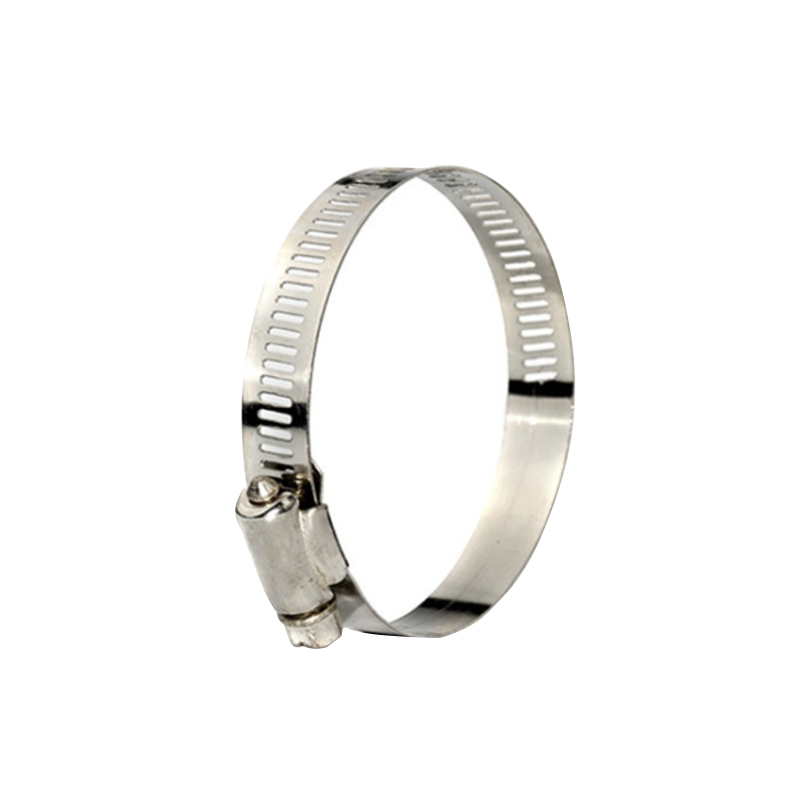
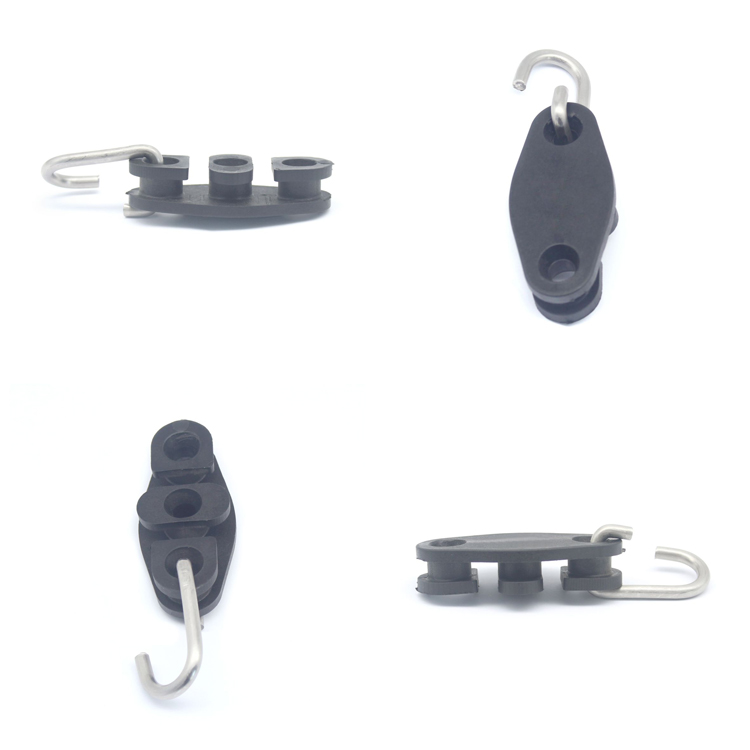
fiber optic cable pole clamp
A fiber optic cable pole clamp is an essential hardware component designed to securely fasten fiber optic cables to utility poles, structures, and mounting surfaces. This specialized clamp provides reliable support and protection for fiber optic installations in telecommunications, broadband networks, and power distribution systems. The fiber optic cable pole clamp features precision engineering that accommodates various cable diameters while maintaining consistent grip strength without causing damage to sensitive fiber optic strands.
The primary function of a fiber optic cable pole clamp is to anchor cables firmly in place, preventing movement, sagging, or shifting caused by environmental factors such as wind, temperature fluctuations, and weather conditions. These clamps are manufactured from high-quality materials including stainless steel, galvanized steel, or UV-resistant polymers, ensuring durability and long-term performance in outdoor environments. The fiber optic cable pole clamp incorporates innovative design features that facilitate quick installation while maintaining accessibility for maintenance and repairs.
Technologically, modern fiber optic cable pole clamps include adjustable mechanisms that accommodate cables of different sizes and configurations. They feature non-conductive materials or insulation to prevent electrical interference and electromagnetic disturbances that could compromise signal quality. The fiber optic cable pole clamp design incorporates weatherproof construction elements that resist corrosion, rust, and degradation from UV exposure.
Applications for fiber optic cable pole clamps span across telecommunications networks, internet service providers, utility companies, and enterprise infrastructure projects. They are widely used in urban, suburban, and rural installations where fiber optic cables require secure positioning and protection. The fiber optic cable pole clamp serves critical roles in aerial installations, lateral support systems, and vertical routing configurations throughout modern communication networks.

 EN