Fiber Optic Dead End Clamp Solutions

Get a Free Quote

Our representative will contact you soon.
Email
Mobile
Name
Company Name
Message
0/1000

fiber optic dead end clamp

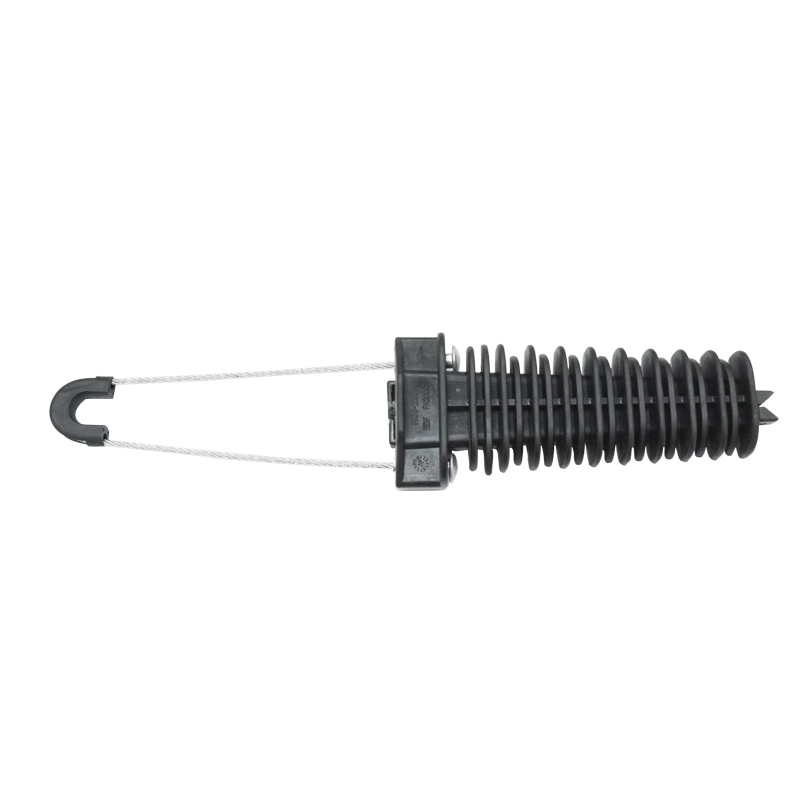
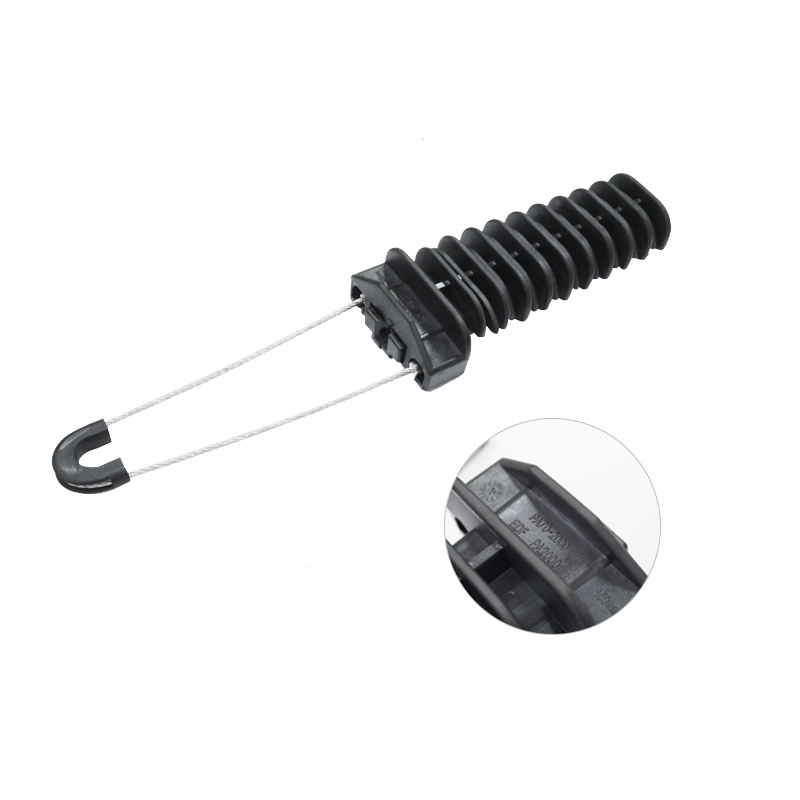
A fiber optic dead end clamp is an essential component in telecommunications and fiber optic cable management systems. This specialized device secures and terminates fiber optic cables at their endpoint, preventing slippage and ensuring stable connection points. The fiber optic dead end clamp functions as a reliable anchoring solution that maintains cable integrity under tension and environmental stress. The technological features of the fiber optic dead end clamp include precision-engineered gripping mechanisms designed specifically for delicate fiber optic materials. These clamps utilize advanced materials that provide adequate holding force without damaging the cable's protective sheathing. The fiber optic dead end clamp incorporates innovative design elements that distribute pressure evenly across the cable surface, minimizing stress concentration points that could compromise signal transmission quality. Applications for the fiber optic dead end clamp span multiple industries including telecommunications networks, data centers, cable television systems, and long-distance communication infrastructure. Utility companies and telecommunications providers rely on this equipment to manage cables in overhead and underground installations. The fiber optic dead end clamp proves invaluable in demanding environments where cables must withstand mechanical loads, temperature fluctuations, and weather exposure. Installation professionals prefer this clamp for its straightforward mounting procedures and compatibility with standard cable diameters. Whether deployed in urban networks or rural installations, the fiber optic dead end clamp delivers consistent performance in securing fiber optic infrastructure.

New Product Releases

The fiber optic dead end clamp offers significant practical benefits that directly enhance installation efficiency and system reliability. First, this equipment eliminates cable slippage concerns, allowing technicians to focus on other critical installation tasks rather than monitoring cable movement. The fiber optic dead end clamp provides peace of mind knowing that cables remain securely positioned throughout their operational lifespan. Operationally, the fiber optic dead end clamp reduces maintenance requirements by preventing accidental disconnections that could disrupt service. When properly installed, this clamp requires minimal ongoing attention, lowering long-term operational costs. The fiber optic dead end clamp maintains consistent cable tension, which directly contributes to optimal signal transmission and reduced data errors across networks. For application suitability, the fiber optic dead end clamp works effectively across diverse cable types and environmental conditions. Whether facing extreme temperatures, moisture exposure, or mechanical vibration, this equipment maintains its holding effectiveness. Installation teams appreciate how the fiber optic dead end clamp accommodates quick deployment in emergency situations while maintaining professional-grade security standards. From a decision-useful perspective, investing in the fiber optic dead end clamp prevents costly downtime associated with cable failures. The equipment's durability ensures years of reliable service without premature replacement needs. Budget-conscious operators find value in the fiber optic dead end clamp's affordability combined with superior performance compared to competing solutions. The straightforward installation process means fewer specialized skills are required, reducing labor expenses. These combined advantages make the fiber optic dead end clamp an intelligent choice for network operators prioritizing both reliability and cost-effectiveness in their infrastructure management strategy.

Practical Tips

How Can a Fiber Optic Joint Box Improve Network Protection?

01

Jul

How Can a Fiber Optic Joint Box Improve Network Protection?

Network infrastructure faces constant threats from environmental exposure, physical damage, and operational stress. A fiber optic joint box serves as a critical protective enclosure that safeguards fiber optic connections, splice points, and signal t...
View More
What Industries Benefit Most from Fiber Optic Cable Solutions?

22

Jul

What Industries Benefit Most from Fiber Optic Cable Solutions?

The modern industrial landscape increasingly depends on reliable, high-speed data transmission, making fiber optic cable a critical infrastructure component across numerous sectors. Organizations worldwide recognize that fiber optic cable delivers su...
View More
How Can Fiber Optic Cable Support Future Network Expansion?

01

Aug

How Can Fiber Optic Cable Support Future Network Expansion?

As organizations scale their digital operations, network infrastructure must evolve to support exponential data growth. Fiber optic cable has become the backbone of modern network expansion strategies, offering unmatched capacity, speed, and reliabil...
View More
Why Do Telecom Providers Prefer Fiber Optic Cable Systems?

02

Aug

Why Do Telecom Providers Prefer Fiber Optic Cable Systems?

The telecommunications industry has undergone a fundamental transformation over the past two decades, and at the heart of this revolution sits fiber optic cable technology. Telecom providers worldwide have made a strategic shift toward fiber optic ca...
View More

Get a Free Quote

Our representative will contact you soon.
Email
Mobile
Name
Company Name
Message
0/1000

fiber optic dead end clamp

Superior Cable Security and Stability

Superior Cable Security and Stability

The fiber optic dead end clamp excels at providing unwavering cable security in challenging environments. Its precision engineering ensures that fiber optic cables remain firmly anchored regardless of external pressures or mechanical stresses. The grip mechanism distributes holding force evenly across the cable surface, preventing localized stress that could damage the delicate fiber core. This reliable anchoring capability proves essential in overhead installations where wind loads and temperature variations constantly challenge cable stability. Technicians appreciate how the fiber optic dead end clamp eliminates concerns about accidental cable displacement or slippage that could interrupt critical communications. The equipment's robust construction withstands years of environmental exposure while maintaining consistent performance characteristics. Whether securing cables in high-traffic areas or remote locations, the fiber optic dead end clamp delivers the dependable security that network operators demand for their fiber infrastructure investments.
Easy Installation and Maintenance Benefits

Easy Installation and Maintenance Benefits

Installing the fiber optic dead end clamp requires minimal technical expertise and specialized tools, making it accessible to most installation professionals. The straightforward design allows quick deployment in both planned installations and emergency repair situations. Unlike complex fastening systems that demand extensive training, the fiber optic dead end clamp features intuitive mounting procedures that reduce installation time and labor costs significantly. Once properly installed, the fiber optic dead end clamp requires virtually no ongoing maintenance, contrasting favorably with competing cable termination methods that need regular adjustments and monitoring. The simplicity of the fiber optic dead end clamp's design means fewer components can fail or require replacement. Network operators appreciate this low-maintenance characteristic because it reduces their long-term operational expenses and minimizes service disruptions. The reliable performance of the fiber optic dead end clamp means installers can confidently complete projects on schedule without unexpected complications or rework requirements.
Versatile Compatibility and Cost-Effective Value

Versatile Compatibility and Cost-Effective Value

The fiber optic dead end clamp accommodates a wide range of fiber optic cable diameters and types, providing versatile compatibility across diverse network installations. This universal adaptability means organizations can standardize on a single clamp model rather than maintaining multiple specialty components in inventory. The fiber optic dead end clamp works effectively in various environments, from climate-controlled data centers to outdoor telecommunications infrastructure subjected to extreme temperature variations and moisture exposure. Cost-effectiveness represents another compelling advantage of the fiber optic dead end clamp, as its affordable price point makes it accessible to network operators of all sizes. The durability of materials ensures extended service life, maximizing return on investment through years of reliable performance. Choosing the fiber optic dead end clamp means making a fiscally responsible decision without compromising security or reliability standards essential to modern communications networks.

Get a Free Quote

Our representative will contact you soon.
Email
Mobile
Name
Company Name
Message
0/1000