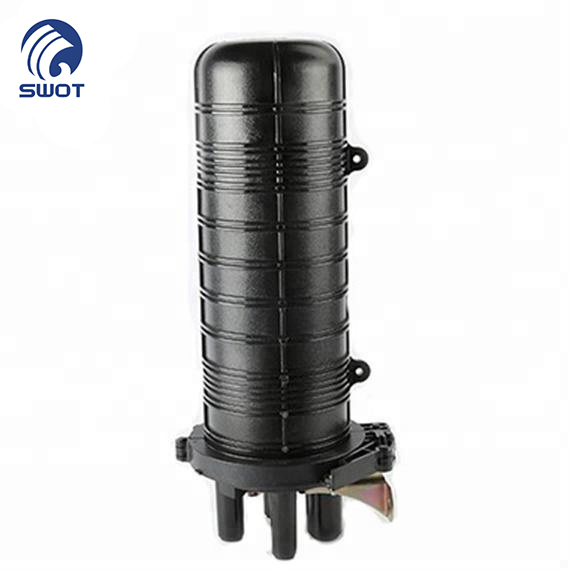
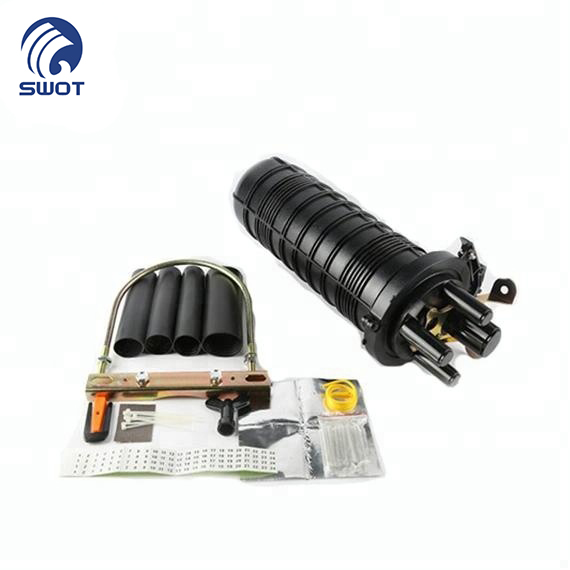
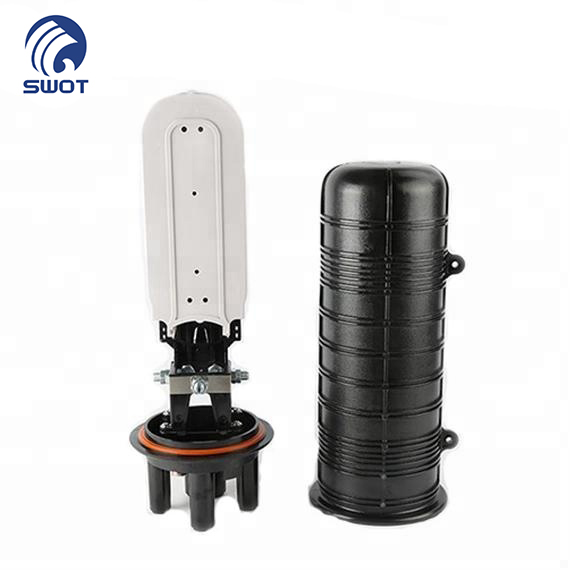
fiber optic splice closure
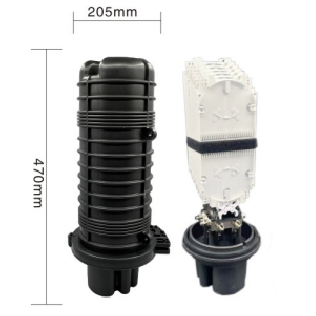
A fiber optic splice closure is a protective enclosure designed to house and safeguard fiber optic cable splices in telecommunications networks. This essential component serves as a sealed container that protects delicate fiber optic connections from environmental hazards, moisture, dust, and temperature fluctuations. The fiber optic splice closure maintains signal integrity by isolating spliced fibers from external elements that could degrade network performance.
The primary function of a fiber optic splice closure is to organize and protect multiple fiber connections in a compact, weatherproof environment. Each fiber optic splice closure accommodates various splice types, including fusion splices and mechanical connectors, allowing telecommunications professionals to create reliable network infrastructure. These closures feature advanced sealing technologies that prevent water ingress and maintain optimal operating conditions for optical signals.
Technologically, the fiber optic splice closure incorporates rigid or flexible designs with multiple cable entry points, internal organization trays, and secure cable management systems. The construction materials resist UV radiation, extreme temperatures, and corrosive elements. Modern fiber optic splice closure units include bend radius protection, strain relief mechanisms, and grounding provisions for safety compliance.
Applications for fiber optic splice closure systems span diverse industries. Telecommunications providers deploy them in underground cable networks, aerial installations, and submarine environments. Data centers, local area networks, and long-distance transmission systems all utilize fiber optic splice closure technology. These closures support fiber-to-the-home initiatives and backbone infrastructure development, making them indispensable for contemporary communication networks.

 EN