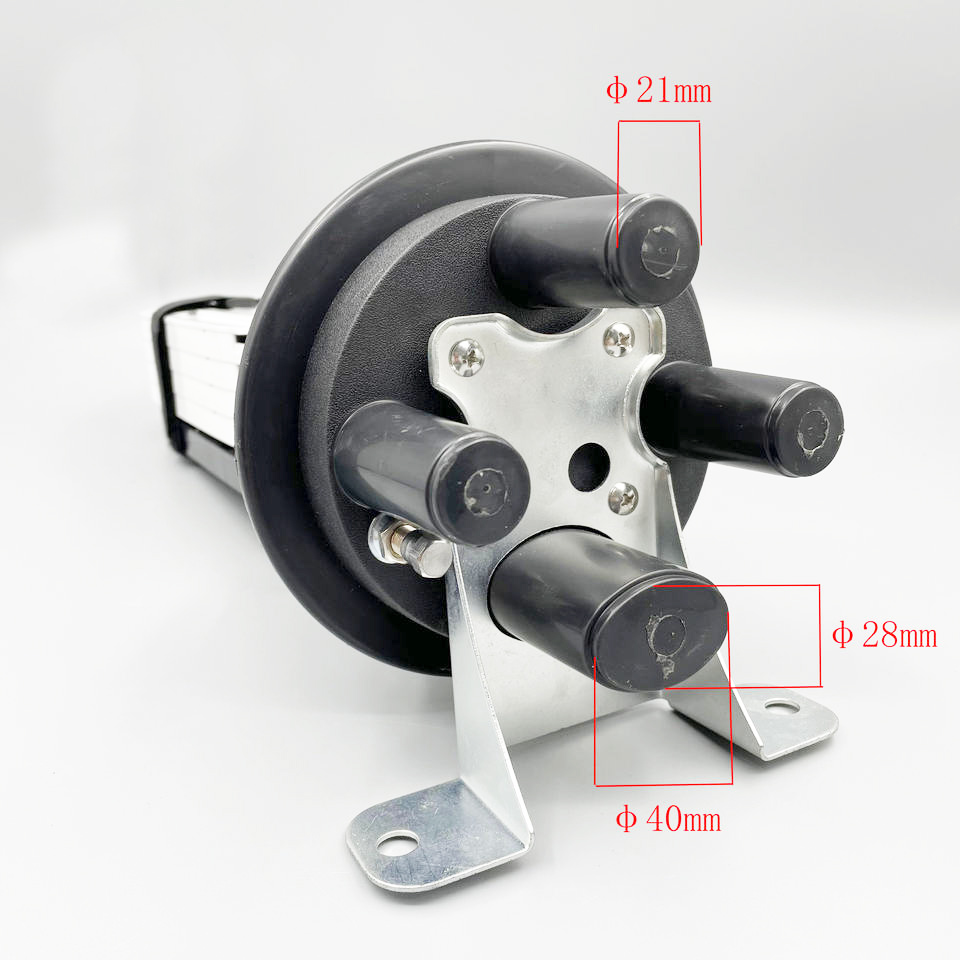
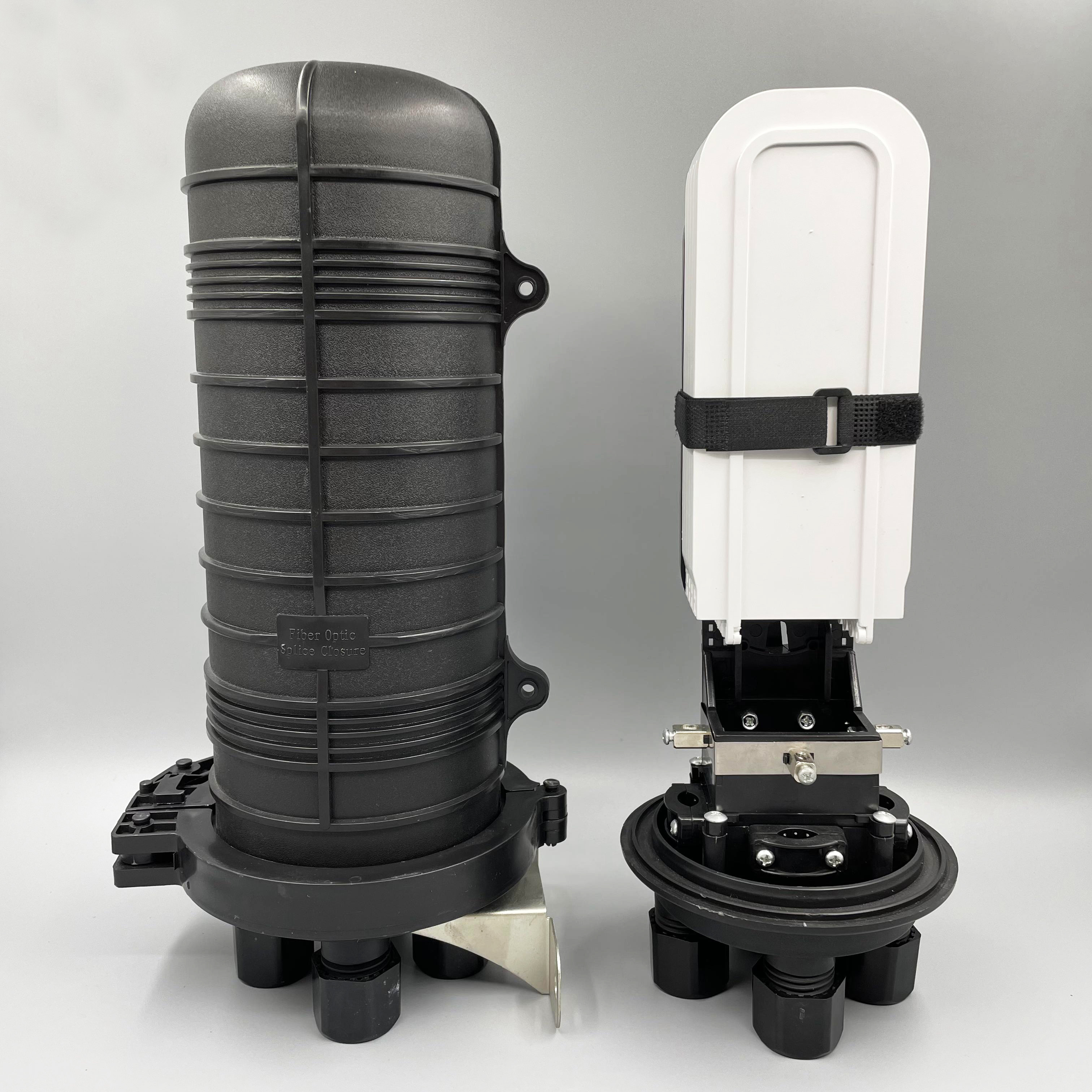
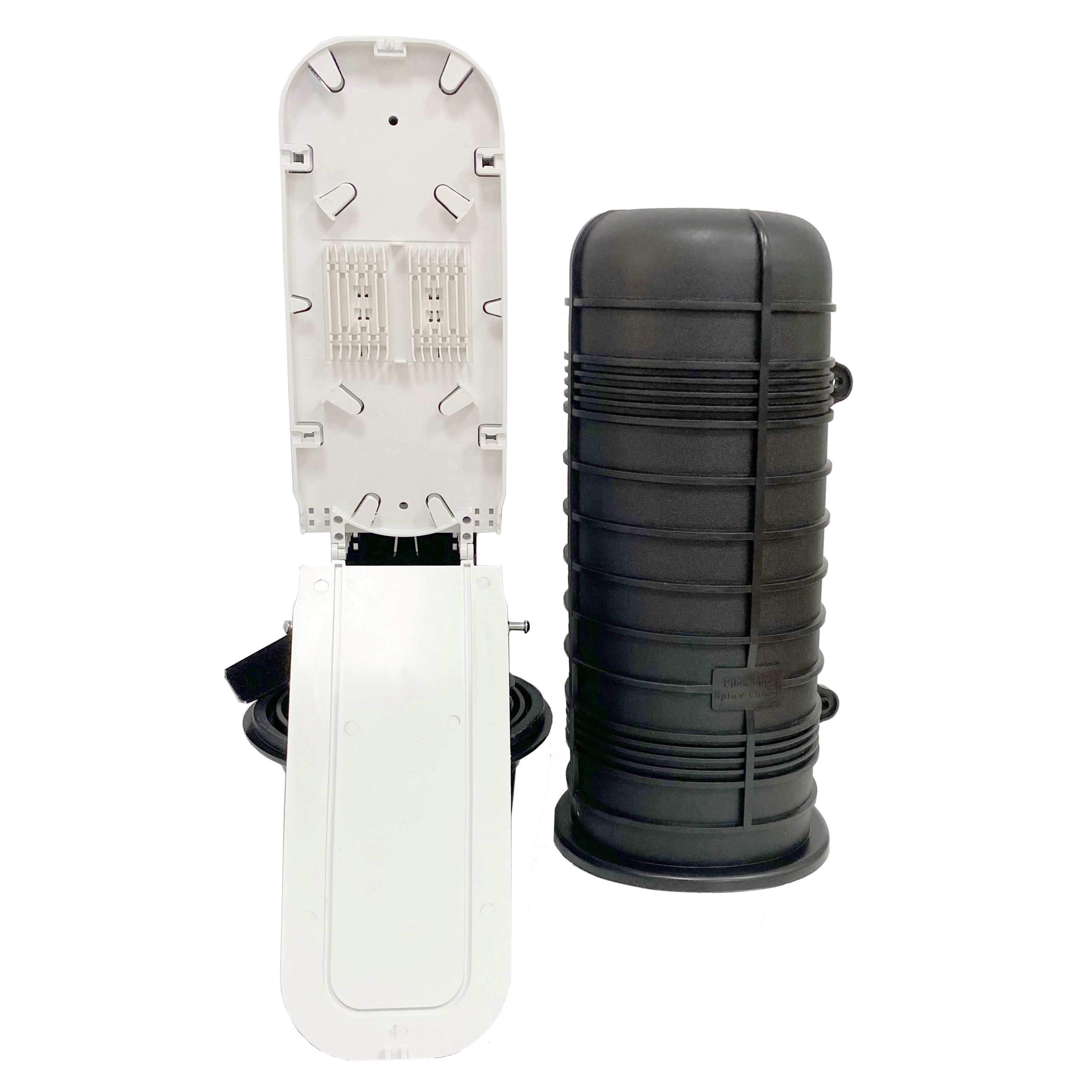
fiber splice enclosure
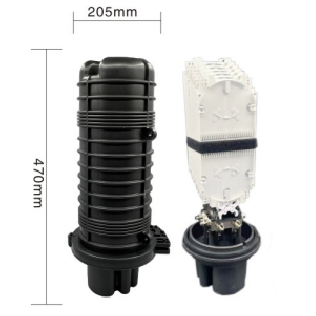
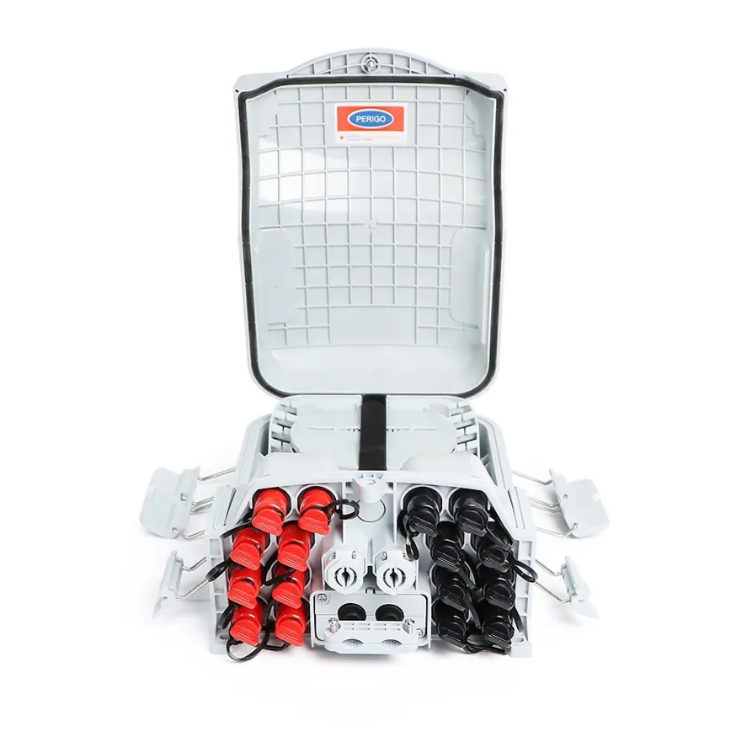
A fiber splice enclosure is a protective housing system designed to secure and organize optical fiber connections in telecommunications networks. This essential component safely contains fiber splices, which are junction points where optical fibers connect together, ensuring reliable signal transmission across long distances. The fiber splice enclosure serves multiple critical functions within network infrastructure, protecting delicate fiber optic connections from environmental damage, physical stress, and contamination that could compromise data integrity.
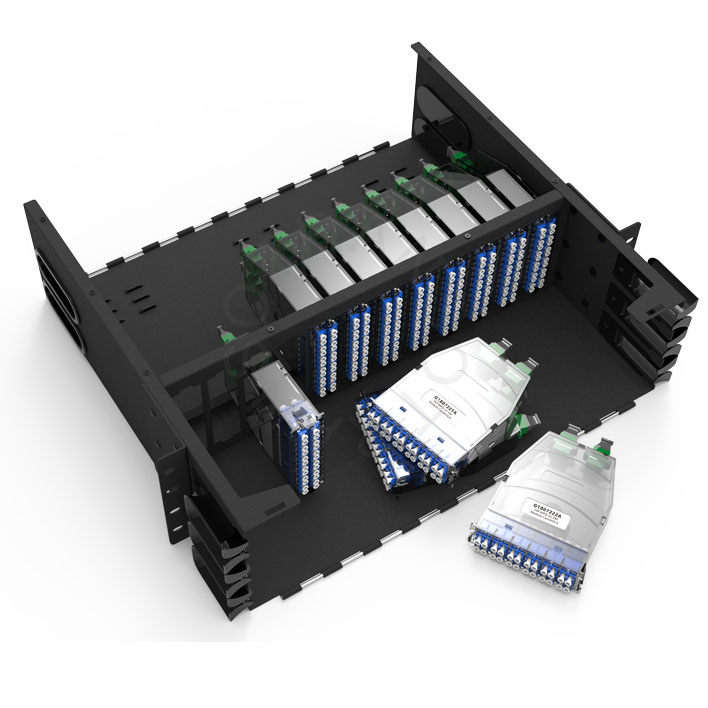
The fiber splice enclosure features advanced technological characteristics that enhance network performance and durability. These enclosures typically include weatherproof sealing mechanisms, UV-resistant materials, and thermal management systems that maintain optimal operating conditions. The internal design accommodates organized splice trays that hold multiple fiber connections securely in place, preventing tangling and reducing maintenance complexity. Modern fiber splice enclosure models incorporate modular designs allowing flexible capacity expansion as network demands grow.
Applications for fiber splice enclosure systems span diverse industries and network environments. Telecommunications companies utilize fiber splice enclosures in backbone networks, metropolitan area networks, and long-haul transmission systems. Utility companies deploy these enclosures to support smart grid communications and monitoring systems. Data center operators implement fiber splice enclosures to maintain high-speed interconnections between facilities. Broadcast and media companies rely on fiber splice enclosures for reliable content distribution networks. Cable television providers integrate these enclosures throughout their hybrid fiber-coaxial networks to ensure consistent service delivery and minimize downtime across residential and commercial service areas.

 EN