Fiber Splice Closure | Network Protection

Get a Free Quote

Our representative will contact you soon.
Email
Mobile
Name
Company Name
Message
0/1000

fiber splice closure

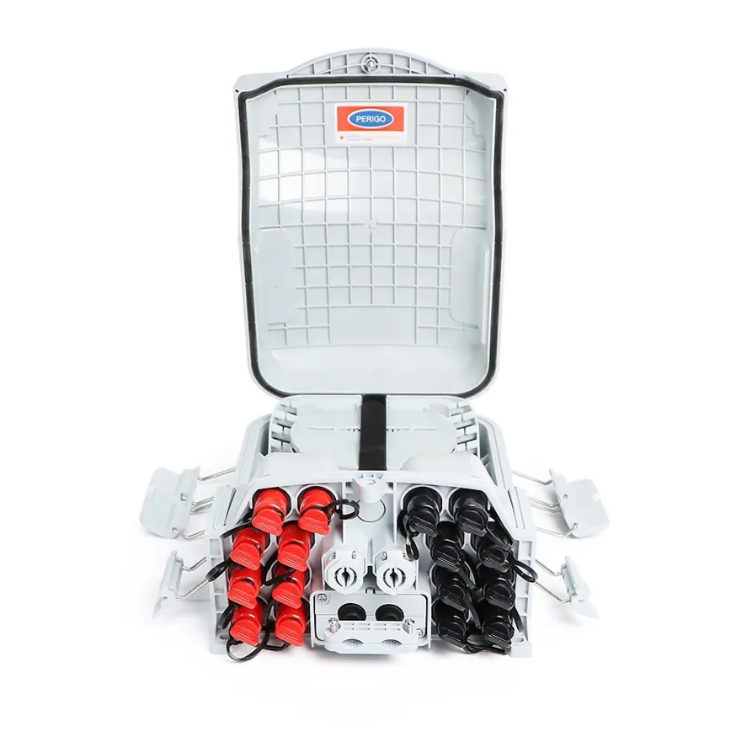
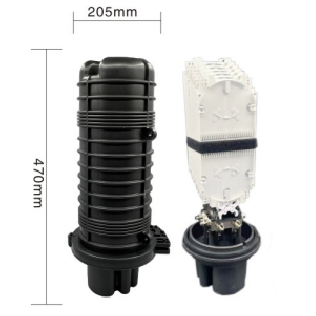
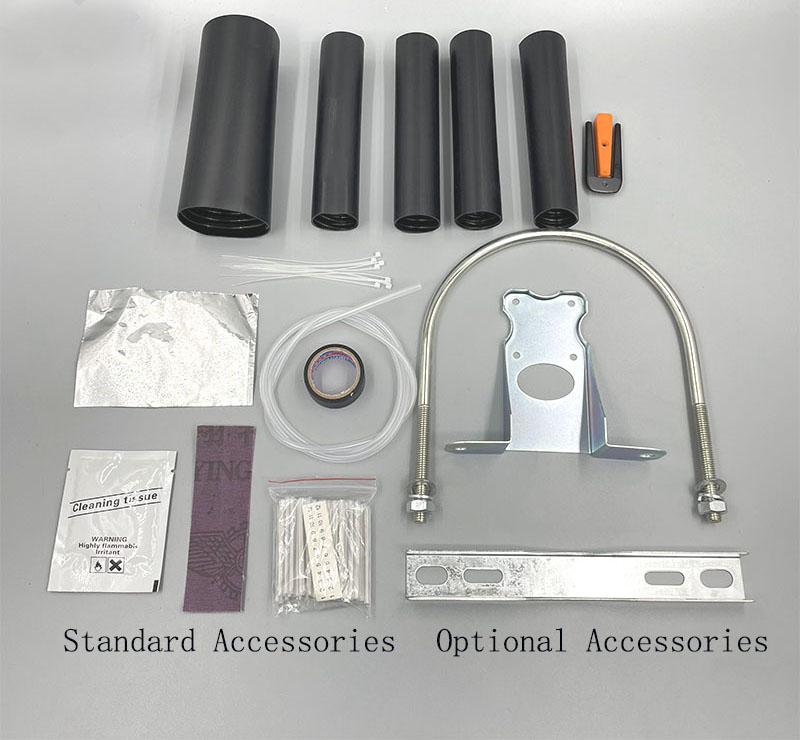
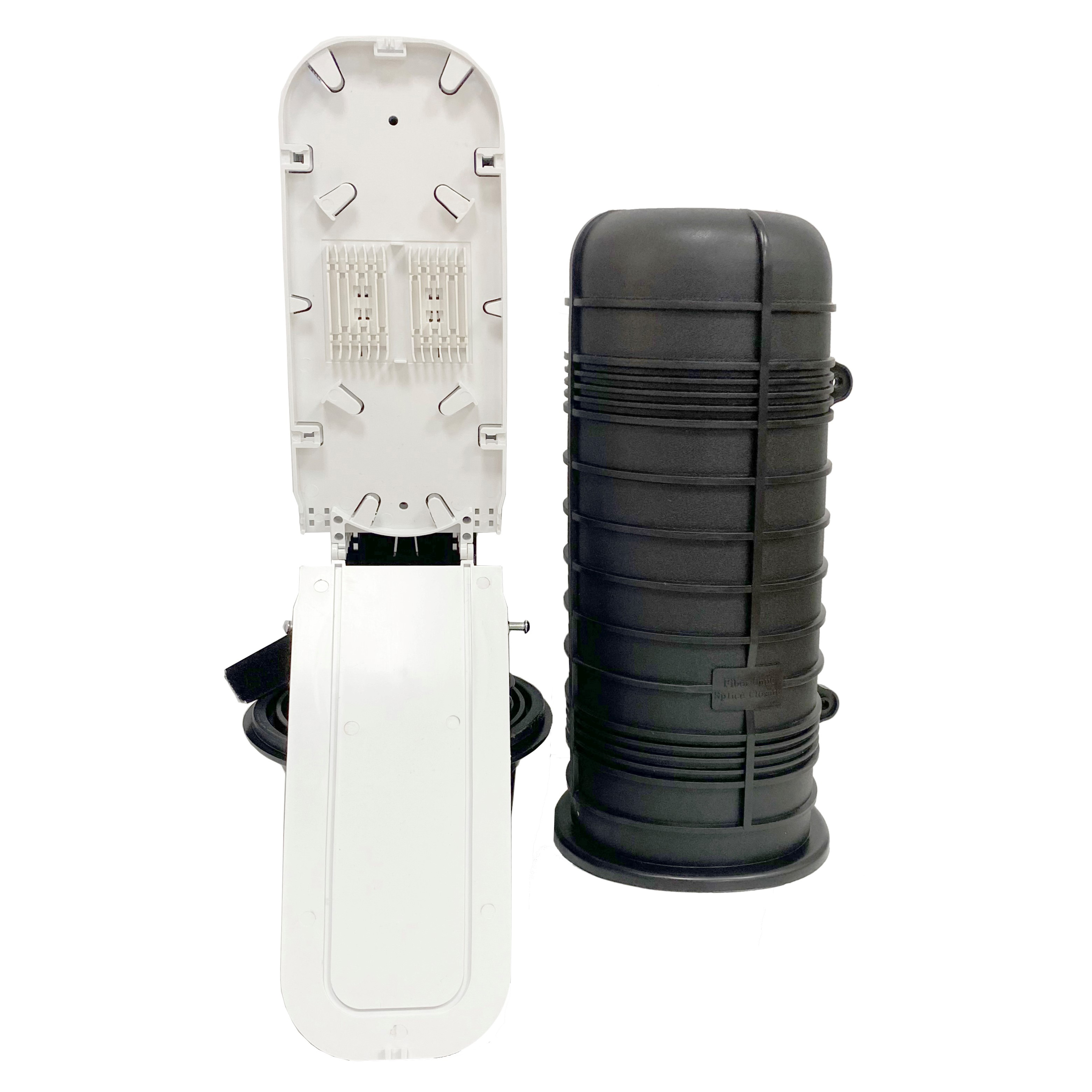
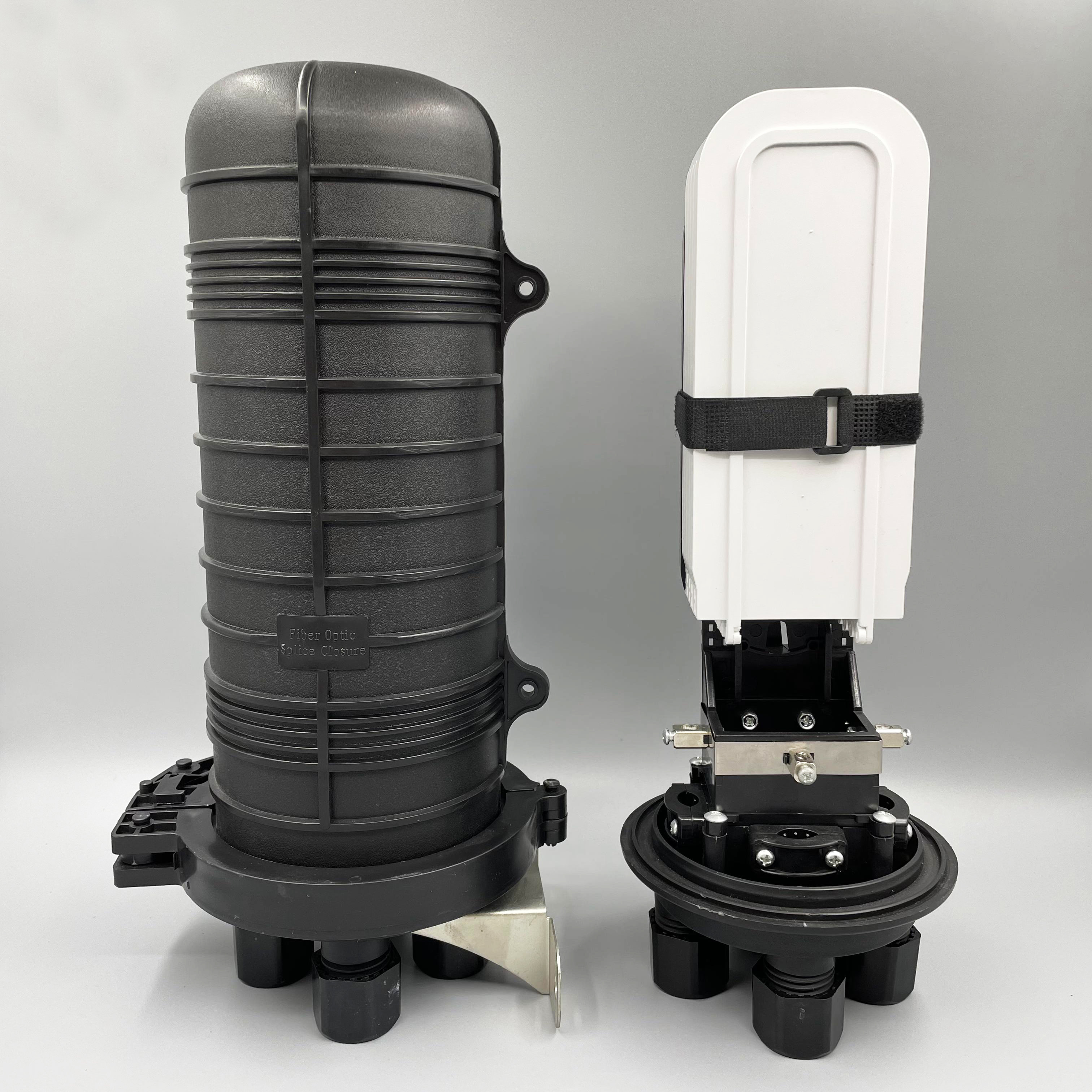
A fiber splice closure represents a critical component in optical fiber network infrastructure, designed to protect and manage fiber optic connections in challenging environments. This specialized enclosure houses fiber splices, which are permanent joints between optical fibers, and shields them from moisture, dust, temperature fluctuations, and physical damage. The fiber splice closure functions as a protective vault that maintains signal integrity while enabling organized fiber management across telecommunications networks, data centers, and utility installations. The primary function of a fiber splice closure is to create a secure environment where fiber optic cables terminate and connect. Modern fiber splice closure designs feature robust sealing mechanisms, including flexible tubing and gel-filled chambers, which prevent water ingress and ensure long-term reliability. Technologically advanced fiber splice closure units incorporate space-efficient layouts that accommodate various splice types, including fusion splices and mechanical connectors, while maintaining accessibility for maintenance and upgrades. Applications for fiber splice closure systems span multiple industries. Telecommunications providers deploy fiber splice closure units along trunk lines and access networks to manage signal distribution. Municipal utility companies use fiber splice closure enclosures to protect underground and aerial fiber routes. Data center operators install fiber splice closure solutions to organize high-density fiber connections. Military and government agencies rely on fiber splice closure technology for secure communication networks. Industrial facilities utilize fiber splice closure systems for real-time monitoring and control applications. The versatility and reliability of fiber splice closure installations make them indispensable for any organization depending on optical fiber communication infrastructure.

New Products

Fiber splice closure solutions deliver substantial operational and financial benefits to network operators and system integrators. These protective enclosures significantly extend the service life of fiber optic connections by shielding splices from environmental hazards, reducing maintenance costs and network downtime substantially. The primary advantage of fiber splice closure technology lies in its protective capabilities. By creating a weatherproof seal around fiber connections, a fiber splice closure prevents moisture and contaminants from degrading splices, which directly translates to improved signal quality and reduced signal loss over extended periods. This protection ensures that your network maintains optimal performance consistency throughout the year, regardless of weather conditions or environmental exposure. Operational efficiency represents another key benefit. Fiber splice closure designs enable organized fiber management, allowing technicians to quickly locate and service specific connections without disrupting the entire network. This accessibility reduces troubleshooting time and minimizes service interruptions during upgrades or repairs. Cost-effectiveness makes fiber splice closure investments particularly attractive. By preventing premature splice failure and reducing unplanned maintenance calls, these enclosures lower total cost of ownership significantly. Network managers avoid expensive emergency repairs and service calls, protecting their operational budgets. Scalability stands as another valuable advantage. Fiber splice closure installations adapt easily to network expansion, accommodating additional fiber routes as your communication requirements grow. This flexibility prevents complete infrastructure replacement, saving substantial capital expenditure. Reliability and performance consistency create competitive advantages for service providers. Customers experience fewer network interruptions and superior connection quality when fiber splice closure systems protect their infrastructure. This reliability builds customer trust and supports long-term business growth, making fiber splice closure technology an essential investment for forward-thinking network operators.

Latest News

Which Fiber Optic Joint Box Fits Underground Installations?

08

Jul

Which Fiber Optic Joint Box Fits Underground Installations?

Selecting the correct fiber optic joint box for underground installations is one of the most critical decisions in deploying reliable buried fiber optic cable systems. The fiber optic joint box must withstand soil pressure, moisture infiltration, tem...
View More
How Can a Fiber Optic Joint Box Improve Network Protection?

01

Jul

How Can a Fiber Optic Joint Box Improve Network Protection?

Network infrastructure faces constant threats from environmental exposure, physical damage, and operational stress. A fiber optic joint box serves as a critical protective enclosure that safeguards fiber optic connections, splice points, and signal t...
View More
How Does Fiber Optic Cable Reduce Long-Term Network Costs?

29

Jul

How Does Fiber Optic Cable Reduce Long-Term Network Costs?

When evaluating long-term network infrastructure investments, many organizations struggle to justify the upfront costs of upgrading to modern solutions. However, fiber optic cable technology delivers a compelling financial case that extends far beyon...
View More
How Does a Fiber Optic Terminal Box Simplify Maintenance?

04

Aug

How Does a Fiber Optic Terminal Box Simplify Maintenance?

Modern telecommunications networks depend on reliable infrastructure that minimizes downtime and simplifies ongoing maintenance. A fiber optic terminal box serves as a critical hub in optical networks, providing a centralized point for managing, orga...
View More

Get a Free Quote

Our representative will contact you soon.
Email
Mobile
Name
Company Name
Message
0/1000

fiber splice closure

Advanced Environmental Protection for Fiber Connections

Advanced Environmental Protection for Fiber Connections

Modern fiber splice closure technology delivers comprehensive protection against harsh environmental conditions that threaten optical fiber integrity. These enclosures feature multi-layer sealing systems that prevent water infiltration, dust accumulation, and temperature-related stress on fiber splices. The fiber splice closure design incorporates gel-filled chambers and hermetic seals that maintain internal stability despite external weather fluctuations. Underground installations benefit tremendously from fiber splice closure protection, as soil moisture and temperature swings would otherwise cause signal degradation. Aerial fiber splice closure units resist UV radiation, extreme heat, and moisture from rain and fog. This robust protection ensures that your fiber optic splices maintain consistent performance characteristics throughout their lifespan. Organizations operating in coastal regions, mountainous areas, or industrial zones particularly benefit from fiber splice closure environmental safeguards that prevent corrosion and mechanical stress.
Space-Efficient Design with Maximum Fiber Density Capacity

Space-Efficient Design with Maximum Fiber Density Capacity

Fiber splice closure solutions maximize fiber management efficiency through innovative compact designs that accommodate high fiber counts in minimal space. These intelligently engineered enclosures utilize vertical stacking, modular compartments, and optimized cable routing to fit more fiber connections within smaller physical footprints. The fiber splice closure architecture supports both conventional and high-density fusion splice configurations without compromising accessibility or safety. Network operators appreciate how fiber splice closure installations reduce real estate requirements, particularly valuable in constrained deployment environments like urban conduits or equipment racks. The organized compartmentalization within each fiber splice closure unit prevents fiber tangling and crossing, which could compromise signal integrity or create physical stress points. Technicians working with fiber splice closure systems spend less time navigating cluttered enclosures and more time performing productive maintenance. This efficiency translates directly into reduced labor costs and faster service restoration times during emergency situations.
Cost-Effective Long-Term Network Investment Strategy

Cost-Effective Long-Term Network Investment Strategy

Investing in quality fiber splice closure infrastructure delivers measurable financial returns through reduced maintenance expenses and extended equipment lifespan. These protective systems prevent premature splice failure that would otherwise require costly emergency service calls and network restoration efforts. The fiber splice closure approach minimizes unplanned downtime, which protects revenue-generating services and avoids expensive customer compensation claims. Capital budgets stretch further when fiber splice closure technology reduces the need for frequent repairs and complete infrastructure replacements. Deployment of fiber splice closure units across networks demonstrates strong return on investment within the first few operational years. Telecommunications providers using fiber splice closure solutions report significantly lower operational expenses compared to organizations using inadequate protection methods. This cost advantage persists throughout the network's lifetime, making fiber splice closure implementation a strategically sound financial decision for organizations serious about optimizing their communication infrastructure investments and supporting sustainable profitability.

Get a Free Quote

Our representative will contact you soon.
Email
Mobile
Name
Company Name
Message
0/1000