fiber backbone cable
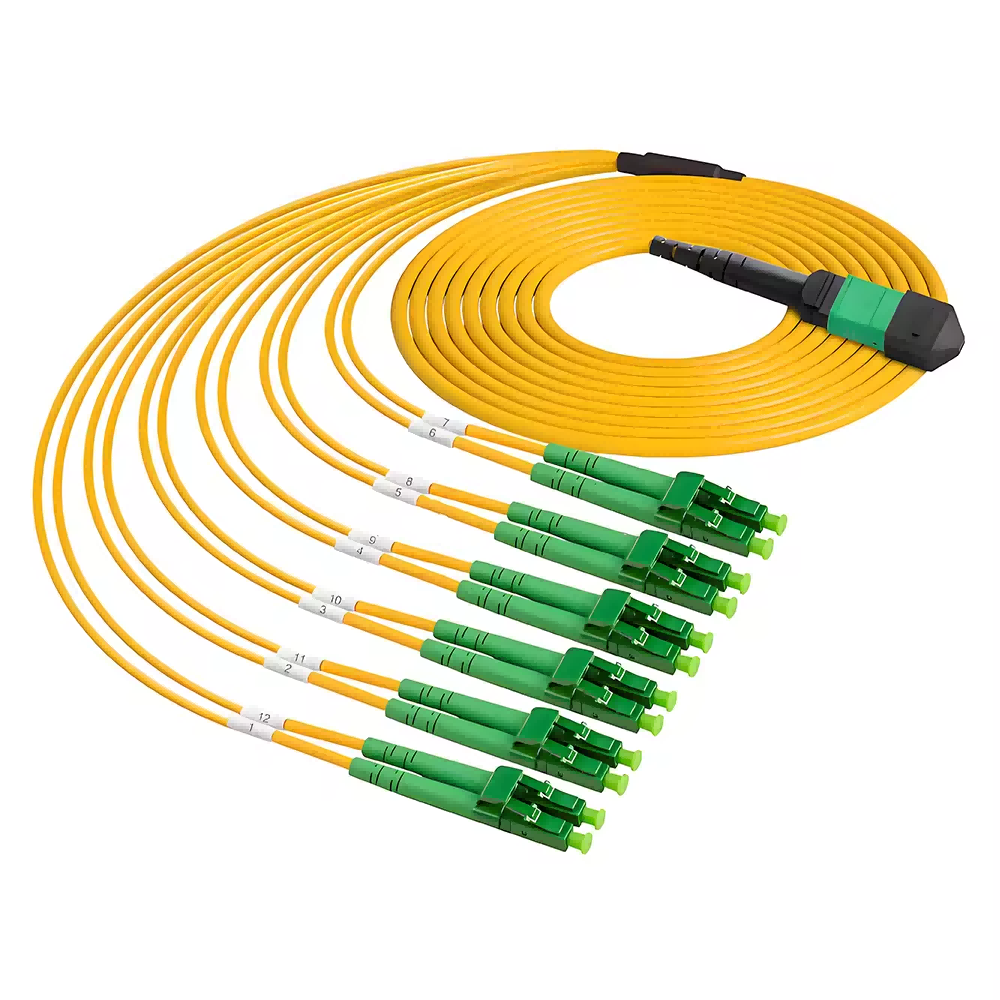
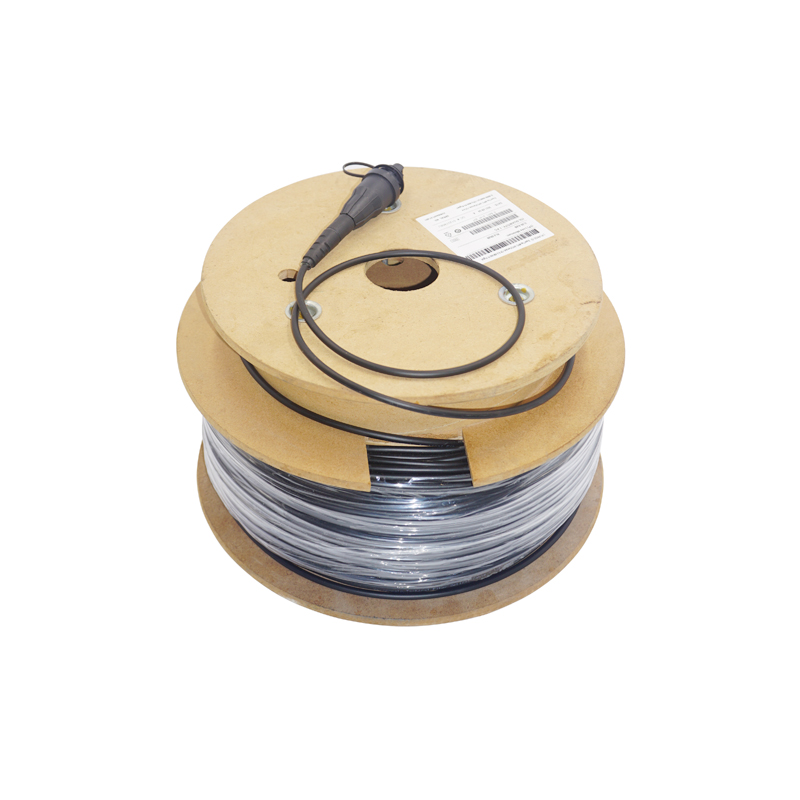
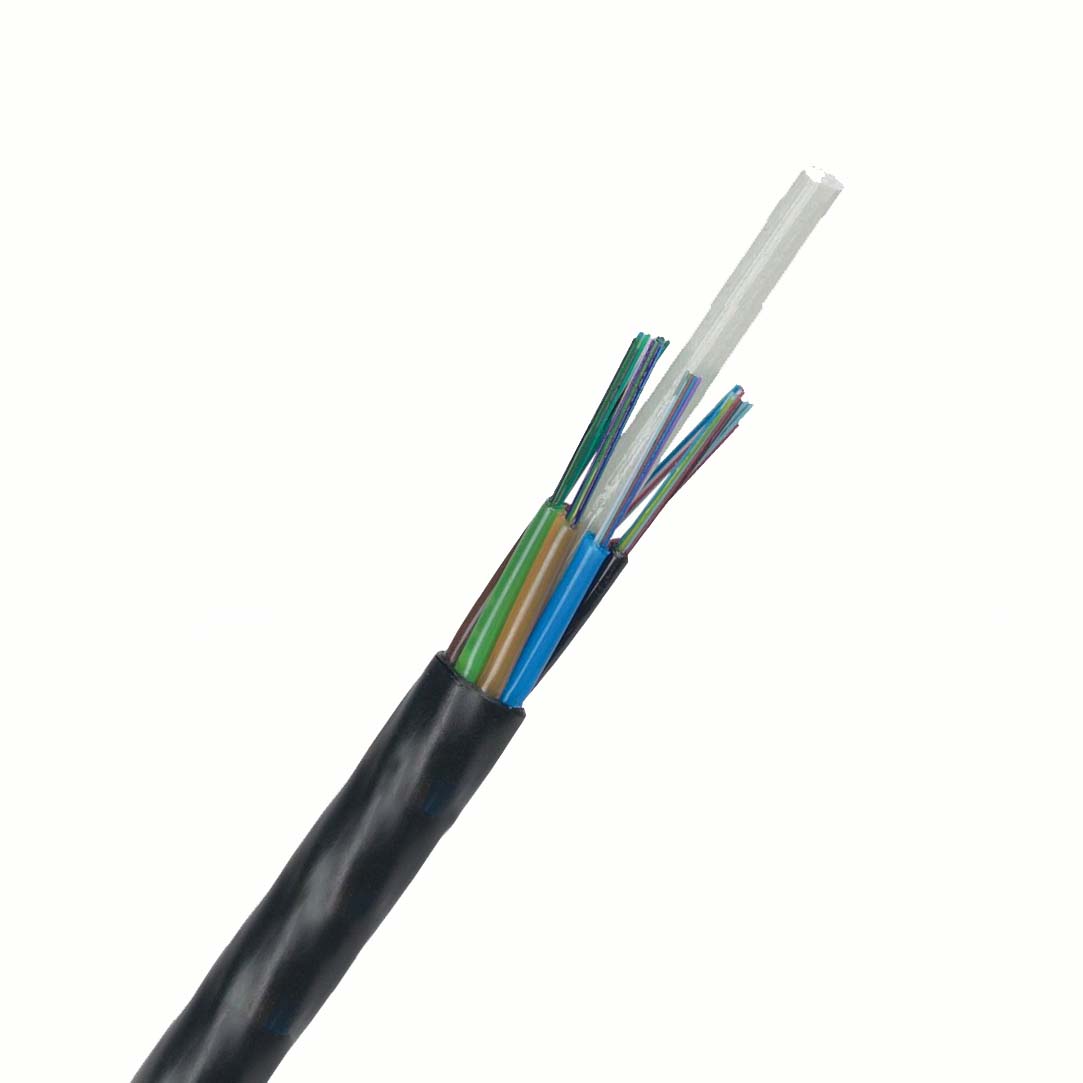
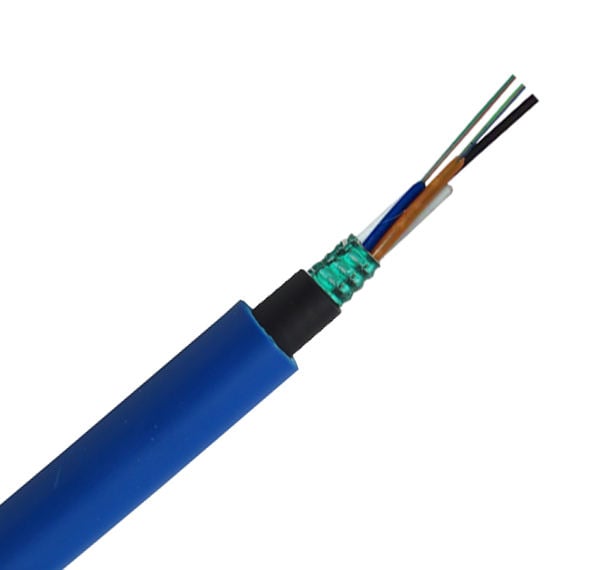
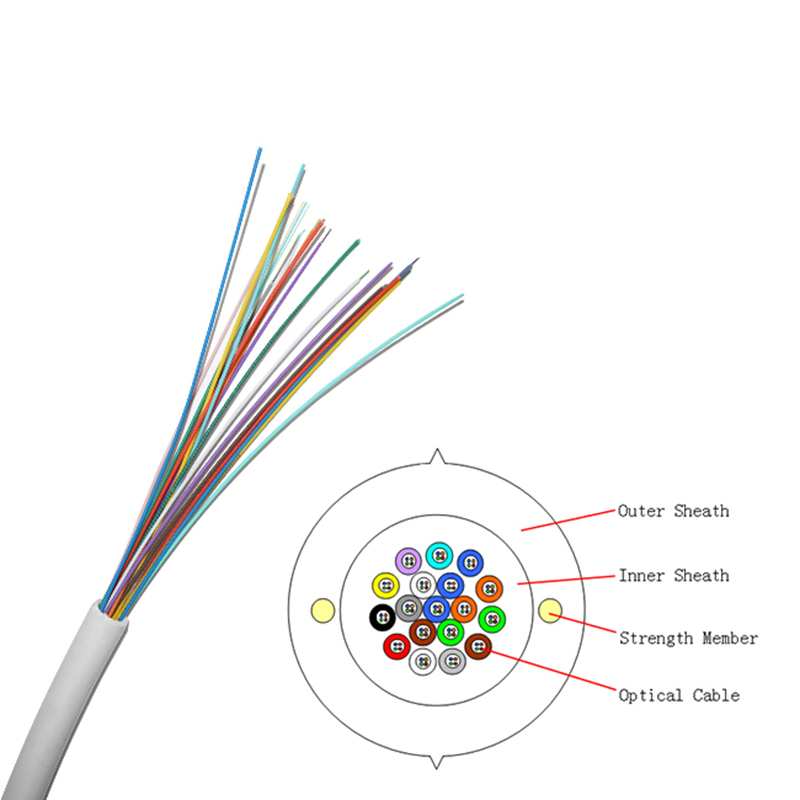
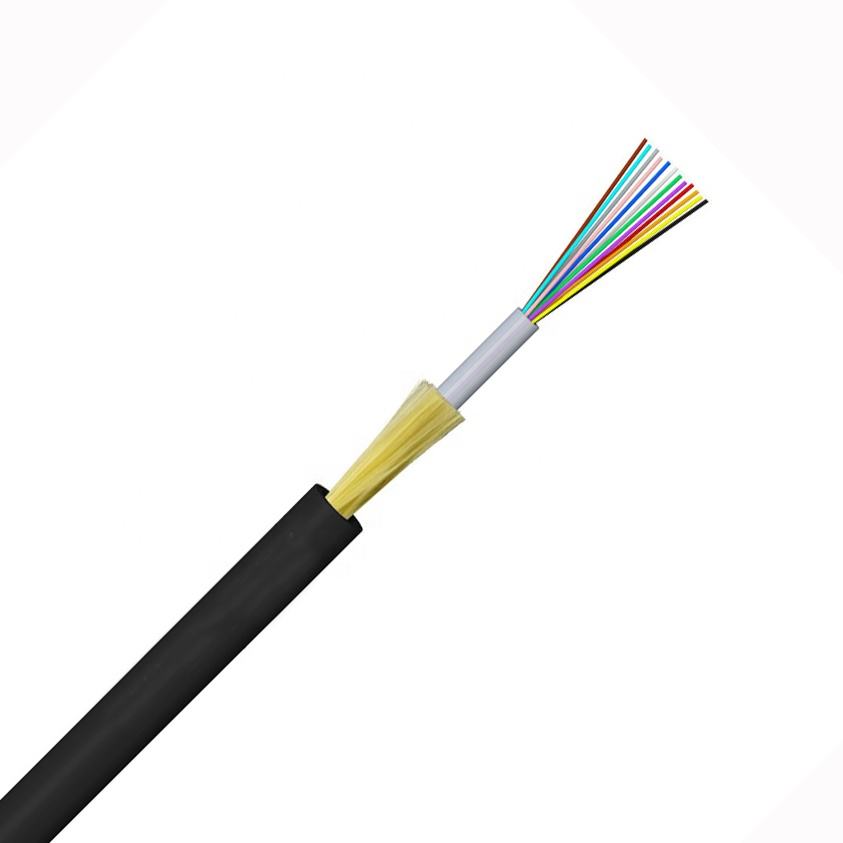
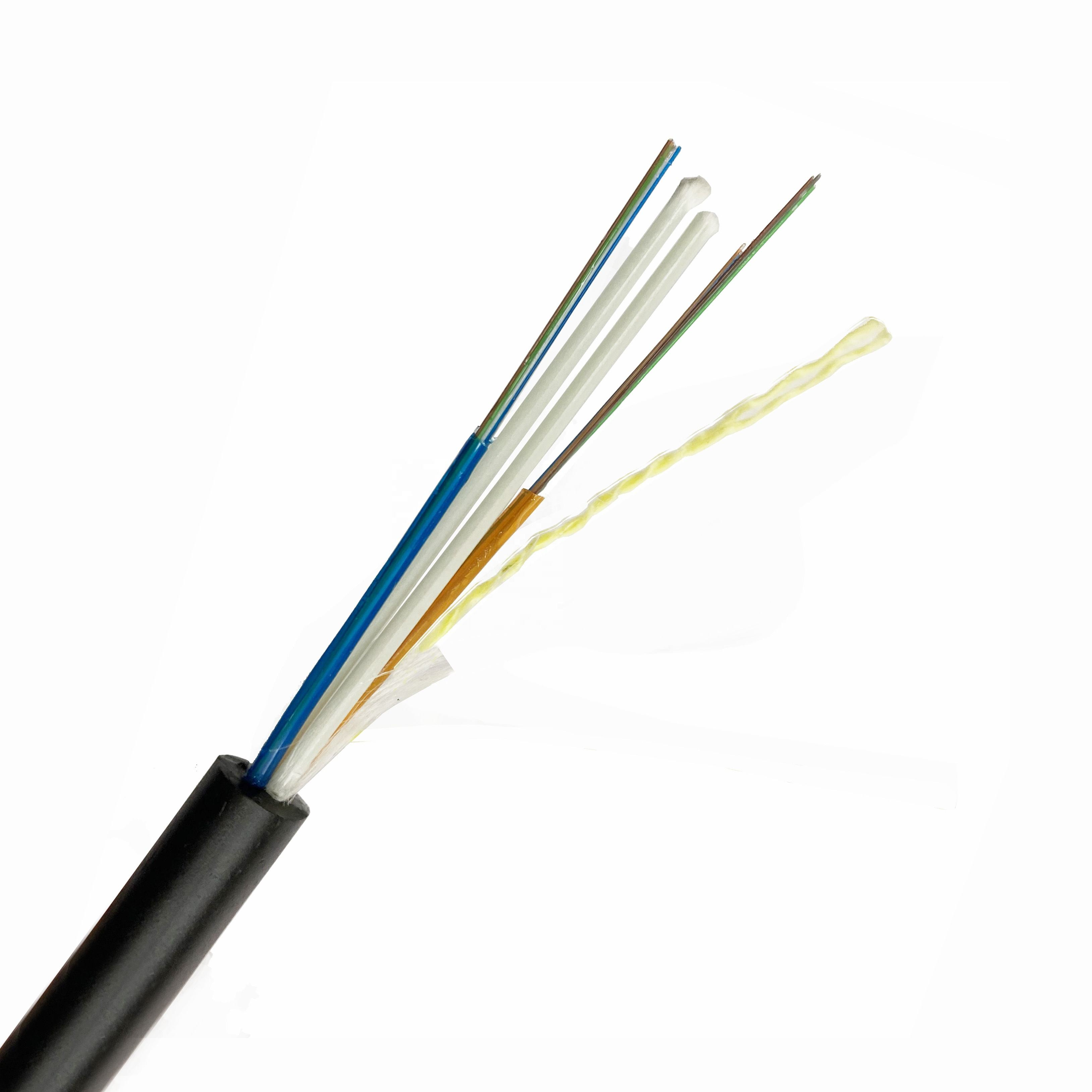
A fiber backbone cable serves as the essential infrastructure for modern high-speed data transmission networks. This fiber backbone cable comprises multiple optical fibers bundled within a protective outer jacket, designed to transmit data signals across long distances without signal degradation. The fiber backbone cable operates by converting electrical signals into light pulses, enabling unprecedented bandwidth capacity and transmission speeds.
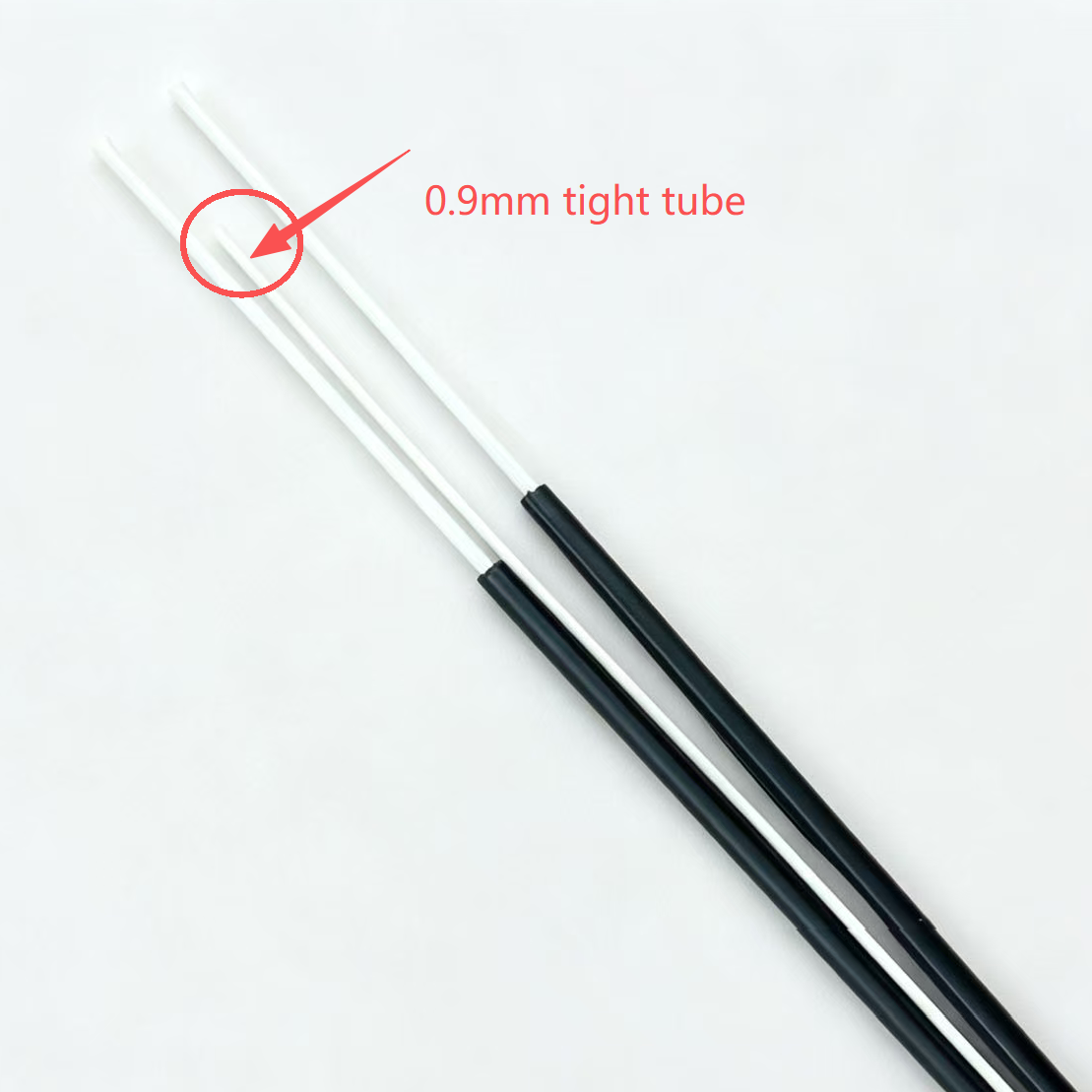
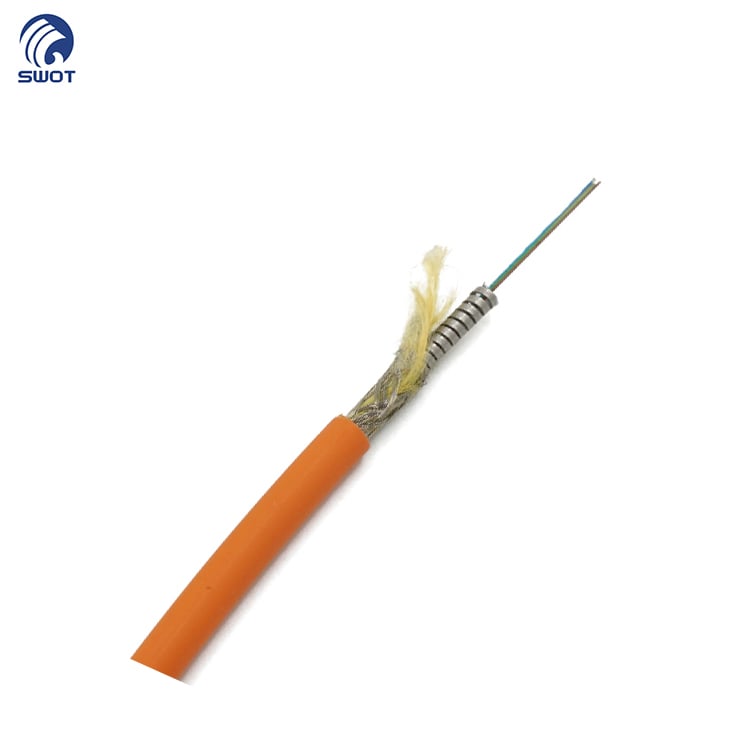
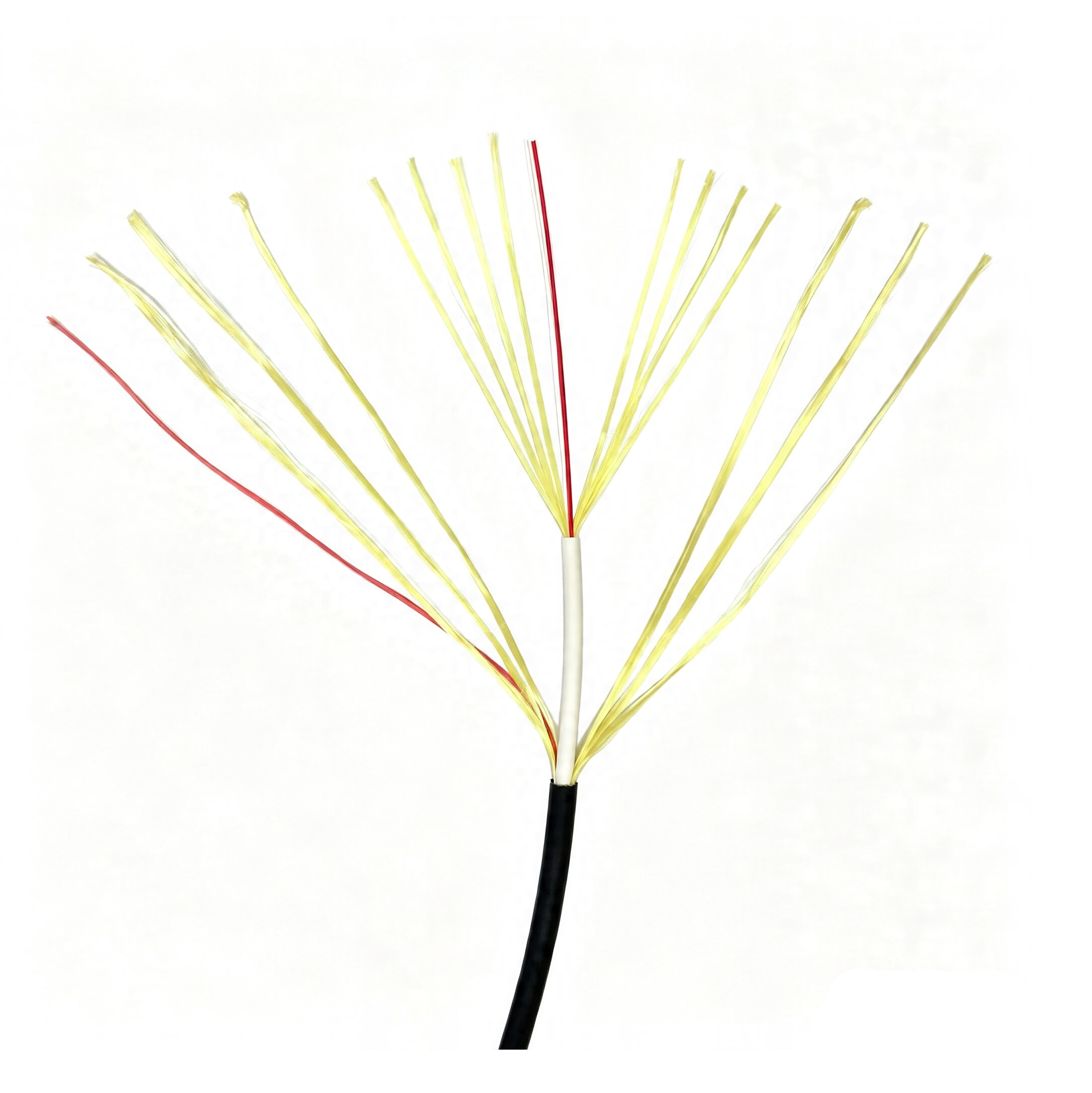
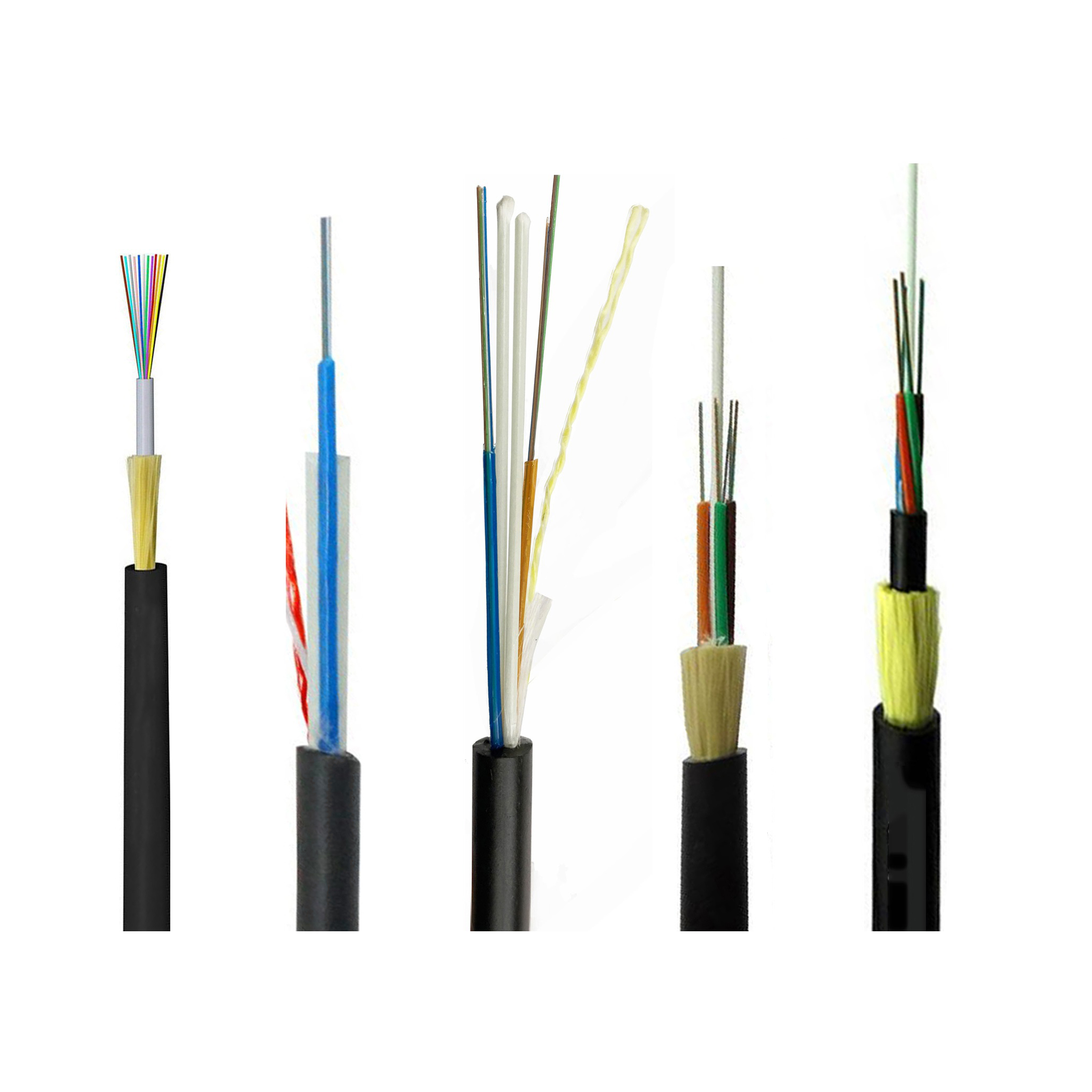
The technological features of a fiber backbone cable include advanced optical fiber technology with low attenuation rates, ensuring minimal signal loss over extended distances. Each fiber backbone cable incorporates multi-layer protection, including aramid yarn strength members and weather-resistant jackets, providing durability in challenging environments. The fiber backbone cable supports both single-mode and multi-mode configurations, accommodating various network requirements and transmission distances.
Applications for fiber backbone cable span telecommunications infrastructure, data center connectivity, enterprise networks, and long-distance communication systems. Internet service providers rely on fiber backbone cable to deliver broadband services to residential and commercial customers. Educational institutions and government agencies utilize fiber backbone cable for their critical communication networks. Industrial facilities implement fiber backbone cable systems for secure and reliable operational data transmission. The fiber backbone cable technology continues evolving, with manufacturers developing enhanced versions featuring improved tensile strength and installation flexibility. Understanding fiber backbone cable specifications ensures optimal network performance and future-proof infrastructure investment.

 EN