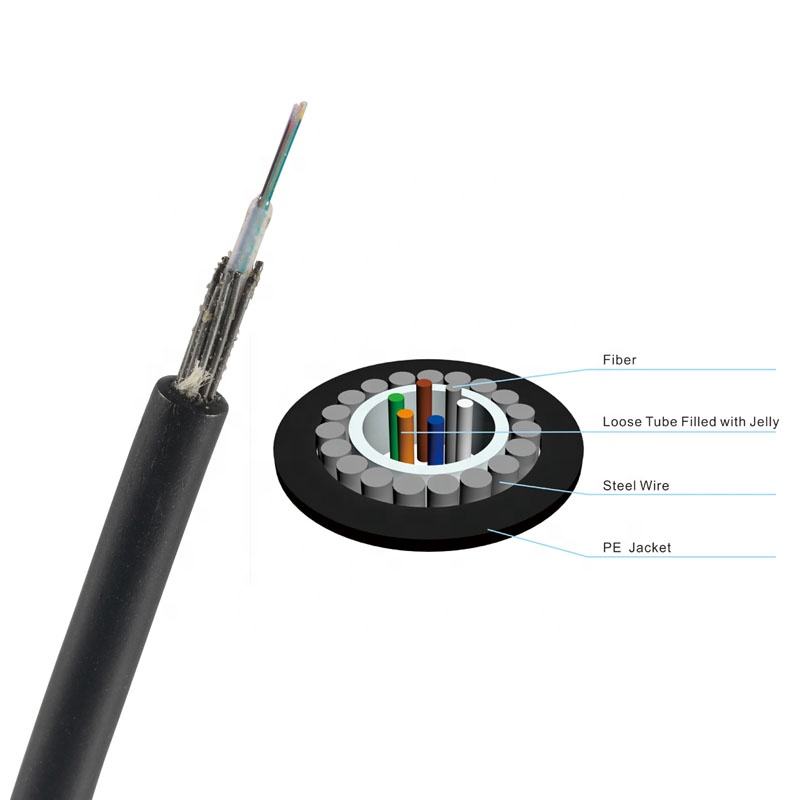
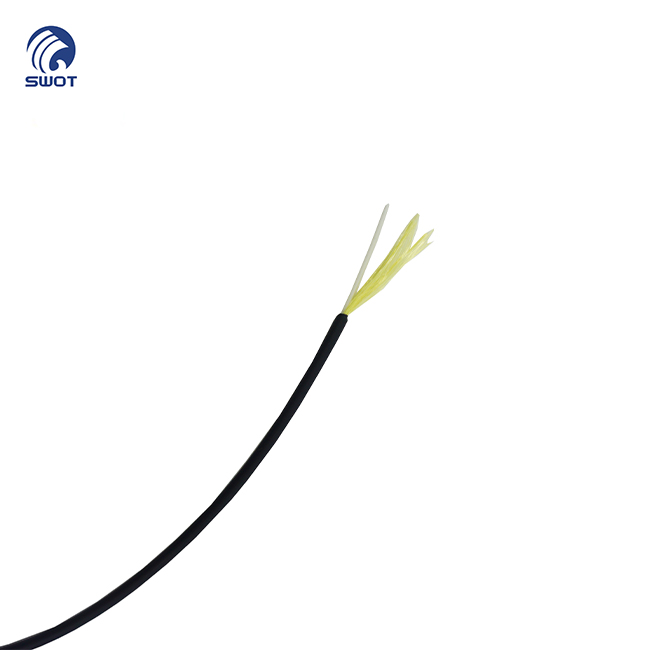
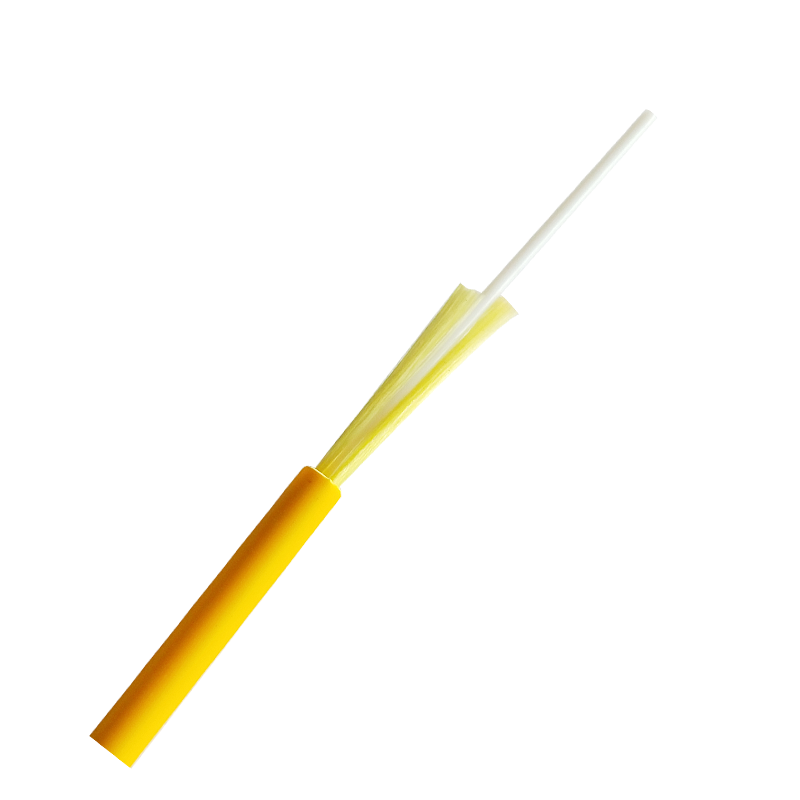
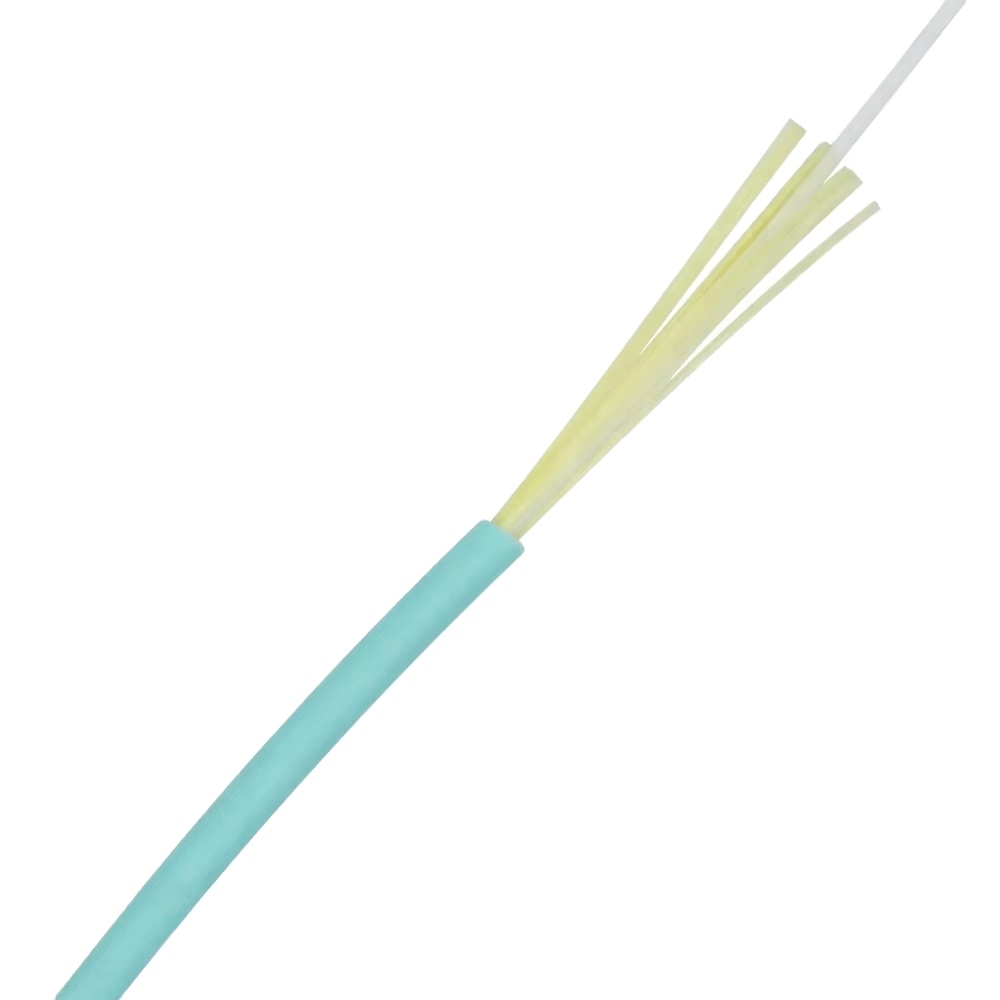
Indoor Optical Cable Solutions

Get a Free Quote

Our representative will contact you soon.
Email
Mobile
Name
Company Name
Message
0/1000

indoor optical cable

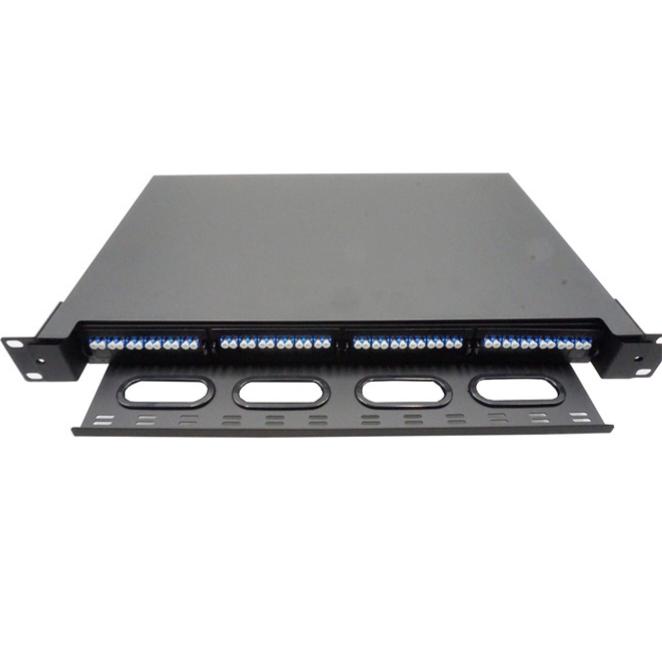
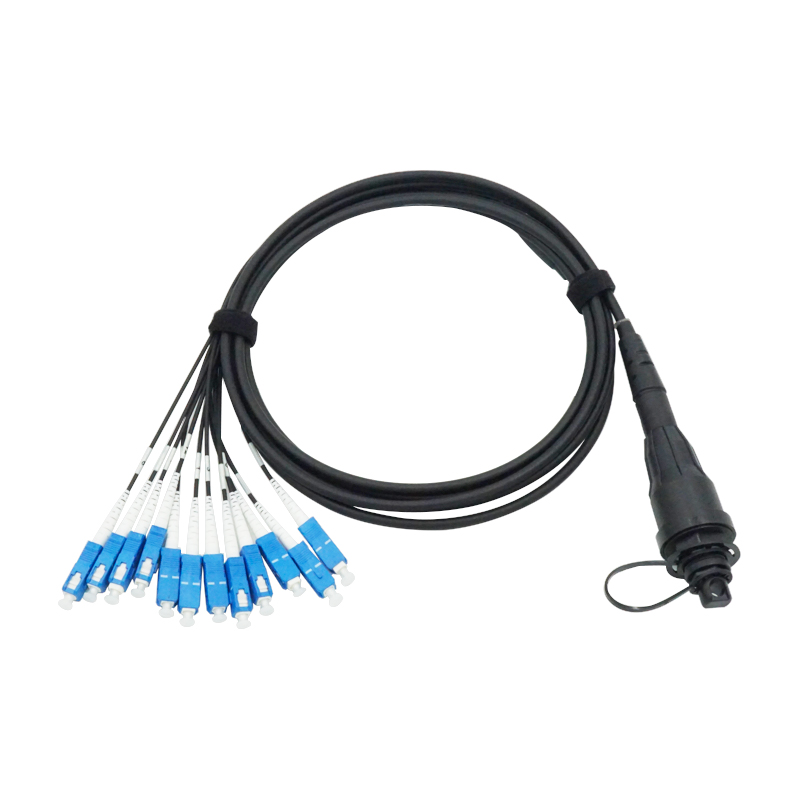
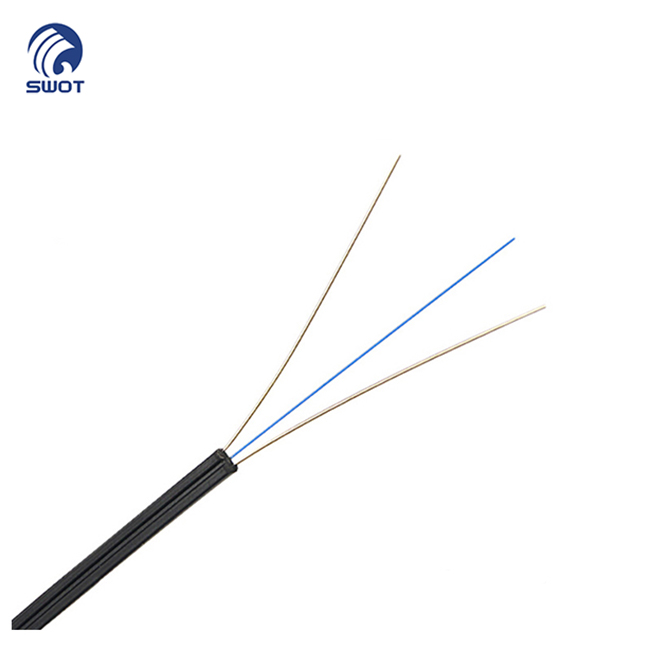
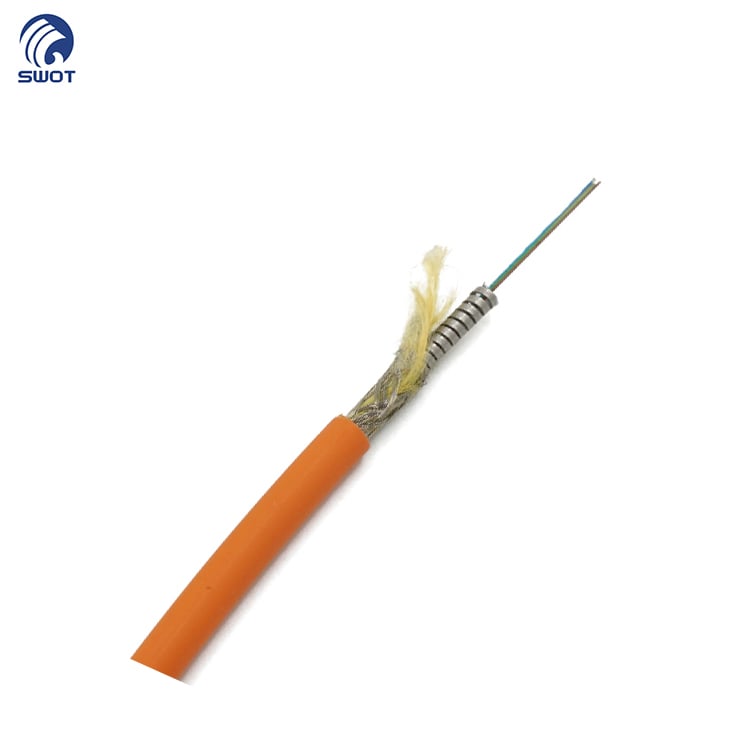
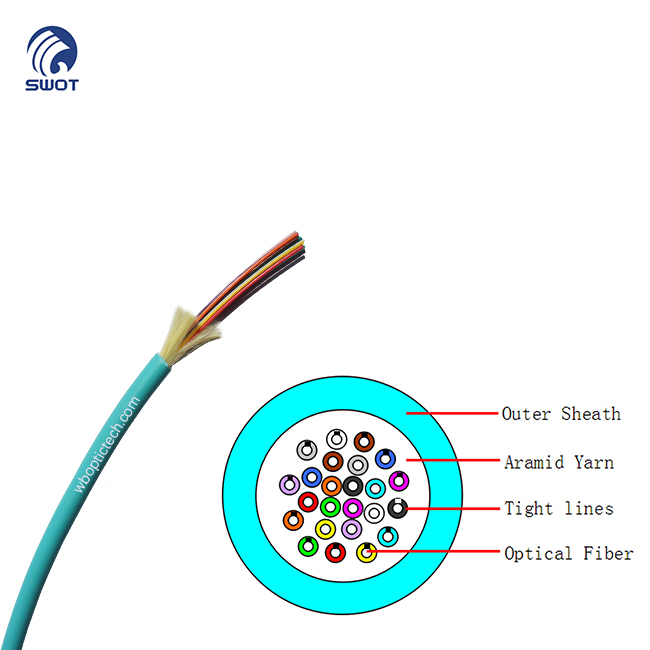
An indoor optical cable represents a sophisticated telecommunications solution designed to transmit data through fiber optic technology within building environments. The indoor optical cable serves as the backbone of modern connectivity infrastructure, enabling high-speed data transfer across offices, data centers, and residential spaces. This specialized indoor optical cable utilizes glass or plastic fibers to carry digital signals as pulses of light, ensuring reliable and rapid communication over short to medium distances. The technological features of an indoor optical cable include advanced fiber construction, protective jackets rated for indoor use, and compatibility with standard connection systems. An indoor optical cable typically features lower smoke and zero halogen (LSZH) jackets, making it safer for enclosed environments by reducing toxic fumes during potential fires. The core technology within indoor optical cable installations supports multiple fiber counts, ranging from single-mode to multi-mode configurations, accommodating various bandwidth requirements. Applications for indoor optical cable systems span numerous sectors. Organizations deploy indoor optical cable solutions in network backbone connections, connecting equipment racks within data centers, and establishing high-capacity links between building floors. Educational institutions, government agencies, and large enterprises rely on indoor optical cable infrastructure to support their digital operations. The indoor optical cable technology enables organizations to handle increasing data volumes while maintaining signal integrity and network performance. Whether supporting video conferencing, cloud computing, or intensive data analysis, indoor optical cable systems provide the necessary transmission capacity for contemporary business needs.

New Products

Indoor optical cable technology delivers substantial practical benefits that transform how organizations handle their connectivity infrastructure. Organizations experience faster data transmission speeds when implementing indoor optical cable solutions, with transmission rates reaching gigabits per second compared to traditional copper alternatives. This speed advantage ensures that indoor optical cable systems support bandwidth-intensive applications without performance degradation, allowing seamless video streaming, large file transfers, and real-time collaborative work. Operational benefits of indoor optical cable installations include exceptional reliability and minimal signal loss. Unlike copper cables susceptible to electromagnetic interference, an indoor optical cable maintains signal quality over extended runs, reducing the need for expensive signal boosters and repeaters. Businesses achieve lower total cost of ownership by installing indoor optical cable systems that require minimal maintenance and demonstrate exceptional longevity, often lasting decades without performance decline. The application suitability of indoor optical cable extends across diverse environments and requirements. Data centers benefit tremendously from indoor optical cable infrastructure, which handles massive information volumes while generating minimal heat. Office buildings implement indoor optical cable networks to support modern workspace demands, enabling reliable connectivity throughout multi-story structures. Educational institutions deploy indoor optical cable systems to facilitate distance learning and research initiatives requiring high-capacity connections. For decision-making contexts, indoor optical cable represents a forward-looking investment in network infrastructure. Organizations choosing indoor optical cable technology position themselves for future growth without requiring complete infrastructure overhauls. The scalability inherent in indoor optical cable systems allows businesses to expand capacity simply by activating additional fibers within existing cables, providing flexibility that copper-based alternatives cannot match. This adaptability makes indoor optical cable the practical choice for organizations anticipating technological advancement and increased data requirements.

Tips And Tricks

Which Fiber Optic Joint Box Fits Underground Installations?

08

Jul

Which Fiber Optic Joint Box Fits Underground Installations?

Selecting the correct fiber optic joint box for underground installations is one of the most critical decisions in deploying reliable buried fiber optic cable systems. The fiber optic joint box must withstand soil pressure, moisture infiltration, tem...
View More
What Industries Benefit Most from Fiber Optic Cable Solutions?

22

Jul

What Industries Benefit Most from Fiber Optic Cable Solutions?

The modern industrial landscape increasingly depends on reliable, high-speed data transmission, making fiber optic cable a critical infrastructure component across numerous sectors. Organizations worldwide recognize that fiber optic cable delivers su...
View More
How Can Fiber Optic Cable Support Future Network Expansion?

01

Aug

How Can Fiber Optic Cable Support Future Network Expansion?

As organizations scale their digital operations, network infrastructure must evolve to support exponential data growth. Fiber optic cable has become the backbone of modern network expansion strategies, offering unmatched capacity, speed, and reliabil...
View More
Which Fiber Optic Terminal Box Works Best for FTTH Projects?

04

Aug

Which Fiber Optic Terminal Box Works Best for FTTH Projects?

Selecting the right fiber optic terminal box is critical for the success of any fiber-to-the-home (FTTH) project. The fiber optic terminal box serves as the central distribution point where fiber cables are organized, protected, and connected to cust...
View More

Get a Free Quote

Our representative will contact you soon.
Email
Mobile
Name
Company Name
Message
0/1000

indoor optical cable

Superior Data Transfer Speed and Bandwidth Capacity

Superior Data Transfer Speed and Bandwidth Capacity

Indoor optical cable technology fundamentally transforms data transmission capabilities within building environments. The exceptional speed characteristics of indoor optical cable enable organizations to transmit enormous amounts of information instantaneously, supporting applications that demand consistent high performance. An indoor optical cable carries data as light pulses through optical fibers, achieving transmission speeds that dwarf conventional copper solutions. This superior capacity means that an indoor optical cable can simultaneously support multiple users and applications without experiencing congestion or slowdowns. Organizations implementing indoor optical cable infrastructure witness immediate productivity improvements as employees access cloud resources, download large files, and participate in high-definition video conferences without delay. The bandwidth available within an indoor optical cable expands as organizational needs grow, ensuring long-term viability without infrastructure replacement. Businesses relying on an indoor optical cable system maintain competitive advantages through faster data accessibility and reduced waiting times.
Enhanced Safety and Environmental Compliance Features

Enhanced Safety and Environmental Compliance Features

Indoor optical cable solutions prioritize safety and regulatory compliance through advanced material composition and design specifications. The protective jackets found on indoor optical cable products typically incorporate low-smoke zero-halogen (LSZH) materials that prevent release of toxic gases during fire incidents. This safety characteristic of indoor optical cable makes it the preferred choice for hospitals, schools, and public buildings where occupant welfare represents a primary concern. An indoor optical cable's fire-resistant properties reduce liability exposure and ensure compliance with building codes across jurisdictions. Environmental benefits accompany the adoption of indoor optical cable systems, as fiber optic technology consumes significantly less power than traditional copper infrastructure. Organizations deploying indoor optical cable networks reduce their carbon footprint while simultaneously decreasing energy expenses. The durability inherent in an indoor optical cable design minimizes replacement frequency, reducing electronic waste generation and supporting corporate sustainability initiatives.
Future-Proof Network Infrastructure and Scalability

Future-Proof Network Infrastructure and Scalability

Selecting an indoor optical cable investment positions organizations to embrace technological advancement without infrastructure disruption. The scalable architecture of indoor optical cable systems allows businesses to expand capacity by simply activating additional fiber pairs within existing cable routes. An indoor optical cable installation establishes network backbone infrastructure capable of supporting emerging technologies, from artificial intelligence applications to Internet of Things implementations. Organizations implementing an indoor optical cable foundation demonstrate readiness for future bandwidth demands without facing costly migration projects. The longevity of indoor optical cable technology ensures that today's infrastructure investments remain relevant for decades, protecting capital expenditures against technological obsolescence. An indoor optical cable network grows alongside organizational requirements, whether supporting newly acquired facilities or expanding operational capacity. Businesses viewing an indoor optical cable deployment as strategic infrastructure recognize the competitive advantages that stem from reliable, high-capacity connectivity supporting innovation and growth initiatives.

Get a Free Quote

Our representative will contact you soon.
Email
Mobile
Name
Company Name
Message
0/1000