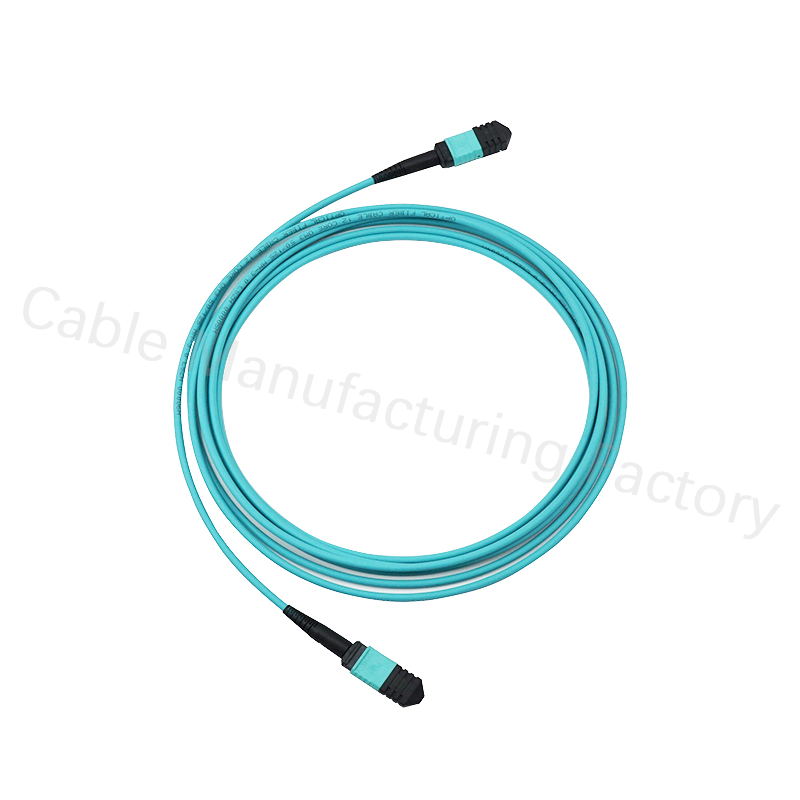
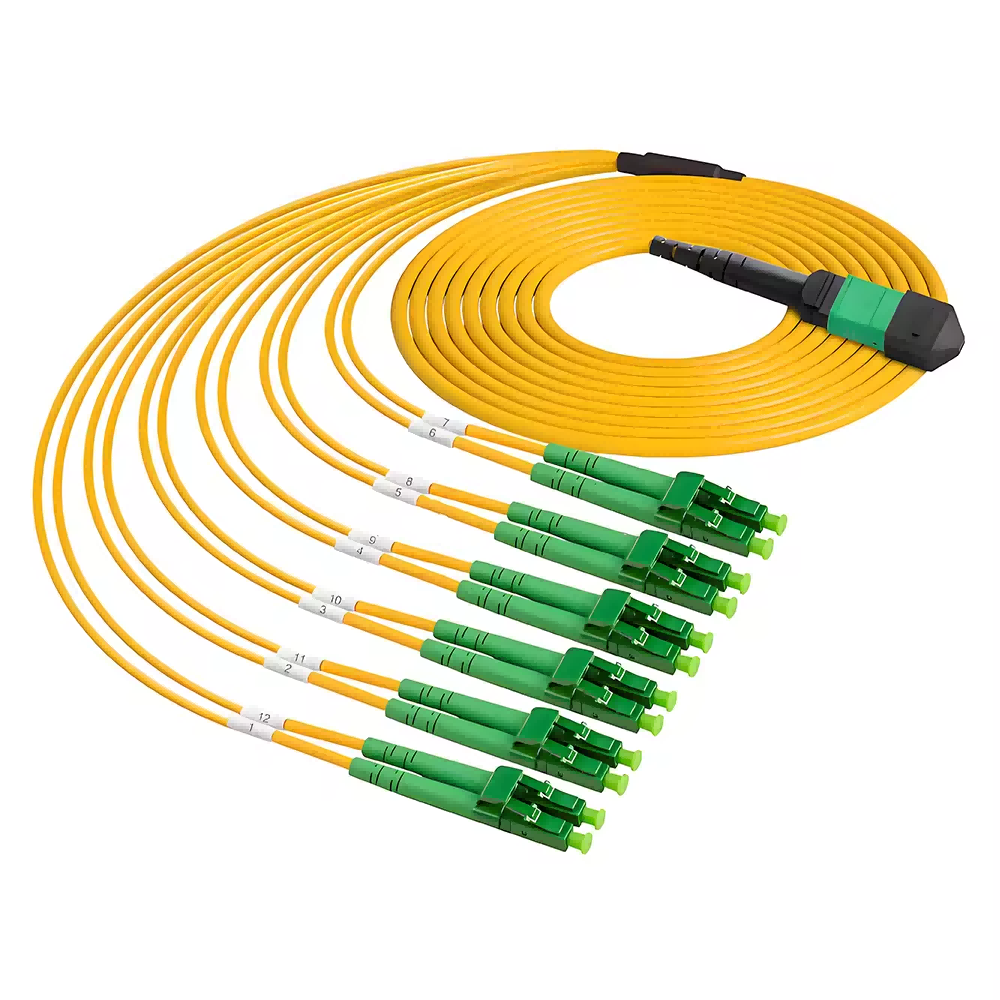
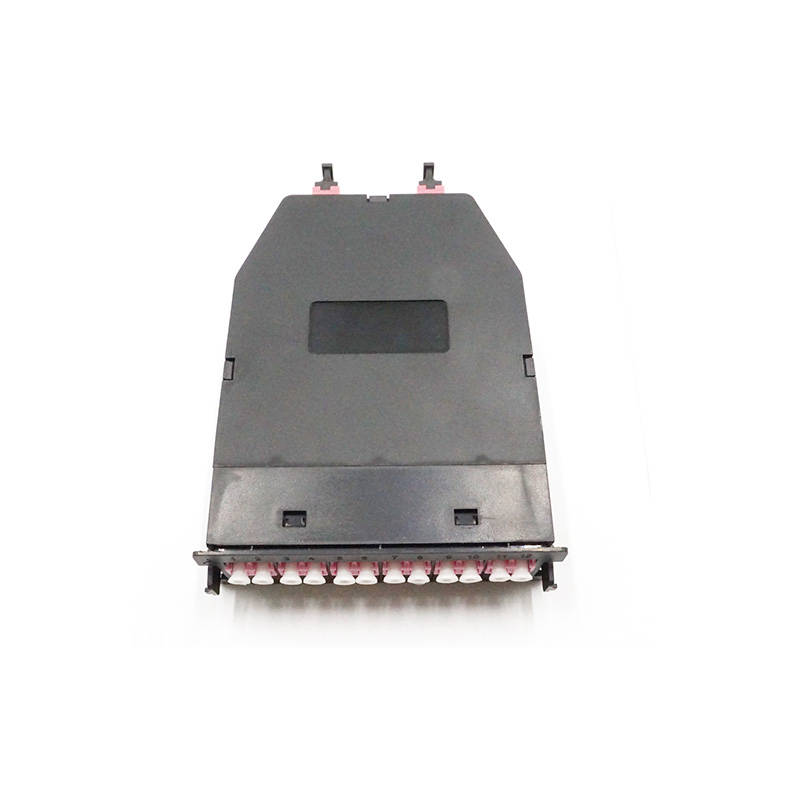
long distance fiber cable
A long distance fiber cable represents a sophisticated telecommunications infrastructure solution designed to transmit data across vast geographical areas with exceptional speed and reliability. This advanced technology utilizes optical fibers to carry digital signals as light pulses, enabling communication across continents and oceans. The long distance fiber cable serves as the backbone of modern internet connectivity, supporting everything from international business communications to streaming services and cloud computing.
The primary function of a long distance fiber cable involves transmitting massive volumes of data between distant locations with minimal signal degradation. Unlike traditional copper cables, this technology maintains signal integrity over extended distances without requiring frequent signal amplification. The long distance fiber cable operates through total internal reflection, where light travels through specially engineered glass or plastic fibers at nearly the speed of light.
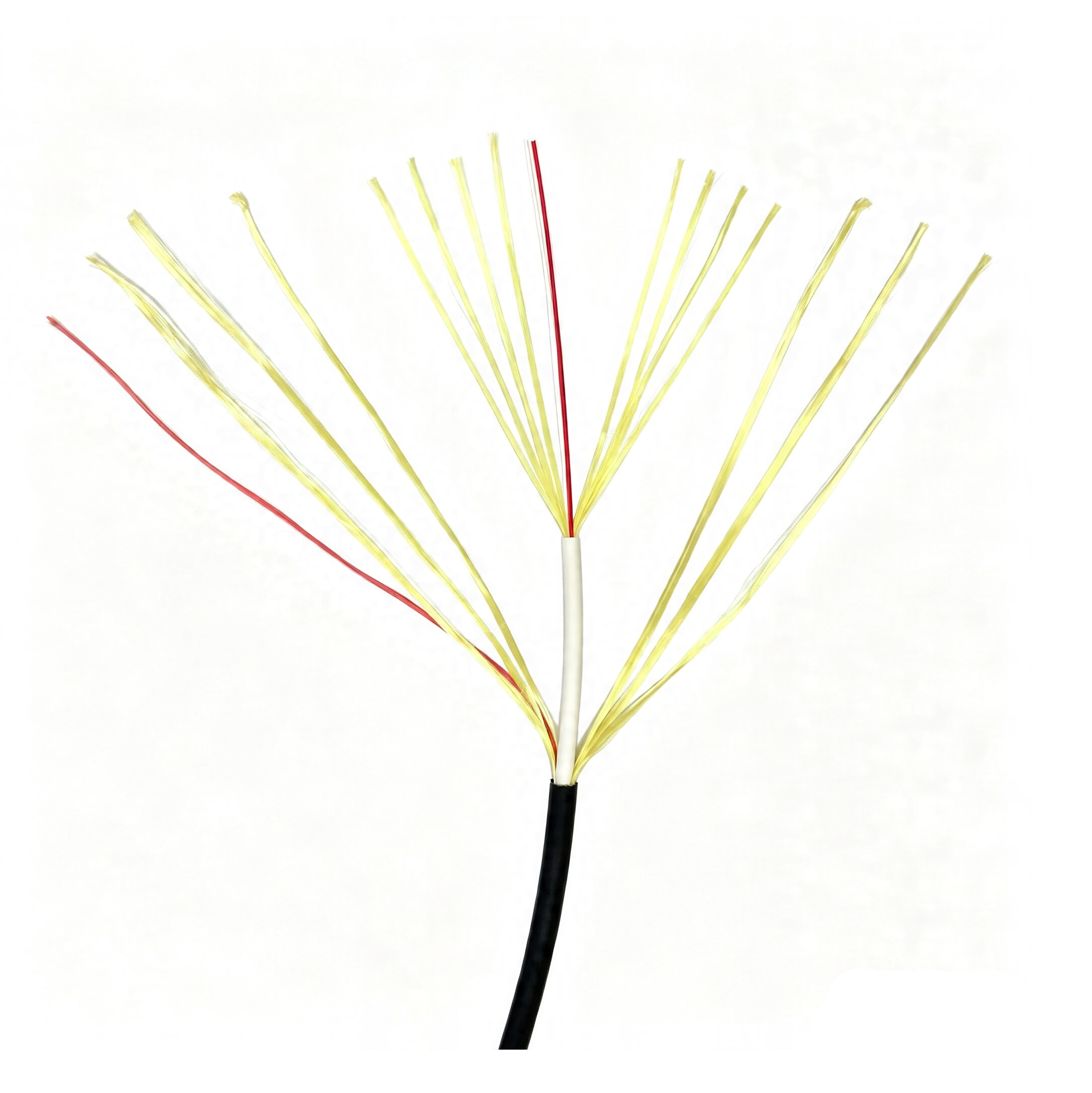
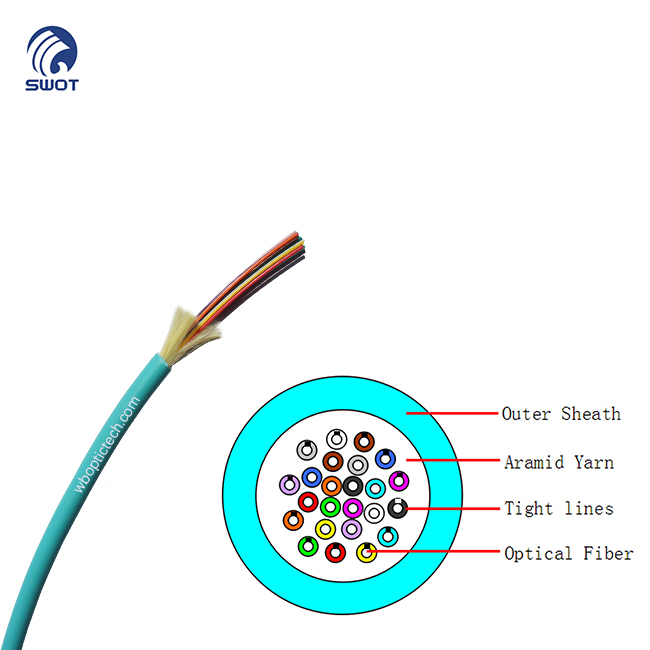
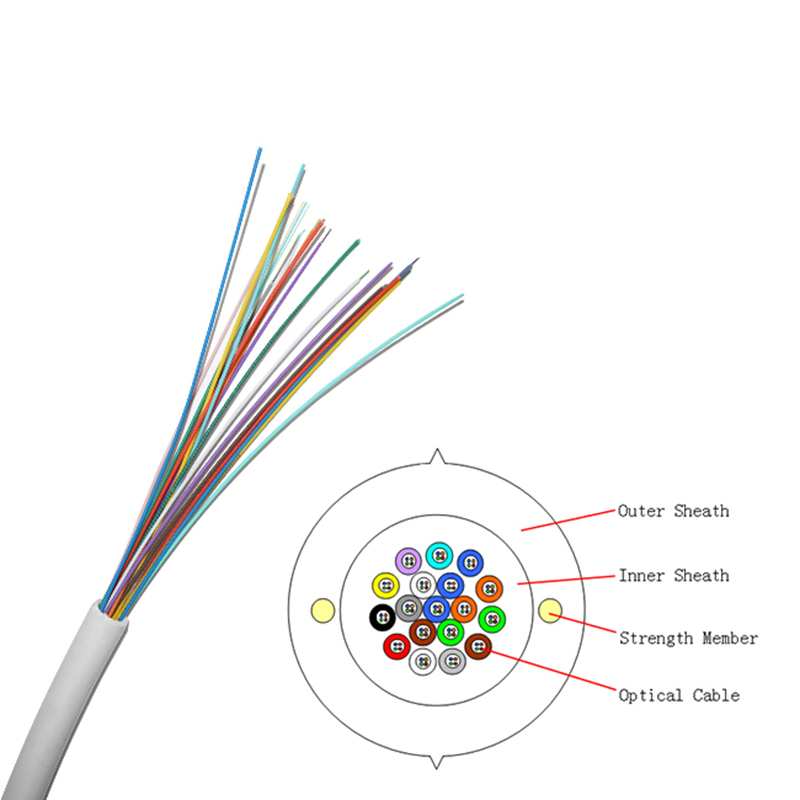
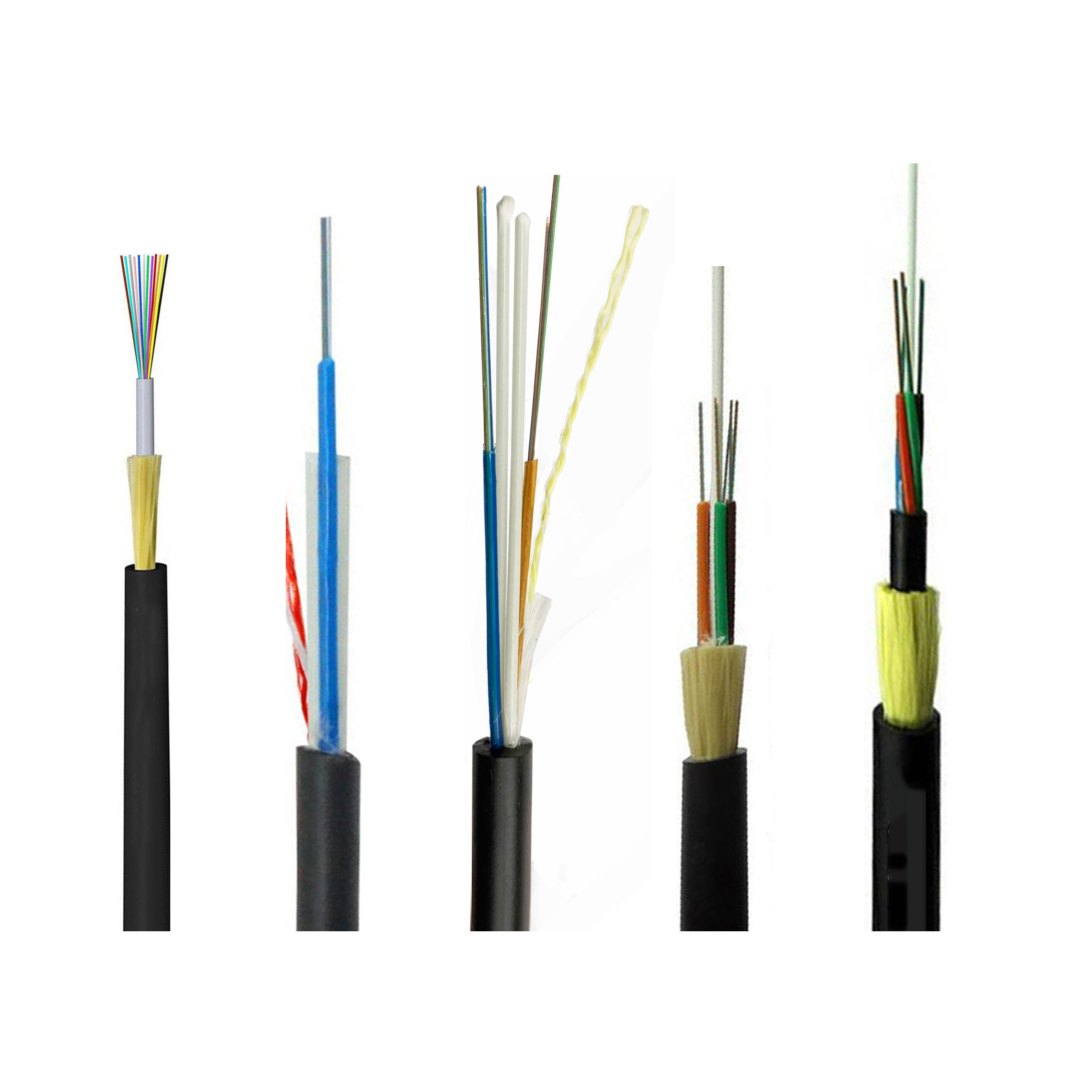
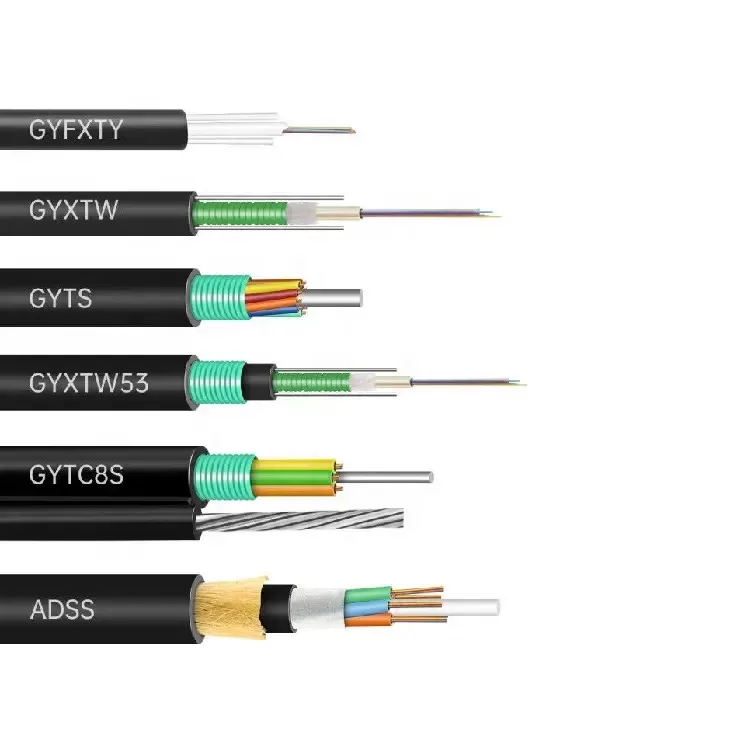
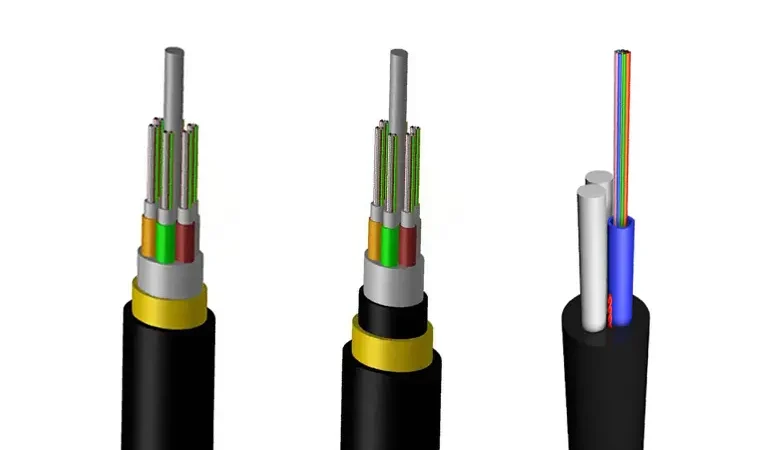
Technological features of the long distance fiber cable include wavelength division multiplexing, which allows multiple signals to travel simultaneously through a single fiber. Modern implementations incorporate advanced error-correction protocols and redundant pathways to ensure network reliability. The long distance fiber cable typically features protective layers including steel armor, waterproof jackets, and cushioning materials that withstand harsh environmental conditions.
Applications span across diverse industries including telecommunications networks, financial institutions, healthcare facilities, and government agencies. The long distance fiber cable enables international data exchanges, supports disaster recovery operations, and facilitates real-time communication across global markets. These cables connect major cities, cross ocean floors, and link data centers, forming the essential infrastructure that connects our digital world together.

 EN