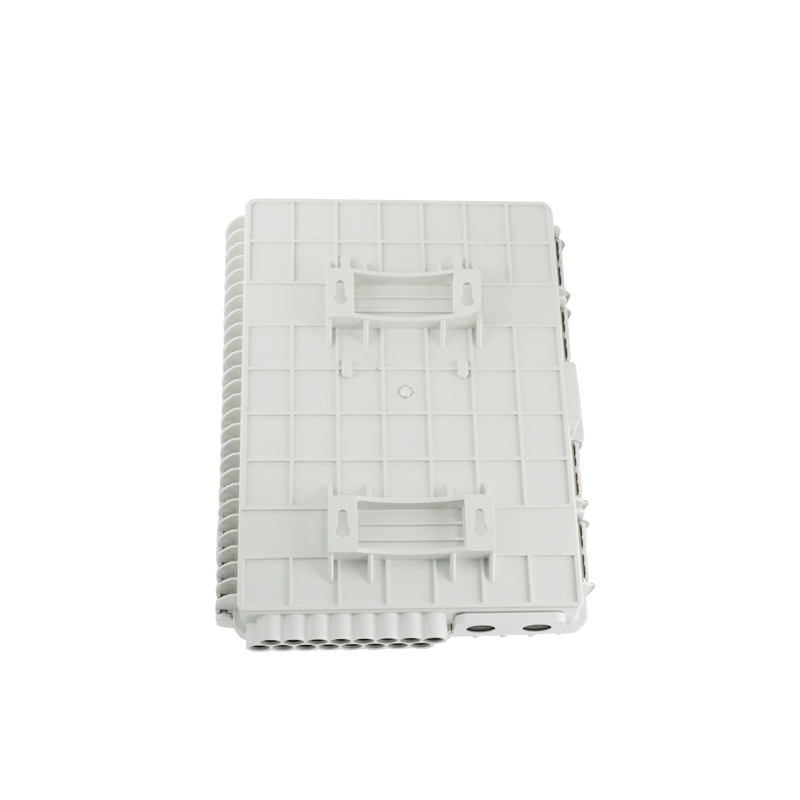
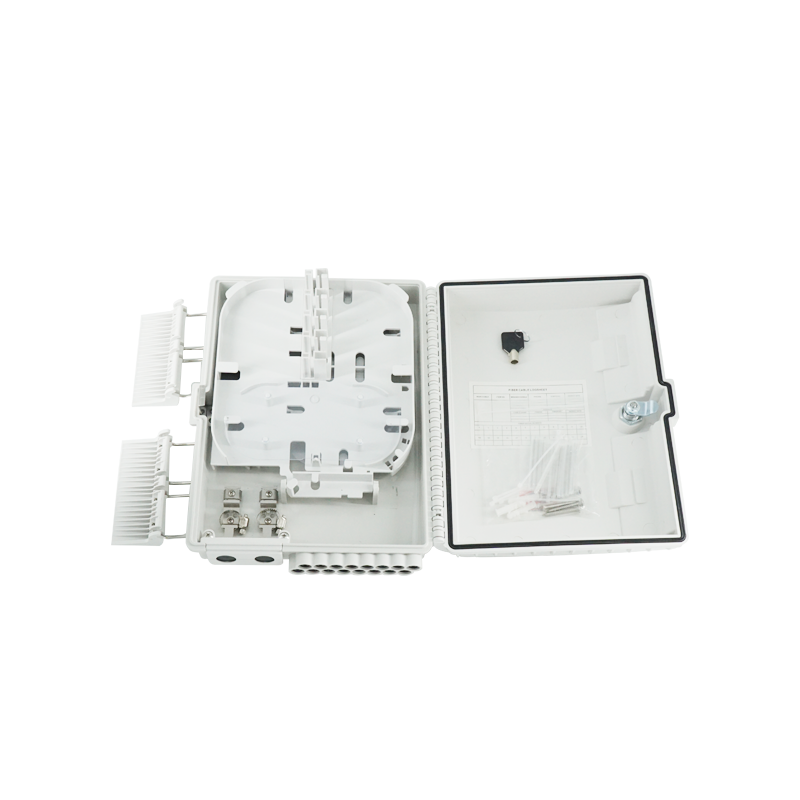
optical terminal enclosure
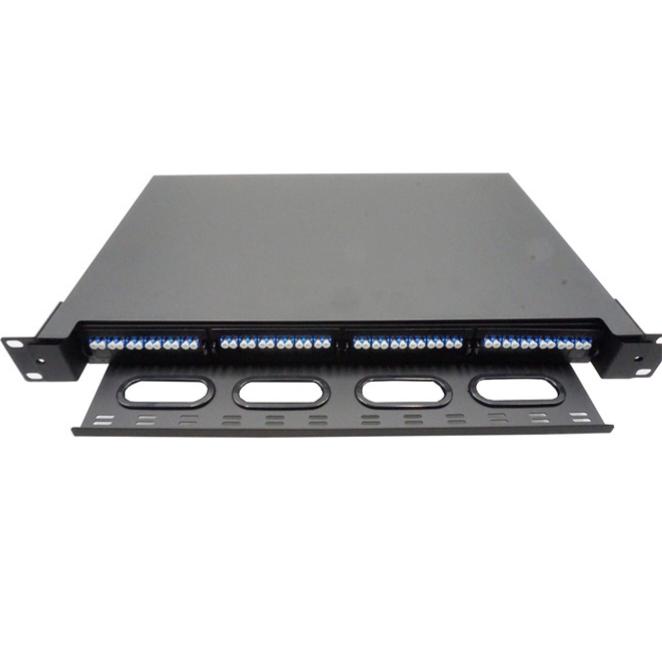
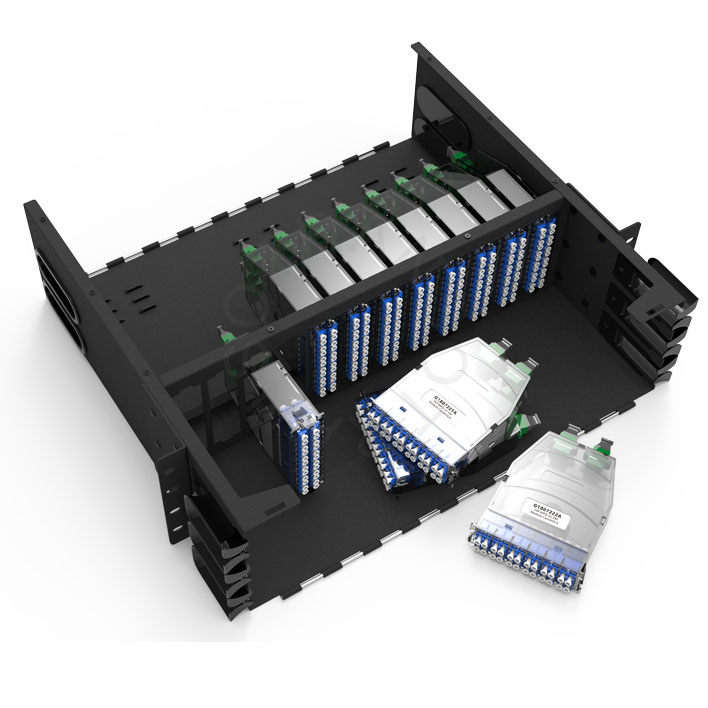
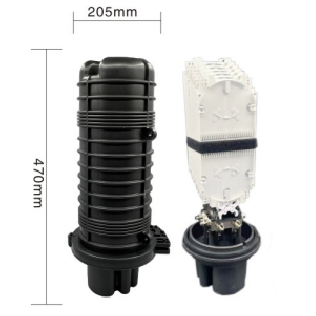
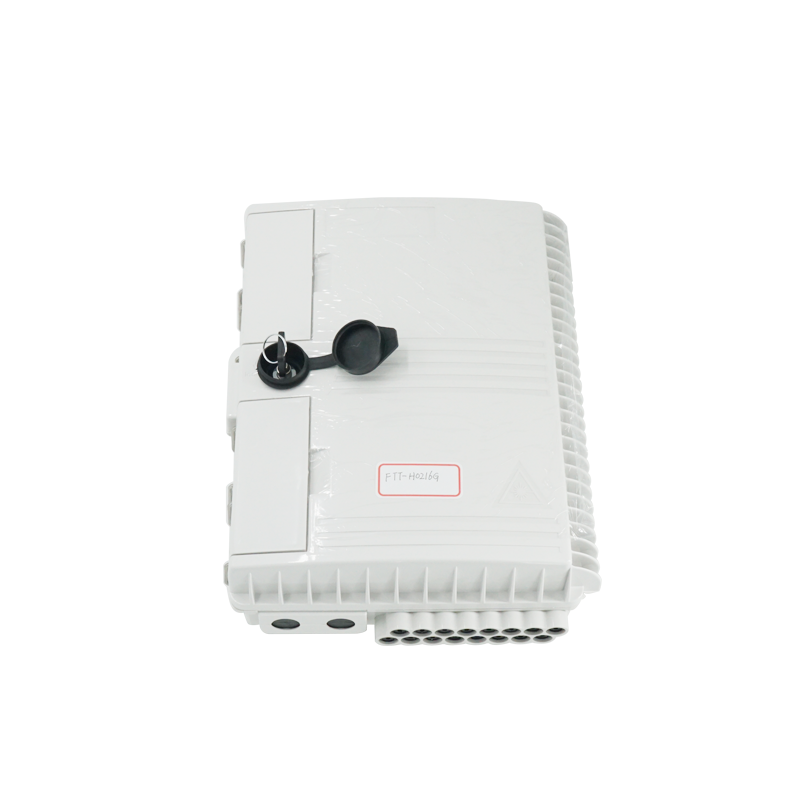
An optical terminal enclosure is a specialized housing system designed to protect and organize fiber optic cables, connectors, and networking equipment in telecommunications infrastructure. This sophisticated device serves as a central hub for managing optical signals and ensuring reliable data transmission across communication networks. The optical terminal enclosure functions as a secure container that safeguards sensitive fiber optic components from environmental hazards, physical damage, and electromagnetic interference. Modern optical terminal enclosure designs incorporate advanced features including weatherproof construction, cable management systems, and organized port arrangements that facilitate efficient installation and maintenance. The enclosure provides structural support for multiple optical connections while maintaining signal integrity and minimizing signal loss. Technological features of an optical terminal enclosure include precision-engineered compartments, cable routing channels, and strategic ventilation systems that prevent overheating and condensation buildup. These enclosures accommodate various optical connectors such as SC, LC, and MPO types, making them versatile for different network configurations. Applications for the optical terminal enclosure span across telecommunications networks, data centers, campus area networks, metropolitan area networks, and fiber-to-the-home deployments. The optical terminal enclosure is essential in outdoor installations where equipment faces extreme weather conditions, temperature fluctuations, and moisture exposure. Industries relying on high-speed data transmission depend on these enclosures to maintain network performance and ensure business continuity. The construction materials used in an optical terminal enclosure typically include stainless steel or reinforced polymer compounds that provide durability and longevity. Installation of an optical terminal enclosure requires careful planning to ensure optimal accessibility and compliance with telecommunications standards and regulations.

 EN