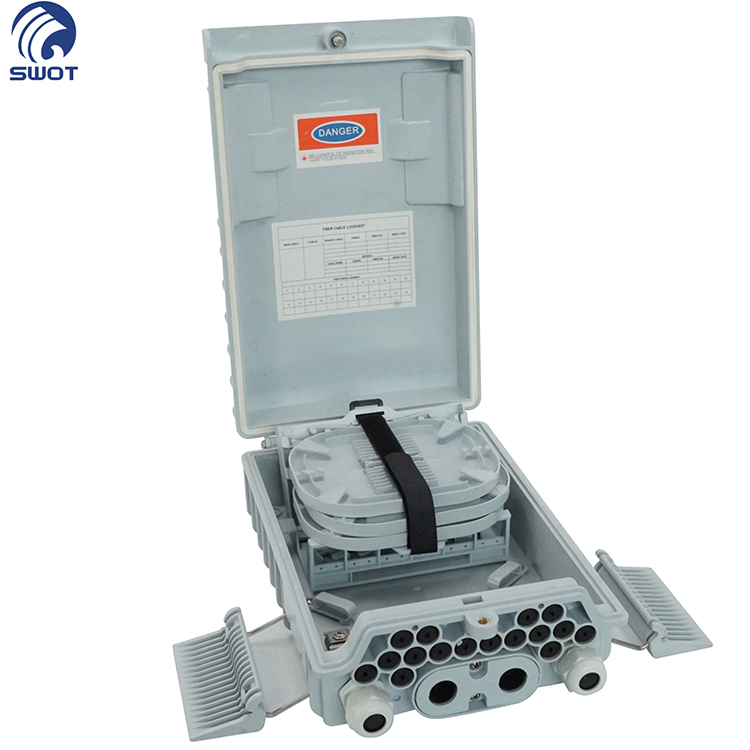
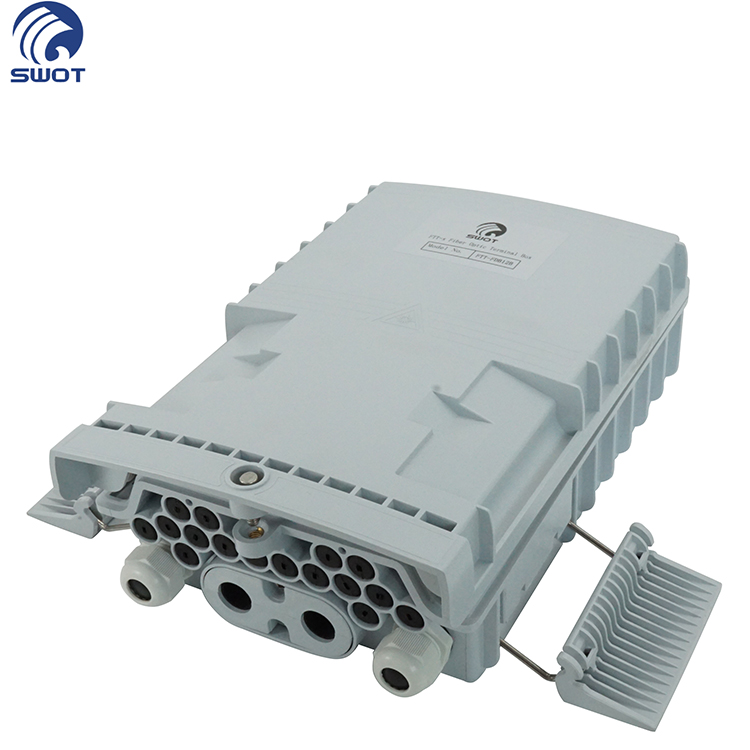
optical cable terminal box
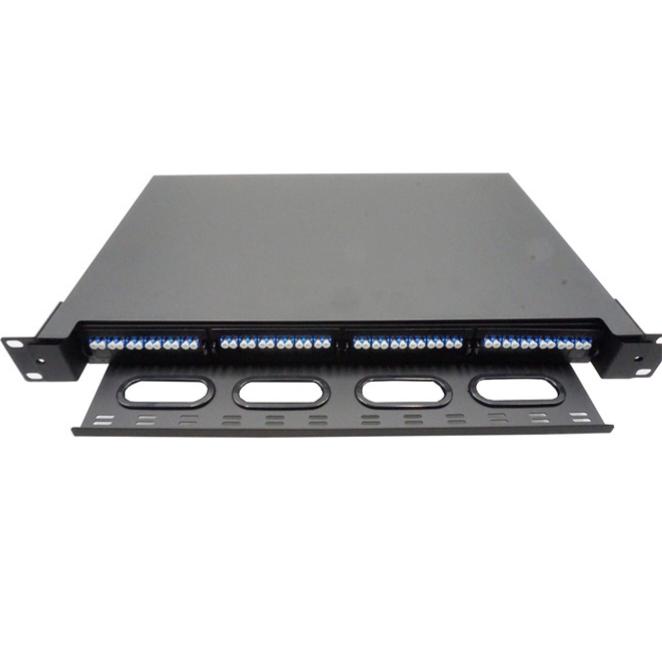
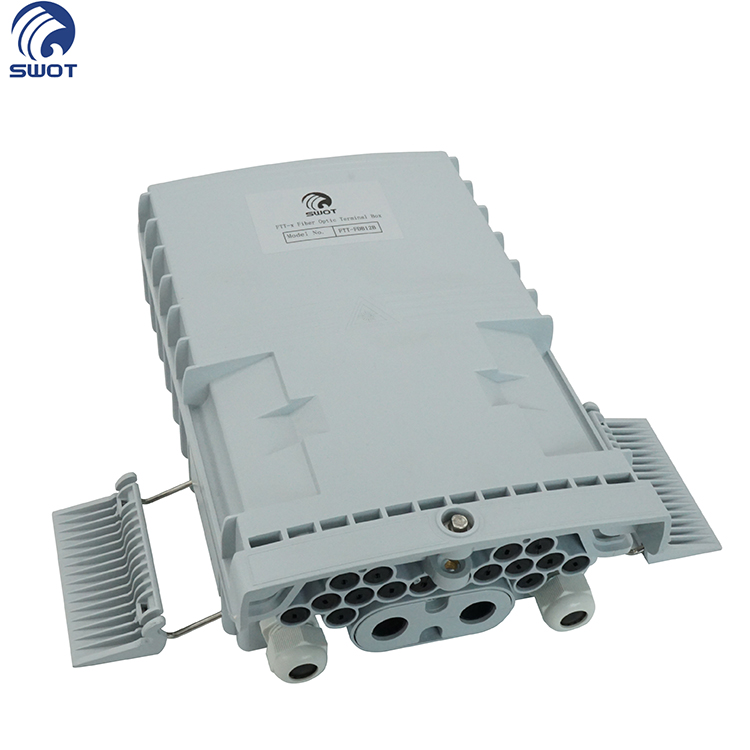
An optical cable terminal box serves as a crucial infrastructure component for managing and protecting fiber optic connections in telecommunications networks. This specialized equipment functions as a central hub where optical cables are terminated, organized, and distributed to various network endpoints. The optical cable terminal box is designed to house fiber optic splice connections, patch panels, and distribution equipment while maintaining signal integrity and preventing external interference.
The primary function of an optical cable terminal box is to provide a secure, organized termination point for incoming optical cables from service providers or long-distance networks. Within this enclosure, individual fiber strands are carefully spliced, organized, and connected to distribution frames or patch panels. The optical cable terminal box protects these delicate connections from environmental hazards including moisture, dust, temperature fluctuations, and physical damage that could compromise network performance.
Technologically, modern optical cable terminal boxes incorporate advanced features such as fiber management systems, splice protection mechanisms, and cable routing organization. These systems ensure proper bend radius maintenance for optical fibers, which is critical for preventing signal loss and maintaining data transmission quality. The optical cable terminal box typically includes weatherproof sealing, grounding systems, and organized cable management to accommodate multiple fiber connections efficiently.
Applications for the optical cable terminal box span across telecommunications infrastructure, data centers, enterprise networks, and internet service provider installations. These boxes are essential in both indoor and outdoor environments, serving residential, commercial, and industrial network deployments where fiber optic technology provides high-speed connectivity solutions.

 EN