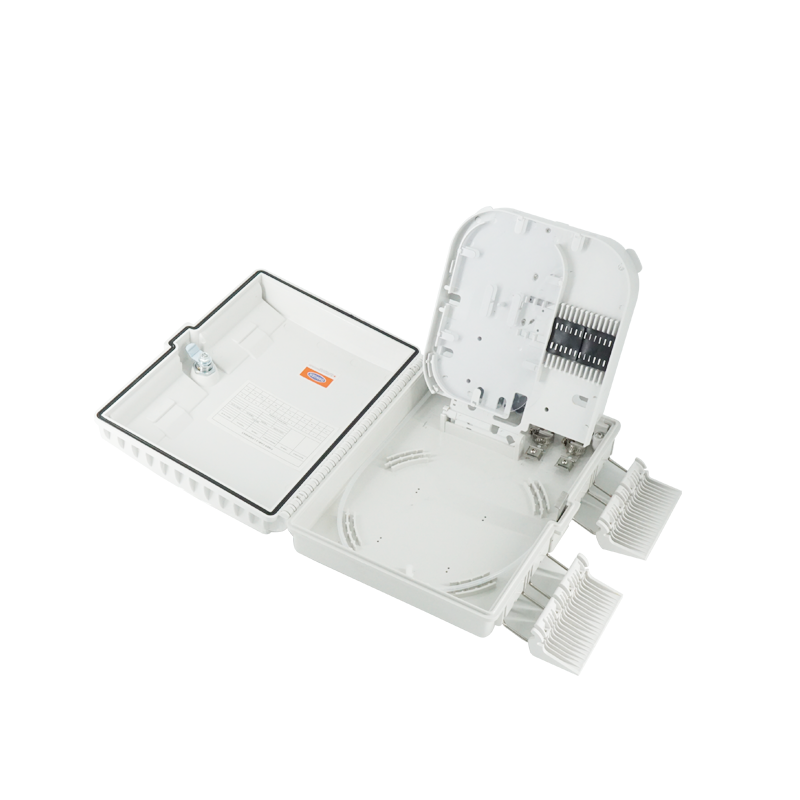
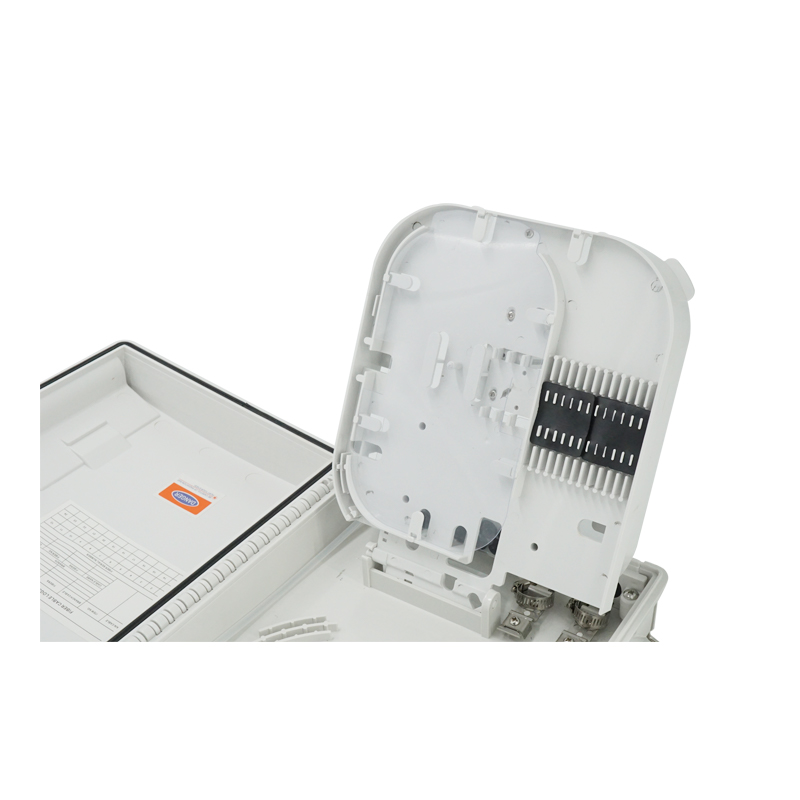
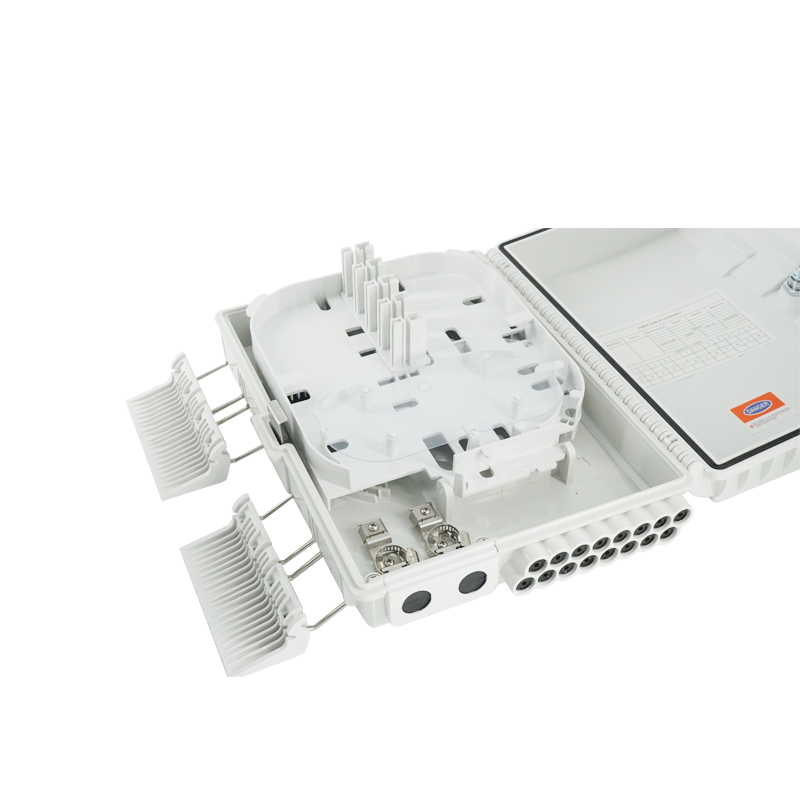
network terminal box
A network terminal box serves as a critical infrastructure component in modern data communication systems. This device acts as a central connection point where network cables converge, allowing multiple connections to be organized and managed efficiently. The network terminal box facilitates seamless data transmission across various network configurations, making it an essential element in both residential and commercial installations.
The primary function of a network terminal box is to terminate and organize network cables while providing protection and accessibility. Within this device, individual wires from network cables are connected to terminal blocks or patch panels, enabling proper signal distribution. The network terminal box houses RJ45 connectors and other termination equipment that ensure reliable connections throughout the entire network infrastructure.
Technologically, modern network terminal boxes incorporate advanced features including enhanced shielding to minimize electromagnetic interference and improved grounding systems for optimal signal integrity. These units accommodate Cat6, Cat6A, and Cat7 cabling standards, supporting high-speed data transmission requirements. The network terminal box design includes spacious interiors that allow technicians easy access for maintenance and troubleshooting.
Applications for the network terminal box extend across diverse sectors. In office environments, these boxes organize connections for computer networks and telecommunications. Educational institutions utilize network terminal boxes to establish reliable connectivity throughout campuses. Data centers depend on sophisticated terminal box solutions for managing massive connection volumes. The network terminal box remains indispensable in hospitality, healthcare, and industrial settings where robust network infrastructure is mandatory for daily operations.

 EN