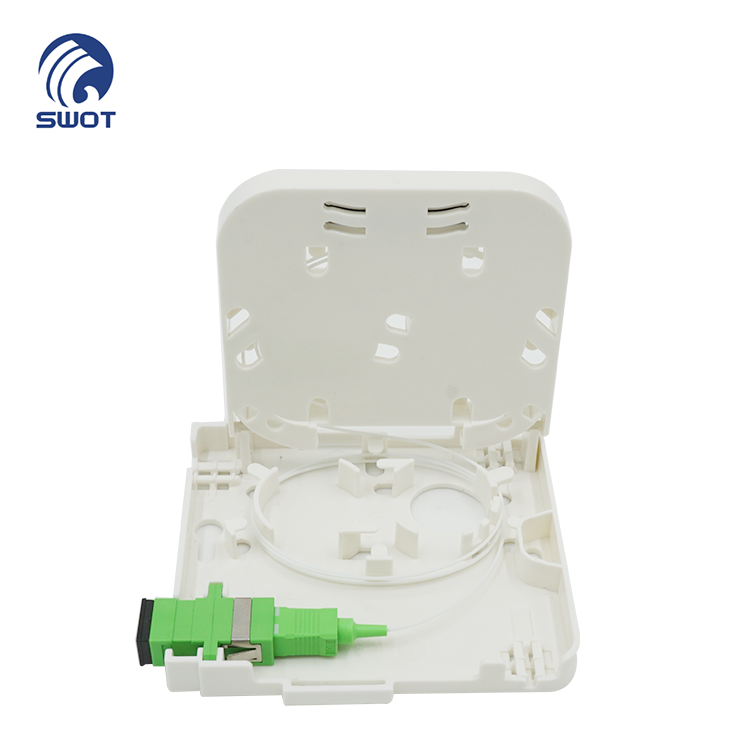
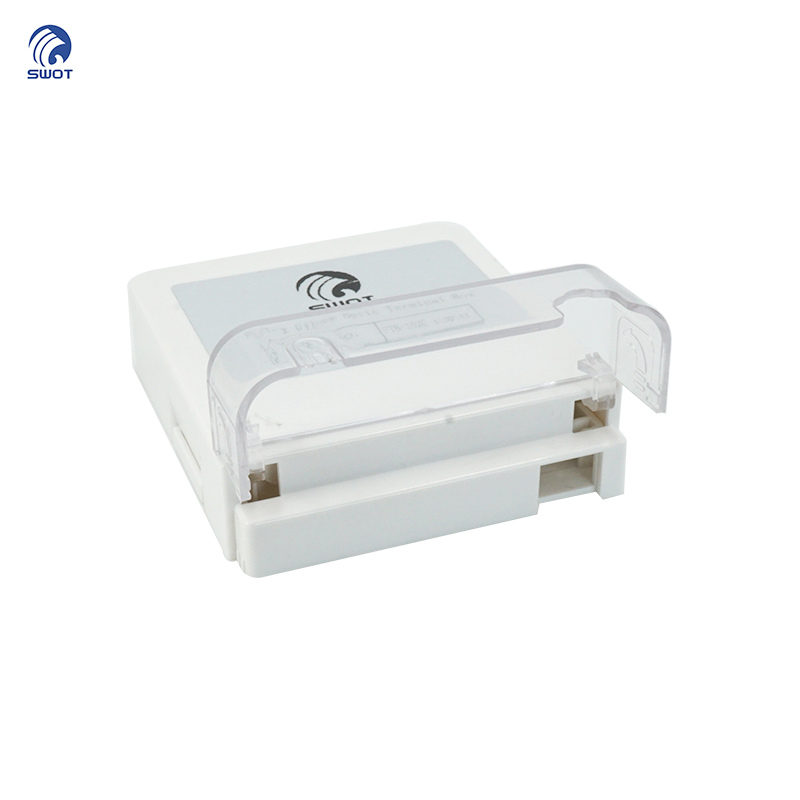
ftth box
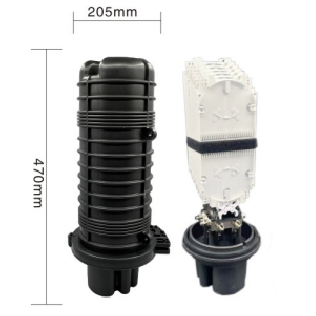
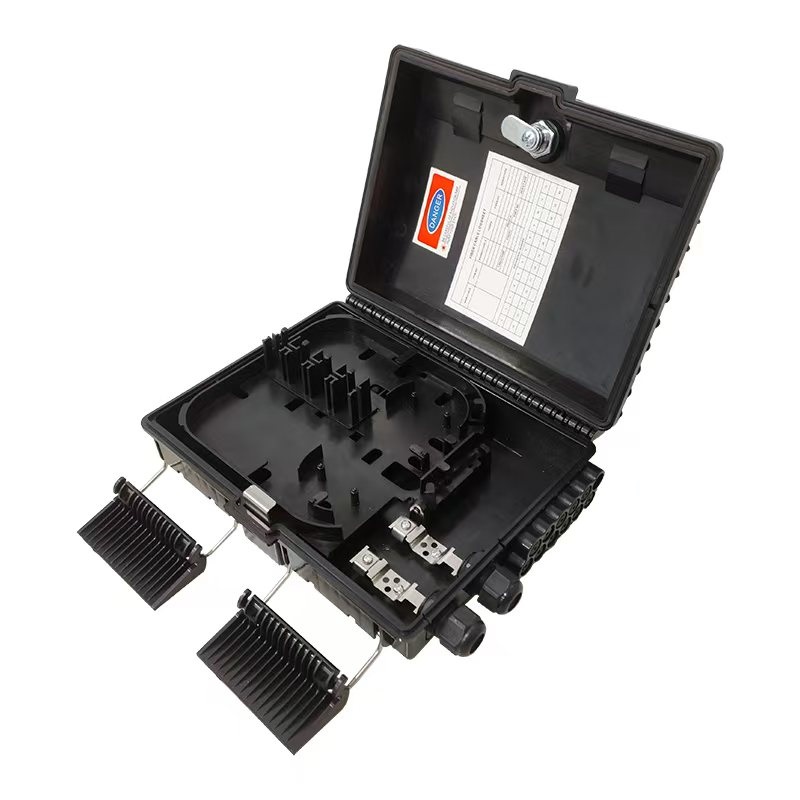
An FTTH box, also known as a fiber-to-the-home box, represents a crucial component in modern fiber optic network infrastructure. This device serves as the termination point where fiber optic cables enter residential or commercial properties, converting optical signals into usable electronic signals for end users. The FTTH box functions as a bridge between the external fiber network and internal home networking systems.
The primary function of an FTTH box involves signal conversion and distribution. When fiber optic cables transmit data as light signals, the FTTH box contains optical-to-electrical converters that transform these signals into standard internet, television, and telephone services. Modern FTTH box units incorporate advanced technological features including high-speed signal processing capabilities, integrated splitters for multiple service delivery, and compact design for easy installation.
Technological innovations within the FTTH box include passive optical network (PON) technology compatibility, wavelength division multiplexing support, and enhanced signal quality management. These features enable the FTTH box to handle gigabit-speed data transmission reliably. The device typically measures compact dimensions, allowing flexible mounting options on walls or utility poles.
Applications for the FTTH box extend across residential broadband delivery, business internet connectivity, and institutional network infrastructure. Urban and suburban areas increasingly utilize FTTH box installations to provide high-speed internet access, replacing traditional copper-based systems. The FTTH box supports seamless integration with smart home devices, remote work capabilities, and streaming services. Telecommunications providers deploy FTTH box technology to expand network coverage and improve service quality, making it essential for next-generation connectivity solutions in communities worldwide.

 EN