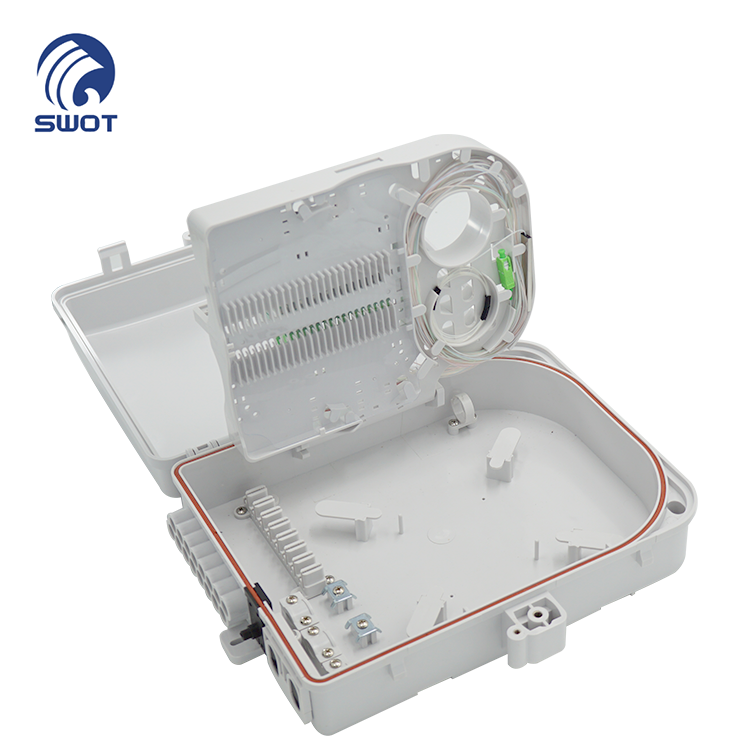
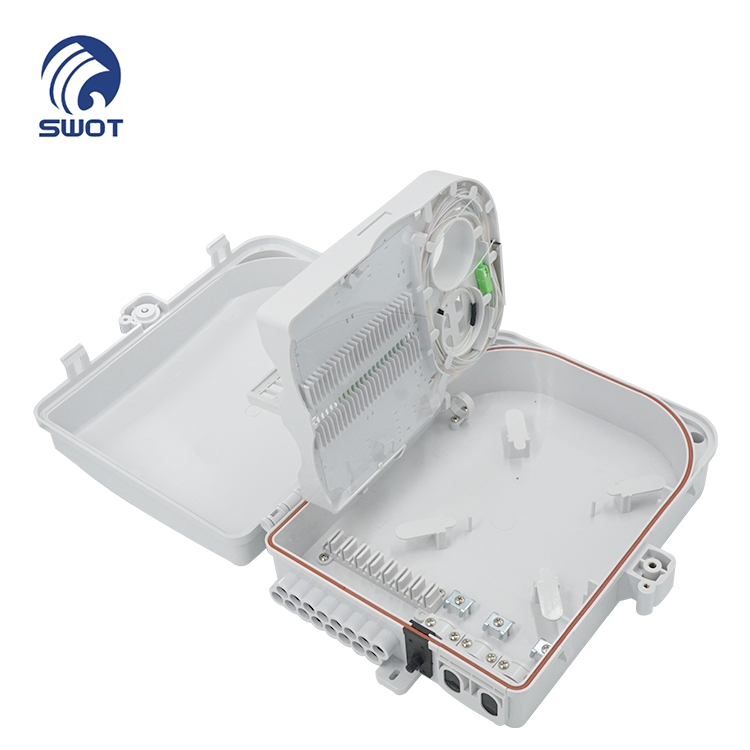
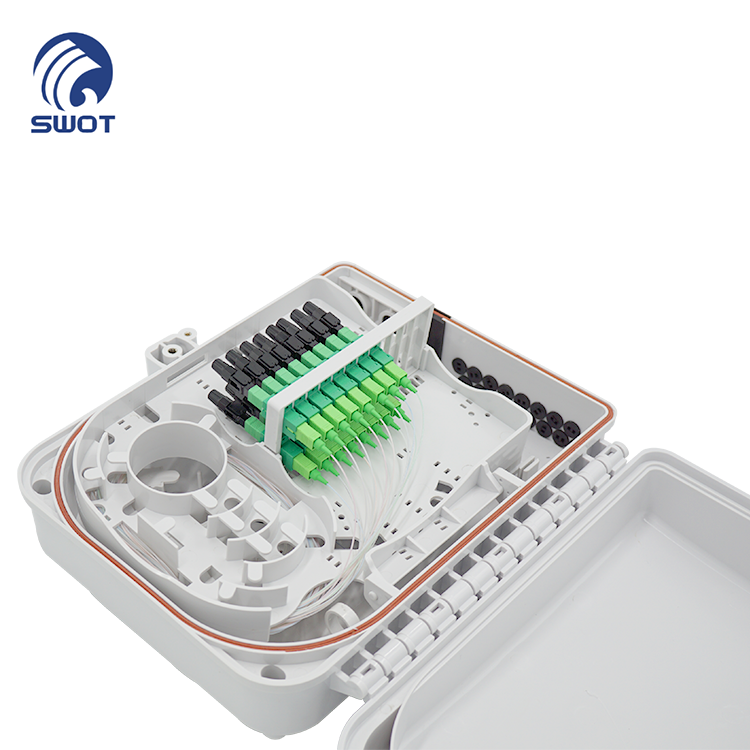
ftth fiber termination box
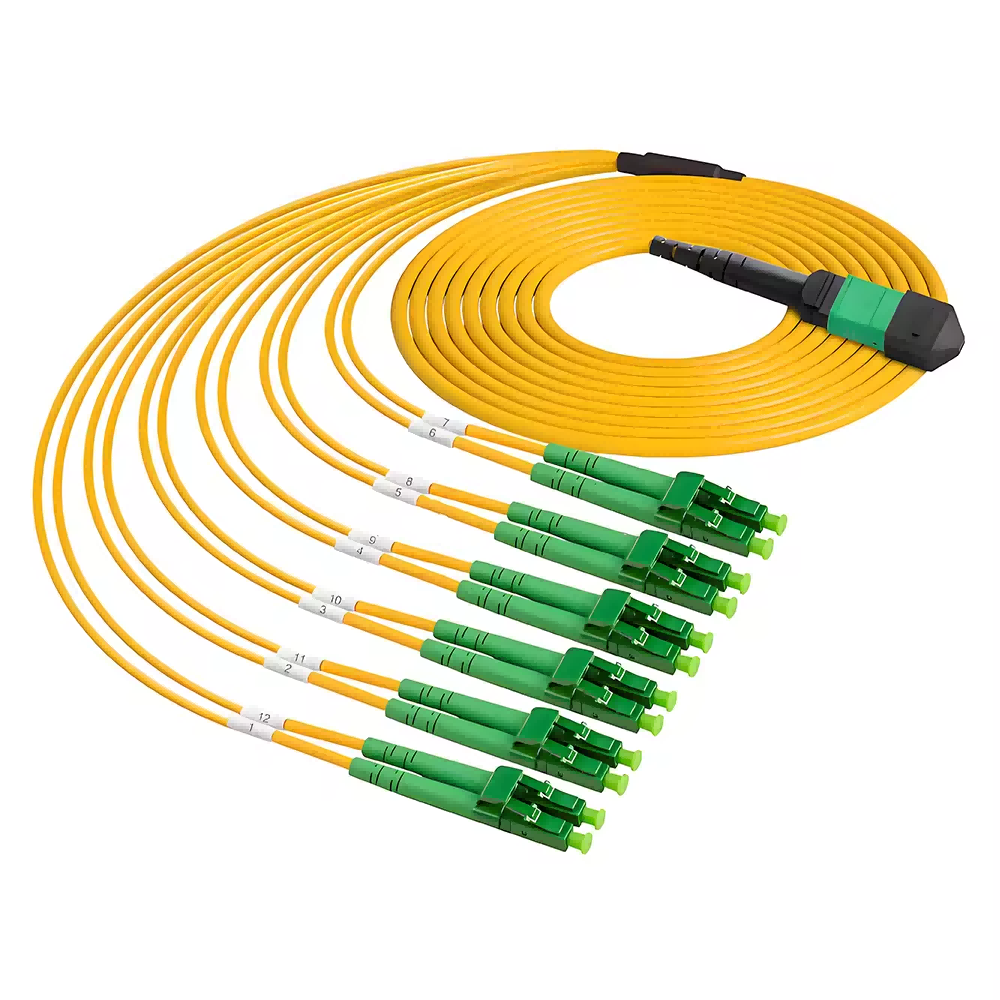
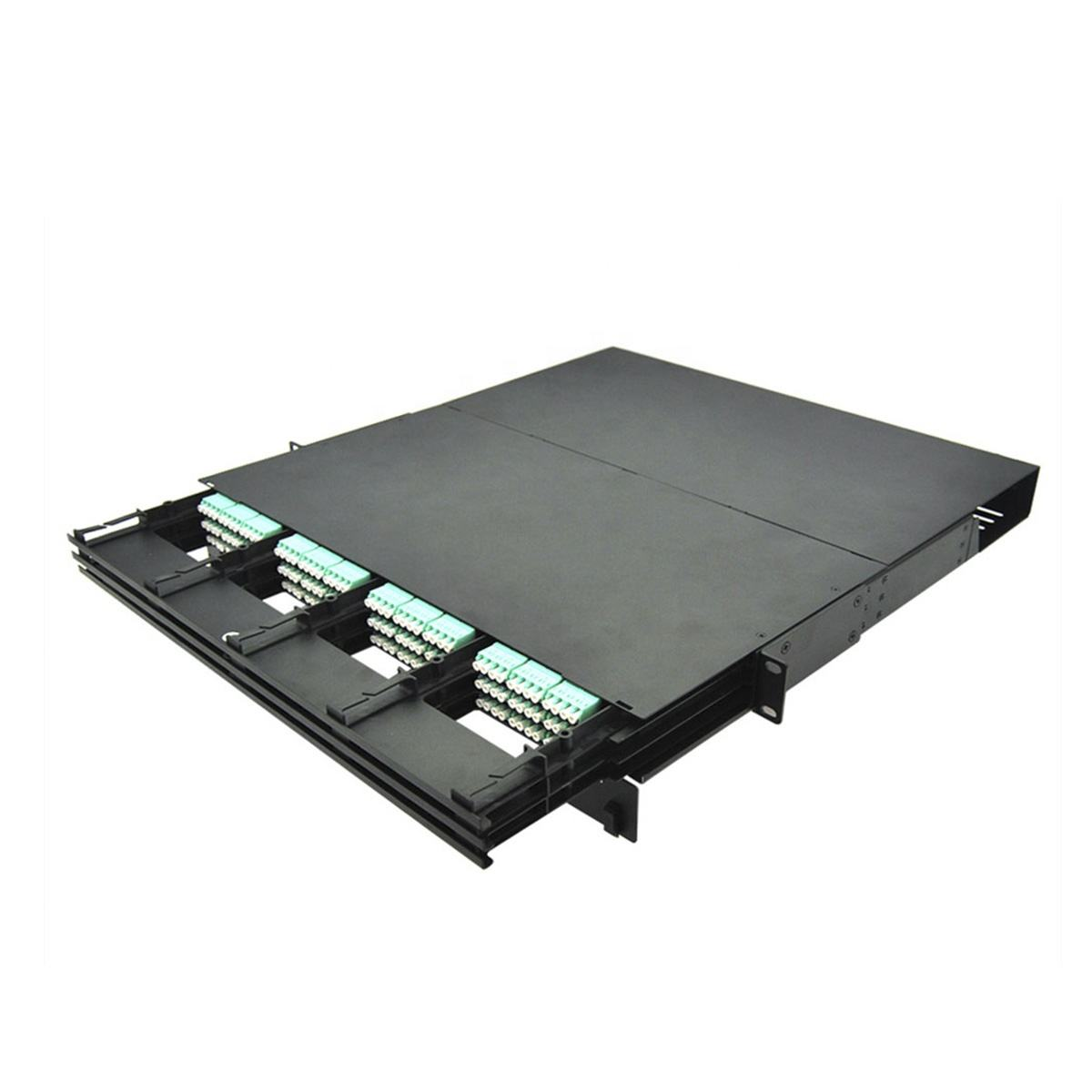
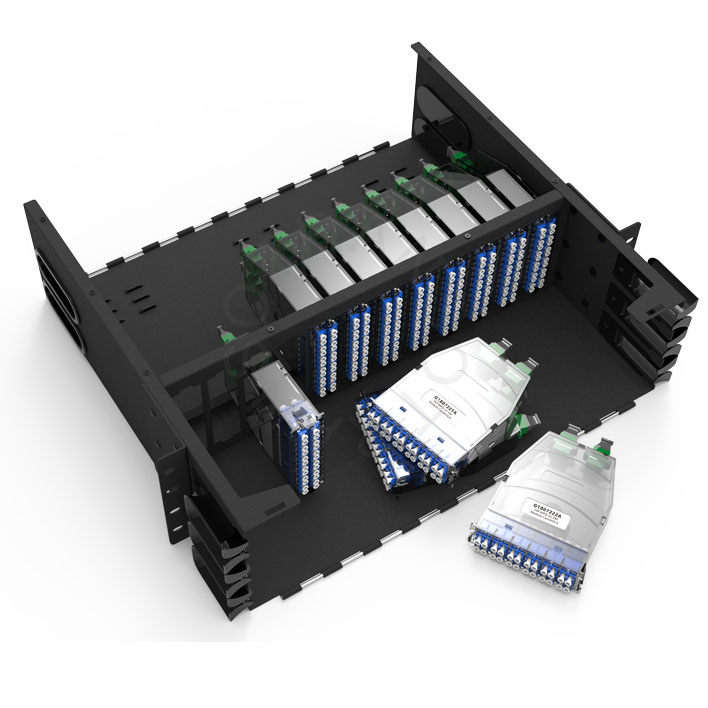
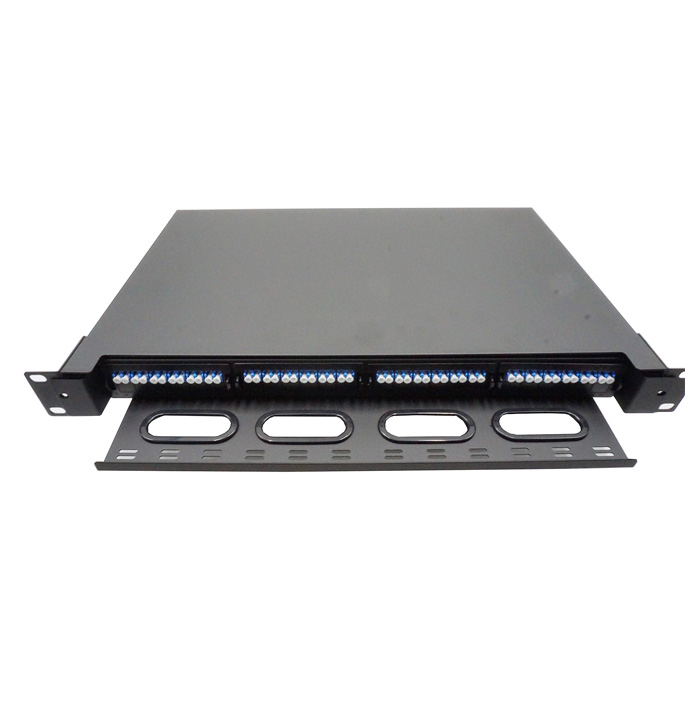
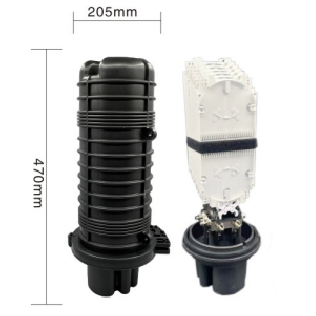
An FTTH fiber termination box represents a critical infrastructure component designed to manage and distribute fiber optic connections in fiber-to-the-home networks. This sophisticated device serves as the central junction point where optical signals transition from main distribution lines to individual residential or commercial connections. The FTTH fiber termination box integrates multiple technological features that ensure reliable signal transmission and network stability.
The primary function of an FTTH fiber termination box involves organizing fiber optic cables, protecting sensitive optical components, and facilitating efficient signal distribution to end-users. Modern FTTH fiber termination boxes incorporate advanced splicing technology, protective housing, and organized cable management systems that prevent signal loss and maintain optimal network performance.
Technological features of the FTTH fiber termination box include sealed enclosures that protect fibers from environmental damage, integrated splice trays that organize fiber connections, and modular designs that allow for future expansion. These boxes typically accommodate multiple fiber strands while maintaining precise alignment and minimizing optical attenuation.
Applications for the FTTH fiber termination box span residential developments, commercial office parks, industrial facilities, and telecommunications networks requiring high-speed broadband delivery. The FTTH fiber termination box enables service providers to deliver gigabit-speed internet, advanced video services, and reliable telecommunications infrastructure to customers. Its deployment has become essential in modern broadband expansion projects worldwide, supporting the growing demand for ultra-fast connectivity in urban and suburban areas.

 EN