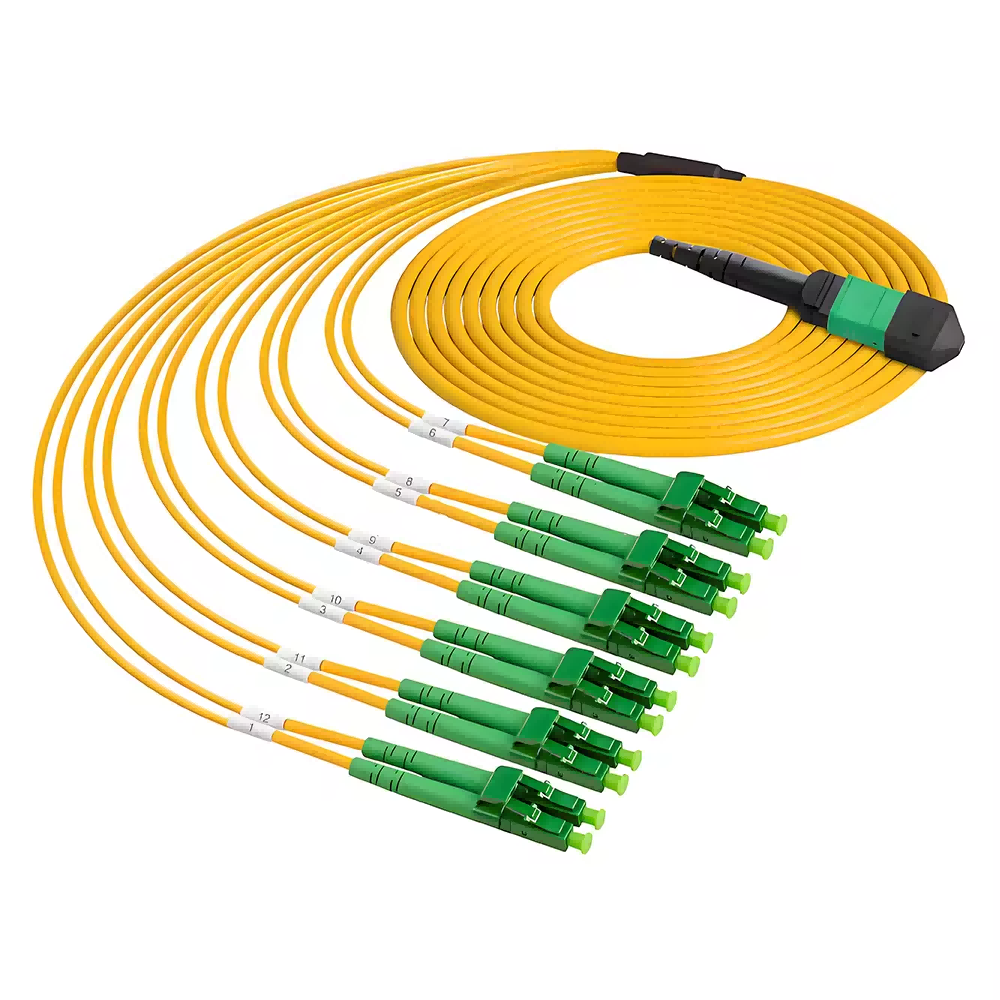
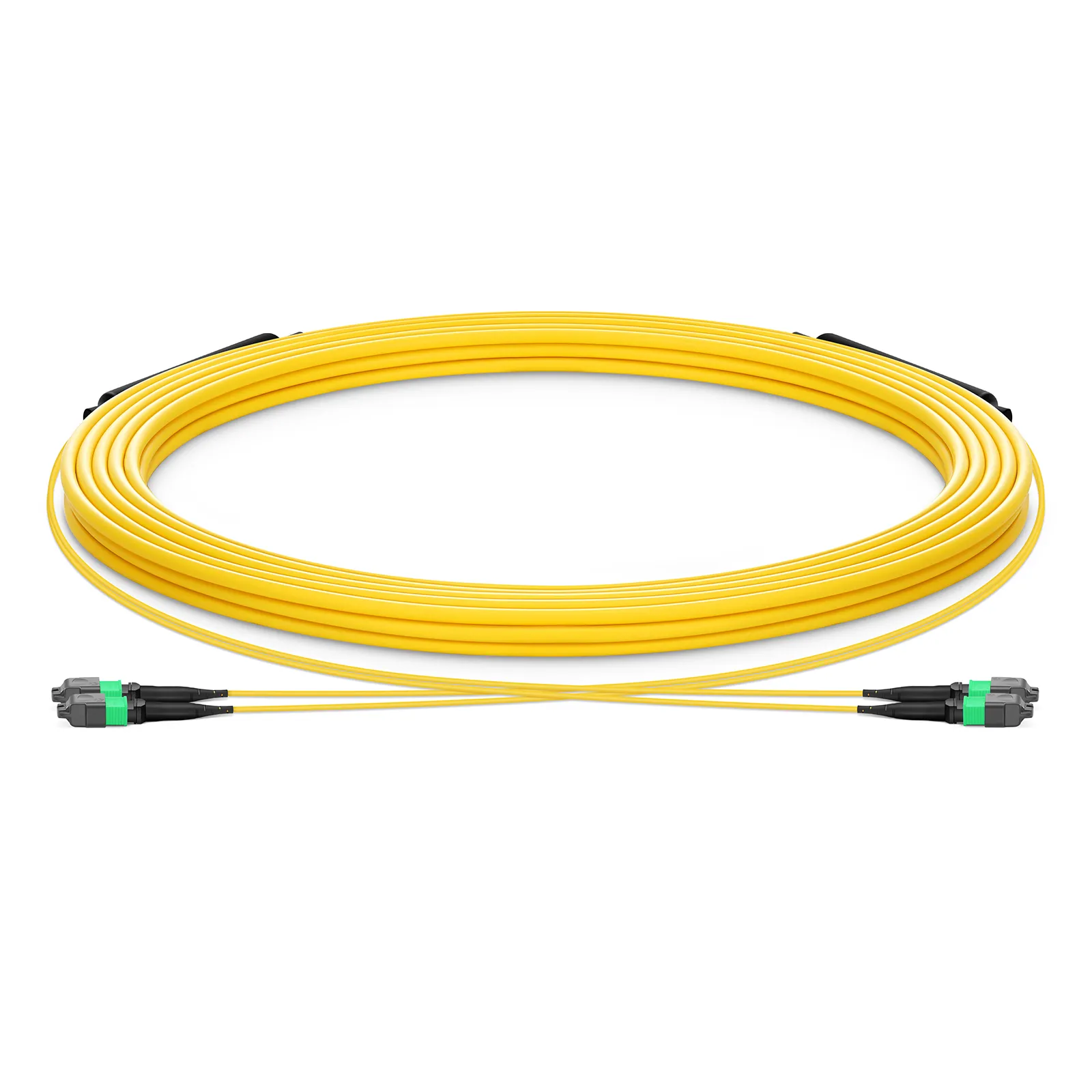
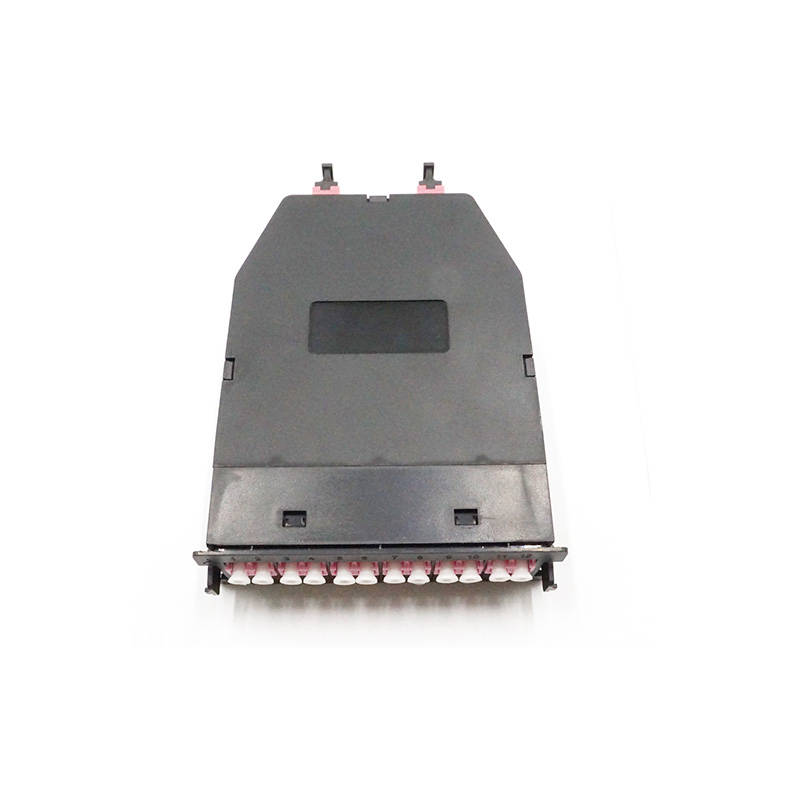
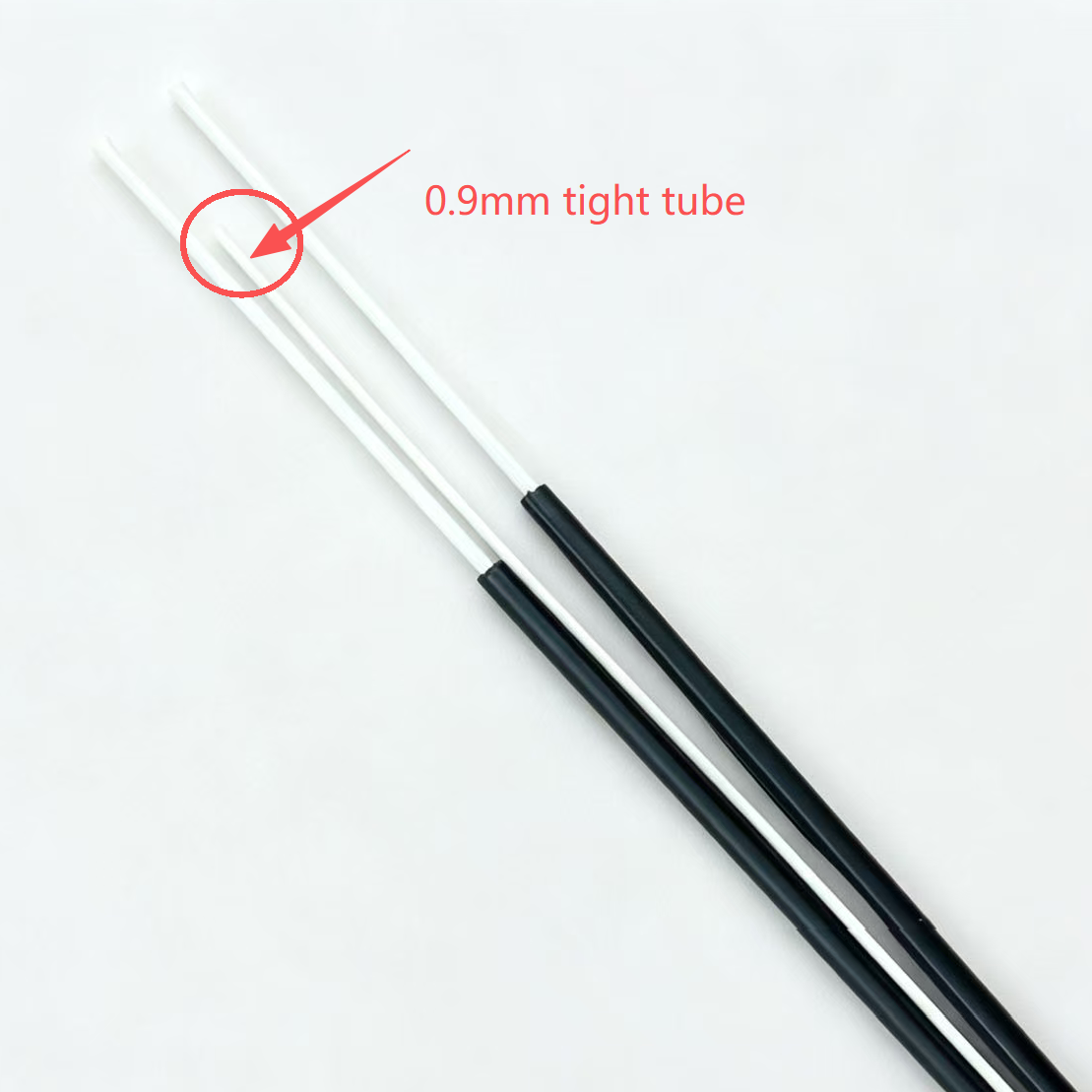
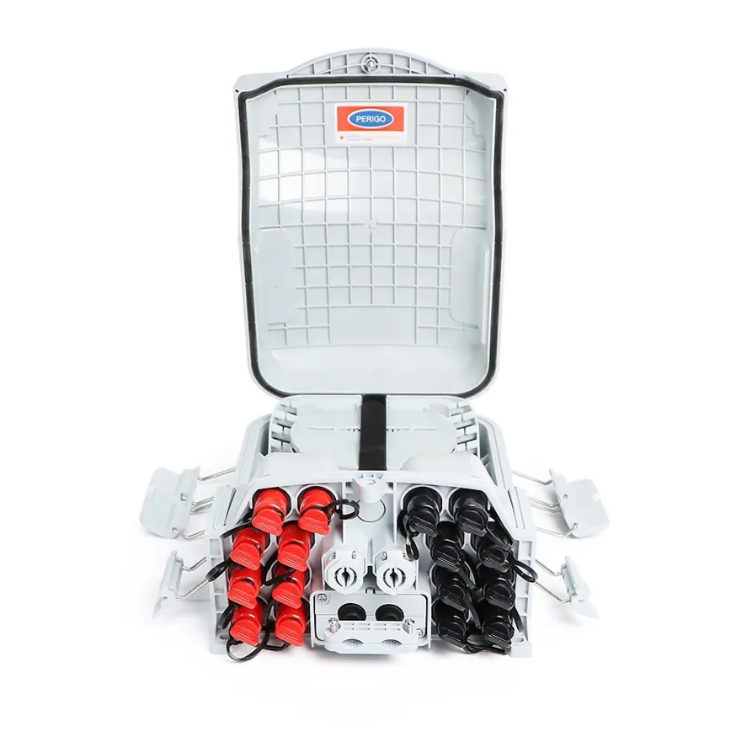
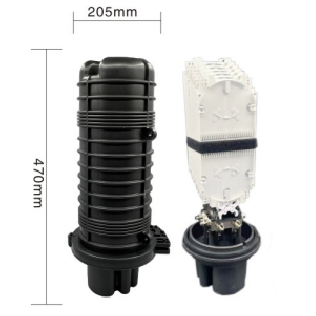
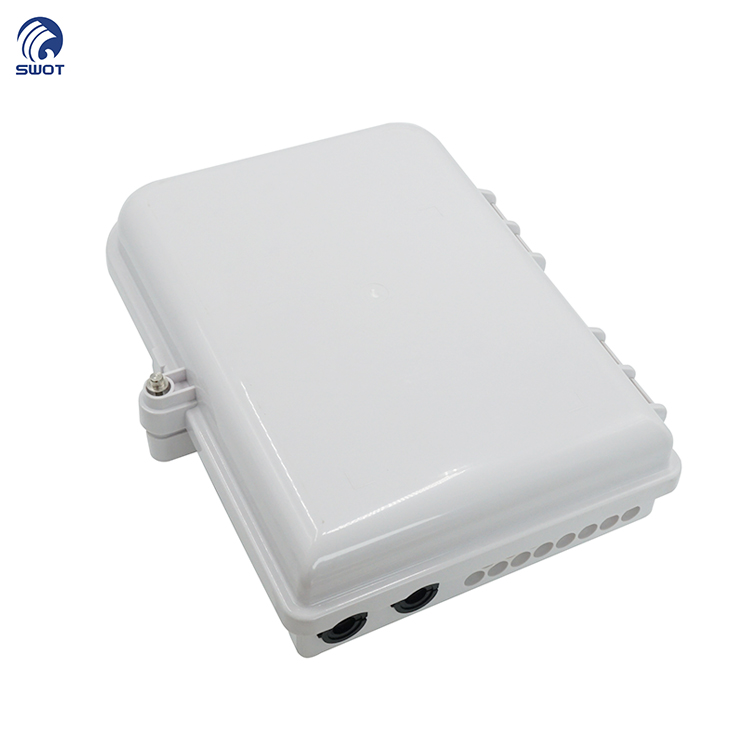
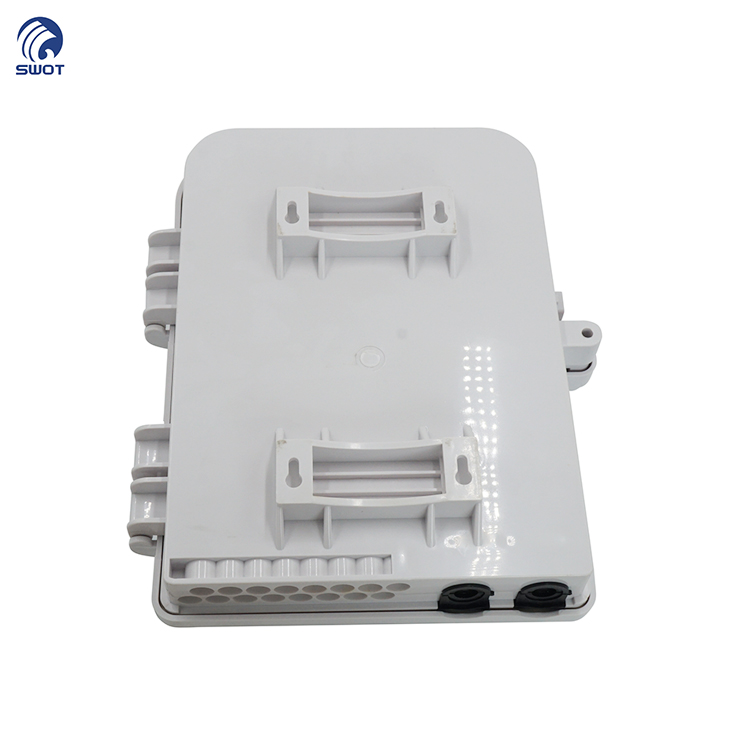
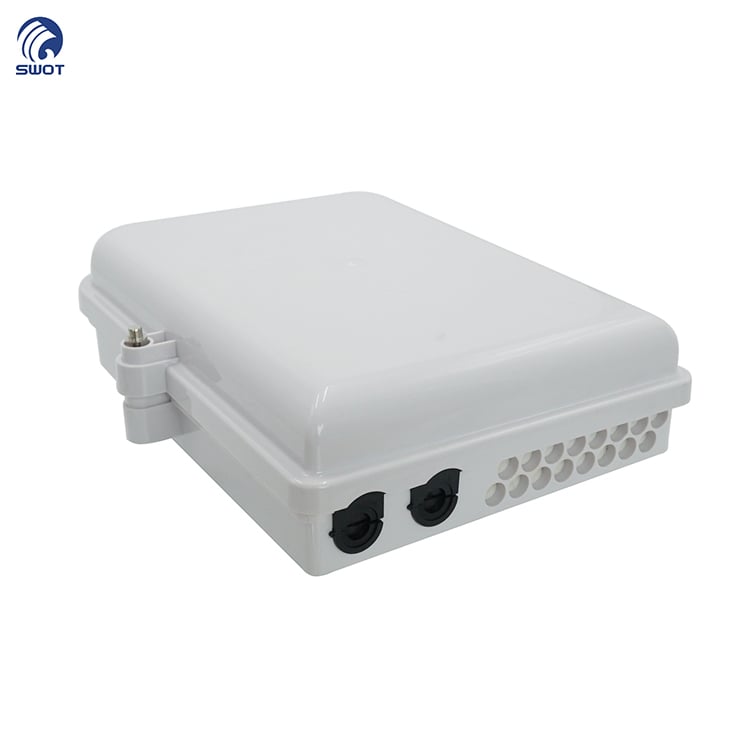
ftth connection box
An ftth connection box serves as a critical infrastructure component in fiber-to-the-home networks, enabling seamless data transmission from optical fiber lines directly into residential or commercial properties. This ftth connection box acts as the termination point where external fiber optic cables connect to internal home networks, facilitating high-speed internet, television, and telephone services through a single integrated system.
The ftth connection box incorporates advanced technological features designed to optimize network performance and reliability. It houses optical-to-electrical conversion equipment that translates fiber optic signals into usable data formats compatible with standard devices. The ftth connection box includes built-in surge protection mechanisms, temperature regulation systems, and redundant connection pathways to ensure consistent service delivery even during adverse conditions.
Key functions of an ftth connection box include signal distribution, power management, and network authentication. The device manages multiple connection ports, allowing simultaneous connections to various household devices while maintaining signal integrity across all channels. Installation of an ftth connection box typically occurs at the network demarcation point, serving as the boundary between service provider infrastructure and customer equipment.
Applications for the ftth connection box extend across residential complexes, office buildings, and small commercial enterprises. It enables delivery of ultra-high-speed broadband services exceeding 1 gigabit per second, supporting bandwidth-intensive activities like 4K video streaming, cloud computing, and remote work environments. Modern ftth connection box designs prioritize user-friendly installation and maintenance, reducing deployment costs while improving service accessibility for end-users throughout diverse geographic regions and network configurations.

 EN