MPO Connector Types: High-Density Solutions

Get a Free Quote

Our representative will contact you soon.
Email
Mobile
Name
Company Name
Message
0/1000

mpo connector types

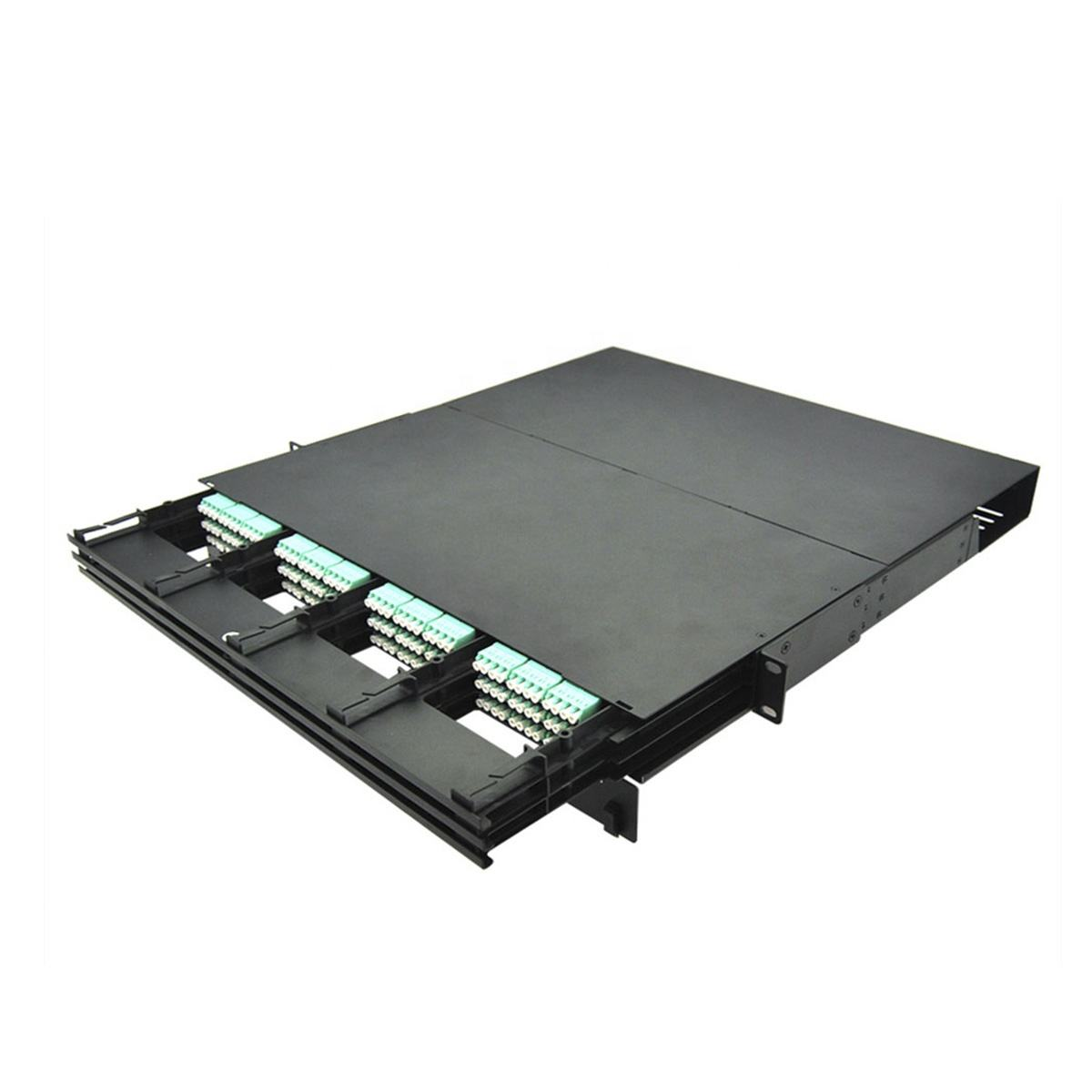
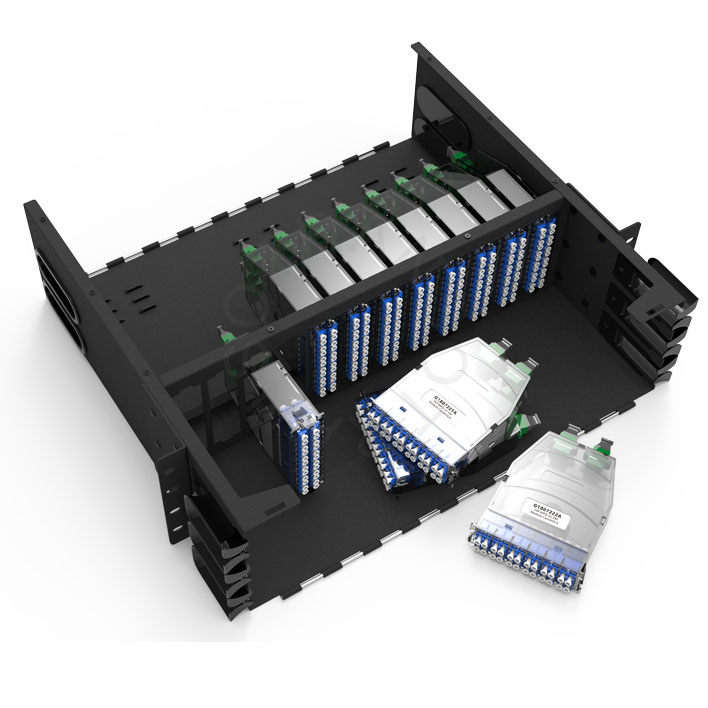
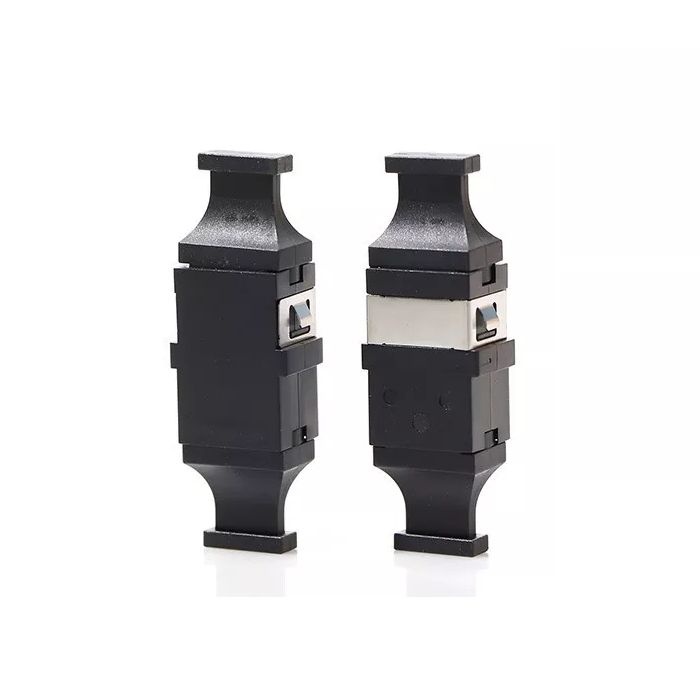
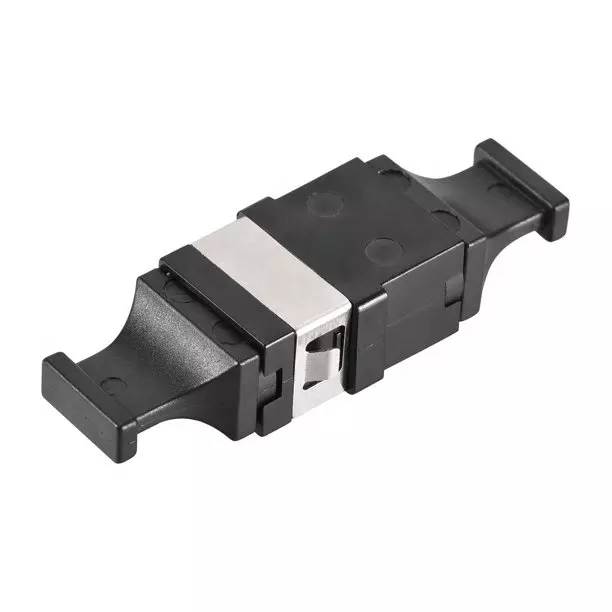
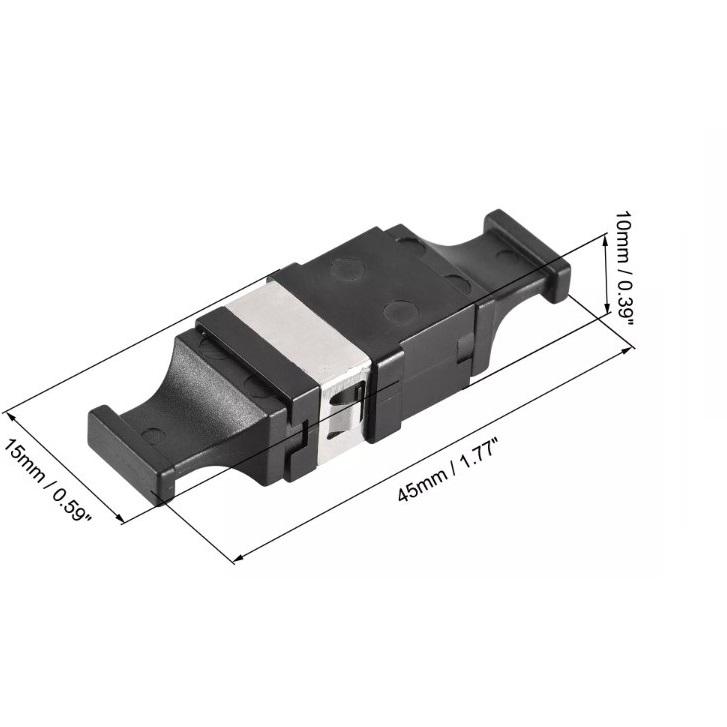
MPO connector types represent advanced fiber optic connection solutions designed for high-density applications requiring reliable data transmission. These specialized mpo connector types utilize a multi-fiber push-on mechanism, enabling simultaneous connections of up to 12 or 24 fibers in a single compact interface. The mpo connector types feature precisely aligned ferrule designs that maintain excellent optical performance while minimizing signal loss and crosstalk. The primary function of mpo connector types involves facilitating rapid deployment and reconfiguration of fiber optic networks in data centers, telecommunications infrastructure, and enterprise environments. These mpo connector types employ a push-on design that eliminates the need for time-consuming screw-based connections, significantly reducing installation time and operational complexity. The technological features of mpo connector types include spring-loaded ferrule mechanisms, low insertion loss characteristics, and exceptional return loss performance meeting industry standards. Applications for mpo connector types span diverse sectors including high-speed data centers, telecommunications networks, military communications systems, and financial trading facilities. The mpo connector types deliver superior performance in environments demanding rapid fiber count scalability and reliable signal integrity. Industry adoption of mpo connector types continues expanding as organizations prioritize efficient network infrastructure upgrades and streamlined connectivity solutions. Modern mpo connector types support various fiber configurations, from single-mode to multimode, accommodating multiple transmission speeds and network architectures effectively.

Popular Products

MPO connector types deliver substantial operational benefits that simplify network infrastructure management and reduce total deployment costs. The primary advantage of mpo connector types involves eliminating individual fiber connections, allowing technicians to deploy multiple fiber links simultaneously through single connector insertions. This efficiency translates directly to reduced labor expenses, faster system implementation, and minimized service interruptions during network upgrades. Buyer value extends significantly through the practical benefits mpo connector types provide in high-density environments. Organizations utilizing mpo connector types experience streamlined cable management, reduced physical footprint requirements, and improved network scalability without extensive infrastructure modifications. The mpo connector types enable seamless expansion capabilities, allowing businesses to add network capacity simply by incorporating additional connector modules without complete system reconfiguration. Operational benefits of mpo connector types include improved system reliability and reduced maintenance requirements. The sealed design of mpo connector types protects fiber optic components from dust contamination and environmental damage, extending equipment lifespan and ensuring consistent performance. Decision-useful product context demonstrates that mpo connector types substantially outperform traditional connectors in demanding applications requiring frequent reconnections and high fiber density installations. Application suitability of mpo connector types makes them ideal solutions for data center expansions, telecommunications backbone systems, and high-frequency trading networks. Organizations selecting mpo connector types gain competitive advantages through faster deployment cycles and enhanced network flexibility. The connector types support cost-effective infrastructure evolution, allowing companies to maximize existing investments while incorporating emerging technologies and increased bandwidth requirements throughout their operations.

Tips And Tricks

Which Fiber Optic Joint Box Fits Underground Installations?

08

Jul

Which Fiber Optic Joint Box Fits Underground Installations?

Selecting the correct fiber optic joint box for underground installations is one of the most critical decisions in deploying reliable buried fiber optic cable systems. The fiber optic joint box must withstand soil pressure, moisture infiltration, tem...
View More
Why Do Telecom Providers Prefer Fiber Optic Cable Systems?

02

Aug

Why Do Telecom Providers Prefer Fiber Optic Cable Systems?

The telecommunications industry has undergone a fundamental transformation over the past two decades, and at the heart of this revolution sits fiber optic cable technology. Telecom providers worldwide have made a strategic shift toward fiber optic ca...
View More
How Can a Fiber Optic Terminal Box Improve Cable Management?

03

Aug

How Can a Fiber Optic Terminal Box Improve Cable Management?

In modern telecommunications and data center environments, managing fiber optic cables efficiently is critical to maintaining network performance and operational reliability. A fiber optic terminal box serves as the central hub for organizing, protec...
View More
Which Fiber Optic Terminal Box Works Best for FTTH Projects?

04

Aug

Which Fiber Optic Terminal Box Works Best for FTTH Projects?

Selecting the right fiber optic terminal box is critical for the success of any fiber-to-the-home (FTTH) project. The fiber optic terminal box serves as the central distribution point where fiber cables are organized, protected, and connected to cust...
View More

Get a Free Quote

Our representative will contact you soon.
Email
Mobile
Name
Company Name
Message
0/1000

mpo connector types

High-Density Fiber Capacity and Space Optimization

High-Density Fiber Capacity and Space Optimization

MPO connector types revolutionize network installations by consolidating multiple fiber connections into remarkably compact interfaces, delivering unprecedented space efficiency in equipment racks and cable trays. A single mpo connector type accommodates twelve to twenty-four individual fibers, dramatically reducing physical footprint compared to traditional single-fiber connectors requiring separate installations for each connection. This high-density capability of mpo connector types proves invaluable in modern data centers facing space constraints and demanding bandwidth requirements. Organizations deploying mpo connector types achieve optimal equipment density, enabling significantly higher connection counts within existing infrastructure. The space optimization advantages of mpo connector types translate directly to reduced facility expansion costs, lower cooling requirements, and improved overall system performance. Data center managers implementing mpo connector types report achieving up to seventy-five percent reductions in cable management complexity. This technological advancement in mpo connector types fundamentally transforms network architecture planning, allowing enterprises to scale operations efficiently within fixed physical environments without requiring extensive facility modifications.
Rapid Deployment and Reduced Installation Time

Rapid Deployment and Reduced Installation Time

MPO connector types feature innovative push-on mechanisms that eliminate traditional screw-based connection processes, enabling technicians to establish multiple fiber connections through single, straightforward operations. Installation efficiency with mpo connector types reduces deployment timeframes significantly, cutting typical fiber connection procedures from several minutes per connection to mere seconds per installation. This substantial time savings of mpo connector types directly minimizes network downtime and accelerates project completion schedules across telecommunications and data center sectors. Technicians utilizing mpo connector types require minimal training and specialized equipment, improving workforce productivity and reducing labor expenses substantially. The practical efficiency of mpo connector types demonstrates measurable impact on project timelines, enabling organizations to meet aggressive deployment schedules and respond rapidly to evolving market demands. Network administrators implementing mpo connector types experience expedited maintenance procedures, allowing faster system upgrades and troubleshooting interventions. Organizations consistently report productivity improvements exceeding forty percent when transitioning to mpo connector types from conventional connector architectures.
Superior Signal Integrity and Optical Performance

Superior Signal Integrity and Optical Performance

MPO connector types deliver exceptional optical performance characteristics maintaining superior signal quality across high-speed data transmissions and long-distance communications networks. The precision-engineered ferrule designs inherent in mpo connector types ensure accurate fiber alignment, minimizing insertion loss and return loss while maintaining consistent optical specifications throughout connector lifecycles. These performance characteristics of mpo connector types meet or exceed rigorous industry standards established for mission-critical telecommunications applications and high-frequency financial trading systems. The low-loss performance of mpo connector types enables reliable signal transmission across extended network distances without requiring additional amplification or regeneration equipment. Organizations deploying mpo connector types achieve reliable connectivity supporting multi-terabit data rates and emerging bandwidth-intensive applications. The robust optical characteristics of mpo connector types provide long-term reliability, reducing signal degradation and extending system operational lifespans significantly. Advanced testing confirms that mpo connector types maintain consistent performance metrics through thousands of connection cycles, demonstrating exceptional durability and reliability.

Get a Free Quote

Our representative will contact you soon.
Email
Mobile
Name
Company Name
Message
0/1000