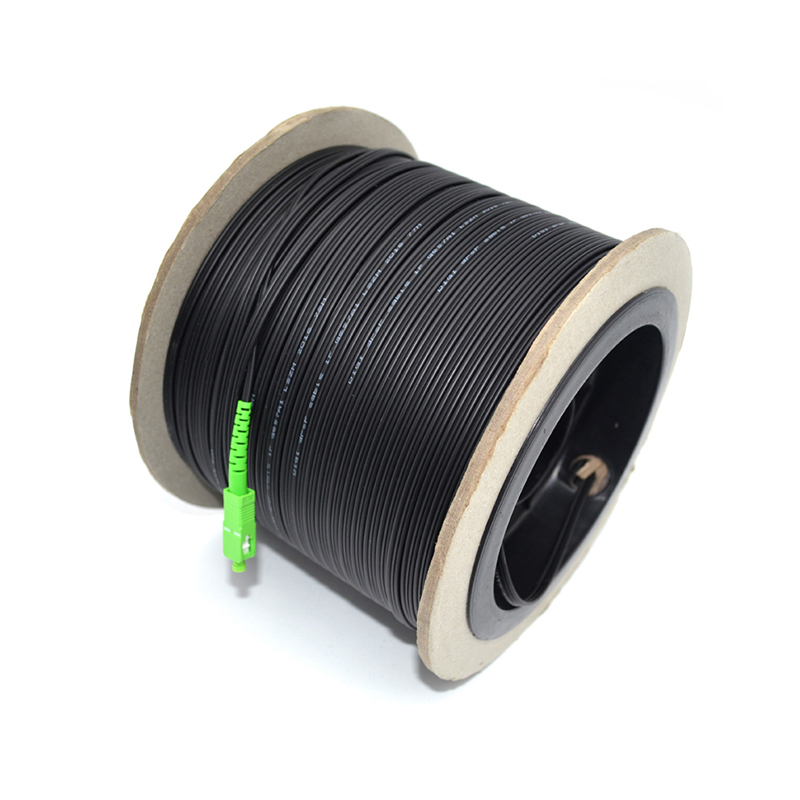
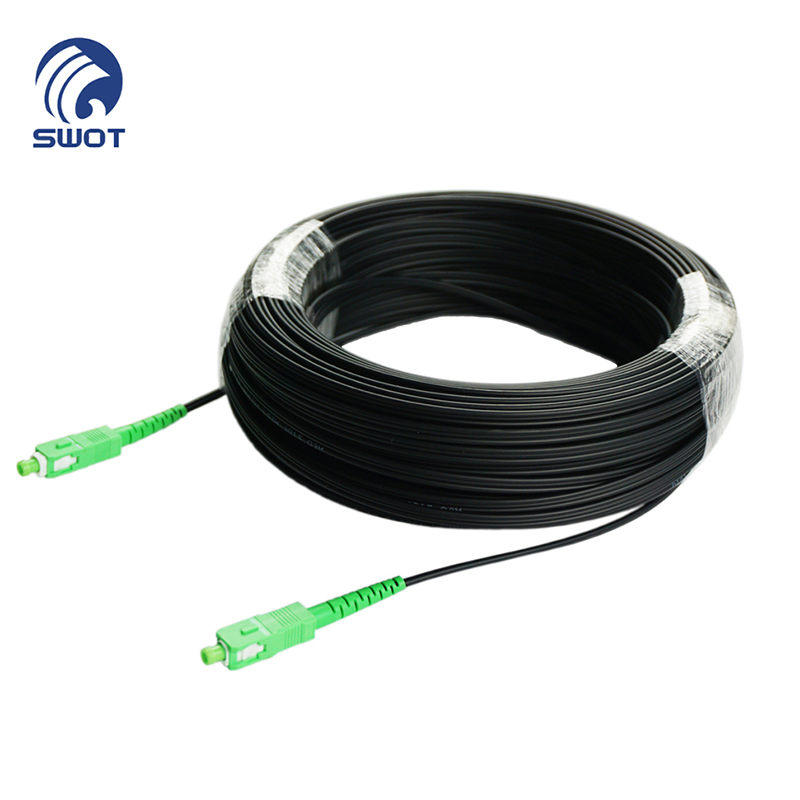
optical patch cable
An optical patch cable serves as a critical connection component in modern networking and telecommunications infrastructure. This specialized cable transmits data using light signals through fiber optic strands, enabling high-speed communication across networks. The optical patch cable connects various devices such as switches, routers, servers, and communication equipment, facilitating seamless data transfer in data centers, offices, and industrial environments.
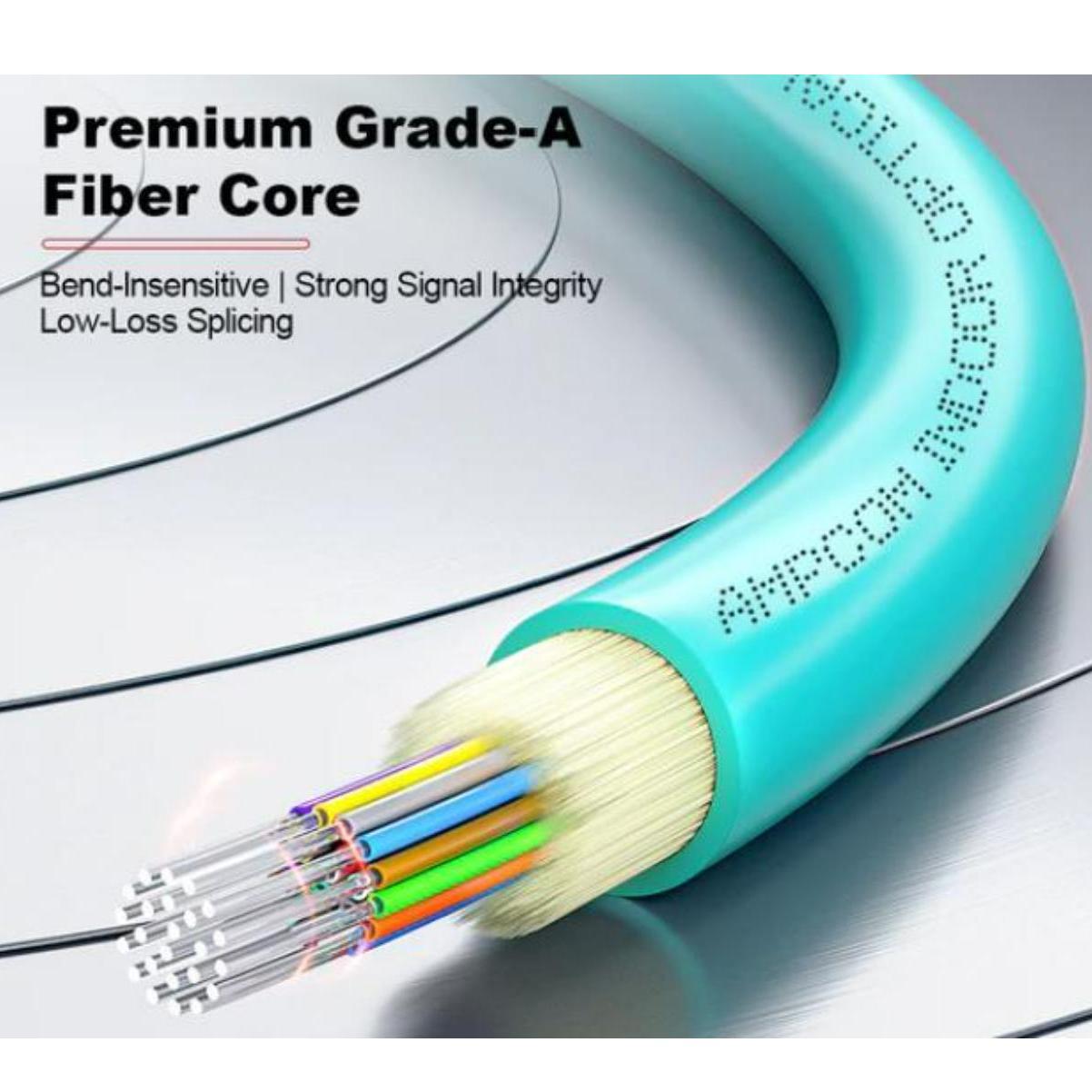
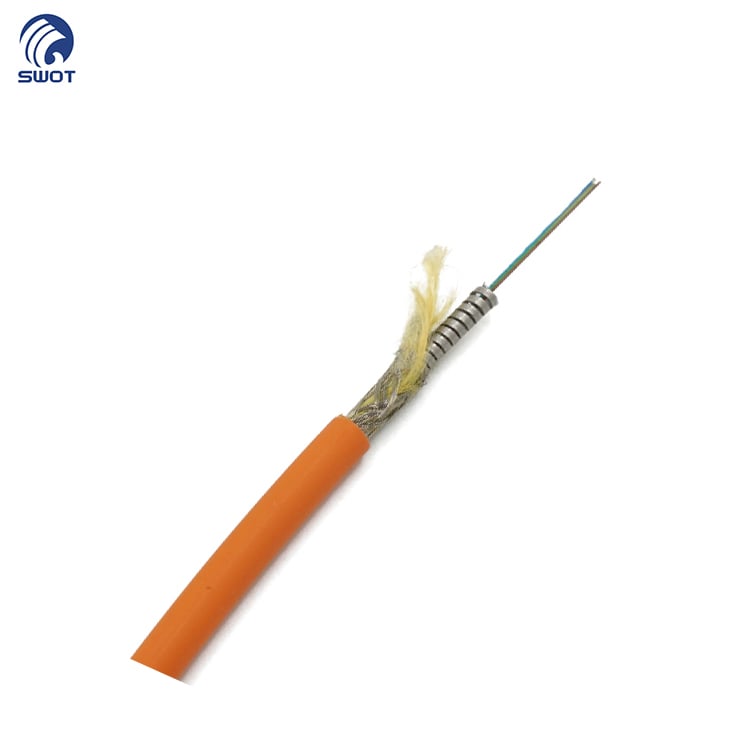
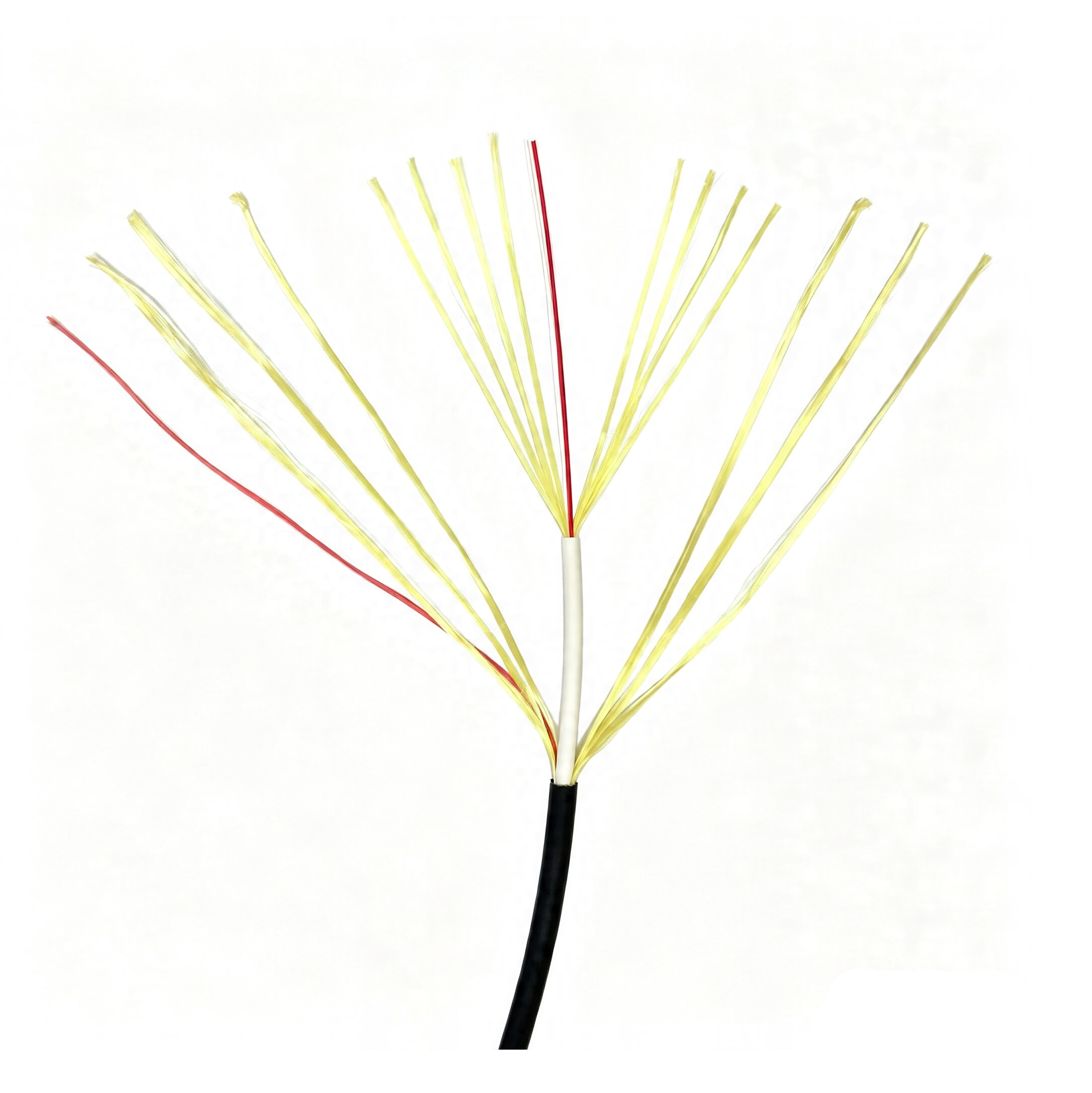
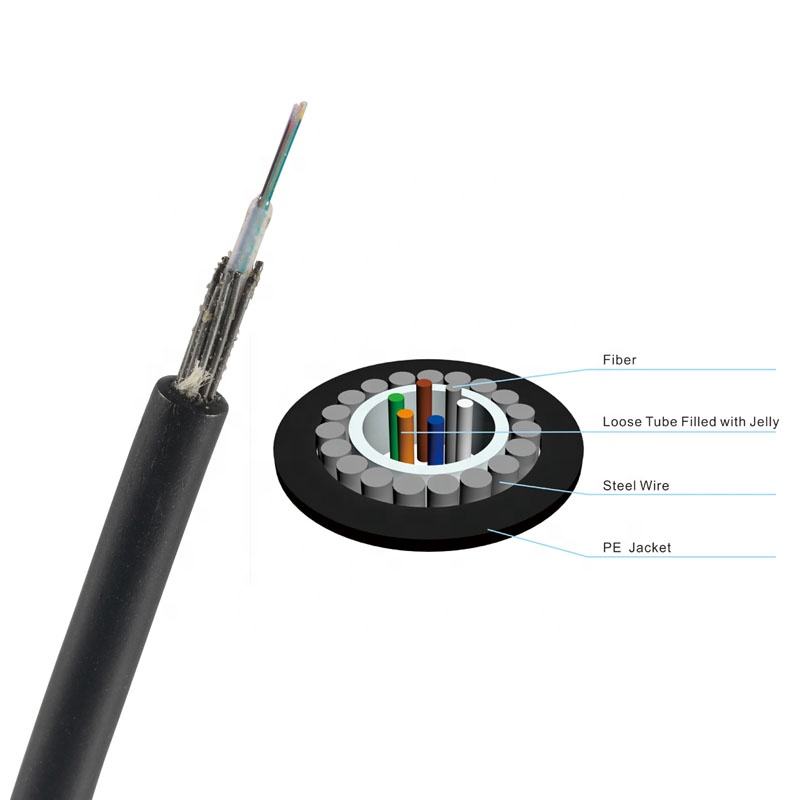
The primary function of an optical patch cable is to establish reliable, high-bandwidth connections between network devices. Unlike traditional copper cables, an optical patch cable leverages fiber optic technology to deliver superior performance characteristics. The cable consists of glass or plastic fibers surrounded by protective layers, allowing light to travel through the core with minimal signal loss.
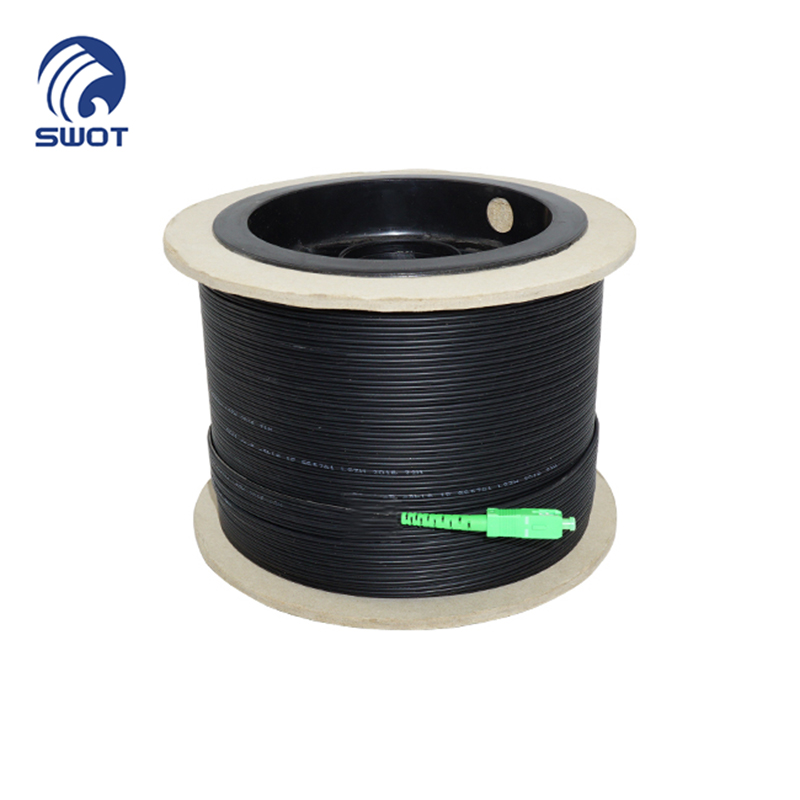
Key technological features of an optical patch cable include support for different connector types such as LC, SC, ST, and MPO configurations. These connectors ensure compatibility with diverse equipment specifications. The optical patch cable typically supports distances ranging from a few meters to hundreds of meters, depending on the fiber type and quality standards.
Applications for an optical patch cable extend across various industries. Data centers rely on optical patch cables to manage massive data volumes efficiently. Telecommunications providers use them for backbone networks and long-distance communication. Universities, hospitals, and large enterprises deploy optical patch cables throughout their infrastructure to support bandwidth-intensive operations. The optical patch cable has become indispensable in modern connectivity solutions, supporting cloud computing, video streaming, and real-time data processing requirements.

 EN