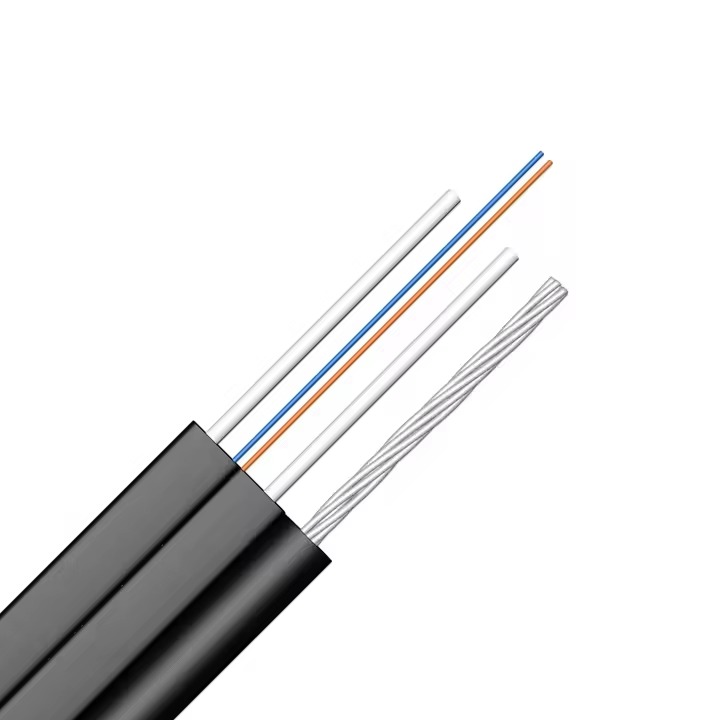
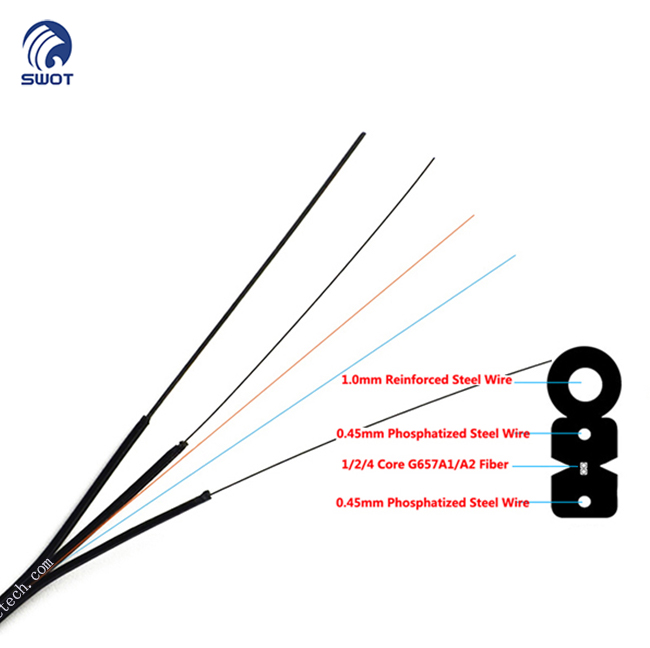
2 core ftth drop cable
The 2 core FTTH drop cable represents a essential component in modern fiber optic broadband infrastructure, designed specifically for residential and small business connectivity. This specialized cable serves as the final connection point between the optical network termination point and end-user premises, making it fundamental to FTTH deployment strategies.
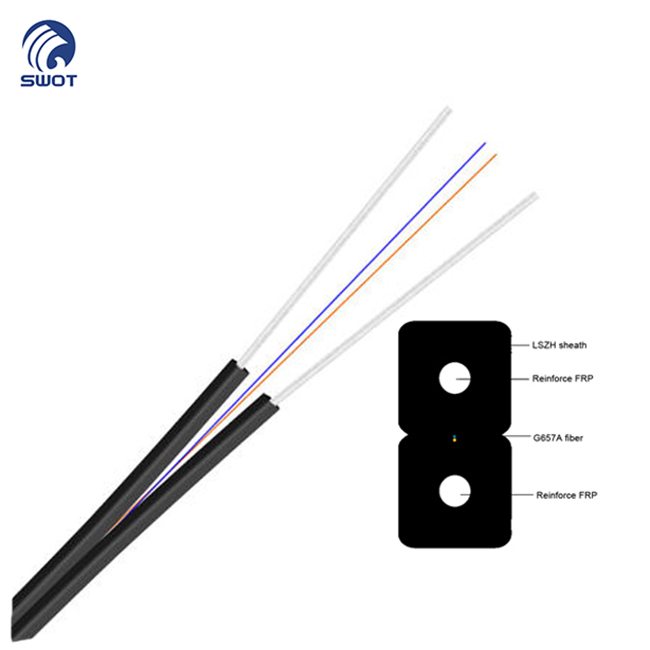
A 2 core FTTH drop cable features two individual optical fibers housed within a protective outer jacket, engineered to deliver reliable signal transmission over the last mile of network distribution. The main functions include transmitting downstream and upstream data signals simultaneously while maintaining signal integrity across varying distances and environmental conditions. The technological features incorporate advanced fiber optic technology, UV-resistant jackets, and impact-resistant designs that protect against physical damage during installation and long-term outdoor exposure.
This 2 core FTTH drop cable utilizes single-mode or multimode fiber construction, depending on deployment requirements and network specifications. The cable incorporates aramid yarn reinforcement for tensile strength and flexibility during installation procedures. Its compact diameter and lightweight construction facilitate easy routing through conduits, along building exteriors, and into interior premises without requiring specialized equipment.
Applications for the 2 core FTTH drop cable span residential fiber broadband delivery, small office connectivity solutions, and distributed antenna systems. The cable performs exceptionally well in diverse environmental conditions, including temperature extremes and moisture exposure. Network operators deploy this 2 core FTTH drop cable in both urban and rural markets, supporting gigabit-speed internet services that meet contemporary bandwidth demands for streaming, remote work, and smart home technologies.
The two-core configuration offers cost-effectiveness while maintaining redundancy options for critical installations where backup connectivity proves essential for service continuity.

 EN