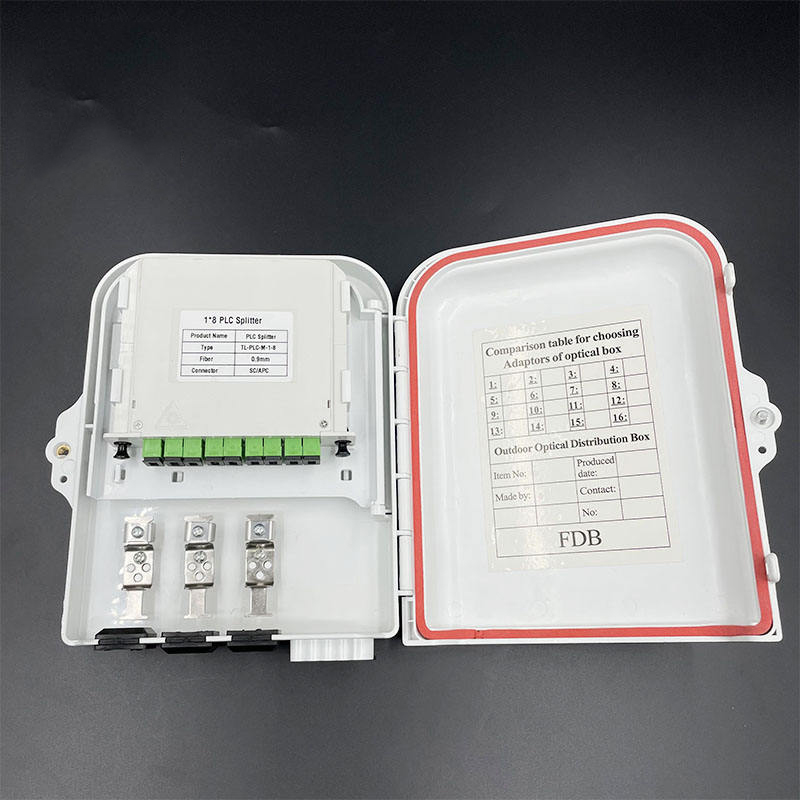
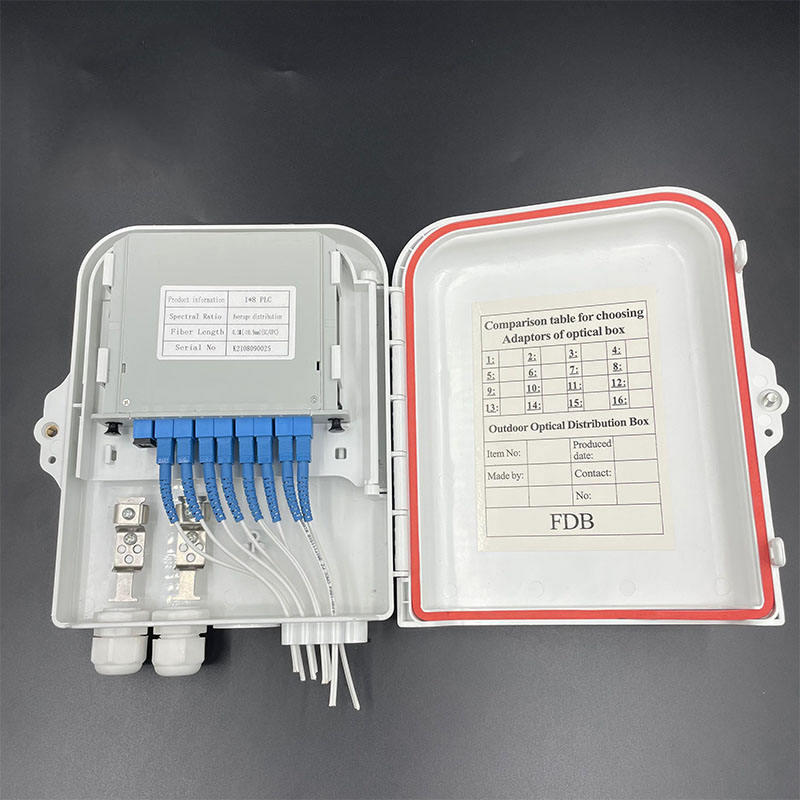
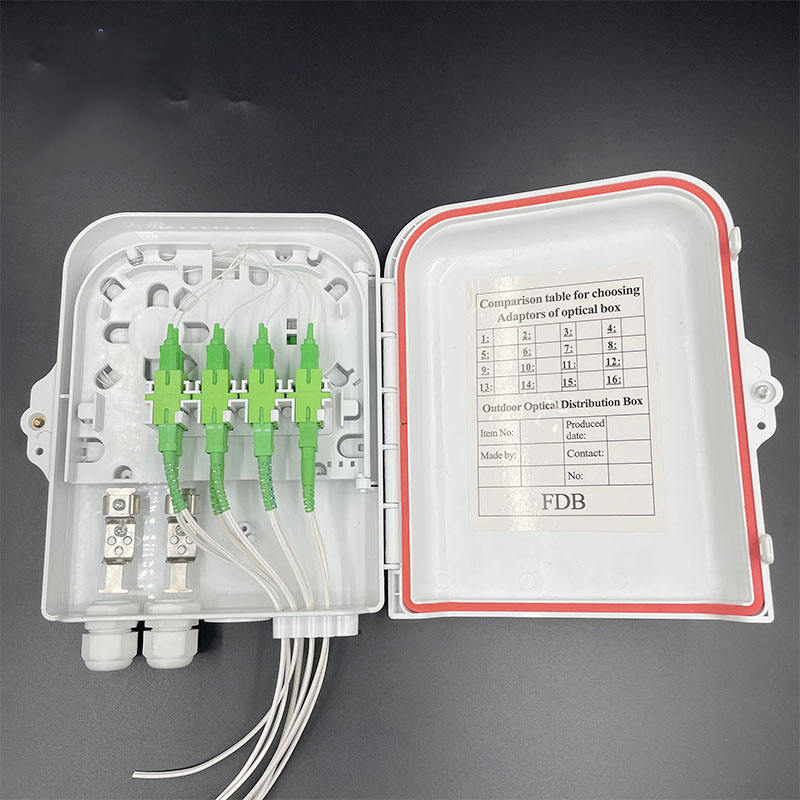
broadband distribution box
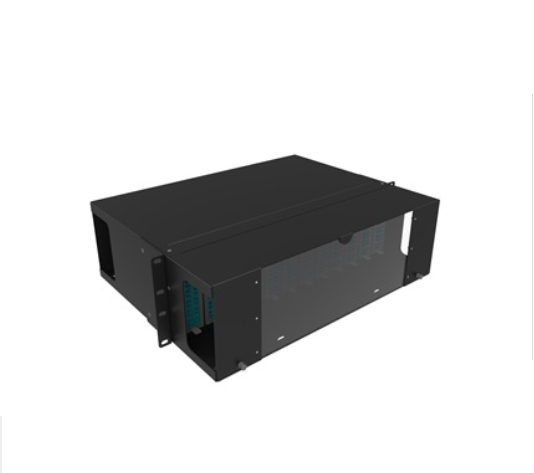
A broadband distribution box serves as a critical infrastructure component for modern telecommunications networks. This sophisticated device functions as a central hub that receives high-speed internet signals and distributes them efficiently to multiple endpoints throughout residential and commercial properties. The broadband distribution box manages bandwidth allocation, ensuring optimal signal quality and consistent connectivity across all connected devices and locations.
The primary function of a broadband distribution box involves signal reception, amplification, and distribution to various user terminals. Modern broadband distribution boxes incorporate advanced technological features including integrated splitters, signal amplifiers, and intelligent routing systems. These systems automatically optimize data flow, reduce signal degradation, and maintain stable connection speeds regardless of network demand fluctuations.
Technologically, the broadband distribution box employs sophisticated engineering to handle multiple simultaneous data streams. The device features multi-port outputs, allowing connection to numerous endpoints without compromising performance. Its compact design integrates passive and active components that work seamlessly together to enhance signal integrity and transmission reliability.
Applications for the broadband distribution box span across diverse sectors. Telecommunications providers utilize these devices in network infrastructure to extend service coverage efficiently. Building management systems deploy broadband distribution boxes to deliver internet throughout multi-unit residential complexes and office buildings. Educational institutions and healthcare facilities rely on these boxes to support bandwidth-intensive operations and ensure reliable connectivity for critical services and learning environments throughout their facilities.

 EN