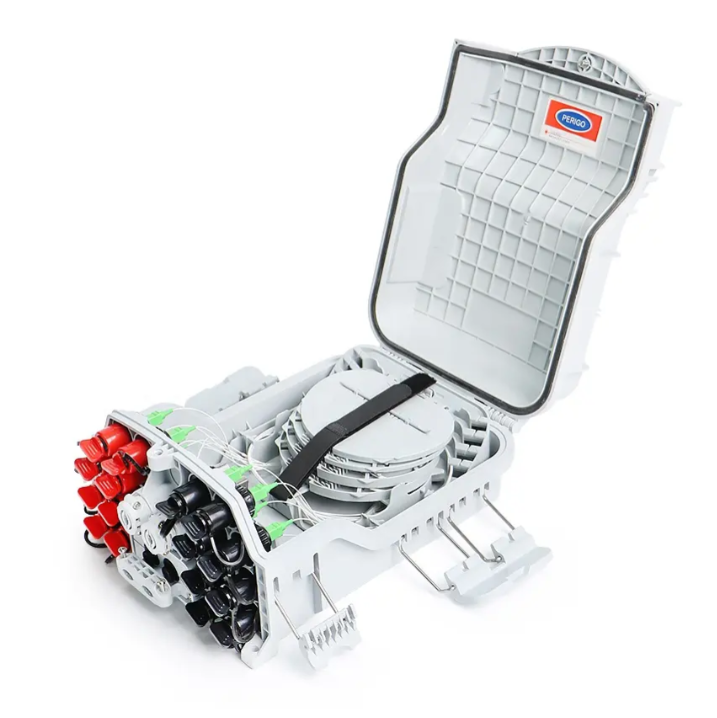
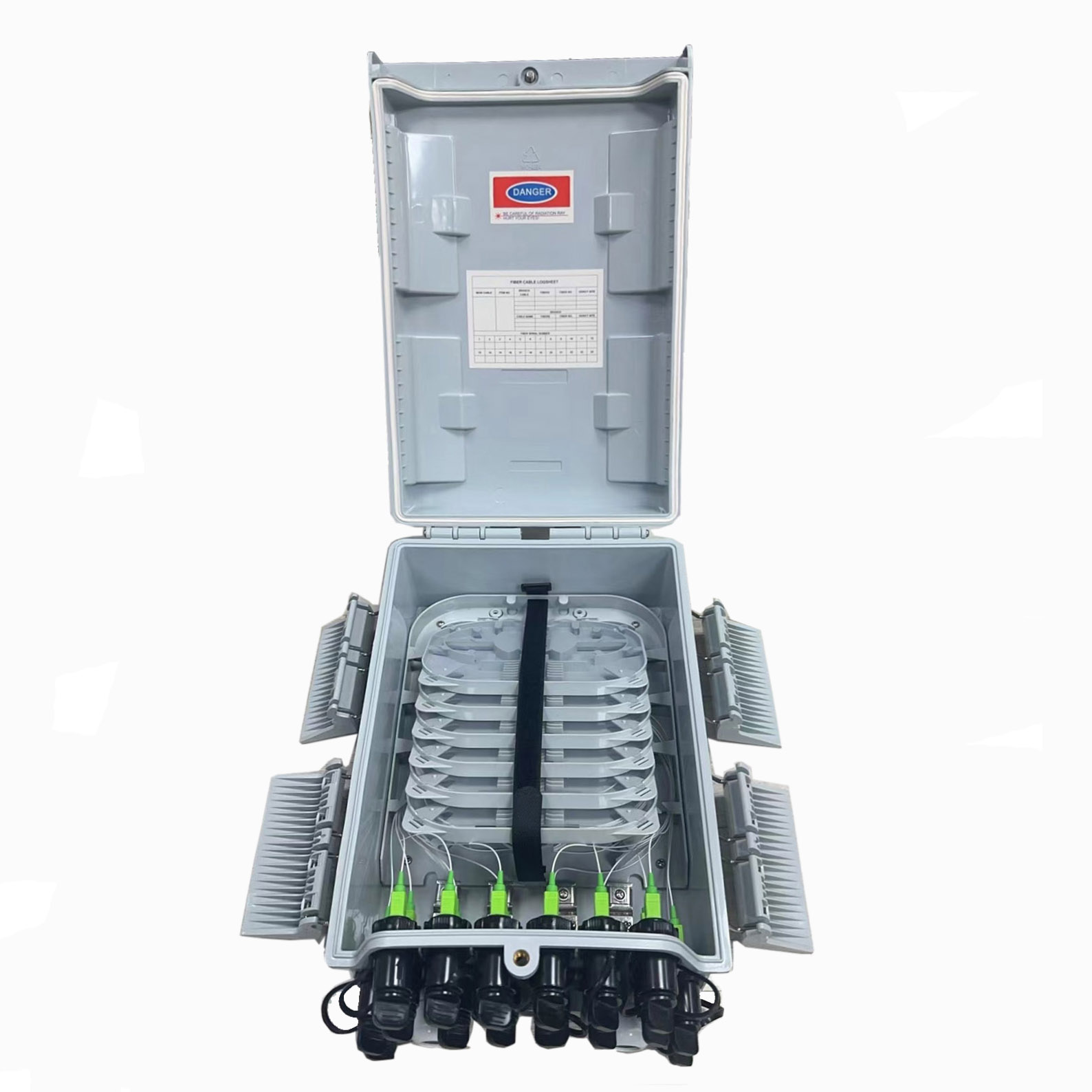
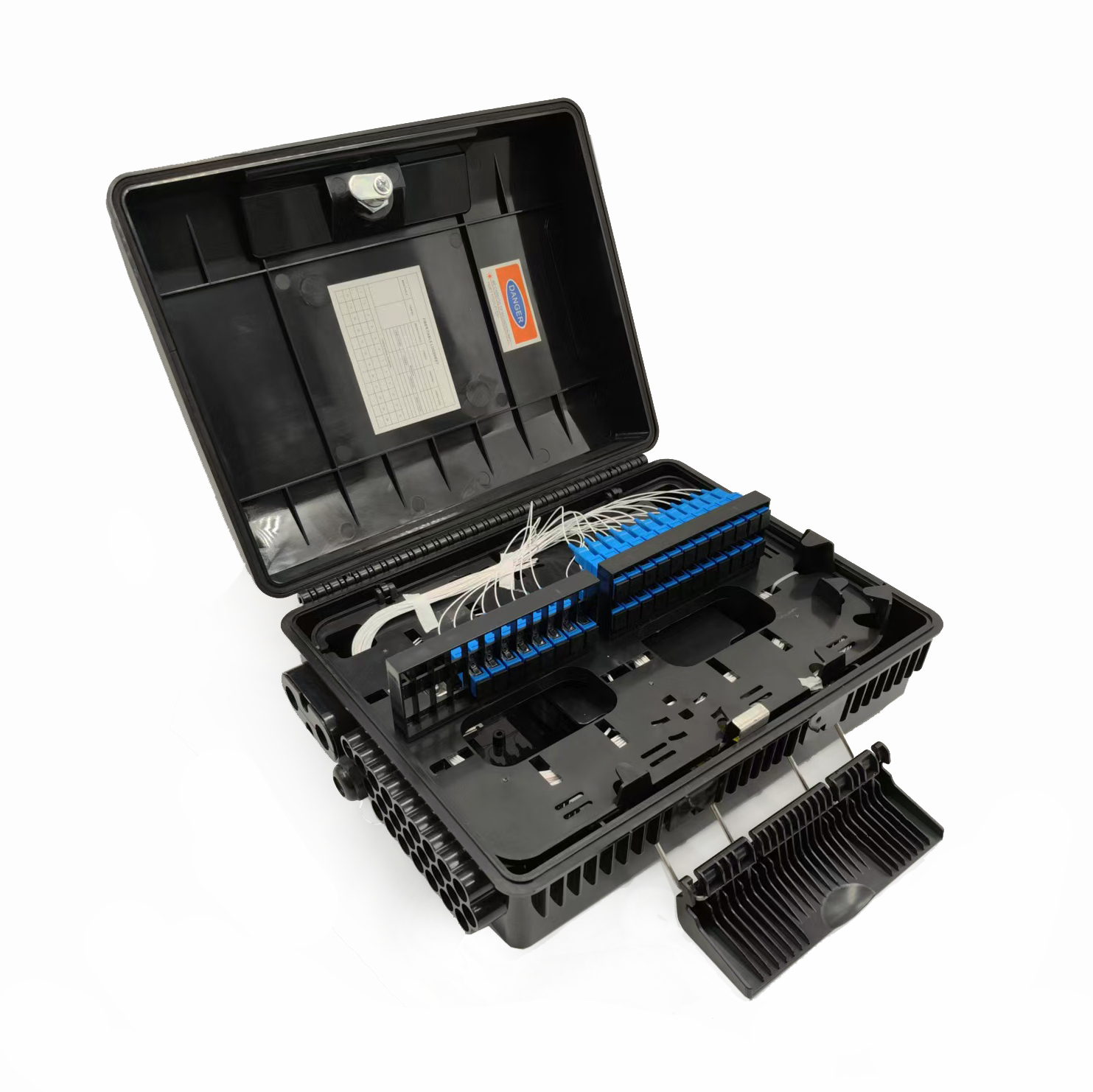
fiber optic distribution box
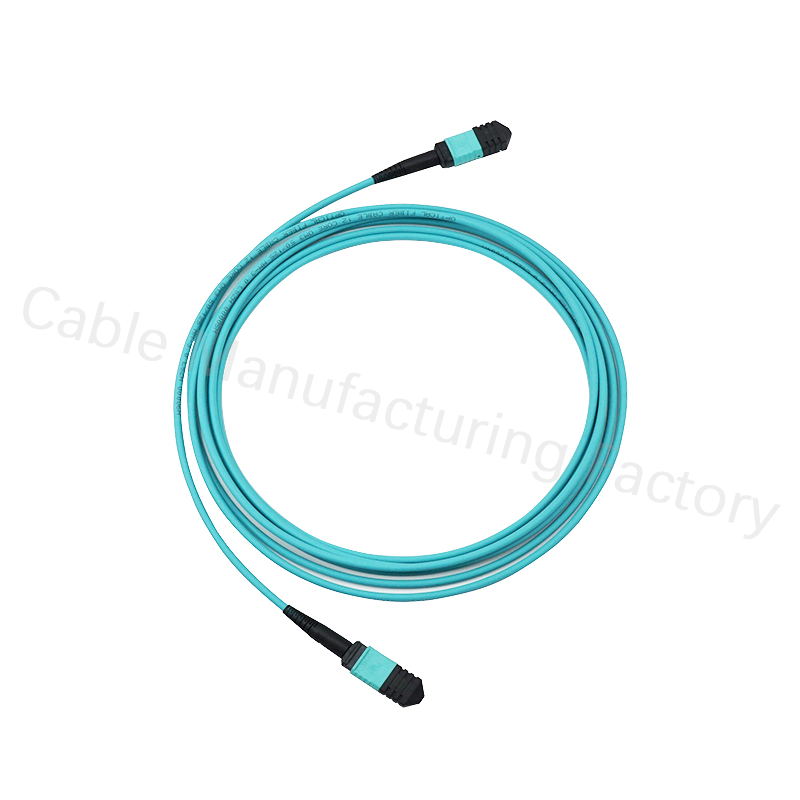
A fiber optic distribution box serves as a critical infrastructure component in modern telecommunications and data networks. This device functions as a central hub that manages, organizes, and distributes fiber optic cables throughout residential, commercial, and industrial environments. The fiber optic distribution box accommodates multiple fiber optic connections, enabling efficient signal distribution while maintaining signal integrity and minimizing data loss.
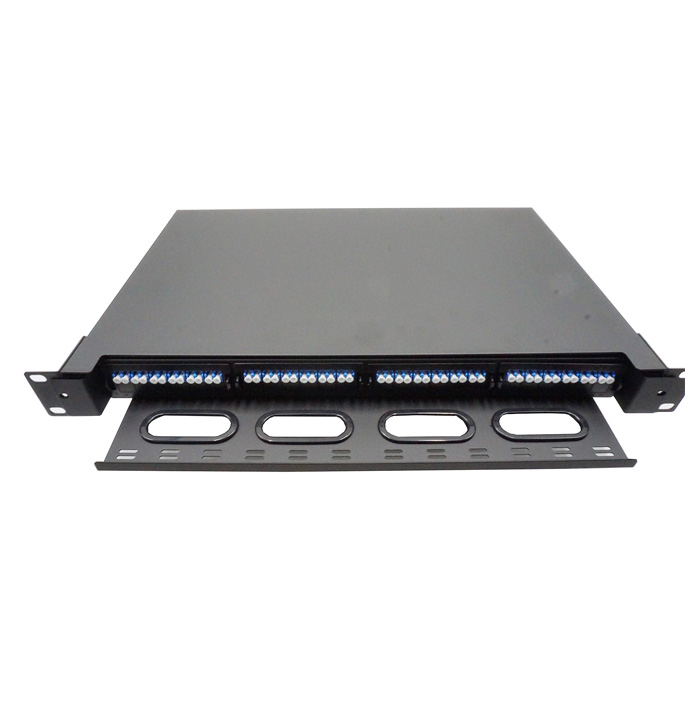
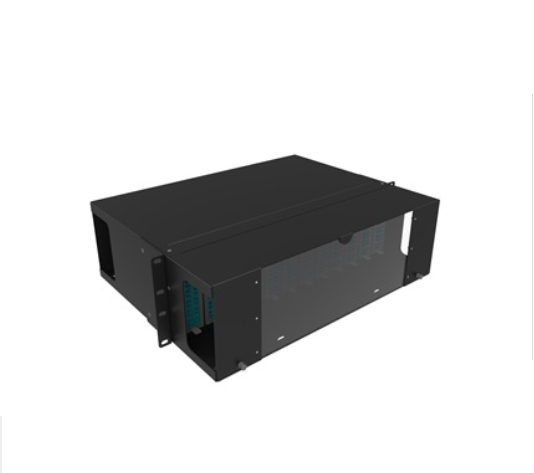
The primary function of a fiber optic distribution box is to terminate incoming fiber optic cables and distribute them to various endpoints within a facility. The fiber optic distribution box typically features multiple ports designed to handle different fiber types and connector standards, including SC, LC, and ST connectors. Technologically advanced fiber optic distribution boxes incorporate splice trays, cable management systems, and protective housing that shields delicate fiber optic components from physical damage and environmental hazards.
Key technological features include compact design for space-efficient installation, modular architecture allowing scalability, and high-density port configurations supporting numerous simultaneous connections. The fiber optic distribution box maintains optimal performance through organized cable routing, reduced signal interference, and simplified maintenance access. Applications span telecommunications networks, internet service provider infrastructure, data centers, corporate networks, and fiber-to-the-home deployments. A fiber optic distribution box enables seamless integration between backbone networks and end-user connections, making it indispensable for high-speed data transmission requirements in contemporary digital environments.

 EN